
BNG Habitats Directory


-.webp)

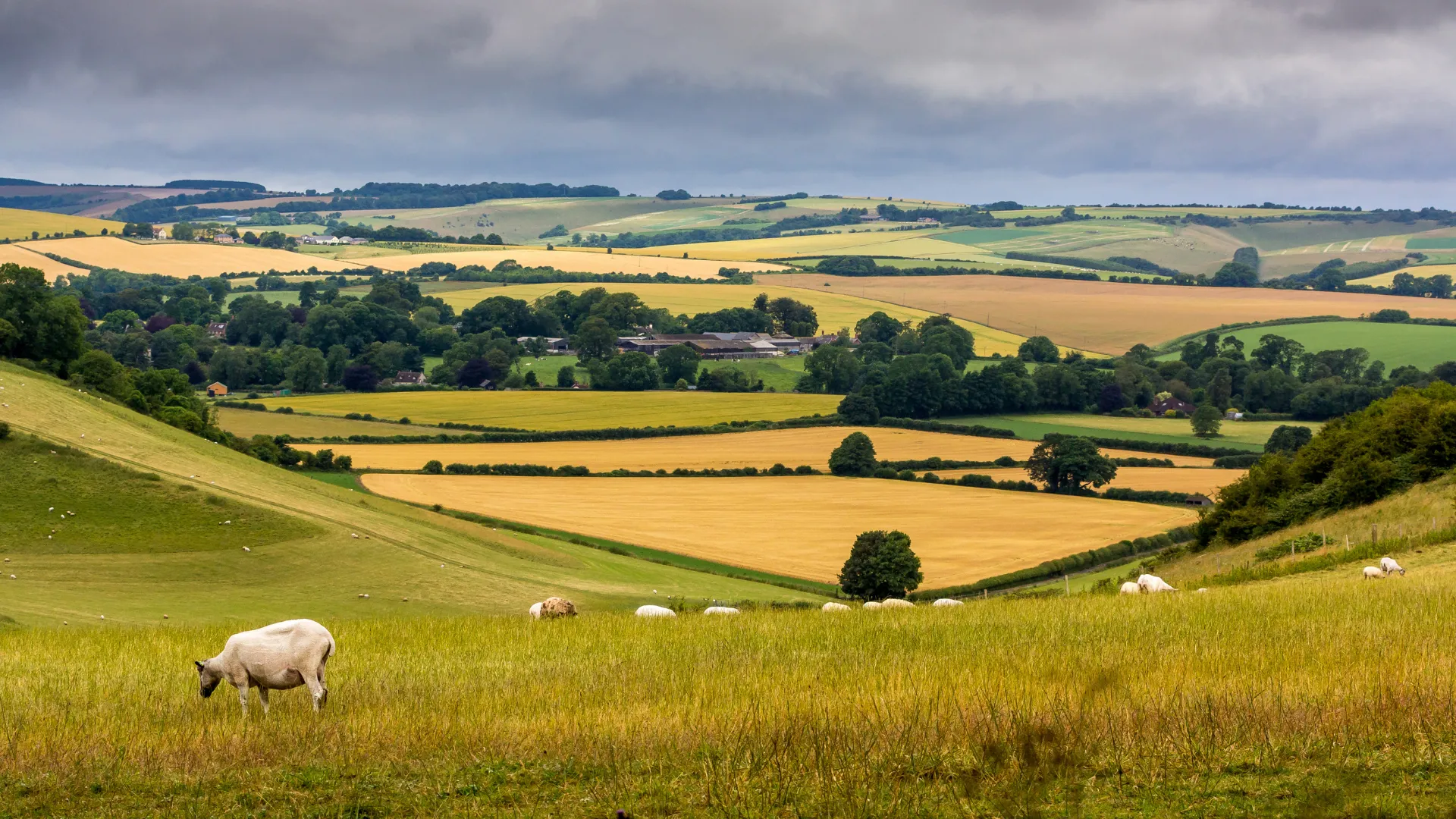
Arable field margins pollen and nectar are grass margins around arable fields sown with wildflowers and legumes managed specifically to provide pollen and nectar resources for invertebrates. The mix must include at least four nectar-rich flowering species and the margin is kept low-input and rotationally cut to maintain flowering through the season. The arable field must remain in a crop rotation including an arable crop.
Unlike wild bird seed margins, the management objective here is flowering continuity for pollinators rather than seed retention for birds. This habitat type sits within the Cropland broad habitat in the BNG metric and is classified separately from tussocky margins, cultivated margins and game bird mix.

Arable field margins game bird mix are margins, strips, blocks or corners around arable fields sown with wild bird cover crops and left unharvested over winter so that seed produced by the plants remains available to farmland wildlife. The arable field must be in a crop rotation that includes an arable crop, such as wheat, barley, maize or oats, even if in certain years the field is in temporary grass, set-aside or fallow.
Mixes typically combine seed-bearing cereals, brassicas and oil-rich crops to provide food through the winter hungry gap and standing cover for gamebirds and declining farmland bird species.
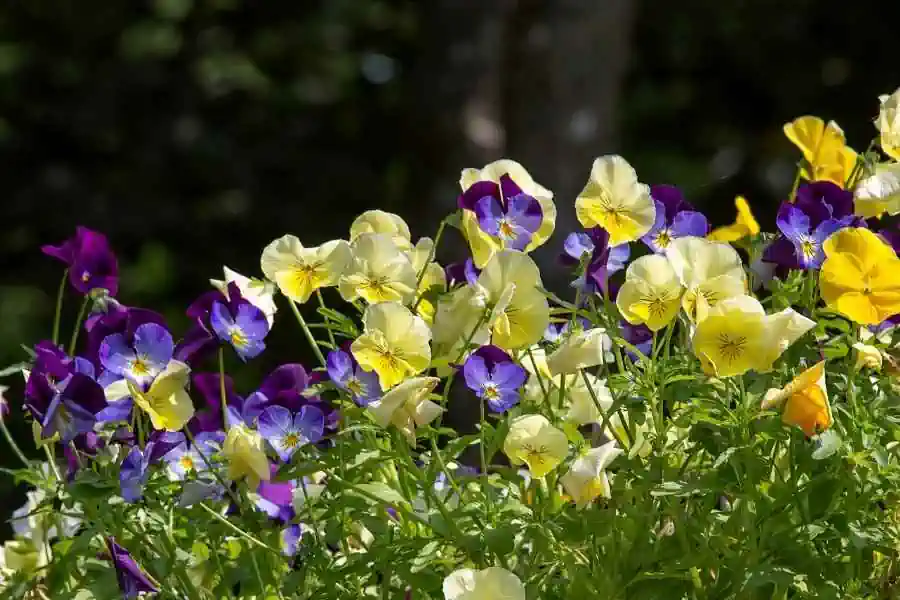
Arable field margins cultivated annually are strips along the edges of arable fields, typically 2–12 metres wide, managed under a low-input regime to support annual arable plants. They are lightly cultivated each year, usually in late summer or autumn, without herbicide or fertiliser, creating the open, disturbed soil conditions that annual arable flora requires to germinate.
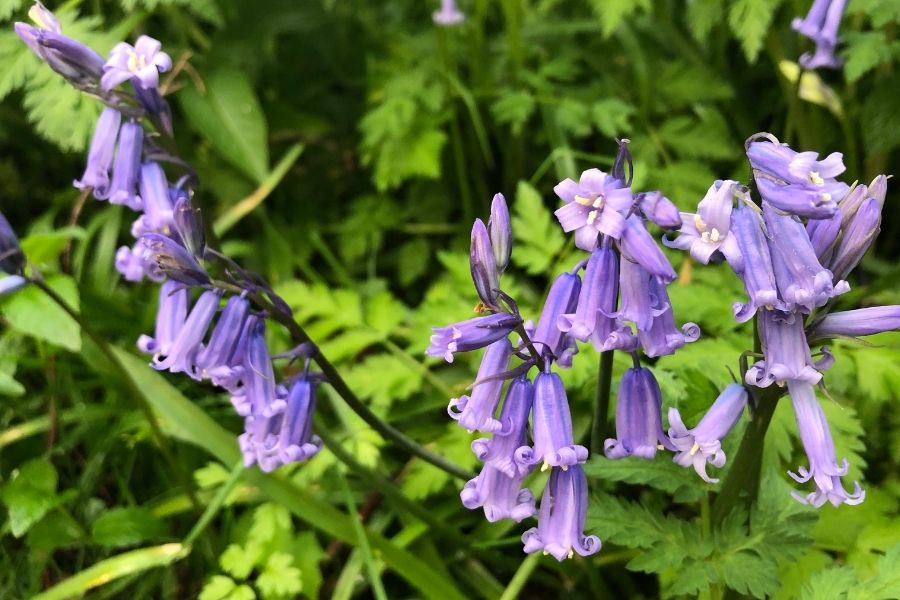
Hazel scrub is a native scrub habitat dominated by hazel, typically forming dense multi-stemmed shrubs or coppice stools usually less than 5 metres in height. It commonly occurs along woodland edges, ride margins, hedgerow networks and as transitional scrub developing on former grassland or farmland.
Hazel scrub provides structural habitat for birds and small mammals and produces nuts, catkins and leaf litter that support invertebrates and woodland food webs. It may also function as a transitional habitat facilitating woodland regeneration.
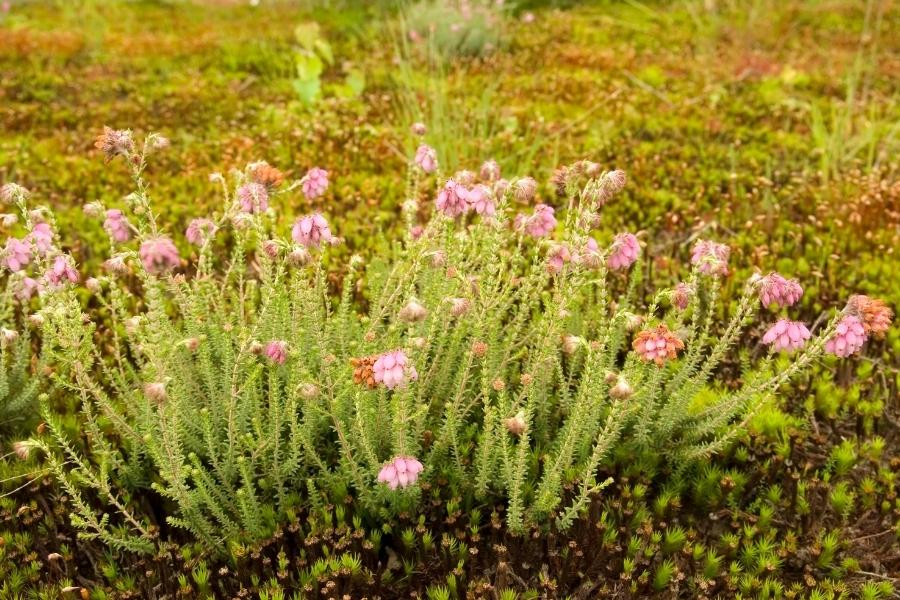
Lowland heathland is a semi-natural habitat dominated by dwarf shrubs growing on nutrient-poor, acidic soils in the lowland zone, generally below about 300 metres above sea level. The vegetation is typically dominated by ericaceous species such as heather, bell heather, and cross-leaved heath, often with gorse species.
Lowland heathland usually occurs as a mosaic habitat, containing patches of dwarf shrub heath alongside acid grassland, bare ground, scattered scrub or trees, and occasionally wet heath or small bog areas.
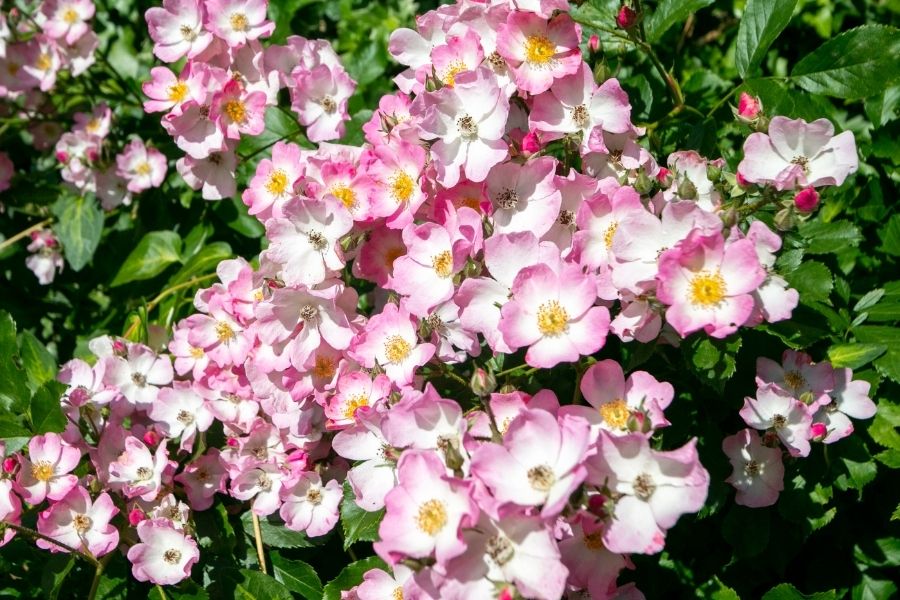
Bramble scrub is a dense scrub habitat dominated by bramble, typically forming thick thickets between 2 and 3 metres in height. It commonly occurs along woodland margins, grassland edges, road and rail embankments, brownfield land and other disturbed areas as part of natural vegetation succession. All bramble scrub parcels are also recorded as poor condition in the metric, regardless of their structure or species composition.
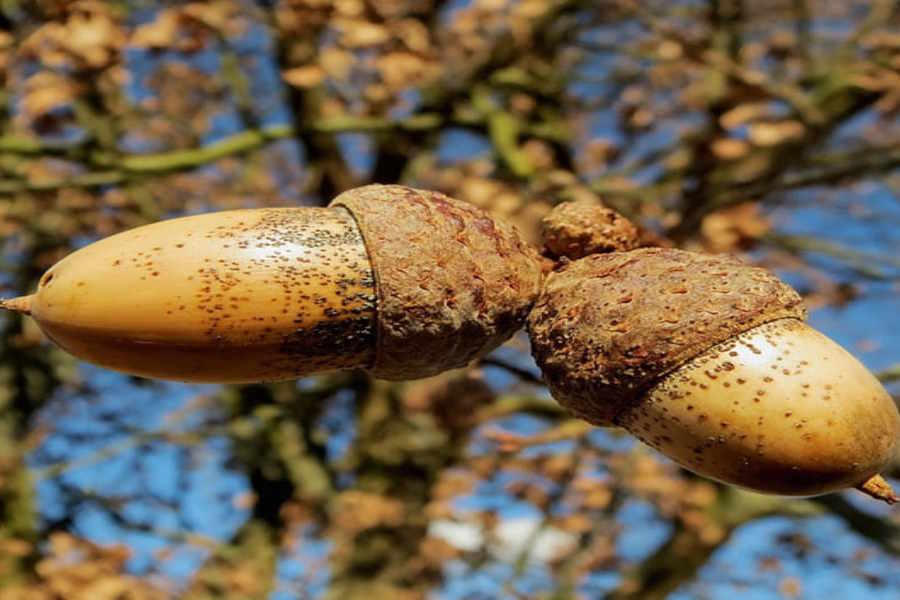
A Line of Trees in BNG is a row or corridor of trees forming a clear linear feature in the landscape. It is made up of individual trees spaced closely enough to create a recognisable boundary or route through farmland, estates or river corridors. These lines often follow historic field edges, green lanes or trackways and can include banks or ditches alongside them.
Some lines are simple boundary features, while others hold greater ecological value because they contain mature or veteran trees, standing deadwood, cavities and other natural features that support birds, bats and invertebrates.
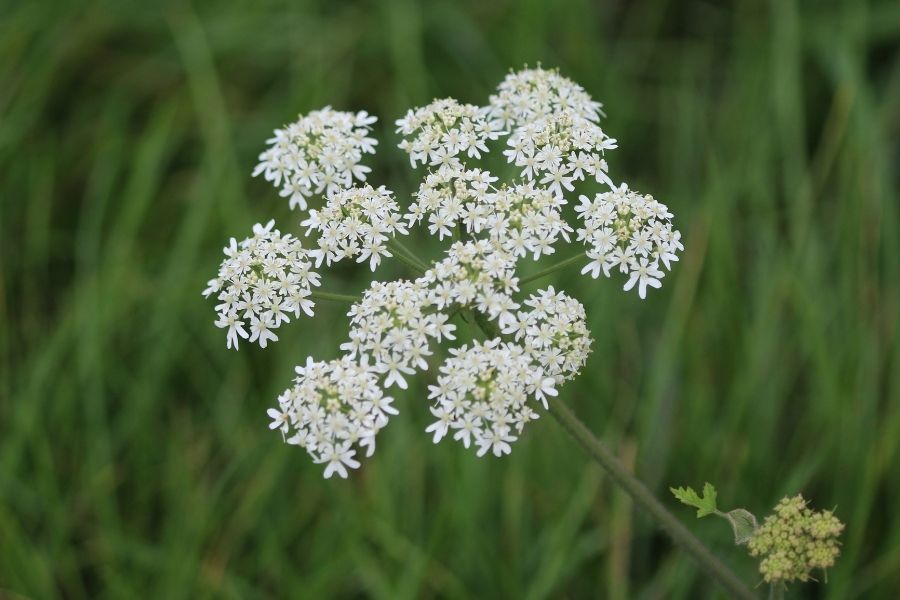
A Native Hedgerow BNG habitat is a linear woody habitat where more than 80% of the shrub and tree cover consists of native species. Structurally, native hedgerows consist of a dense shrub layer commonly dominated by species such as hawthorn, blackthorn and hazel, often with standard trees including oak or ash emerging above the canopy.
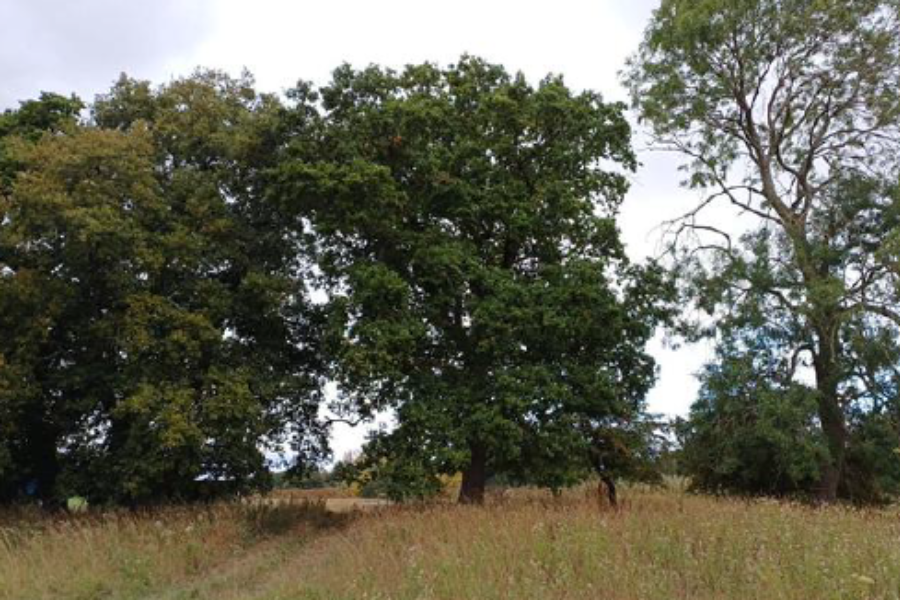
An Ecologically Valuable Line of Trees is a high-distinctiveness linear habitat consisting of a continuous or near-continuous arrangement of trees over 20 metres in length, typically less than 5 metres wide between major stems, and distinguished by structural features that support specialist wildlife. Unlike standard lines of trees, this habitat includes at least one tree with veteran characteristics or natural ecological niches such as cavities, standing or attached deadwood, ivy cover or loose bark.

Lowland Beech and Yew Woodland is a priority broadleaved woodland habitat dominated by beech, and in some cases yew, on suitable lowland soils. These woodlands occur mainly on chalk and limestone scarps, as well as neutral and acidic lowland soils where beech has become long established. Many stands are ancient woodland, while others are long-standing secondary woods that now support characteristic beech woodland communities.
The habitat typically supports a closed beech canopy, sometimes with yew forming a secondary layer or pure stands on steep slopes. Ash, whitebeam, oak and holly may also occur depending on soil type and local conditions. Structure and ground flora vary according to geology and management history, reflecting recognised woodland NVC communities.
-(1)PAINT.jpeg)
Wood-pasture and Parkland are mosaic habitats of open grassland, heath or rough pasture with scattered open-grown trees. These trees are often ancient, veteran or historically pollarded and shaped by long-term grazing.
Unlike closed woodland, this habitat maintains a semi-open structure. Grazing animals prevent canopy closure, creating a landscape of individual trees, scrub clumps and open sward. Veteran trees with decay features such as hollows, rot holes, deadwood, and cavities are central to its ecological value. Animal dung, nectar-rich grassland and structural continuity support specialist fungi, lichens, invertebrates, birds and bats.
Many sites have historic origins in medieval forests, deer parks, and commons.
PAINT.jpeg)
An Upland Oakwood BNG habitat is an ancient, structurally rich woodland habitat found across the steep valley sides, hillslopes and rocky terrain of upland Britain. It is dominated by sessile oak, often growing alongside downy birch, rowan and hazel, and is characterised by a dense, mossy ground flora shaped by the cool, wet and acidic conditions of the upland zone.
These Woodlands have developed over centuries of low-intensity management and natural regeneration on thin, free-draining or rocky soils. Many are classified as ancient semi-natural woodland, supporting specialist bryophyte and lichen communities of international significance alongside a diverse invertebrate fauna, woodland birds and, in some stands, rare vascular plants.
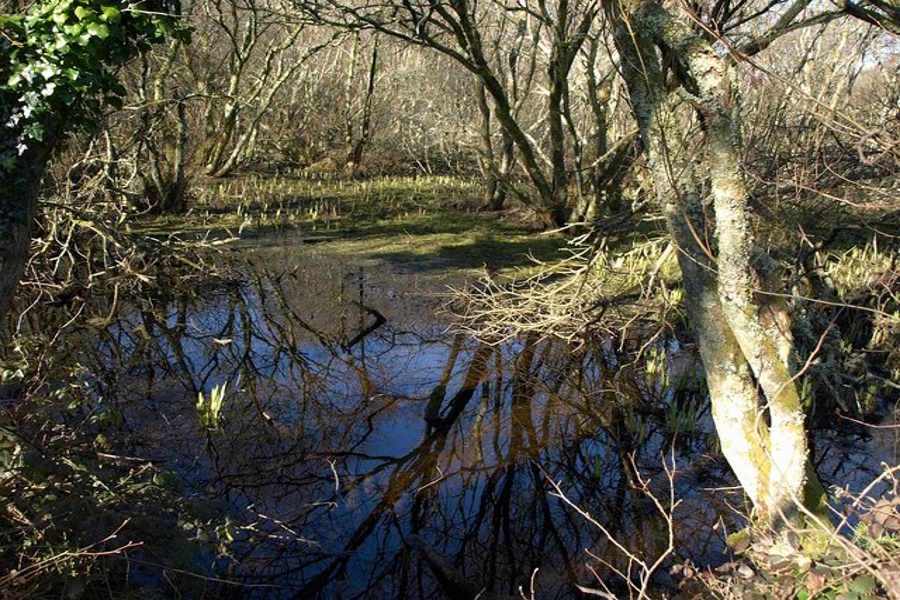
A Wet Woodland BNG Habitat is a structurally rich, water-tolerant woodland habitat found in waterlogged conditions across floodplains, stream sides, valley bottoms and areas of permanent or seasonal flush. It is dominated by moisture-loving trees including alder, willows and downy birch, which form dense canopies over poorly drained or seasonally inundated soils.
The ground flora is characteristically diverse, supporting lichens, mosses, sedges, ferns and a wide range of wetland plants. Wet woodland is strongly associated with dynamic riparian systems and often develops naturally in redundant channels, wet carr and floodplain margins.
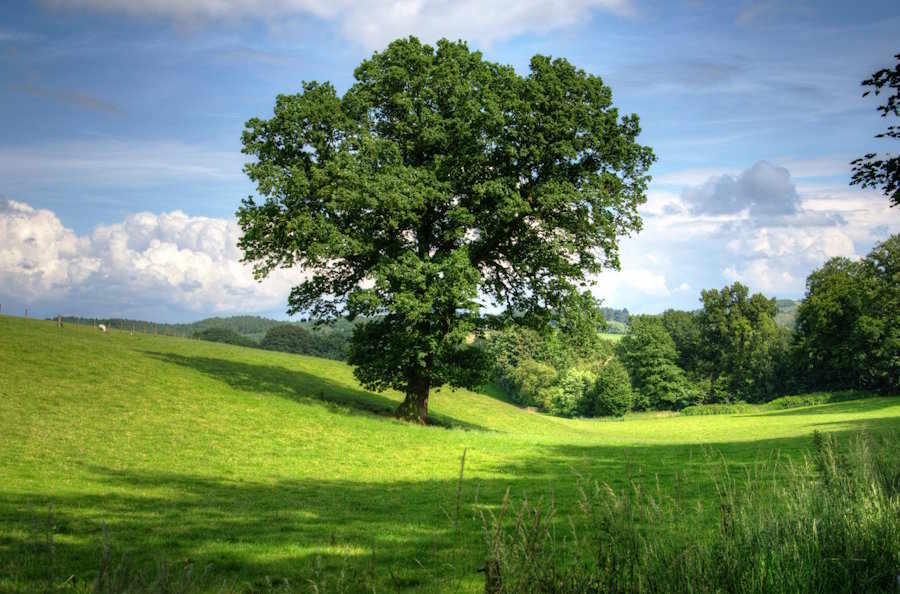
Rural trees are individual trees located in the open countryside that do not form part of woodland, hedgerow or wood-pasture habitats. They include isolated field trees, parkland trees, scattered trees in paddocks, and trees along rural roadsides or watercourses where they are not part of a continuous linear feature.
Ancient and veteran trees in rural locations are also recorded under this habitat type and are additionally flagged as irreplaceable habitat, meaning impacts should be avoided wherever possible.
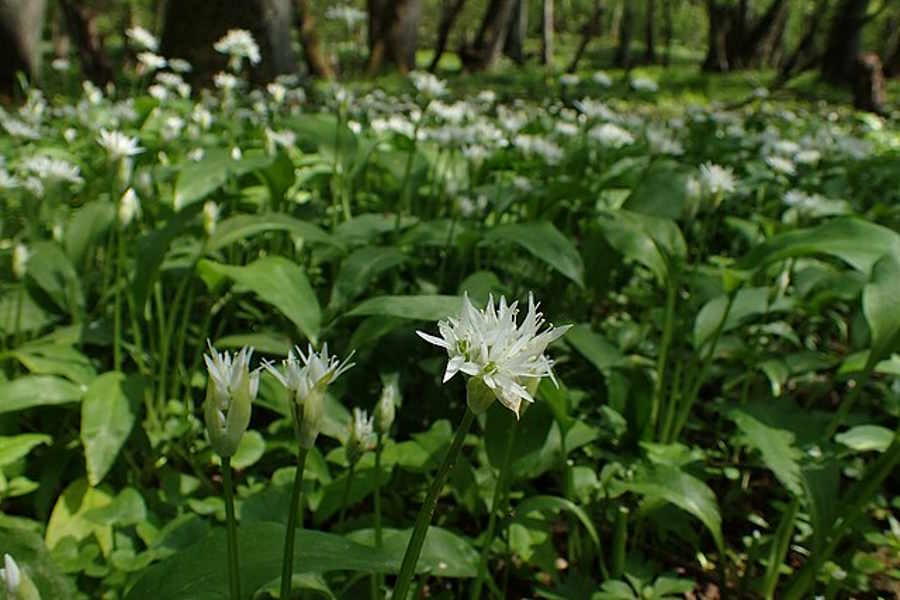
Upland mixed ashwoods are species-rich broadleaved woodlands found on base-rich soils in upland landscapes. They are typically dominated by ash, though locally oak, birch, wych elm, rowan, small-leaved lime or hazel may be prominent depending on site conditions.
These woodlands often develop on limestone and other calcareous substrates, including steep slopes, ravines, flushes and rocky outcrops. Many upland mixed ashwoods are ancient woodland, while others represent long-established secondary woodland that retains strong ecological continuity.
PAINT.jpeg)
Non-priority ponds are small standing waterbodies, generally up to two hectares in size, that do not meet the priority pond criteria but still function as semi-natural freshwater habitats. Non-priority ponds include many farm ponds, estate ponds, attenuation ponds with natural features, and older field ponds that support aquatic and marginal vegetation but lack the exceptional species assemblages required for priority status.
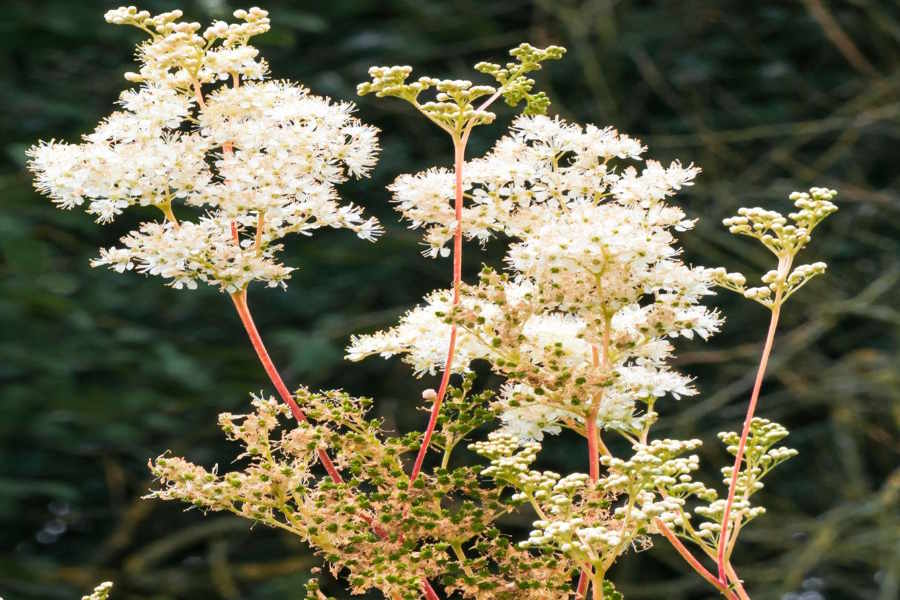
Priority ponds are small standing waterbodies, generally up to two hectares in size. They include ponds that support important species, exceptional plant or invertebrate assemblages, or high-quality pond types, as well as ponds with particular landscape or geomorphological significance.
What distinguishes a priority pond is not age or appearance, but ecological function. A pond may qualify because it supports rare or declining species, contains an unusually rich aquatic plant community, maintains high water quality, or forms part of an important pond network within the landscape. Some priority ponds are ancient features, while others are relatively recent ponds that have developed high ecological value through appropriate design and management.
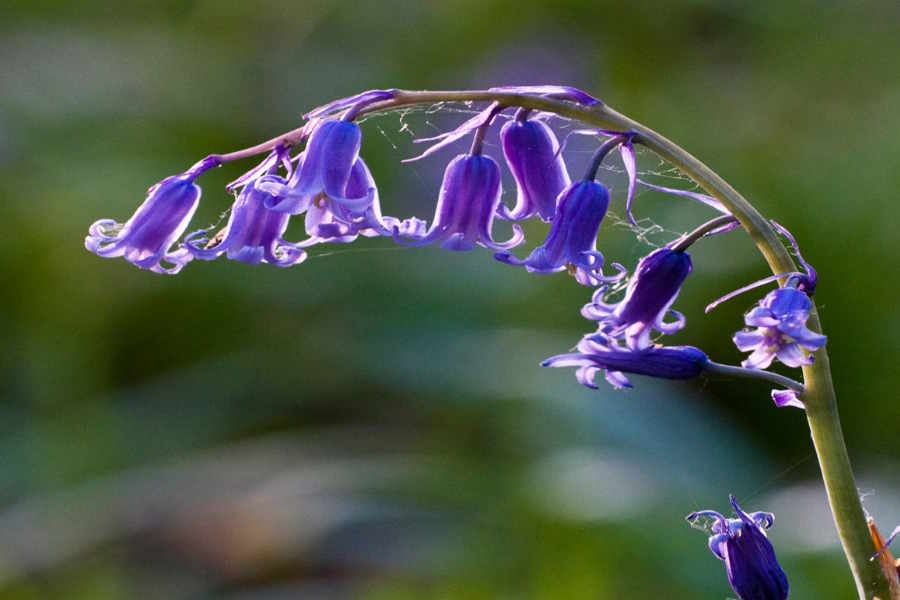
Hawthorn scrub is essentially a dense thicket of shrubs and small trees dominated by hawthorn bushes, often mixed with blackthorn, elder, brambles, and dog rose. It's what ecologists call a "successional habitat" - meaning it represents a stage between open grassland and mature woodland.
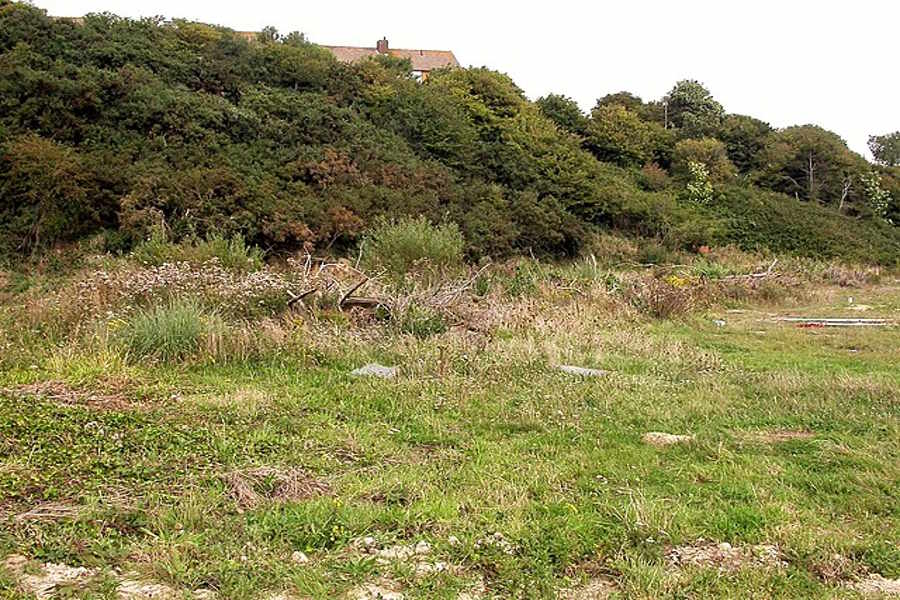
Open Mosaic Habitats on previously developed land are brownfield sites where disturbance, bare substrates, and early successional vegetation create a structurally diverse mosaic. The habitat supports specialised flora and invertebrates that depend on skeletal soils, bare ground, and pioneer plant communities.
The mosaic typically includes bare ground, ephemeral and short perennial vegetation, flower-rich open grassland, scrub patches, and occasional wet features.
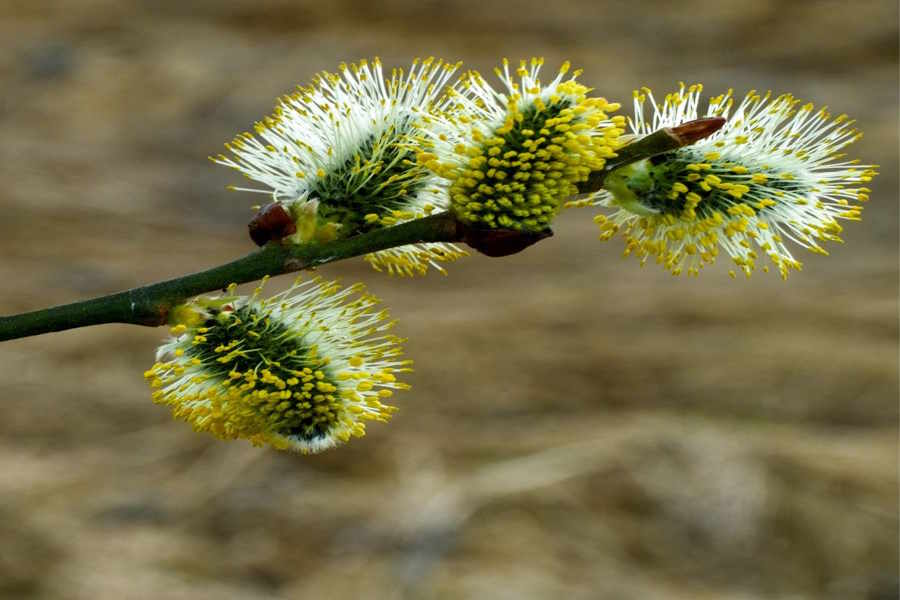
Willow scrub is a transitional habitat dominated by native willow species, typically grey willow and goat willow, often with hawthorn, hazel, and dog rose. It forms in damp ground, at woodland margins, or on disturbed sites where scrub colonises freely.
The Willow scrub habitat is characterised by a mosaic structure: scrub cover between 10 and 60 percent with open grassland, wetland, or bare ground filling the gaps. A varied age structure, from seedlings to mature stems, supports higher condition scores. Ground flora is diverse where scrub remains open and light levels allow herbs and grasses to persist.
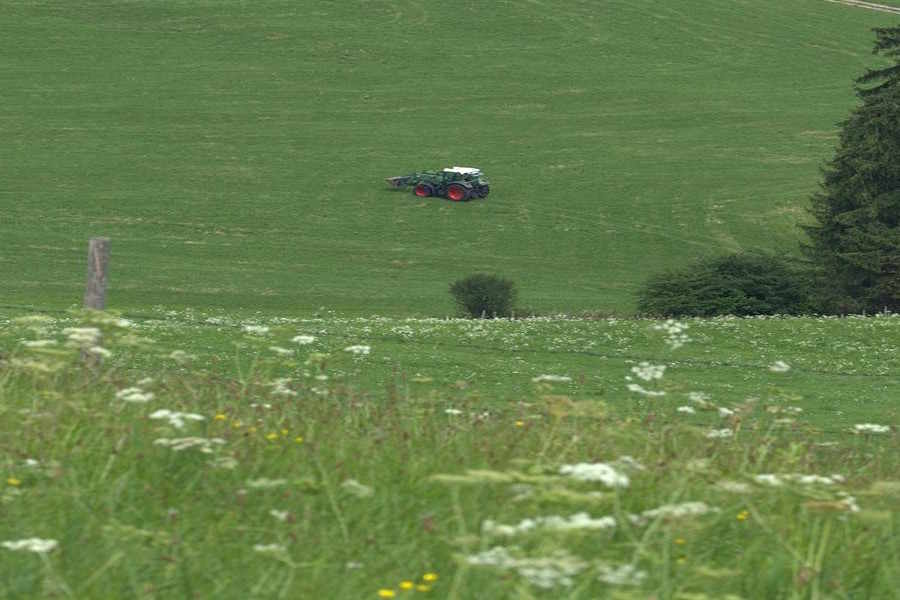
Upland hay meadows are species rich grasslands dominated by a mix of fine grasses and abundant herbaceous wildflowers such as sweet vernal-grass, wood crane’s-bill, great burnet, pignut, and lady’s mantles.
These meadows have developed through long term traditional management that combines light grazing with a late summer hay cut. Rare species including lesser butterfly-orchid and burnt orchid are sometimes found.
This habitat is a dense mix of grasses and a wide variety of wildflowers, with no single grass species dominating the vegetation.
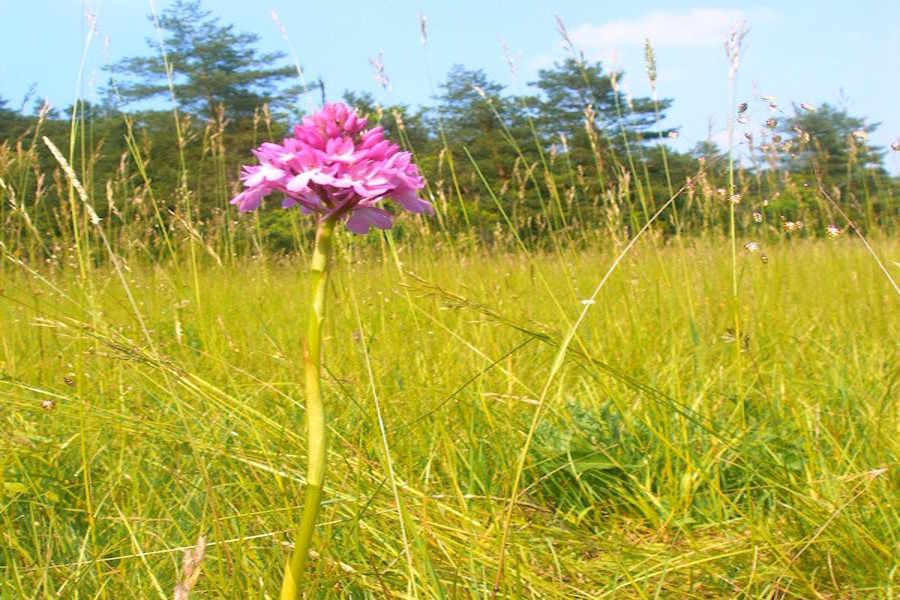
Upland calcareous grassland is a springy, species-rich habitat occurring above approximately 250–300 metres on lime-rich, or “base-rich,” soils. The habitat develops as a short, species rich sward of calcicolous grasses, herbs and orchids adapted to alkaline conditions and cooler upland climates
The grassland appears patchy and open, with fine grasses, colourful herbs and scattered rock outcrops. Wild thyme, common rock rose and bird’s foot trefoil often grow alongside sheep’s fescue and upright brome, creating a varied mosaic.
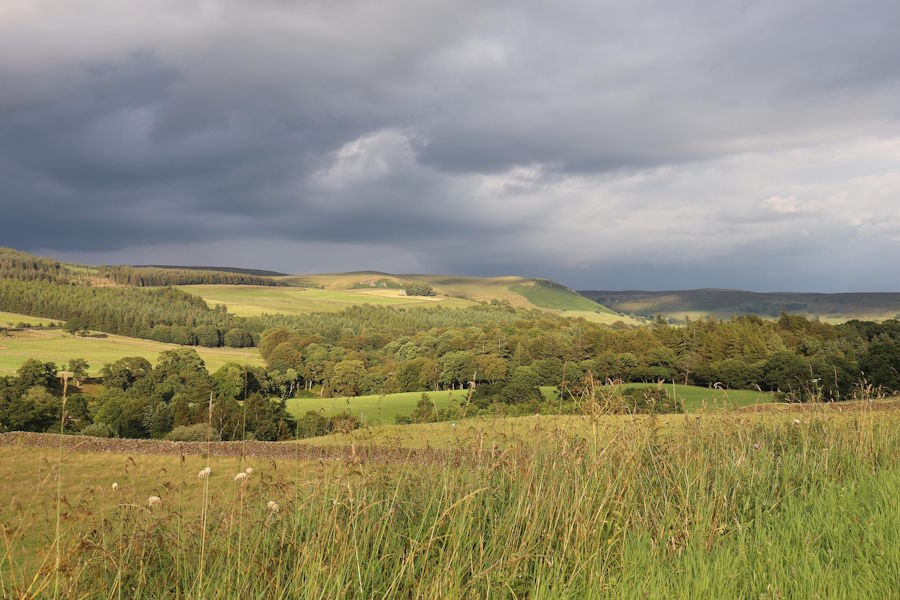
Upland Acid Grassland is a mix of fine grasses, mosses and small herbaceous plants adapted to low pH and limited nutrients. This habitat appears as an open grassy landscape, often dominated by mat grass or purple moor grass. Texture and color come from all patches of tormentil, heath bedstraw and scattered mosses.
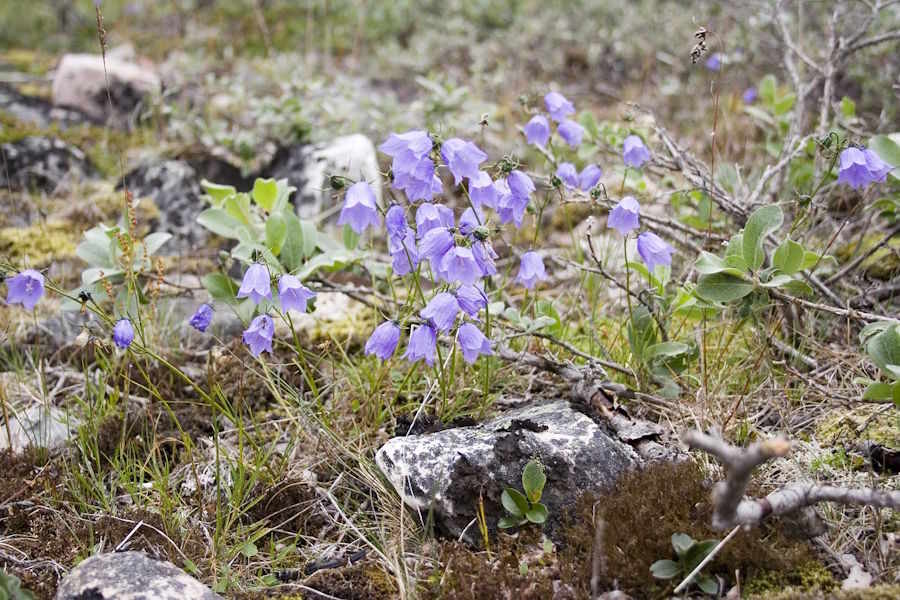
Other Lowland Acid Grassland (OLAG) is a species-poor to moderately diverse acid grassland found on low-fertility, acidic soils in lowland areas. This habitat develops as a short, species rich sward of fine grasses, herbs, mosses and lichens adapted to low pH and low nutrient availability. The habitat appears as a low, even turf with small flowering plants scattered through the grassland.
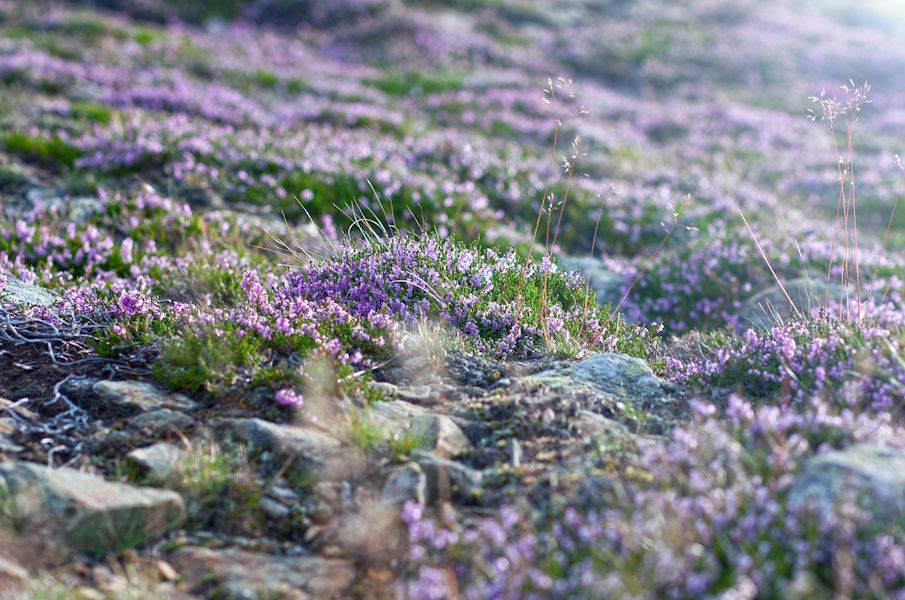
Lowland dry acid grassland occurs on nutrient-poor, acidic soils, often sandy or gravelly. It supports a mix of fine grasses, mosses, lichens and small rosette forming herbs such as sheep’s sorrel, bird’s foot trefoil and mouse ear hawkweed. Grazing and light disturbance maintain the open mosaic structure that supports its characteristic species diversity.
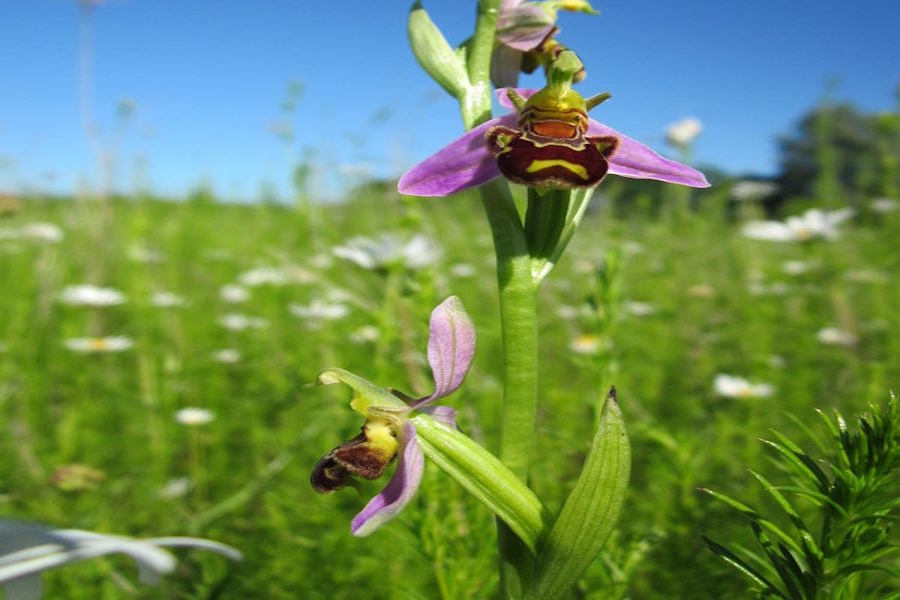
Lowland calcareous grassland appears as a bright, open grassland with colourful flowers through spring and summer. This habitat is among England’s most species-rich grassland habitats. Rock roses, wild thyme, bird’s foot trefoil and orchids often create vivid patches across escarpments, dry valley slopes or old earthworks. The turf is fine textured, often aromatic, and sometimes interspersed with scattered scrub on the margins.
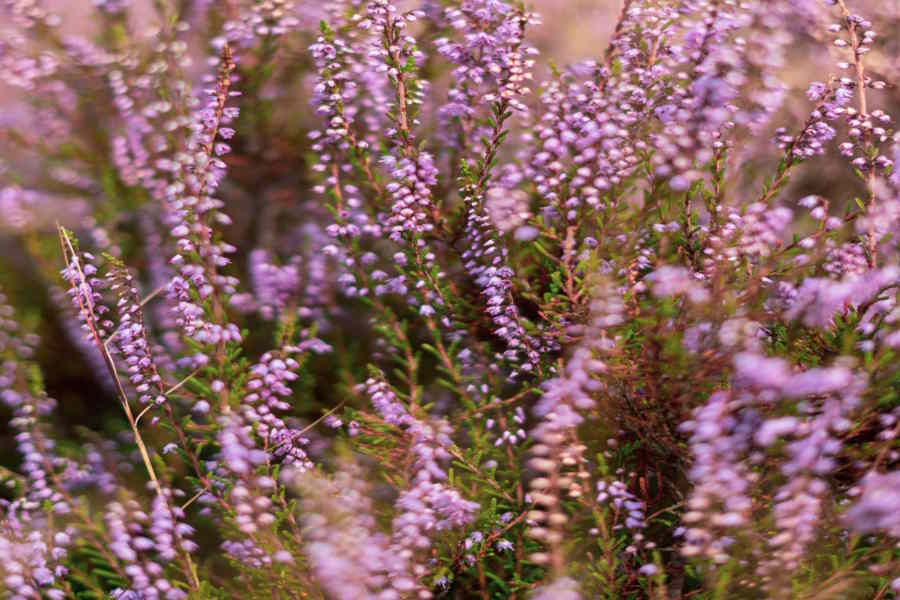
Gorse scrub forms when gorse species, mainly common gorse (Ulex europaeus), grow into dense, thorny evergreen thickets on dry, nutrient poor soils. These shrubs create low to medium height blocks of spiny vegetation with woody stems and narrow leaves that end in sharp points.
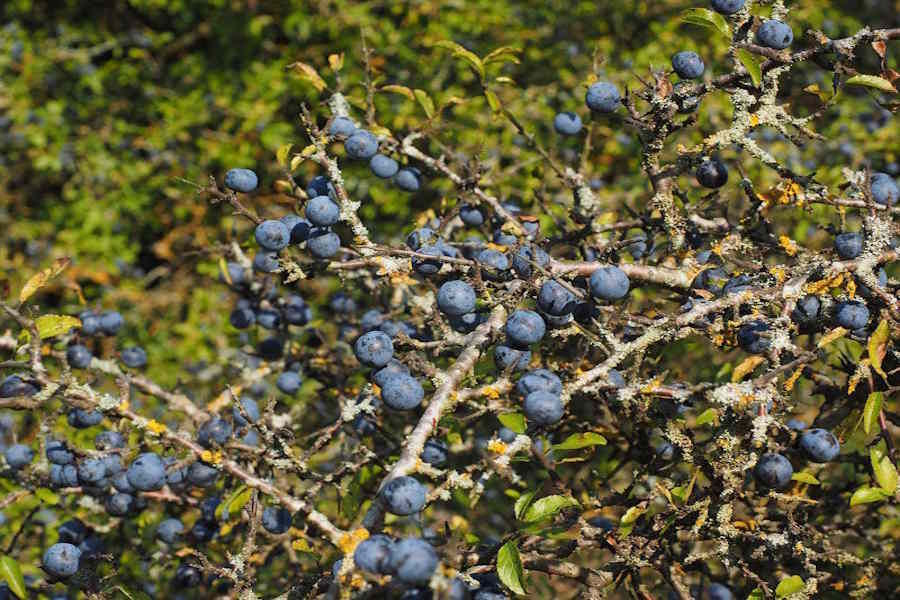
Blackthorn Scrub is a dense shrub habitat dominated by blackthorn (Prunus spinosa), a native thorn-bearing species widespread across lowland England. It develops where unmanaged hedgerows, field margins or grasslands thicken into tall, spiny thickets typically 3–5 m high.
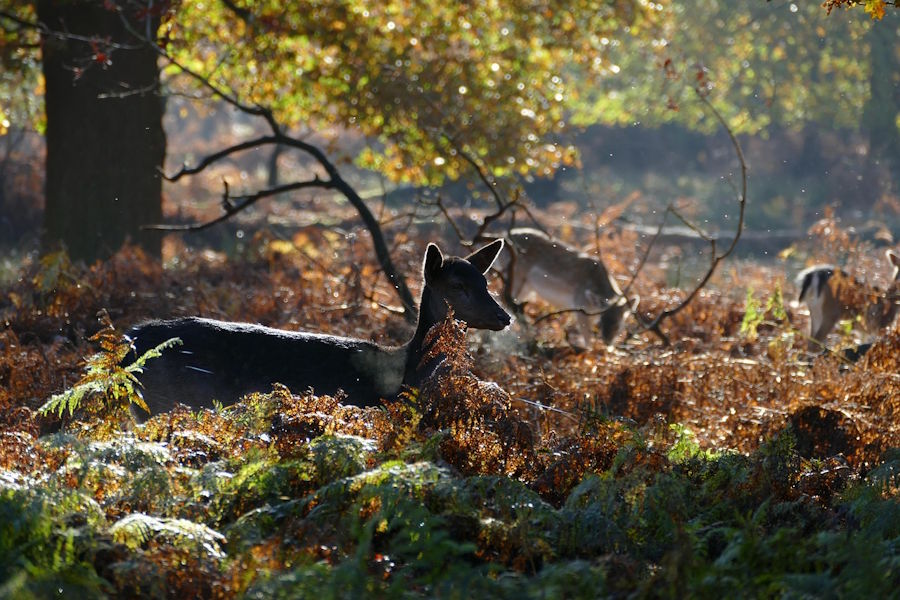
Bracken-dominated grassland is a habitat formed where bracken fern (Pteridium aquilinum) becomes the principal vegetation cover. Bracken is a native fern species that has long been part of the UK’s semi-natural landscapes. It dies back in autumn, lies dormant in winter, and regenerates each spring from a widespread and nutrient-rich rhizome system.
Bracken is classified as a grassland habitat that is widespread, persistent and strongly competitive.
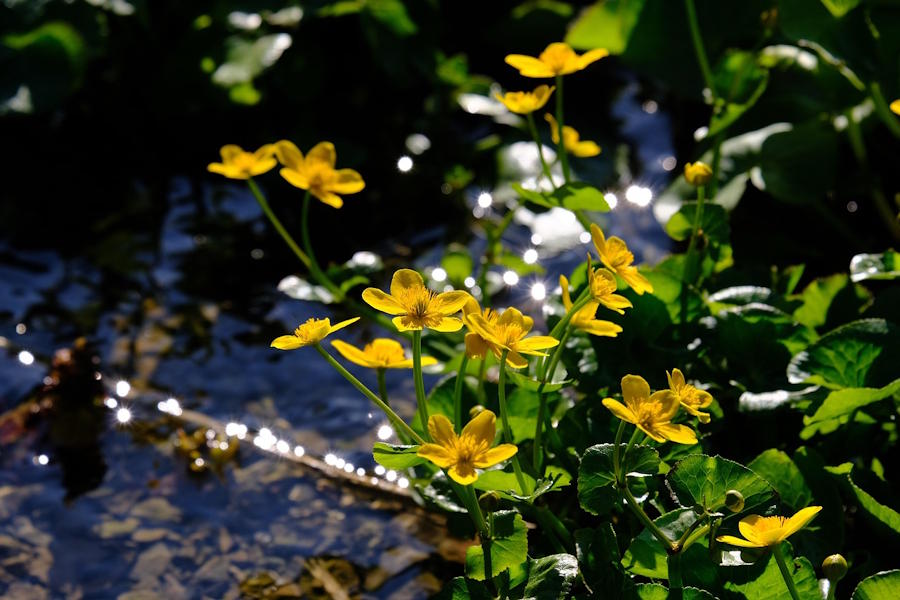
Floodplain wetland mosaic is a complex network of wet grassland, backwater channels, seasonal pools, and riparian vegetation found within a river’s natural floodplain. This habitat looks like a shifting patchwork of wet grassy areas, pools, reeds and shrubby wetland vegetation that changes through the seasons as water levels move across the floodplain.
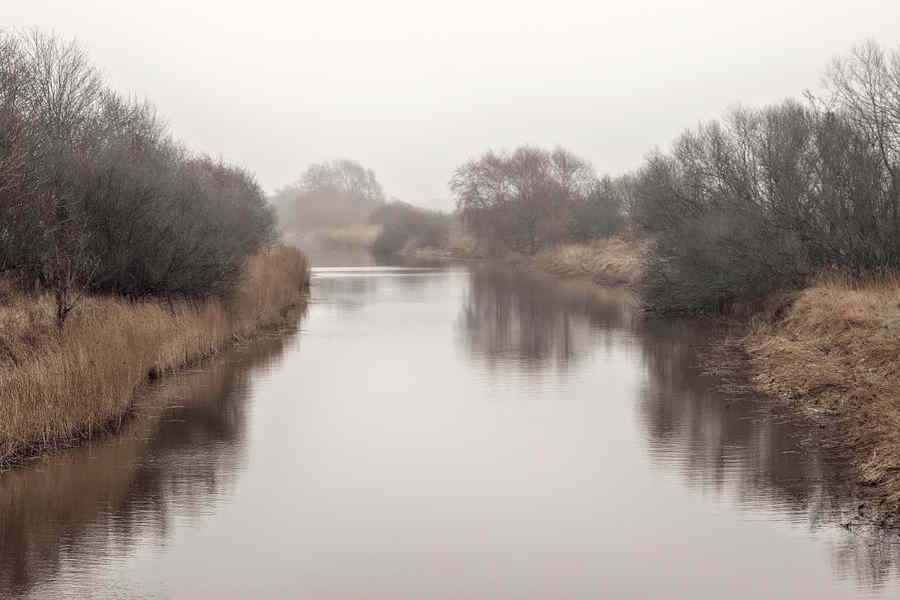
Other rivers and streams are flowing watercourses that do not fall within priority habitat types such as chalk rivers, headwaters or shingle rivers, and are not artificial waterbodies like canals, culverts or ditches. They include the majority of channels across England where natural processes can still operate to some degree, supporting riffles, pools, exposed sediments, submerged plants and riparian vegetation.
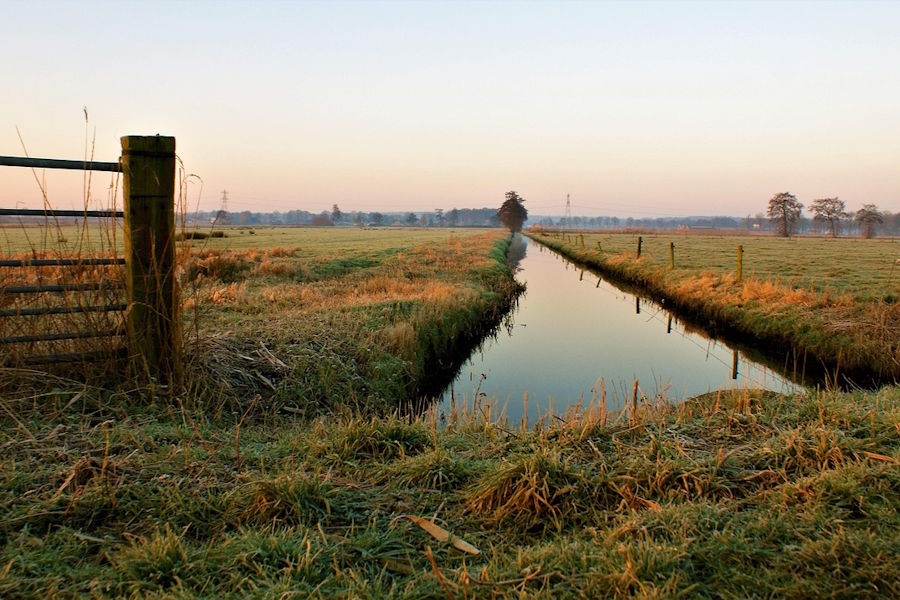
Ditches are linear watercourses, usually artificial in origin, dug for drainage or water management. Many are simple farmland drains, but others have developed rich communities of aquatic plants, invertebrates, amphibians, birds, and mammals. Their biodiversity value depends on water quality, vegetation, and management.
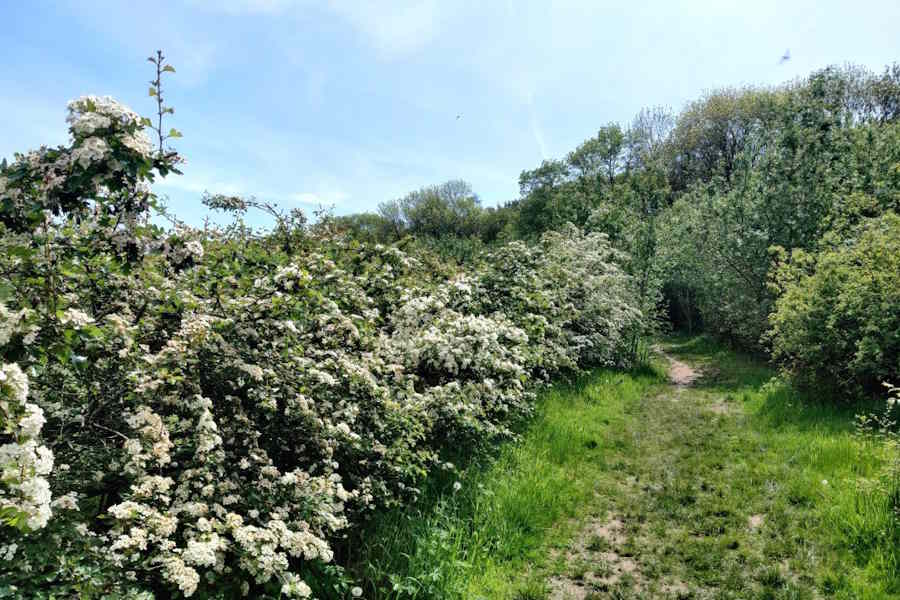
Hedgerows are linear boundaries of shrubs or trees over 20m long and less than 5m wide, with gaps no greater than 20m. A native species-rich hedgerow contains at least 80% cover of native woody species, and is defined as “with trees” where standard trees are present along its length.
These hedgerows combine shrub structure, tree canopy, herbaceous margins, and associated features such as banks, ditches, and veteran standards. They are one of the most important farmland habitats, supporting birds, bats, dormice, pollinators, and providing food, shelter, and corridors for wildlife.
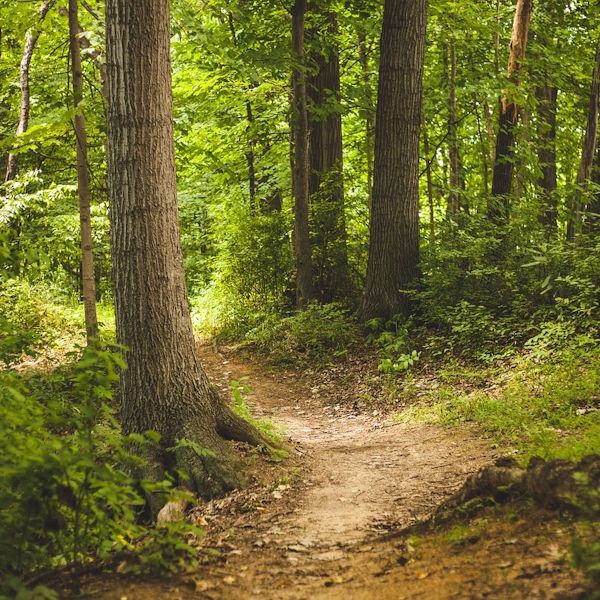
Other broadleaved woodland is the “catch-all” category for woods dominated by native or non-native broadleaved trees that do not qualify as priority habitats such as Lowland Mixed Deciduous, Upland Oakwood, or Wet Woodland. These stands may be planted, secondary, or mixed, often on farmland, estates, or urban fringes.
While ecologically less distinctive than priority types, they still support woodland birds, invertebrates, and fungi, and provide stepping-stones in fragmented landscapes.
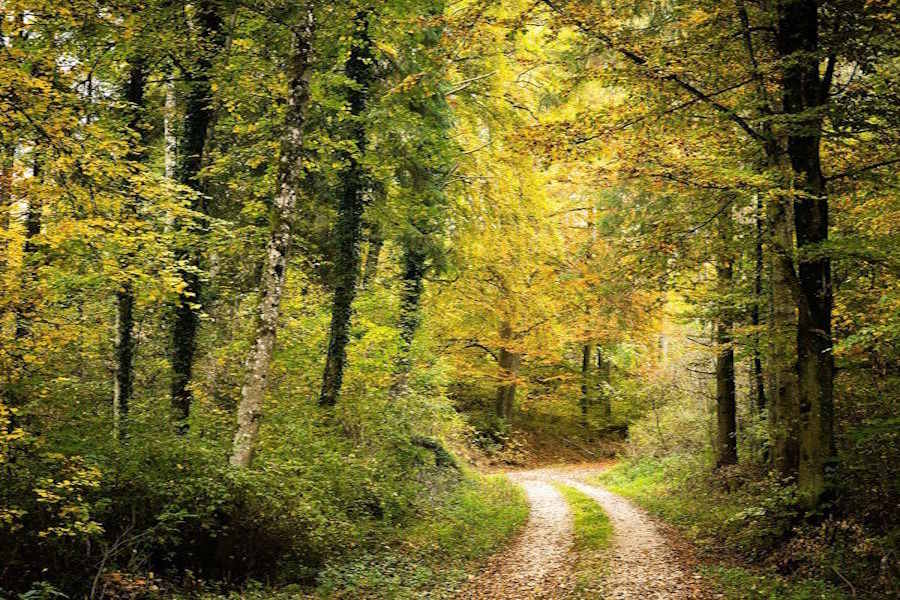
A broadleaved woodland type dominated by native deciduous trees typical of the English lowlands. It includes stands with oak, birch, field maple and other natives, with a shrub layer and a distinctive ground flora. It is a priority habitat and scores highly in the metric when well managed.
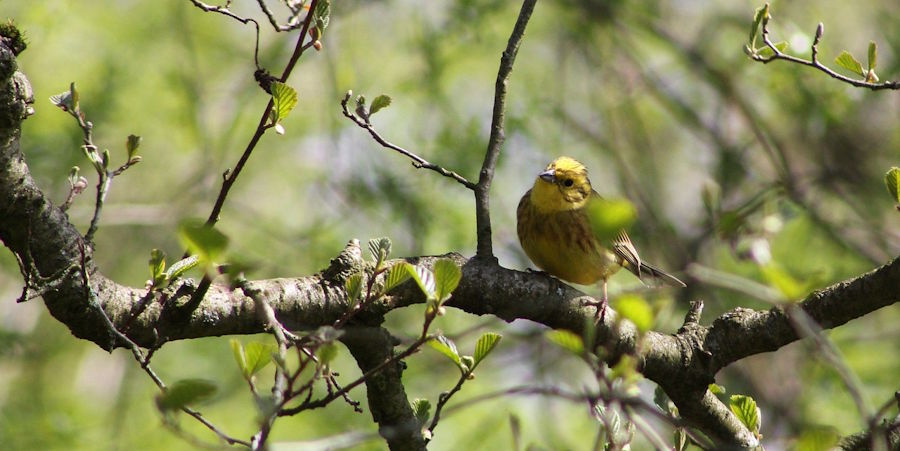
Mixed scrub is a habitat of dense or scattered shrubs, typically 1–5 metres tall, composed of a range of native woody species. It often develops as a transitional stage between grassland and woodland, or where land is left unmanaged. Scrub can form mosaics with grassland, woodland edges, or hedgerows, creating valuable structural diversity.
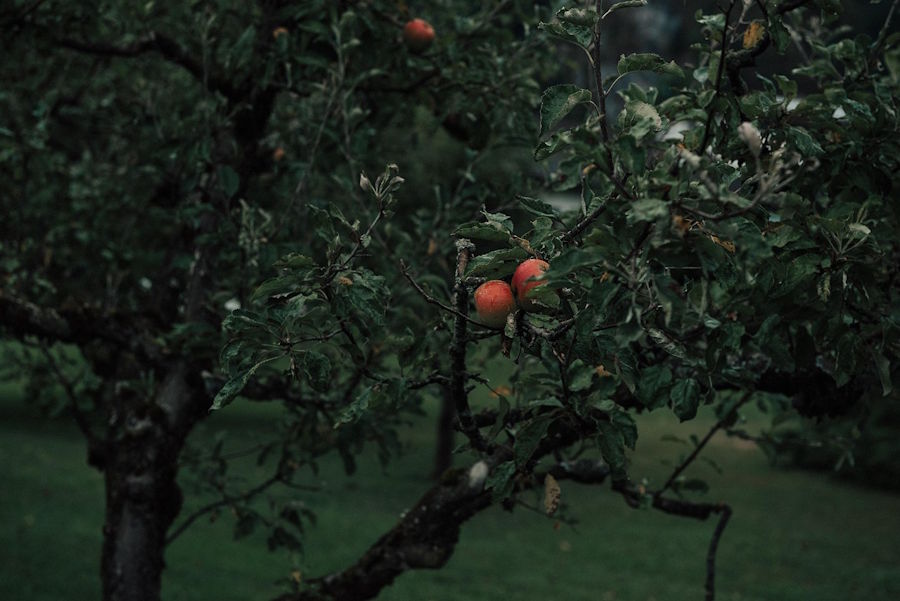
Traditional orchards are a mosaic habitat of fruit and nut trees set in permanent grassland, which is often grazed or cut for hay. Unlike modern intensive orchards, they are low-intensity systems with widely spaced, long-lived trees managed without chemicals or heavy machinery.
They combine veteran trees, deadwood, grassland sward, hedgerows, and sometimes ponds or scrub. This structural variety makes them rich for wildlife and distinct from commercial orchards.
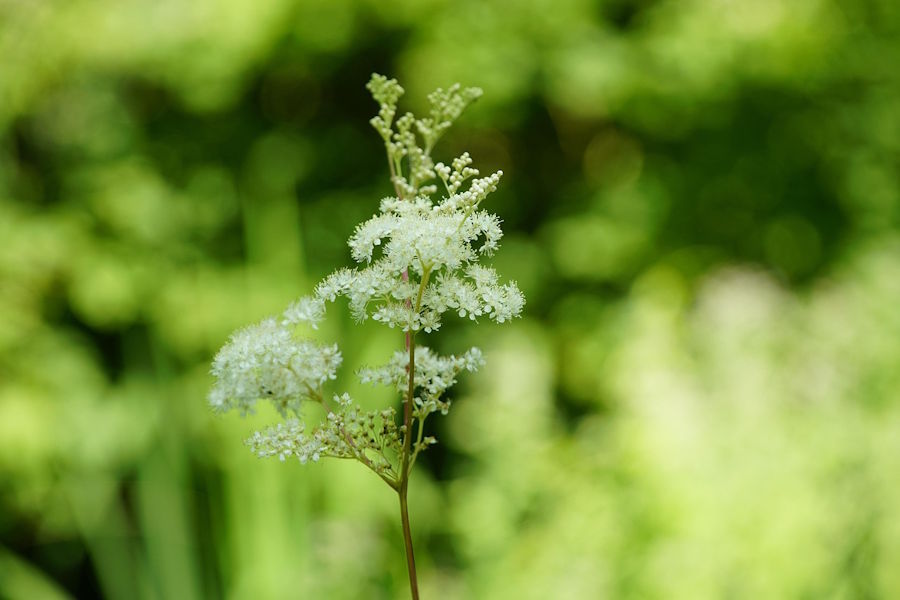
Lowland meadows are species-rich grasslands on neutral soils, characterised by a diverse mixture of native grasses and herbs. They are typically managed for hay cropping with aftermath grazing, or as permanent pasture under low-intensity grazing.
Lowland meadows are found across England and Wales but have undergone a dramatic decline, making them a UK priority habitat.
-after-a-period-of-heavy-rain-in-winter.jpeg)
Modified grassland is species-poor vegetation, usually with fewer than nine species per square metre. It is dominated by vigorous grasses and clovers on nutrient-enriched soils. The habitat is typically created by agricultural improvement, through reseeding, slurry, and heavy grazing or frequent mowing.
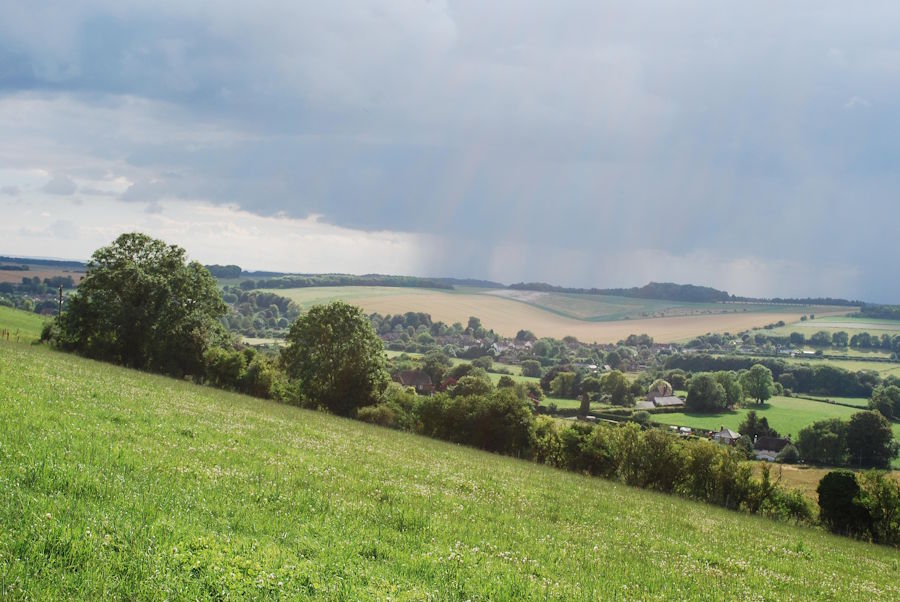
Other Neutral Grassland (ONG) is defined as neutral grassland that does not meet the criteria for Lowland Meadow or Upland Hay Meadow. It is defined by what it is not, rather than by its own distinctive species list.
ONG is often semi-improved, but can still be species-rich and ecologically valuable. It supports wildflowers and grasses typical of neutral conditions and is maintained by low-intensity cutting or grazing.
While it does not qualify as a priority habitat, it contributes to biodiversity, carbon storage, pollinator support, and landscape connectivity.