
Rural Tree BNG Units
Medium
Individual tree
Widespread across rural England in open countryside and farmland

Trusted by Developers and Landowners







What are Rural Trees?
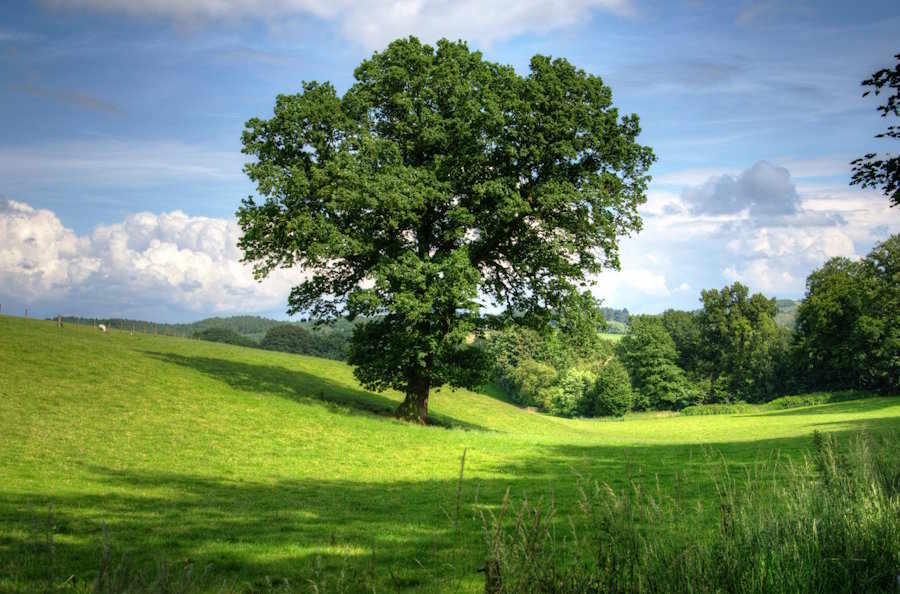
Rural trees are individual trees located in the open countryside that do not form part of woodland, hedgerow or wood-pasture habitats. They include isolated field trees, parkland trees, scattered trees in paddocks, and trees along rural roadsides or watercourses where they are not part of a continuous linear feature.
Ancient and veteran trees in rural locations are also recorded under this habitat type and are additionally flagged as irreplaceable habitat, meaning impacts should be avoided wherever possible.
Why It Matters for BNG
Rural trees carry medium distinctiveness units but can represent a significant biodiversity value due to their size, condition and long lifespan. Accurate identification and retention of rural trees is therefore critical for managing BNG risk on rural development sites.
Learn more about BNG for landowners →
PAINT.jpeg)
Where Are They Found?
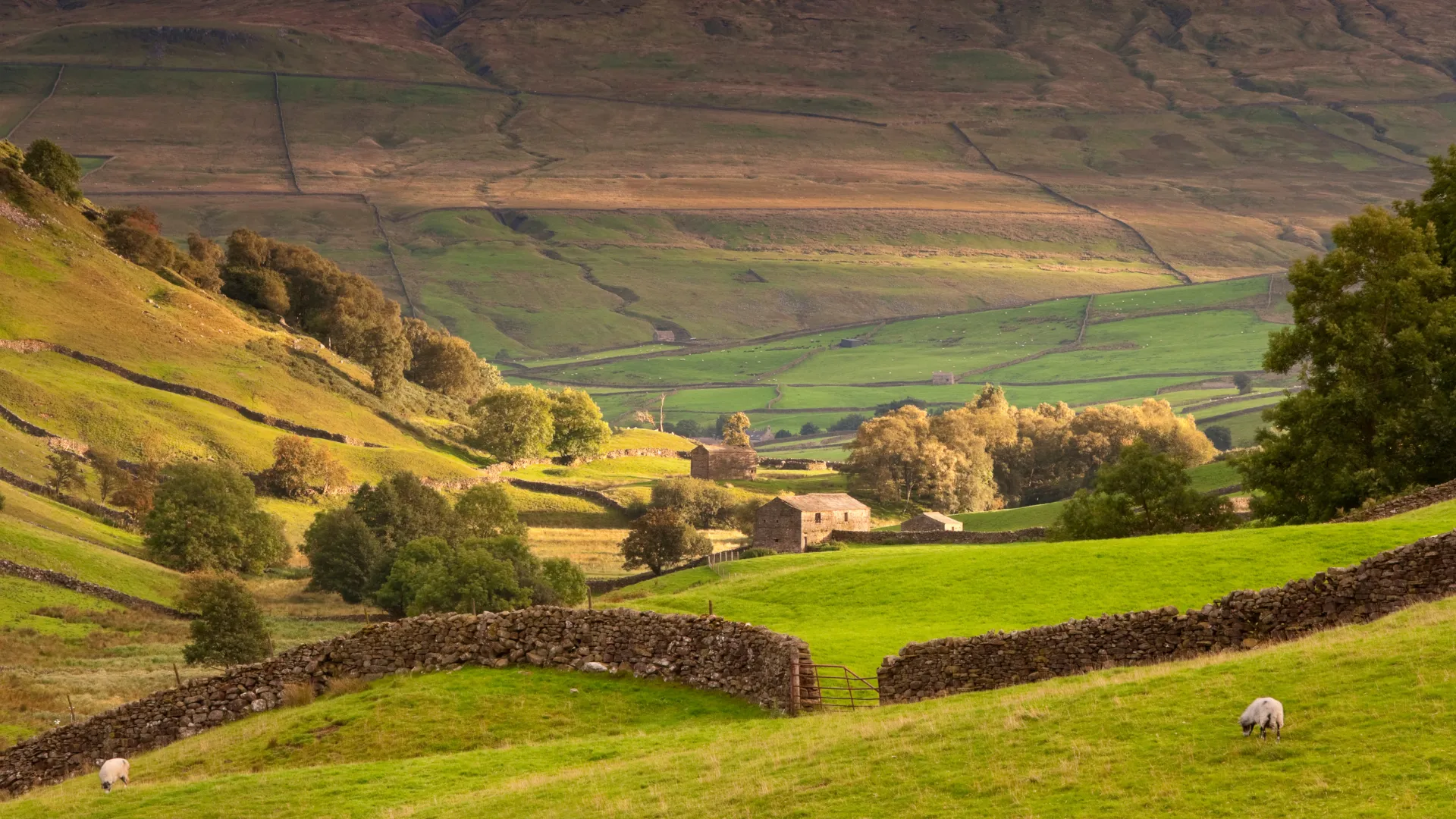
Rural trees occur throughout the countryside, including farmland, parkland, paddocks, rural roadsides, riparian corridors and open pasture. They are typically found outside urban areas and away from dense built development, where surrounding land use remains predominantly rural.
Soil & Site Requirements
Rural trees can occur on a wide range of soil types depending on species, but long-term viability requires adequate rooting space, permeable ground and protection from compaction. Maintaining semi-natural ground around the base of the tree supports both tree health and biodiversity value.
How New Rural Trees Are Created
Inputs
• Plant native tree species suitable for local soils and climate
• Provide adequate rooting volume and spacing
• Protect young trees from grazing and mechanical damage
• Avoid planting in heavily compacted or sealed ground
Management
• Allow trees to develop natural crown form
• Avoid routine heavy pruning or topping
• Inspect periodically to manage defects early
• Retain trees long term to allow maturity
Landscape
• Position trees within open countryside settings
• Integrate with pasture, grassland or scrub mosaics
• Maintain separation from woodland and hedgerows where required
How Existing Rural Trees Are Improved
Inputs
• Improve soil condition and rooting environment
• Reduce compaction around the base
• Introduce native understorey vegetation where appropriate
Management
• Prevent damage from vehicles, livestock and machinery
• Reduce excessive pruning and poor management practices
• Retain deadwood and veteran features where safe
Landscape
• Maintain semi-natural habitat beneath and around the tree
• Improve connectivity with surrounding habitats
• Protect trees from encroaching hard surfacing
Target Condition
Rural trees in their defined BNG condition should:
• Be healthy with a well-formed crown
• Show good structural integrity
• Have sufficient permeable rooting area
• Support ecological features such as cavities or deadwood
• Be appropriately managed with minimal damage
• Be suitable native or naturalised species for the location

The BNG Value of Rural Trees
• Distinctiveness: Medium
• Condition Potential: Can be uplifted through improved management and protection
• Restoration Pathway: Achieved by improving individual tree condition rather than habitat conversion
• Strategic Value: Retains landscape features critical to rural biodiversity networks
Species Typical of Rural Trees
Canopy or Primary Layer
• Oak species
• Ash
• Field maple (Acer campestre)
• Beech (Fagus sylvatica)
• Sycamore (Acer pseudoplatanus)
• Willow species
Shrub or Secondary Layer
• Hawthorn
• Hazel
• Elder (Sambucus nigra)
• Blackthorn (Prunus spinosa)
Ground Flora or Understorey
• Rough grassland and meadow species
• Native wildflowers where mowing is reduced
• Mosses and fungi associated with mature trees
.jpg)
.avif)
Frequently Asked Questions
What is a Rural tree?
A Rural Tree BNG Habitat is an individual tree in open countryside that is not part of woodland or hedgerow habitat.
How is BNG measured here?
Each tree is assessed individually using a DBH-based area equivalent, medium distinctiveness and condition score.
How can I achieve BNG?
By retaining and improving existing rural trees or planting suitable new trees in appropriate rural locations.
What is the BNG target condition?
Good condition, reflecting healthy structure, ecological features and long-term viability.
What management is required?
Protection from damage, reduced heavy pruning, and maintenance of a healthy rooting environment.
Exploring Other Habitats?
-.webp)
Arable field margins pollen and nectar are grass margins around arable fields sown with wildflowers and legumes managed specifically to provide pollen and nectar resources for invertebrates. The mix must include at least four nectar-rich flowering species and the margin is kept low-input and rotationally cut to maintain flowering through the season. The arable field must remain in a crop rotation including an arable crop.
Unlike wild bird seed margins, the management objective here is flowering continuity for pollinators rather than seed retention for birds. This habitat type sits within the Cropland broad habitat in the BNG metric and is classified separately from tussocky margins, cultivated margins and game bird mix.
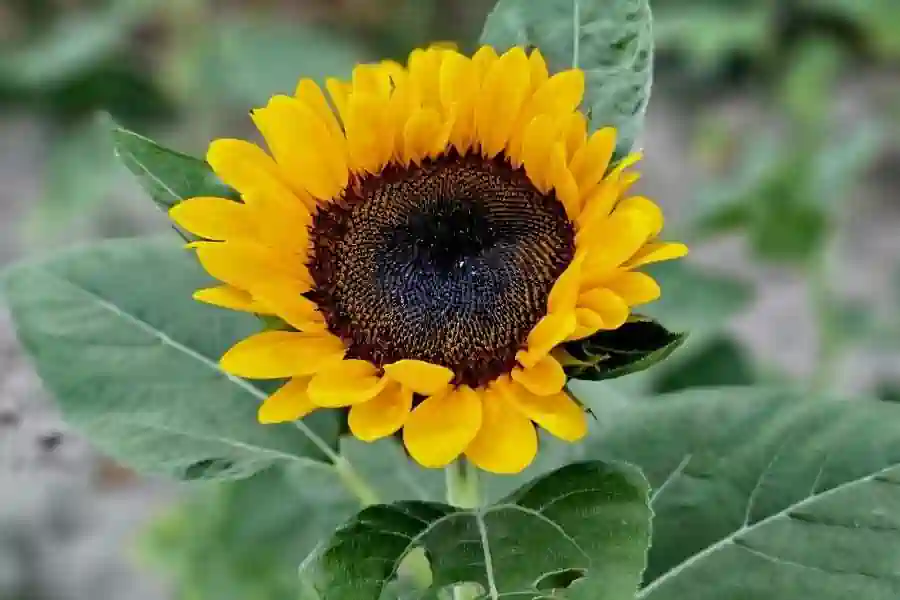
Arable field margins game bird mix are margins, strips, blocks or corners around arable fields sown with wild bird cover crops and left unharvested over winter so that seed produced by the plants remains available to farmland wildlife. The arable field must be in a crop rotation that includes an arable crop, such as wheat, barley, maize or oats, even if in certain years the field is in temporary grass, set-aside or fallow.
Mixes typically combine seed-bearing cereals, brassicas and oil-rich crops to provide food through the winter hungry gap and standing cover for gamebirds and declining farmland bird species.
Arable field margins cultivated annually are strips along the edges of arable fields, typically 2–12 metres wide, managed under a low-input regime to support annual arable plants. They are lightly cultivated each year, usually in late summer or autumn, without herbicide or fertiliser, creating the open, disturbed soil conditions that annual arable flora requires to germinate.
Ready to buy your units?
Easily buy your BNG units online today to ensure compliance and positive environmental impact.