
Upland Mixed Ashwoods BNG Units
High
Woodland and forest
Upland areas of northern and western England, particularly on base-rich soils


Trusted by Developers and Landowners







What is
Upland Mixed Ashwoods
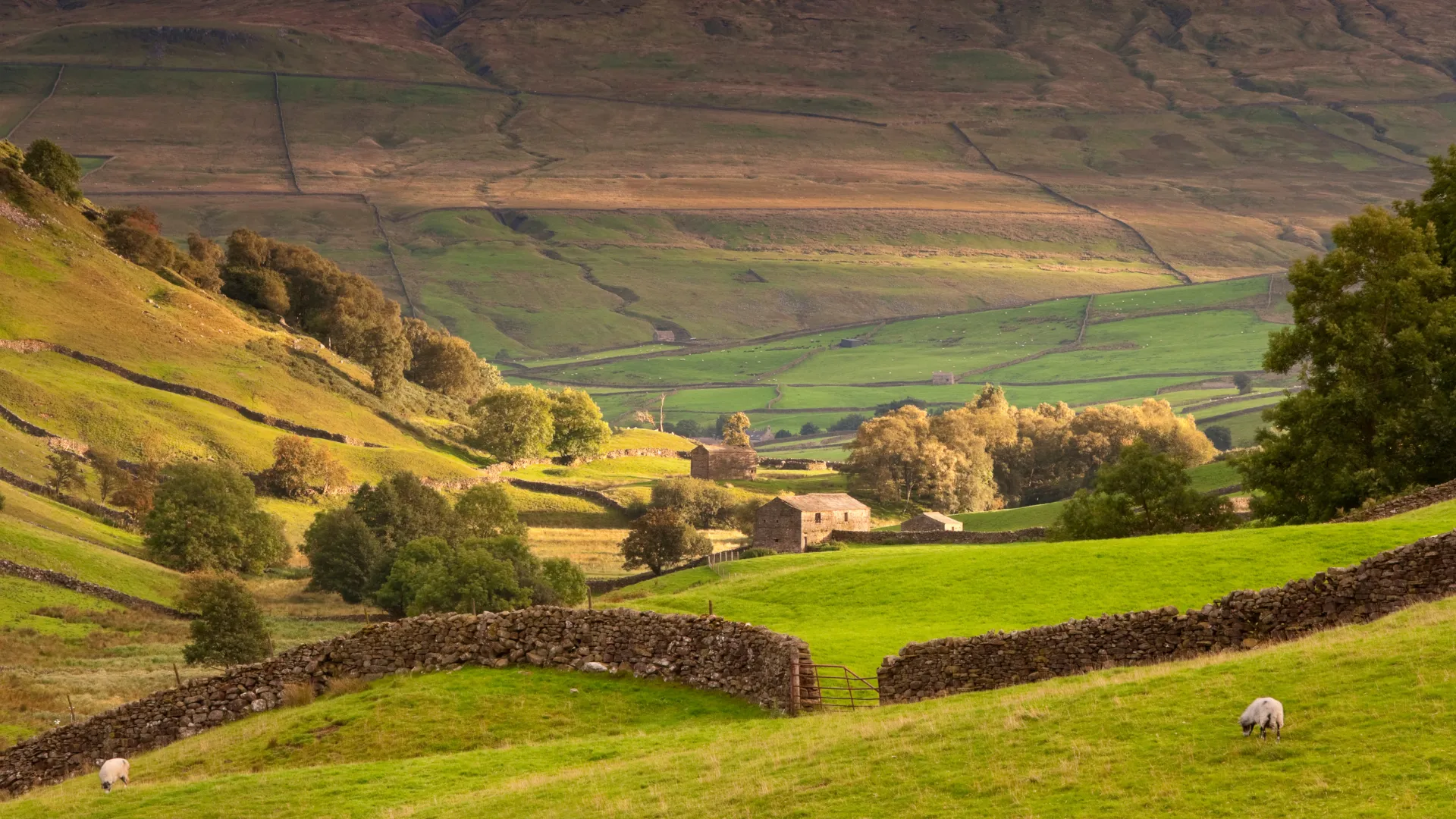
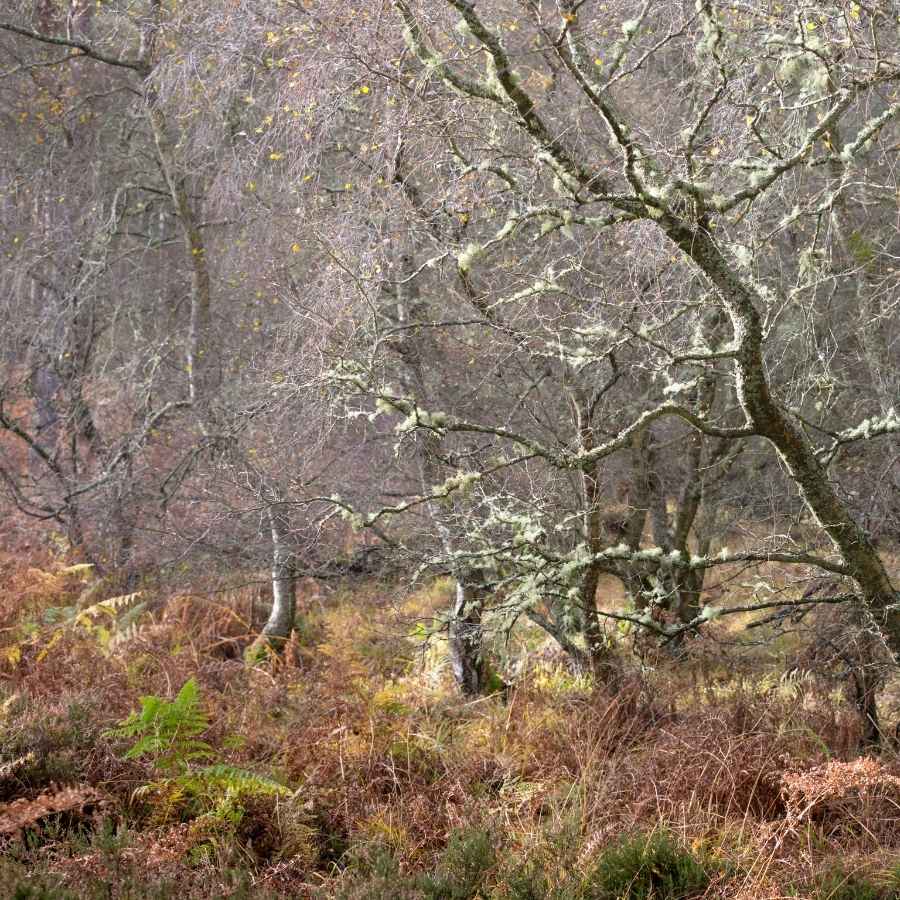
Upland mixed ashwoods are species-rich broadleaved woodlands found on base-rich soils in upland landscapes. They are typically dominated by ash, though locally oak, birch, wych elm, rowan, small-leaved lime or hazel may be prominent depending on site conditions.
These woodlands often develop on limestone and other calcareous substrates, including steep slopes, ravines, flushes and rocky outcrops. Many upland mixed ashwoods are ancient woodland, while others represent long-established secondary woodland that retains strong ecological continuity.
Why It Matters for BNG
Upland mixed ashwoods are a high distinctiveness priority woodland. Loss is subject to strict trading rules and normally requires like-for-like or higher replacement, making impacts difficult and costly to offset. Retention and buffering of existing ashwoods is often the most effective way to manage BNG risk on upland or limestone-influenced sites.
.jpg)
Where You'll Find It
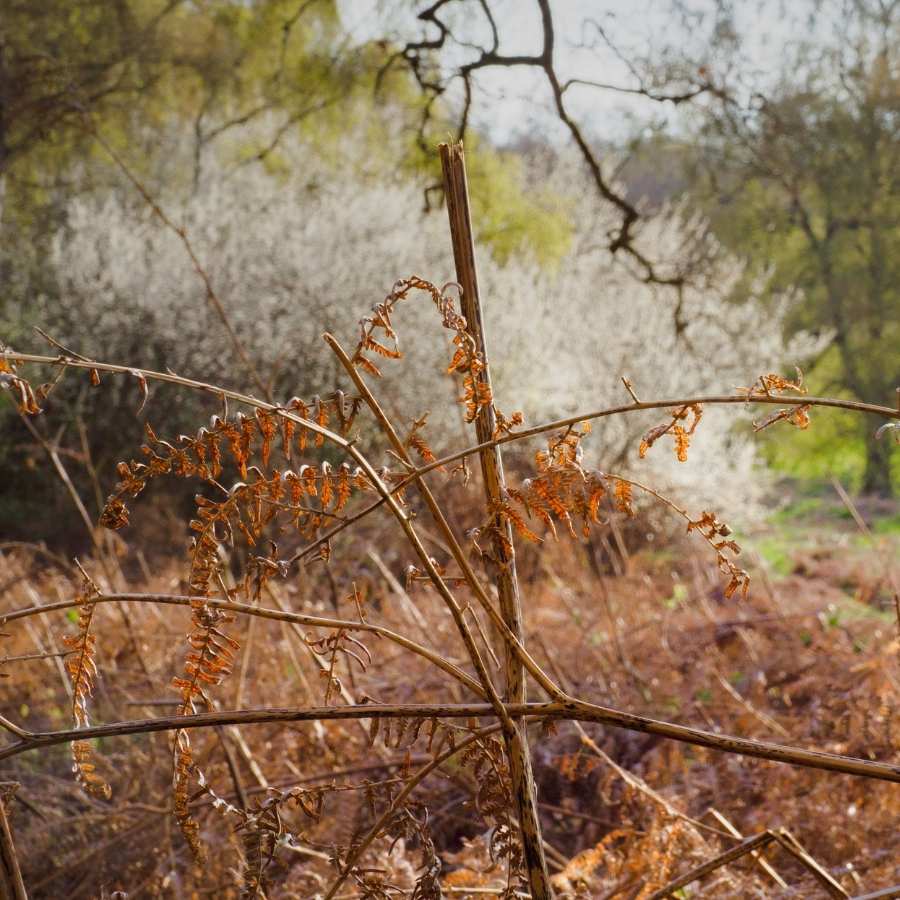
Upland mixed ashwoods occur across upland Britain and Northern Ireland, concentrated over limestone and calcareous substrates in areas such as the Derbyshire Dales, North Wales, the Pennines, and scattered northern limestone regions. They typically occupy ravines, valley sides, limestone pavements, and base-rich flushes, often in mosaic with calcareous grassland and rocky outcrops.
Soil & Site Requirements
Upland mixed ashwoods require base-rich or calcareous soils, typically over limestone, dolomite, or other alkaline bedrock. They can also develop on more acidic soils where base-rich water flushes through. Sites are often steep, rocky, or with shallow, well-drained soils, though some stands occur on damper ground with alder in wet flushes.
How New Upland Mixed Ashwoods Is Created
Inputs
• Retain or establish base-rich soil conditions
• Use locally appropriate native broadleaved species
• Avoid fertiliser, soil improvement or conifer planting
• Protect establishing trees from grazing
Management
• Encourage natural regeneration through small canopy gaps
• Control grazing pressure from livestock and deer
• Retain standing and fallen deadwood
• Avoid intensive forestry operations
Landscape
• Focus creation or expansion adjacent to existing ashwoods
• Link woodland to calcareous grassland and scrub
• Maintain natural woodland edges and transitions
How Existing Upland Mixed Ashwoods Is Improved
Inputs
• Reduce grazing pressure to allow regeneration
• Under-plant with appropriate native species where needed
• Remove or thin non-native conifers and invasive species
Management
• Promote mixed age structure and layered canopy
• Retain veteran trees and deadwood
• Manage ash dieback adaptively without wholesale removal
Landscape
• Buffer woodland edges with scrub or grassland
• Improve connectivity between woodland blocks
• Expand woodland onto suitable adjacent base-rich land
Target Condition
Upland mixed ashwoods in their defined BNG condition should:
• Be dominated by native broadleaved species typical of ashwood
• Show mixed age and height structure
• Support active natural regeneration
• Contain standing and fallen deadwood
• Support characteristic ashwood ground flora
• Have low invasive non-native species cover
• Be managed with minimal damaging disturbance

The BNG Value of
Upland Mixed Ashwoods
• Distinctiveness: High
• Condition Potential: Moderate to high where grazing and regeneration are managed
• Restoration Pathway: Enhancement of existing woodland rather than new creation
• Strategic Value: Key habitat for upland woodland networks and limestone landscapes
Species Typical of
Upland Mixed Ashwoods
Canopy or Primary Layer
• Ash (Fraxinus excelsior)
• Wych elm (Ulmus glabra)
• Small-leaved lime (Tilia cordata)
• Oak species (Quercus spp.)
• Birch (Betula spp.)
• Rowan (Sorbus aucuparia)
Shrub or Secondary Layer
• Hazel (Corylus avellana)
• Hawthorn
• Holly
• Guelder rose
• Yew in some stands
Ground Flora or Understorey
• Dog’s-mercury
• Ramsons
• Herb-Paris
• Wood crane’s-bill
• Solomon’s-seal
• Ferns, bryophytes and calcareous mosses
.jpg)
.avif)
Frequently Asked Questions
What is Upland Mixed Ashwood?
Upland Mixed Ashwood is a priority broadleaved woodland found on base-rich upland soils, often ancient and species rich.
How is BNG measured here?
By area, high distinctiveness and woodland condition score using the Statutory Biodiversity Metric.
How can I achieve BNG?
Primarily through enhancement of existing ashwoods by improving structure, regeneration and species composition.
What is the BNG target condition?
Moderate to Good condition, reflecting structurally diverse, regenerating woodland.
What management is required?
Grazing control, retention of deadwood, invasive species management and adaptive response to ash dieback.
Exploring Other Habitats?
Rural Tree
Rural trees are individual trees located in the open countryside that do not form part of woodland, hedgerow or wood-pasture habitats. They include isolated field trees, parkland trees, scattered trees in paddocks, and trees along rural roadsides or watercourses where they are not part of a continuous linear feature.
Ancient and veteran trees in rural locations are also recorded under this habitat type and are additionally flagged as irreplaceable habitat, meaning impacts should be avoided wherever possible.
Upland Mixed Ashwoods
Upland mixed ashwoods are species-rich broadleaved woodlands found on base-rich soils in upland landscapes. They are typically dominated by ash, though locally oak, birch, wych elm, rowan, small-leaved lime or hazel may be prominent depending on site conditions.
These woodlands often develop on limestone and other calcareous substrates, including steep slopes, ravines, flushes and rocky outcrops. Many upland mixed ashwoods are ancient woodland, while others represent long-established secondary woodland that retains strong ecological continuity.
Ponds (Non-Priority Habitat)
Non-priority ponds are small standing waterbodies, generally up to two hectares in size, that do not meet the priority pond criteria but still function as semi-natural freshwater habitats. Non-priority ponds include many farm ponds, estate ponds, attenuation ponds with natural features, and older field ponds that support aquatic and marginal vegetation but lack the exceptional species assemblages required for priority status.
Ready to buy your units?
Easily buy your BNG units online today to ensure compliance and positive environmental impact.