
Ponds (Non-Priority Habitat) BNG Units
Medium
Lakes
Very widespread; farmland, gardens, parks, villages across England


Trusted by Developers and Landowners







What is
Ponds (Non-Priority Habitat)
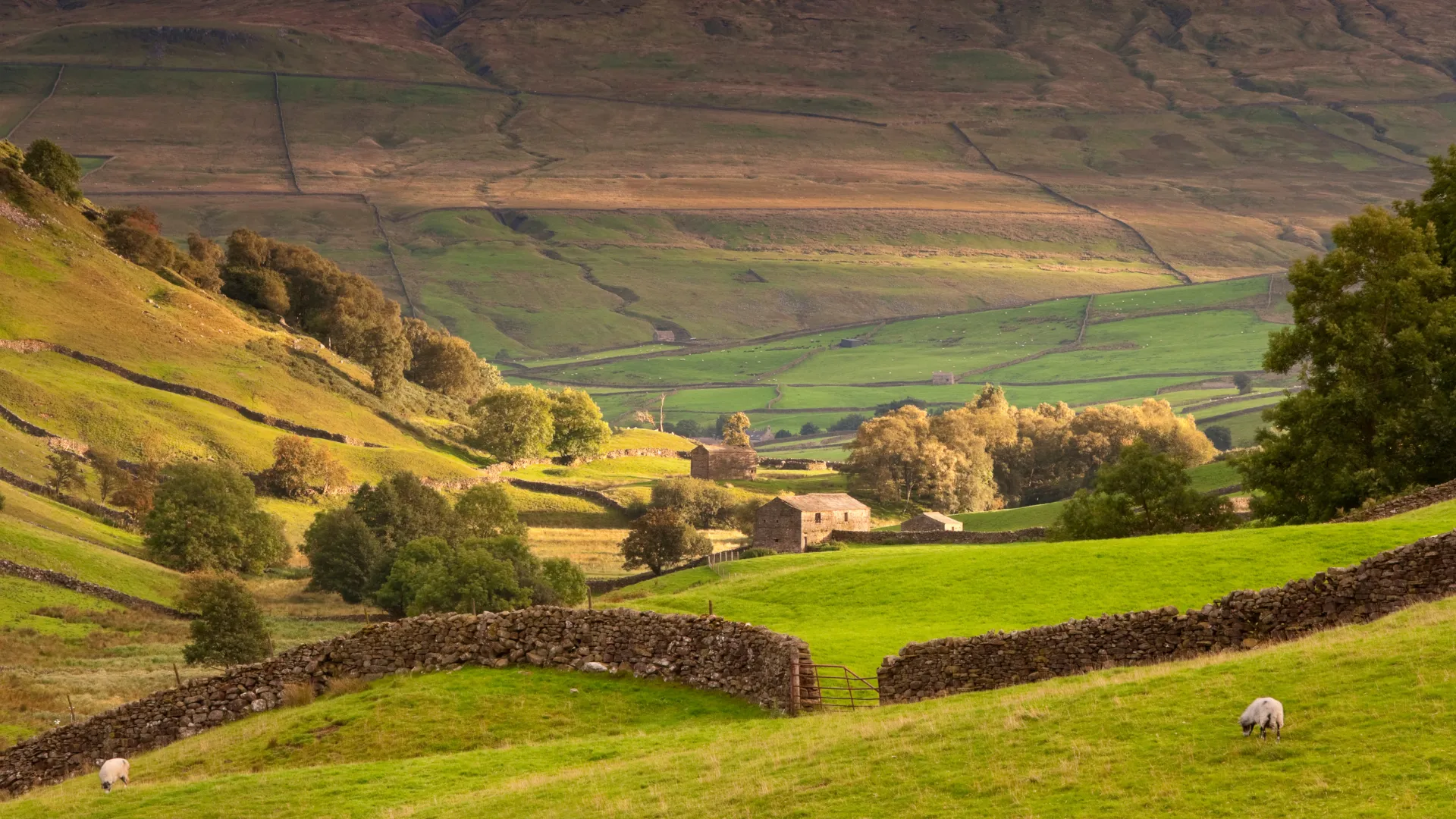
Non-priority ponds are small standing waterbodies, generally up to two hectares in size, that do not meet the priority pond criteria but still function as semi-natural freshwater habitats. Non-priority ponds include many farm ponds, estate ponds, attenuation ponds with natural features, and older field ponds that support aquatic and marginal vegetation but lack the exceptional species assemblages required for priority status.
Why It Matters for BNG
Non-priority ponds count as medium-value habitat in BNG calculations. Keeping them on-site avoids the cost and complexity of replacing them or buying biodiversity credits. Retaining existing ponds in good condition is the simplest route to meeting your BNG obligations.
.jpg)
Where You'll Find It
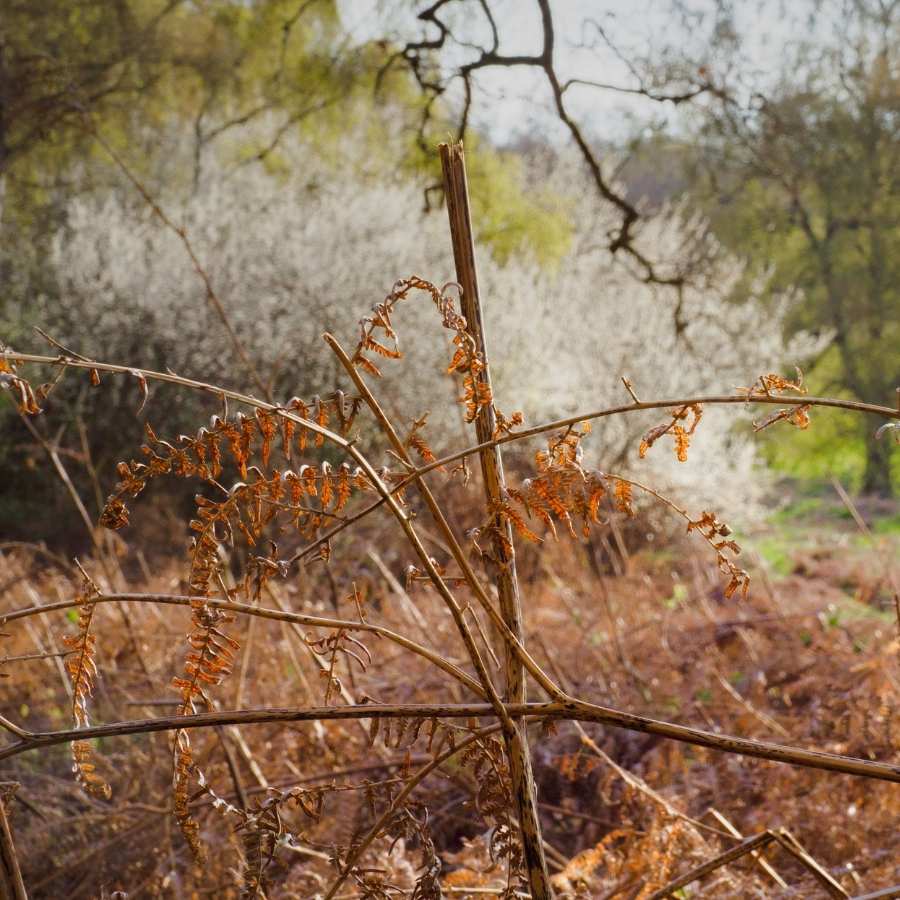
Non-priority ponds occur in lowland agricultural areas, parkland, residential settings, and post-industrial sites. They're typically found in field corners, woodland edges, or designed into landscaping schemes. Unlike priority ponds, they can tolerate moderate disturbance and don't require pristine water quality or rare species assemblages.
How New Ponds (Non-Priority Habitat) Is Created
Inputs
• Confirm hydrology through soil testing and groundwater mapping
• Excavate with irregular shoreline and varied depth zones (0.5–2m)
• Use locally sourced clay to line if substrate won't hold water
• Plant native aquatic and marginal species around edges
• Allow natural colonisation from seed bank and nearby waterbodies
Management
• Monitor for invasive species and remove immediately
• Maintain 30–50% open water by managing excessive vegetation
• Avoid fish stocking—fish reduce invertebrate and amphibian populations
• Establishment typically takes 2–5 years
Landscape
• Position ponds near existing waterbodies to aid natural colonisation
• Create pond networks rather than isolated features where possible
• Establish buffer zones (minimum 10m) to filter runoff
• Site away from pollution sources and heavy shading
How Existing Ponds (Non-Priority Habitat) Is Improved
Inputs
• Remove siltation through controlled dredging during autumn/winter
• Retain at least 50% of pond area undisturbed during works
• Control invasive species through manual removal and ongoing monitoring
• Avoid introducing topsoil or fertiliser
Management
• Cut back excessive emergent plants to maintain 30–50% open water
• Remove invasive species immediately when detected
• Protect shallow margins and gently sloping edges for wildlife access
• Intervene gradually to retain habitat continuity
Landscape
• Establish or improve buffer zones to reduce agricultural runoff
• Create habitat features such as log piles and marginal scrapes
• Link ponds through adjacent rough grassland or hedgerows
• Position enhancement where long-term management can be secured
Target Condition
Ponds (Non-Priority Habitat) in medium and good condition should:
• Clear to moderately clear water, not heavily silted or eutrophic
• Mix of submerged, floating, and emergent plants with 30–70% open water
• Vegetated banks with gradual gradient, no hard edges or erosion
• No visible contamination, algal blooms, or dumped waste
• Range of native aquatic plants with invertebrates and amphibians present
• Evidence of appropriate intervention such as silt removal and invasive species control

The BNG Value of
Ponds (Non-Priority Habitat)
• Distinctiveness: Medium
• Condition Potential: Can be maintained or enhanced through silt management, vegetation control, and invasive species removal
• Restoration Pathway: Recognised outcome where appropriate pond management is restored or secured
• Strategic Value: Supports aquatic ecological networks and provides habitat for invertebrates, amphibians, and waterfowl
Species Typical of
Ponds (Non-Priority Habitat)
Aquatic and Open-Water Species
• Pondweeds (Potamogeton species)
• Water starworts (Callitriche species)
• Duckweeds (Lemna species)
Emergent or Marginal Vegetation
• Reedmace (Typha latifolia)
• Sedges (Carex species)
• Rushes (Juncus species)
• Yellow flag iris (Iris pseudacorus)
Bankside and Surrounding Vegetation
• Damp grassland species
• Native marginal grasses and forbs
.jpg)
.avif)
Frequently Asked Questions
What is a non-priority pond?
A small standing waterbody that does not meet priority habitat criteria but still functions as a semi-natural freshwater habitat.
How is BNG measured here?
By area, medium distinctiveness and condition score using the Lakes module of the Statutory Biodiversity Metric.
How can I achieve BNG?
Through retention, creation or enhancement of ponds, focusing on water quality, vegetation structure and natural margins.
What is the BNG target condition?
Good condition, with clear water, diverse vegetation and limited artificial modification.
What management is required?
Ongoing management to maintain water quality, control invasive species and avoid intensive engineering or fish stocking.
Exploring Other Habitats?
Rural Tree
Rural trees are individual trees located in the open countryside that do not form part of woodland, hedgerow or wood-pasture habitats. They include isolated field trees, parkland trees, scattered trees in paddocks, and trees along rural roadsides or watercourses where they are not part of a continuous linear feature.
Ancient and veteran trees in rural locations are also recorded under this habitat type and are additionally flagged as irreplaceable habitat, meaning impacts should be avoided wherever possible.
Upland Mixed Ashwoods
Upland mixed ashwoods are species-rich broadleaved woodlands found on base-rich soils in upland landscapes. They are typically dominated by ash, though locally oak, birch, wych elm, rowan, small-leaved lime or hazel may be prominent depending on site conditions.
These woodlands often develop on limestone and other calcareous substrates, including steep slopes, ravines, flushes and rocky outcrops. Many upland mixed ashwoods are ancient woodland, while others represent long-established secondary woodland that retains strong ecological continuity.
Ponds (Non-Priority Habitat)
Non-priority ponds are small standing waterbodies, generally up to two hectares in size, that do not meet the priority pond criteria but still function as semi-natural freshwater habitats. Non-priority ponds include many farm ponds, estate ponds, attenuation ponds with natural features, and older field ponds that support aquatic and marginal vegetation but lack the exceptional species assemblages required for priority status.
Ready to buy your units?
Easily buy your BNG units online today to ensure compliance and positive environmental impact.