
Native Species-Rich Hedgerow with Trees BNG Units
High
Hedgerows and Lines of trees

Trusted by Developers and Landowners







What are Native Species-Rich Hedgerows with Trees?
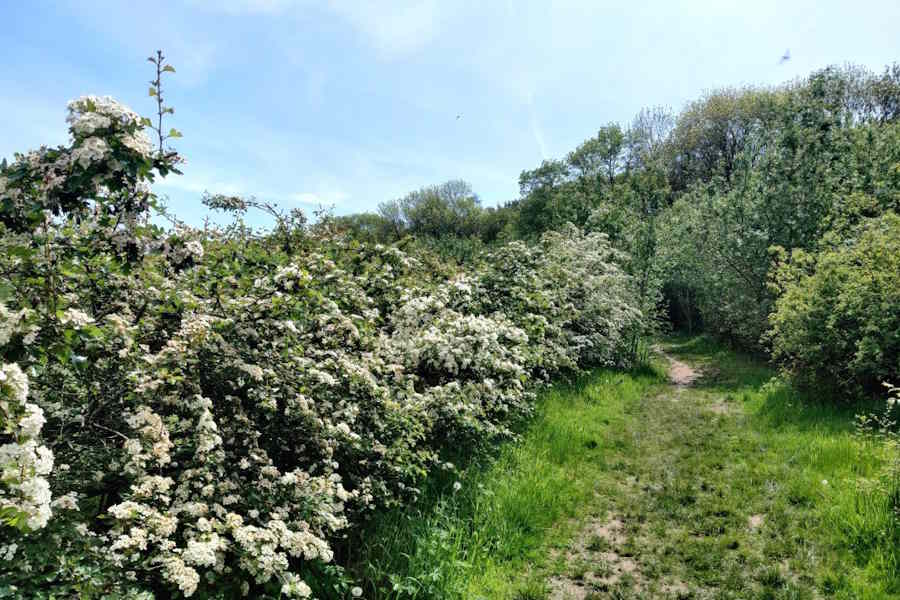
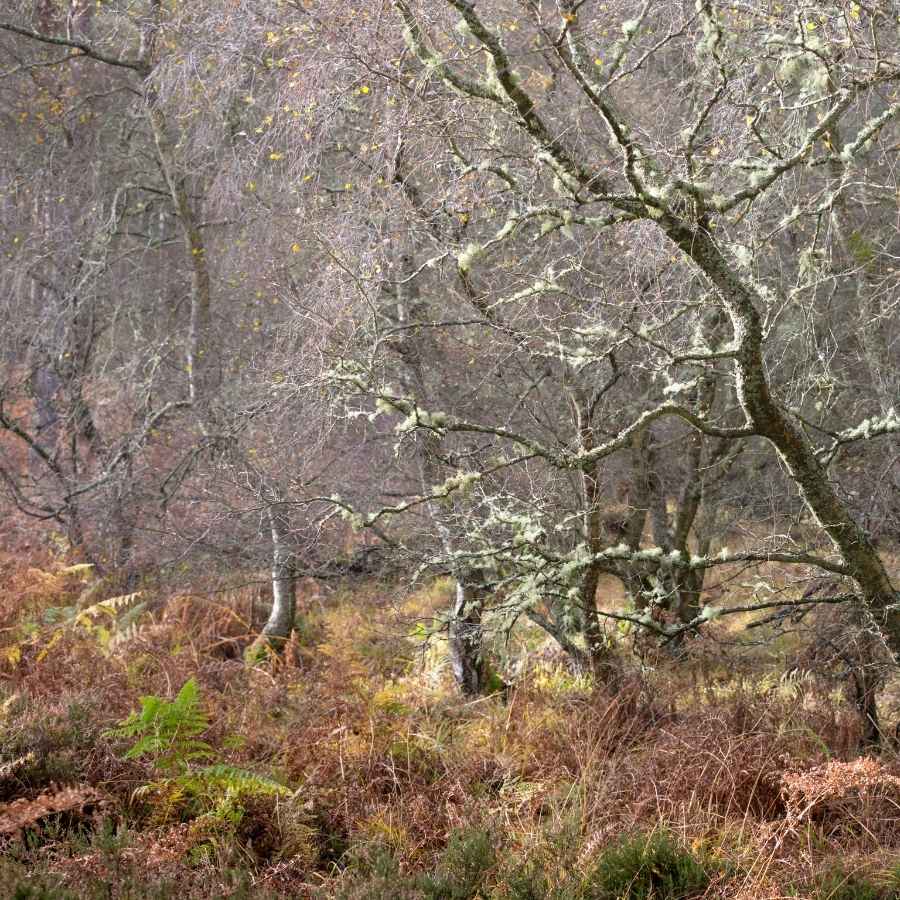
Hedgerows are linear boundaries of shrubs or trees over 20m long and less than 5m wide, with gaps no greater than 20m. A native species-rich hedgerow contains at least 80% cover of native woody species, and is defined as “with trees” where standard trees are present along its length.
These hedgerows combine shrub structure, tree canopy, herbaceous margins, and associated features such as banks, ditches, and veteran standards. They are one of the most important farmland habitats, supporting birds, bats, dormice, pollinators, and providing food, shelter, and corridors for wildlife.
Why It Matters for BNG
Species rich hedgerows with trees contribute to linear habitat units and support connectivity across development sites. They help satisfy hedgerow trading rules within the metric.
Landowners can improve hedgerows through gapping up, coppicing and tree establishment. Well managed hedgerows generate consistent BNG units and strengthen farm biodiversity.
Where Do They Occur?
Hedgerows are found across England but are most dense in the lowlands. They vary regionally:
• Devon and Cornwall: hedges often on earth or stone-faced banks
• Exmoor and Quantocks: beech hedges
• Herefordshire: damson hedges
• South East: fewer trees, larger field patterns
Overall, there are more than 550,000 km of hedgerows in England, over 400,000 km actively managed.
How New Native Species-Rich Hedgerows with Trees Are Created
Inputs
• Plant a mix of at least 5 native shrub species (e.g. hawthorn, blackthorn, hazel, field maple, dogwood) with 80%+ native composition.
• Establish hedgerow trees at irregular intervals, using species such as oak, ash (limited by disease), field maple, or crab apple.
• Include climbing plants such as bramble and honeysuckle, which are integral to hedgerow ecology.
• Use local or regional provenances where possible to support resilience.
Management
• Protect young hedges from grazing and browsing until established.
• Gap-up where necessary to maintain continuity, avoiding breaks longer than 20m.
• Cut on a rotation of 2–3 years, outside the bird breeding season, and favour winter cutting to retain berries for wildlife.
• Maintain a varied structure: some hedges tall and wide, others laid or coppiced.
Landscape
• Plant new hedges to connect existing hedgerow networks, woodlands, or other semi-natural habitats.
• Retain margins or buffer strips on both sides to reduce nutrient or pesticide drift.
• Use hedgerows with trees as corridors in farmed landscapes, linking across fields and valleys.
How Existing Hedgerows with Trees Are Improved
Inputs
• Gap-up with native species where lines are broken.
• Re-introduce standard trees to hedges lacking them, aiming for diverse age classes.
• Remove invasive non-native shrubs where present.
Management
• Shift to rotational or sympathetic cutting regimes to create structural diversity.
• Lay or coppice neglected hedges to restore dense growth from the base.
• Protect regenerating trees and shrubs from livestock and deer.
• Increase the amount and diversity of veteran trees and standing deadwood.
Landscape
• Reinforce connectivity by restoring hedges along historic boundaries.
• Create uncultivated buffer strips to shield hedgerows from agricultural impacts.
• Integrate hedgerows into field margins, ditches, and other linear features for maximum habitat value.
Target Condition
Native species-rich hedgerow with trees in Good condition will show:
• More than 80% cover of native woody species
• At least 5 native woody species in a 30m length
• Standard trees present at irregular intervals, with diverse age structure
• Less than 10% gaps, none greater than 20m
• Evidence of appropriate management (rotational cutting, laying, coppicing)
• Base of the hedge unbroken and not heavily shaded or over-managed
• Adjacent margins managed to reduce nutrient and pesticide drift

The BNG Value of Native Species-Rich Hedgerow with Trees
• Distinctiveness: High
• Condition potential: Strong, especially where managed sympathetically and buffered from agriculture
• Connectivity: Exceptional, providing corridors across intensively farmed landscapes
• Climate services: Store carbon in woody biomass, act as windbreaks, regulate microclimate, and buffer soils
• Time to target condition: 15 years for Moderate, 30+ years for Good
Species Typical of Native Species-Rich Hedgerows with Trees
🌳 Trees
• Oak (Quercus robur)
• Ash (Fraxinus excelsior) [now reduced by ash dieback]
• Field maple (Acer campestre)
• Crab apple (Malus sylvestris)
🌿 Shrubs
• Hawthorn (Crataegus monogyna)
• Blackthorn (Prunus spinosa)
• Hazel (Corylus avellana)
• Dogwood (Cornus sanguinea)
• Spindle (Euonymus europaeus)
🌱 Climbers and field layer
• Bramble (Rubus fruticosus)
• Honeysuckle (Lonicera periclymenum)
• Cow parsley (Anthriscus sylvestris)
• Hedge bedstraw (Galium mollugo)
🐦 Wildlife
• Dormouse (Muscardinus avellanarius)
• Brown hairstreak butterfly (Thecla betulae)
• Tree sparrow (Passer montanus)
• Bats using linear corridors
.jpg)
.avif)
Frequently Asked Questions
What are Native Species-Rich Hedgerow with Trees?
A linear feature composed of at least five native shrub/tree species per 30m length, containing standard trees spaced along its length. It is a key priority habitat.
How is BNG measured here?
Measured in linear metres. The condition score is based on the hedgerow's width, height, density (gappiness), the number of associated trees, and the quality of the base/verge.
How can I achieve BNG?
Enhancement (e.g., gapping-up, laying, coppicing, changing cutting cycles, planting standard trees) or Creation of new species-rich hedgerows, planted with native trees.
What is the BNG target condition?
A Good condition is achieved when the hedge is dense and bushy from base to top, has few gaps, is at least 2m wide, and is managed on a rotation (e.g., 2-3 years) rather than annually.
What management is required?
Managing the cutting cycle to allow for flowering and fruiting, laying/coppicing on rotation to maintain density, and protecting the associated standard trees.
Exploring Other Habitats?
-.webp)
Arable field margins pollen and nectar are grass margins around arable fields sown with wildflowers and legumes managed specifically to provide pollen and nectar resources for invertebrates. The mix must include at least four nectar-rich flowering species and the margin is kept low-input and rotationally cut to maintain flowering through the season. The arable field must remain in a crop rotation including an arable crop.
Unlike wild bird seed margins, the management objective here is flowering continuity for pollinators rather than seed retention for birds. This habitat type sits within the Cropland broad habitat in the BNG metric and is classified separately from tussocky margins, cultivated margins and game bird mix.
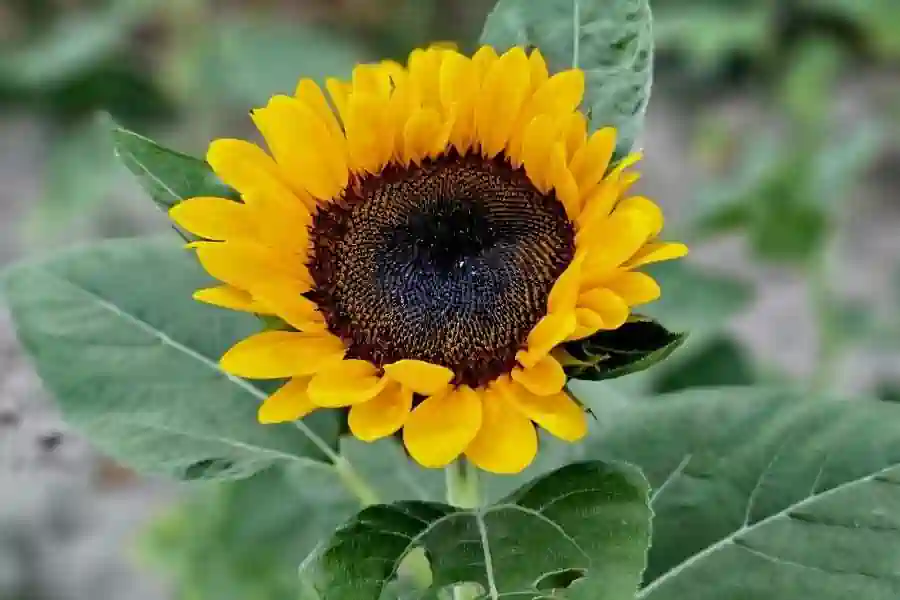
Arable field margins game bird mix are margins, strips, blocks or corners around arable fields sown with wild bird cover crops and left unharvested over winter so that seed produced by the plants remains available to farmland wildlife. The arable field must be in a crop rotation that includes an arable crop, such as wheat, barley, maize or oats, even if in certain years the field is in temporary grass, set-aside or fallow.
Mixes typically combine seed-bearing cereals, brassicas and oil-rich crops to provide food through the winter hungry gap and standing cover for gamebirds and declining farmland bird species.
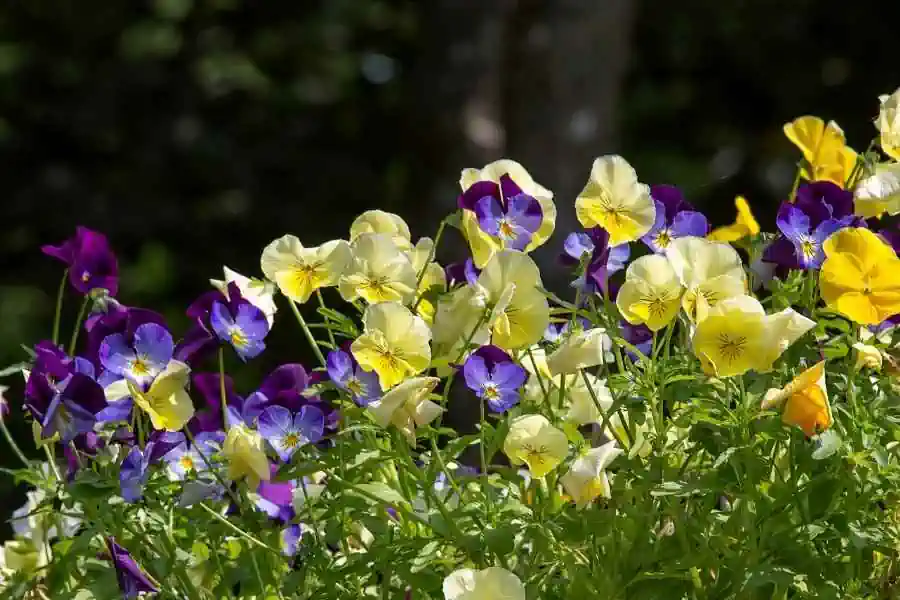
Arable field margins cultivated annually are strips along the edges of arable fields, typically 2–12 metres wide, managed under a low-input regime to support annual arable plants. They are lightly cultivated each year, usually in late summer or autumn, without herbicide or fertiliser, creating the open, disturbed soil conditions that annual arable flora requires to germinate.
Ready to buy your units?
Easily buy your BNG units online today to ensure compliance and positive environmental impact.