
Ponds (Priority Habitat) BNG Units
High
Lakes
Widespread across England where qualifying criteria are met


Trusted by Developers and Landowners







What is
Ponds (Priority Habitat)
Priority ponds are small standing waterbodies, generally up to two hectares in size. They include ponds that support important species, exceptional plant or invertebrate assemblages, or high-quality pond types, as well as ponds with particular landscape or geomorphological significance.
What distinguishes a priority pond is not age or appearance, but ecological function. A pond may qualify because it supports rare or declining species, contains an unusually rich aquatic plant community, maintains high water quality, or forms part of an important pond network within the landscape. Some priority ponds are ancient features, while others are relatively recent ponds that have developed high ecological value through appropriate design and management.
Why It Matters for BNG
Priority ponds deliver high distinctiveness habitat units and are subject to strict trading rules. Loss typically requires like for like replacement or better, making avoidance and retention a key consideration in site design. Where creation or enhancement is secured, priority ponds can deliver substantial biodiversity units within a relatively small area.
Learn more about BNG for landowners →
.jpg)
Where You'll Find It
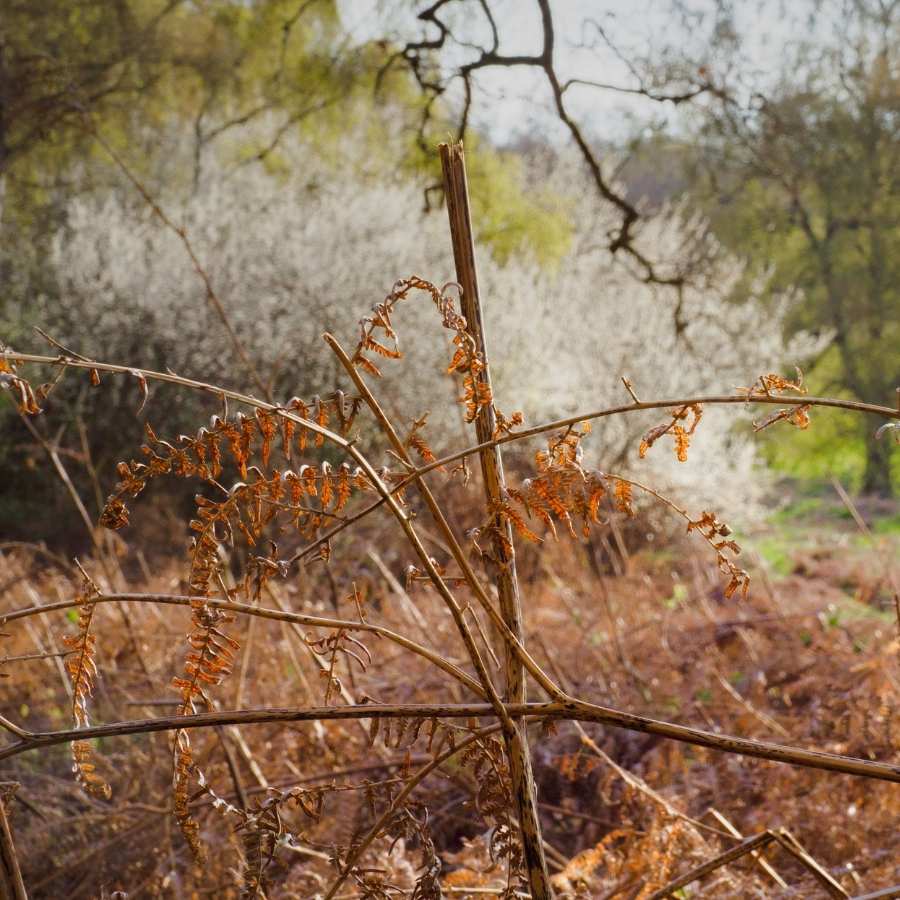
Priority ponds occur across England in both rural and urban landscapes. They are found on farmland, commons, floodplains, former mineral sites, brownfield land and within larger wetland complexes. Some are ancient features, while others are more recent ponds that have developed high ecological quality through suitable design and management.
Soil & Site Requirements
Priority ponds form in a variety of soil types depending on landscape context, including clay, silt, sand, peat and marl. Maintaining natural hydrology, good water quality and soft, varied margins is essential. Avoid drainage, excessive shading or artificial lining that would reduce ecological function.
How New Ponds (Priority Habitat) Is Created
Inputs
• Create standing water bodies up to two hectares with natural profiles
• Design soft, gently sloping banks and shallow drawdown zones
• Allow natural colonisation or introduce native aquatic and marginal plants
• Protect water quality by avoiding nutrient inputs and pollution
Management
• Maintain natural water level fluctuations
• Prevent excessive shading from surrounding trees
• Control invasive non-native species
• Avoid intensive stocking, lining or hard engineering
Landscape
• Position ponds within wider wetland or freshwater networks
• Create clusters or networks of ponds where possible
• Integrate ponds with grassland, scrub or wetland habitats
How Existing Ponds (Priority Habitat) Is Improved
Inputs
• Remove hard engineered edges where feasible
• Improve marginal and aquatic planting using native species
• Reduce excessive shading from trees or scrub
• Address sources of nutrient enrichment or pollution
Management
• Maintain good water quality through runoff control
• Avoid artificial fish stocking
• Control invasive non-native species
• Retain natural water level fluctuations
Landscape
• Link ponds to ditches, scrapes and wet grassland
• Improve connectivity within wider wetland networks
• Manage ponds as part of a catchment scale approach
Target Condition
Priority ponds in their defined BNG condition should:
• Retain a natural or near-natural shoreline with gently sloping, unengineered margins
• Support a diverse mix of submerged, floating, emergent and marginal vegetation
• Maintain good water quality, with no evidence of gross pollution or persistent algal blooms
• Avoid artificial lining, excessive hard engineering or formal landscaping
• Have low cover of invasive non-native species
• Allow natural water level variation, including drawdown zones where appropriate
• Be managed without artificial fish stocking or with only low-density native fish

The BNG Value of
Ponds (Priority Habitat)
• Distinctiveness: High
• Condition Potential: Can be uplifted from poor to good through water quality improvement and habitat management
• Restoration Pathway: Recognised outcome where ponds meet UK priority habitat criteria
• Strategic Value: Delivers high value biodiversity units within small areas and supports wider wetland networks
Species Typical of
Ponds (Priority Habitat)
Aquatic and open-water species
• Water violet (Hottonia palustris)
• Frogbit (Hydrocharis morsus-ranae)
• Broad-leaved pondweed and other Potamogeton
• Water starworts
Emergent / marginal vegetation
• Common reed (Phragmites australis)
• Reedmace
• Bulrushes
• Sedges
• Marsh marigold (Caltha palustris)
Bankside and associated wetland flora
• Meadowsweet (Filipendula ulmaria)
• Water mint
• Purple loosestrife
.jpg)
.avif)
Frequently Asked Questions
What is Ponds (Priority Habitat)?
Ponds (Priority Habitat) are small standing waterbodies, usually up to two hectares, that meet UK priority habitat criteria due to high ecological quality, important species, or exceptional plant or invertebrate assemblages.
How is BNG measured here?
BNG is measured by pond area, high distinctiveness and condition score, using the Lakes condition assessment within the Statutory Biodiversity Metric.
How can I achieve BNG?
Through retention, creation or enhancement of ponds that meet priority habitat criteria, focusing on water quality, natural margins and diverse aquatic vegetation.
What is the BNG target condition?
Good condition, with natural shorelines, diverse aquatic and marginal plants, clean water and low levels of artificial modification.
What management is required?
Priority ponds require low-intensity, sensitive management focused on maintaining clean water, natural margins and varied aquatic vegetation. Controlling invasive species, preventing nutrient enrichment or pollution, avoiding artificial stocking or engineering, and allowing natural water-level fluctuations.
Exploring Other Habitats?
Rural Tree
Rural trees are individual trees located in the open countryside that do not form part of woodland, hedgerow or wood-pasture habitats. They include isolated field trees, parkland trees, scattered trees in paddocks, and trees along rural roadsides or watercourses where they are not part of a continuous linear feature.
Ancient and veteran trees in rural locations are also recorded under this habitat type and are additionally flagged as irreplaceable habitat, meaning impacts should be avoided wherever possible.
Upland Mixed Ashwoods
Upland mixed ashwoods are species-rich broadleaved woodlands found on base-rich soils in upland landscapes. They are typically dominated by ash, though locally oak, birch, wych elm, rowan, small-leaved lime or hazel may be prominent depending on site conditions.
These woodlands often develop on limestone and other calcareous substrates, including steep slopes, ravines, flushes and rocky outcrops. Many upland mixed ashwoods are ancient woodland, while others represent long-established secondary woodland that retains strong ecological continuity.
Ponds (Non-Priority Habitat)
Non-priority ponds are small standing waterbodies, generally up to two hectares in size, that do not meet the priority pond criteria but still function as semi-natural freshwater habitats. Non-priority ponds include many farm ponds, estate ponds, attenuation ponds with natural features, and older field ponds that support aquatic and marginal vegetation but lack the exceptional species assemblages required for priority status.
Ready to buy your units?
Easily buy your BNG units online today to ensure compliance and positive environmental impact.