
Other Neutral Grassland BNG Units
Medium
Grassland
UK-wide

Trusted by Developers and Landowners







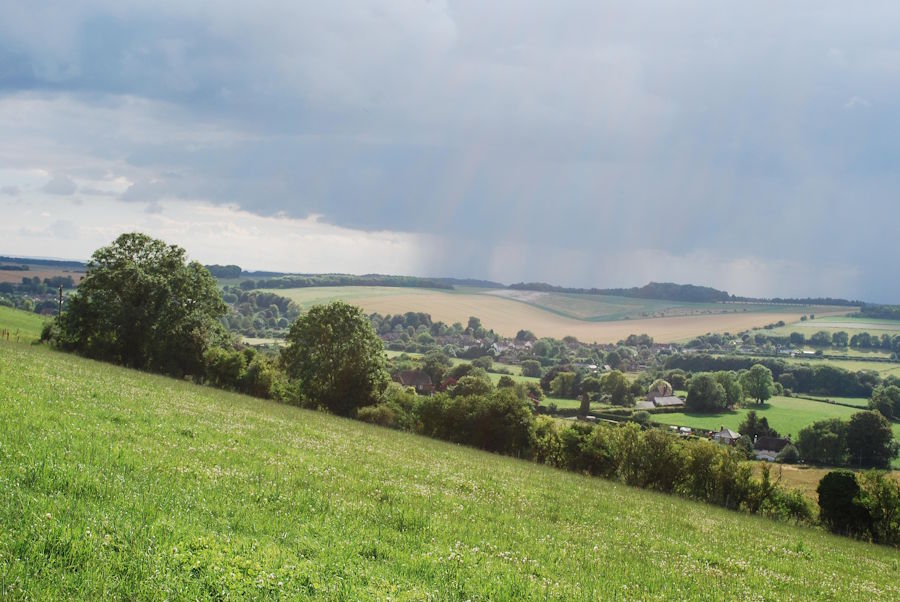
What are Other Neutral Grasslands?
Other Neutral Grassland (ONG) is defined as neutral grassland that does not meet the criteria for Lowland Meadow or Upland Hay Meadow. It is defined by what it is not, rather than by its own distinctive species list.
ONG is often semi-improved, but can still be species-rich and ecologically valuable. It supports wildflowers and grasses typical of neutral conditions and is maintained by low-intensity cutting or grazing.
While it does not qualify as a priority habitat, it contributes to biodiversity, carbon storage, pollinator support, and landscape connectivity.
Why It Matters for BNG
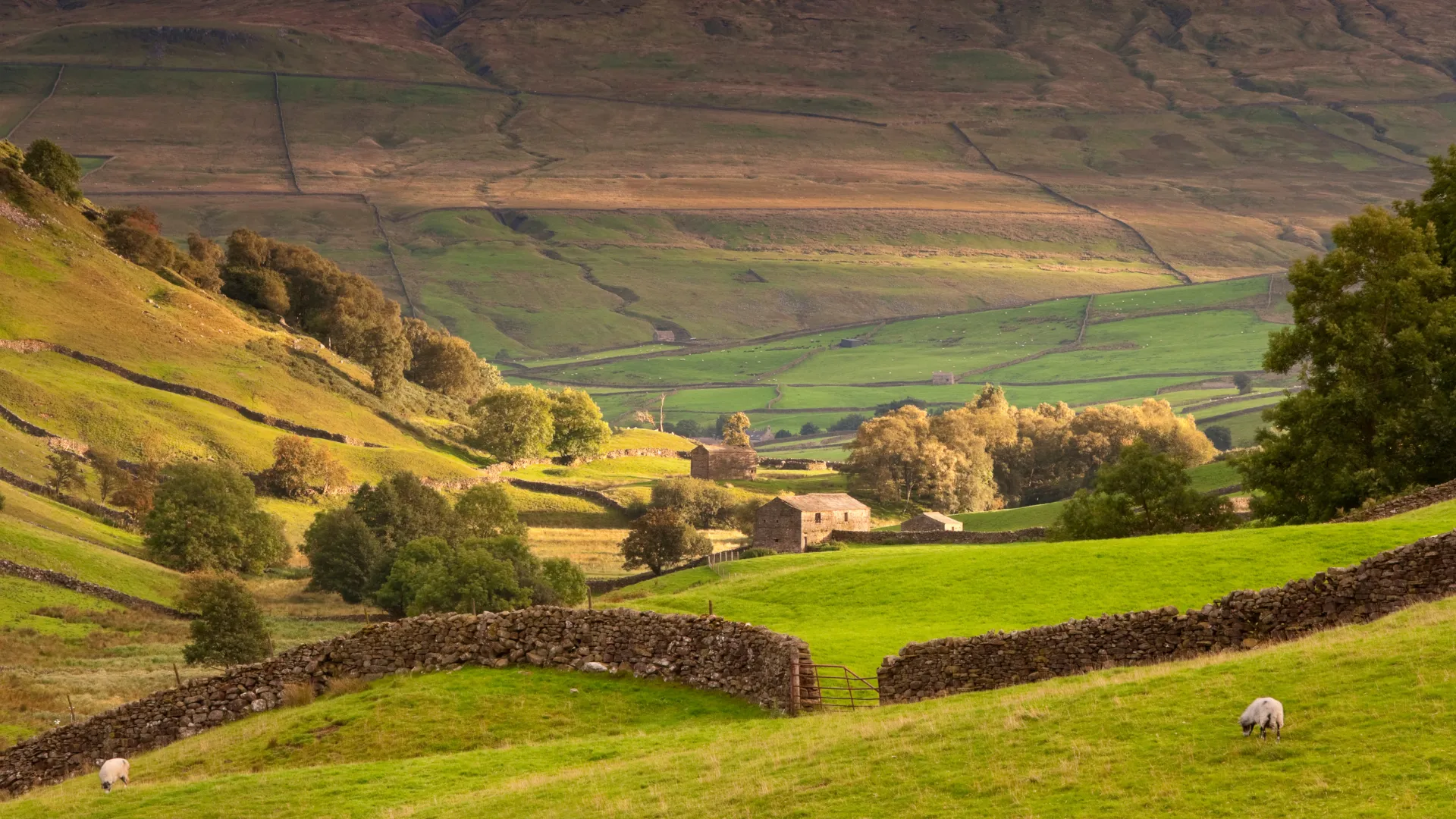
Other neutral grassland provides moderate distinctiveness units and offers predictable enhancement outcomes through cutting and grazing. It suits projects where species-rich grassland cannot be achieved, but where meaningful biodiversity uplift is still required.
Managing neutral grassland through late cutting, low nutrient inputs and light grazing allows landowners to generate reliable BNG units. It fits well with existing pasture systems and requires minimal alteration to traditional management.
Where Does It Grow?
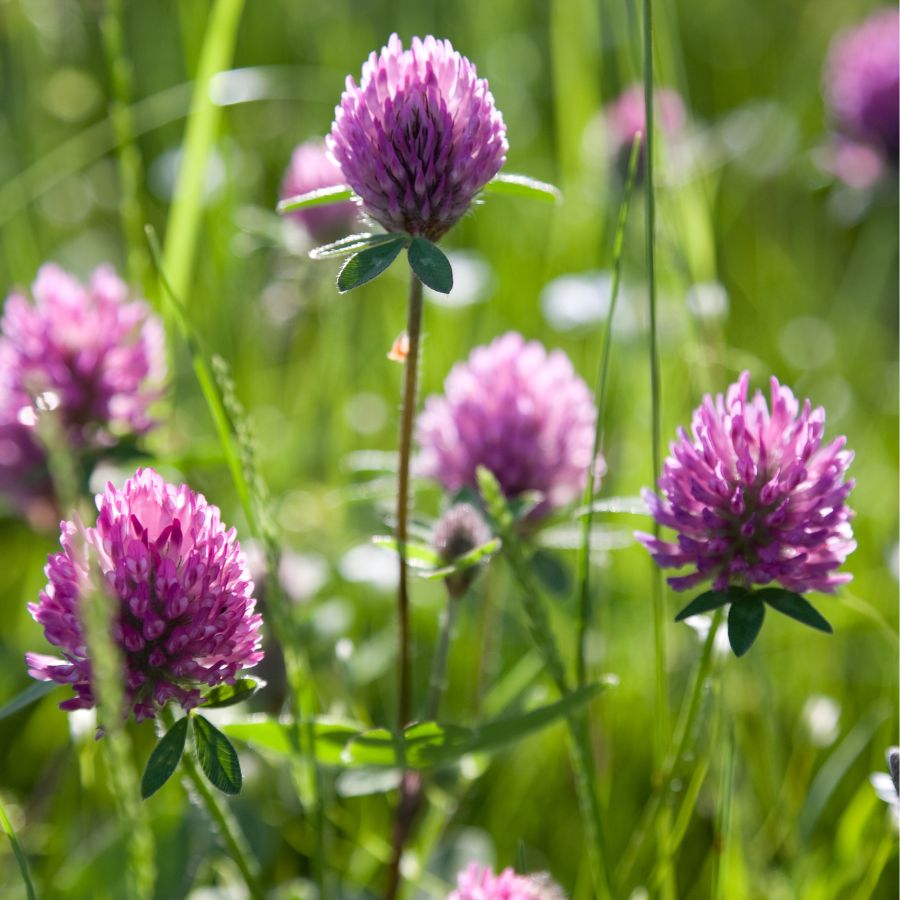
Other Neutral Grassland occurs widely across the UK, in both lowland and upland fringe settings. It is found on:
- Former hay meadows and pastures that no longer meet meadow criteria but retain neutral swards
- Arable reversion projects and rewilding schemes where neutral grassland establishes naturally
- Farmland where inputs have been reduced but not eliminated
- Transitional grasslands between improved pasture and species-rich meadows
Soil Preferences
ONG develops on neutral soils, neither strongly acidic nor calcareous, usually loams or clays of moderate fertility. Soil fertility is a key factor: enrichment through fertilisers pushes swards toward Modified Grassland, while nutrient depletion and continuity of low-input management can move them closer to meadow status.
How New Other Neutral Grassland is Created
Inputs
- Drill wildflower seed directly into the sward or prepared ground to introduce a wider range of species.
- Reduce nutrient inputs by halting fertiliser use
- Cut and remove hay to gradually lower fertility
- Introduce native wildflower seed, including green hay or brush-harvested seed
- Use cattle or aftermath grazing to maintain open structure
Management
- Apply late hay cuts to allow flowering and seed set
- Avoid ploughing or reseeding, which would reset the habitat to Modified Grassland
- Manage invasive species and maintain flexibility in timing of cuts and grazing
Landscape
- Establish in proximity to existing semi-natural grassland to support colonisation
- Target arable reversion or semi-improved pastures for conversion
- Use ONG as a stepping-stone habitat linking ecological networks
How Existing Other Neutral Grassland is Improved
Inputs
- Continue low-input management to maintain soil fertility levels
- Restore hydrological function through ditch and water level management where needed
Management
- Adjust grazing pressure to avoid both overgrazing and neglect
- Vary cutting dates in response to seasonal conditions
- Introduce seed of missing species into gaps where management has lapsed
- Control invasive or dominant grasses through mowing or grazing regimes
Landscape
- Expand grassland area by restoring adjacent semi-improved fields
- Retain or reinstate traditional hay cutting and grazing practices
- Increase habitat diversity across larger sites through varied interventions
- Plan adaptively for climate change, allowing management to respond to hotter summers and wetter winters
Target Condition
Other Neutral Grassland in medium and good condition should:
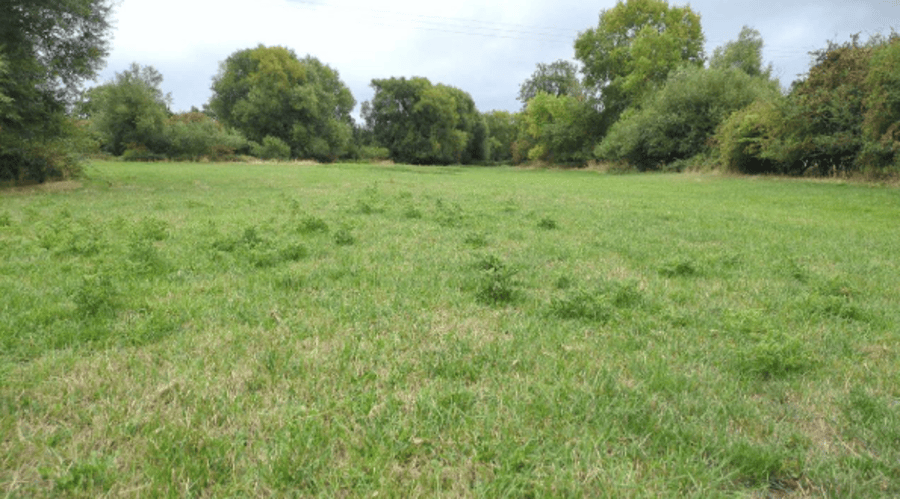
- Support a moderate diversity of grasses and herbs typical of neutral swards
- Show low dominance of ryegrass and other improved grassland species
- Demonstrate continuity of low-intensity management such as hay cutting or aftermath grazing

The BNG Value of Other Neutral Grassland
• Distinctiveness: Medium
• Condition Potential: Can be uplifted from poor to good through management
• Restoration Pathway: Recognised outcome when Modified Grassland is enhanced
• Strategic Value: Provides biodiversity uplift where full meadow restoration is not feasible, and strengthens ecological networks
Species Typical of Other Neutral Grasslands
🌱 Grasses
- Crested dog’s tail (Cynosurus cristatus)
- Red fescue (Festuca rubra)
- Sweet vernal grass (Anthoxanthum odoratum)
🌸Herbs and Wildflowers
- Common knapweed (Centaurea nigra)
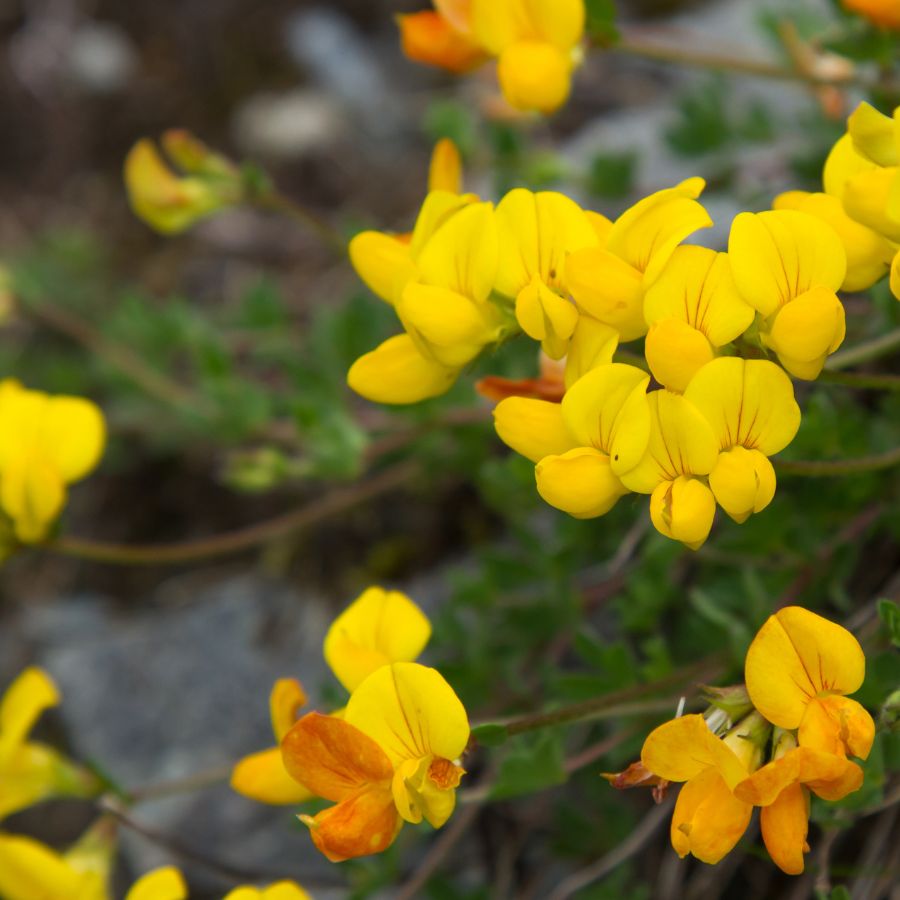
- Bird’s-foot trefoil (Lotus corniculatus)
- Ox-eye daisy (Leucanthemum vulgare)
- Yellow rattle (Rhinanthus minor)
- Red clover (Trifolium pratense)
- Green-winged orchid (Orchis morio)
- Field gentian (Gentianella campestris)
- Snake’s head fritillary (Fritillaria meleagris)
- Sulphur clover (Trifolium ochroleucon)
🍄Fungi and Invertebrates
- Waxcap fungi (Hygrocybe spp.)
- Earth-tongue fungi (Geoglossaceae)
- Bumblebees, butterflies, and grasshoppers
- Yellow meadow ant (Lasius flavus)
- Linnet (Carduelis cannabina)
- Meadow pipit (Anthus pratensis)
- Field vole (Microtus agrestis)
Frequently Asked Questions
What is Other Neutral Grassland?
A general BNG metric category for neutral grasslands that are not species-rich enough to be classified as Lowland Meadow, such as general amenity grassland or improved pasture.
How is BNG measured here?
The condition score is often low initially due to low species diversity or intensive management. BNG is measured by the potential uplift in condition following enhancement.
How can I achieve BNG?
Primarily through Enhancement by changing management practices (reducing intensity, stopping fertilizer use) and potentially introducing native wildflower seeds to transition it towards a Lowland Meadow type.
What is the BNG target condition?
The target is often to improve the condition from Poor to Moderate, or eventually Good, by increasing native species richness.
What management is required?
Management must focus on reducing nutrient load, which usually involves multiple cuts and removals per year initially, or introducing low-intensity grazing.
Exploring Other Habitats?
Hazel Scrub
Hazel scrub is a native scrub habitat dominated by hazel, typically forming dense multi-stemmed shrubs or coppice stools usually less than 5 metres in height. It commonly occurs along woodland edges, ride margins, hedgerow networks and as transitional scrub developing on former grassland or farmland.
Hazel scrub provides structural habitat for birds and small mammals and produces nuts, catkins and leaf litter that support invertebrates and woodland food webs. It may also function as a transitional habitat facilitating woodland regeneration.
Lowland Heathland
Lowland heathland is a semi-natural habitat dominated by dwarf shrubs growing on nutrient-poor, acidic soils in the lowland zone, generally below about 300 metres above sea level. The vegetation is typically dominated by ericaceous species such as heather, bell heather, and cross-leaved heath, often with gorse species.
Lowland heathland usually occurs as a mosaic habitat, containing patches of dwarf shrub heath alongside acid grassland, bare ground, scattered scrub or trees, and occasionally wet heath or small bog areas.
Bramble Scrub
Bramble scrub is a dense scrub habitat dominated by bramble , typically forming thick thickets between 2 and 3 metres in height. It commonly occurs along woodland margins, grassland edges, road and rail embankments, brownfield land and other disturbed areas as part of natural vegetation succession. All bramble scrub parcels are also recorded as poor condition in the metric, regardless of their structure or species composition.
Ready to buy your units?
Easily buy your BNG units online today to ensure compliance and positive environmental impact.