
Native Hedgerow BNG Units
High
Hedgerows and Lines of trees

Trusted by Developers and Landowners







What is Native Hedgerow?
A Native Hedgerow BNG habitat is a linear woody habitat where more than 80% of the shrub and tree cover consists of native species. Structurally, native hedgerows consist of a dense shrub layer commonly dominated by species such as hawthorn, blackthorn and hazel, often with standard trees including oak or ash emerging above the canopy.
Why It Matters for BNG
Hedgerows are assessed and traded separately under BNG. Losses of native or species-rich hedgerows must be replaced with hedgerow units of the same or higher distinctiveness band in accordance with hedgerow trading rules.
Learn more about BNG for landowners →
Where You'll Find It
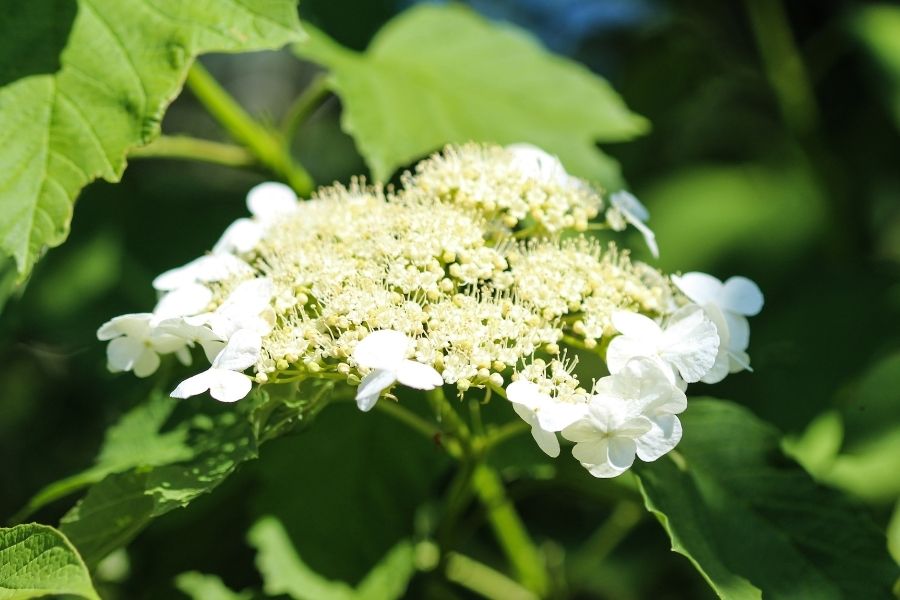
Native hedgerows are widely distributed across lowland and upland agricultural landscapes, most commonly forming historic field boundaries, green lanes and estate divisions within pastoral and mixed farming systems. They are especially associated with long-established farmland patterns and traditional enclosure landscapes where linear boundary features have been retained over decades or centuries.
Soil & Site Requirements
Native hedgerows typically establish on well-drained mineral soils including brown earths, clay loams and calcareous soils, but can also occur on lighter sandy or mildly acidic substrates where native woody species are locally appropriate. Suitable sites generally provide stable, uncultivated boundary lines with adequate rooting depth, moderate fertility, and limited prolonged waterlogging (unless associated with a ditch), while avoiding intensive cultivation, excessive nutrient enrichment or repeated soil disturbance that would inhibit long-term structural development.
How New Native Hedgerow Is Created
Inputs
• Plant a mix of native hedge shrubs such as hawthorn (Crataegus monogyna), blackthorn (Prunus spinosa), hazel (Corylus avellana), field maple (Acer campestre), spindle (Euonymus europaeus) and dog rose (Rosa canina).
• Ensure species selection reflects local character and soil type.
• Design to achieve >80% native woody cover.
• Include occasional standard trees such as pedunculate oak (Quercus robur) where appropriate.
• Establish along boundary lines exceeding 20 metres in length.
Management
• Protect new planting from grazing and mechanical damage.
• Avoid annual flailing during establishment phase.
• Manage on a rotational cutting cycle once established.
• Allow selected trees to develop as standards within the hedge line.
• Maintain an adjacent vegetated margin to support condition scoring.
Landscape
• Reinforce historic or functional field boundaries.
• Link new hedgerows to existing linear habitats where possible.
• Avoid creating short, disconnected sections that do not contribute to network continuity.
How Existing Native Hedgerow Is Improved
Inputs
• Gap planting with native species
• Introduce additional woody species to increase diversity
• Reduce fertiliser drift
Management
• Reduce cutting frequency
• Restore hedge-laying cycles where appropriate
• Allow trees to mature within the hedgerow line
• Improve adjacent margins
Landscape
• Extend linear networks
• Buffer with semi-natural grassland
• Improve connectivity across fragmented farmland
Target Condition
A Native Hedgerow in Good BNG condition should:
• Be dominated by native woody species
• Display structural continuity with minimal large gaps
• Include multiple woody species (higher counts for species-rich)
• Contain trees or potential for tree development
• Be appropriately managed (not excessively flailed)
• Support functional field margins
• Show limited invasive or non-native dominance

The BNG Value of Native Hedgerow
• Distinctiveness: Medium
• Condition Potential: Strong uplift through enhancement
• Restoration Pathway: Gap planting, rotational cutting, species enrichment
• Strategic Value: Critical ecological corridors across farmed landscapes
Species Typical of Native Hedgerow
Canopy or Primary Layer (Standard Trees)
• Pedunculate oak (Quercus robur)
• Sessile oak (Quercus petraea)
• Ash (Fraxinus excelsior)
• Field maple (Acer campestre)
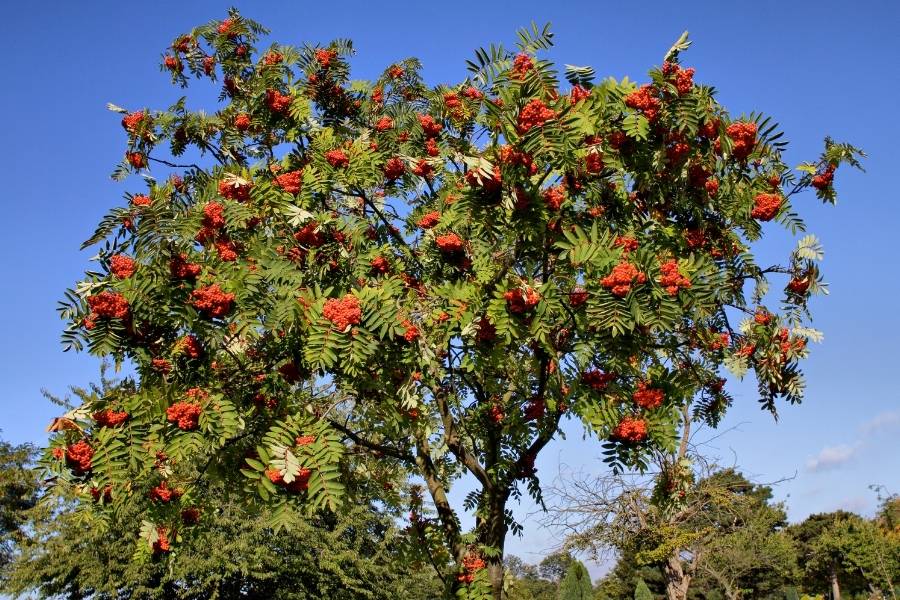
• Rowan (Sorbus aucuparia)
Shrub or Secondary Layer
• Hawthorn (Crataegus monogyna)
• Blackthorn (Prunus spinosa)
• Hazel (Corylus avellana)
• Holly (Ilex aquifolium)
• Spindle (Euonymus europaeus)
• Dog rose (Rosa canina)
• Guelder rose (Viburnum opulus)
Ground Flora or Margin Layer
• Bluebell (Hyacinthoides non-scripta)
• Cow parsley (Anthriscus sylvestris)
• Red campion (Silene dioica)
• Nettle (Urtica dioica)
• Mosses and herb-rich margin grasses
Frequently Asked Questions
What is a Native Hedgerow?
A Native Hedgerow is a linear woody habitat composed predominantly of native shrub and tree species.
How is BNG measured for Native Hedgerows?
BNG is measured using length (centre-line kilometres), habitat distinctiveness, condition score and risk multipliers.
How can I achieve BNG with Native Hedgerows?
BNG can be achieved through creating new native hedgerows on appropriate boundaries or improving the condition of existing hedgerows through species enrichment, improved cutting regimes, and structural enhancement. Hedgerow biodiversity units cannot be traded or converted into area or watercourse units, and each module must independently achieve net gain.
What is the BNG target condition?
The most diagnostic criteria are native species dominance, structural continuity, woody species diversity, presence of trees, functional margins and low invasive pressure.
What management is required?
Long-term management focuses on rotational cutting rather than annual flailing, maintaining woody species diversity, allowing standards to mature, protecting margins and controlling invasive species.
Exploring Other Habitats?
-.webp)
Arable field margins pollen and nectar are grass margins around arable fields sown with wildflowers and legumes managed specifically to provide pollen and nectar resources for invertebrates. The mix must include at least four nectar-rich flowering species and the margin is kept low-input and rotationally cut to maintain flowering through the season. The arable field must remain in a crop rotation including an arable crop.
Unlike wild bird seed margins, the management objective here is flowering continuity for pollinators rather than seed retention for birds. This habitat type sits within the Cropland broad habitat in the BNG metric and is classified separately from tussocky margins, cultivated margins and game bird mix.
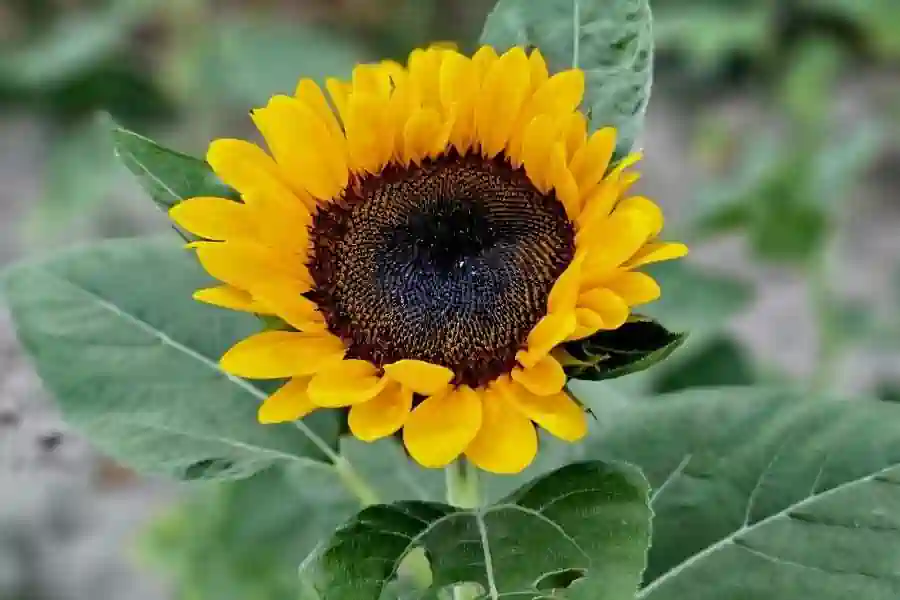
Arable field margins game bird mix are margins, strips, blocks or corners around arable fields sown with wild bird cover crops and left unharvested over winter so that seed produced by the plants remains available to farmland wildlife. The arable field must be in a crop rotation that includes an arable crop, such as wheat, barley, maize or oats, even if in certain years the field is in temporary grass, set-aside or fallow.
Mixes typically combine seed-bearing cereals, brassicas and oil-rich crops to provide food through the winter hungry gap and standing cover for gamebirds and declining farmland bird species.
Arable field margins cultivated annually are strips along the edges of arable fields, typically 2–12 metres wide, managed under a low-input regime to support annual arable plants. They are lightly cultivated each year, usually in late summer or autumn, without herbicide or fertiliser, creating the open, disturbed soil conditions that annual arable flora requires to germinate.
Ready to buy your units?
Easily buy your BNG units online today to ensure compliance and positive environmental impact.