
Hazel Scrub BNG Units
Medium
Heathland and shrub
Widespread across lowland and upland Britain in woodland edges, field margins and successional habitats

Trusted by Developers and Landowners







What is a Hazel Scrub?
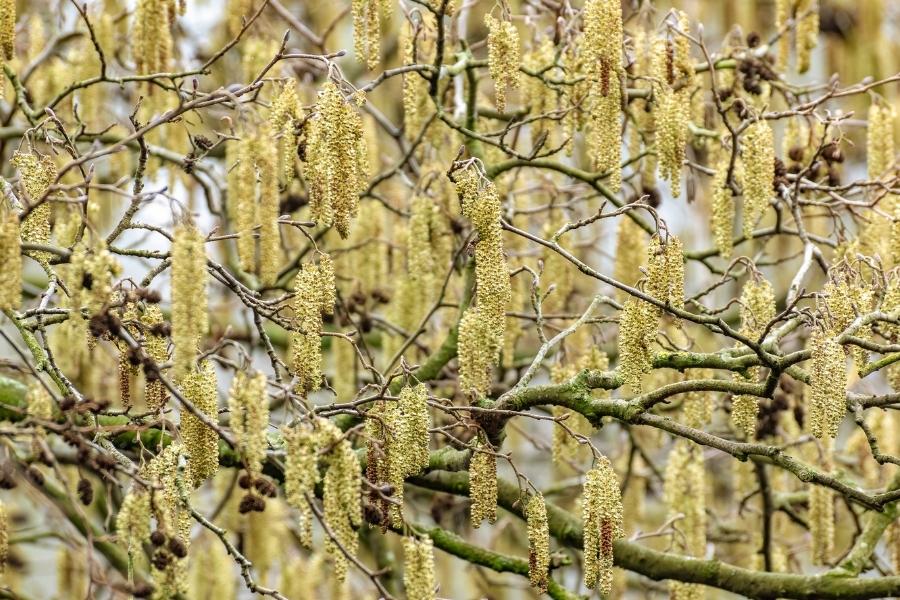
Hazel scrub is a native scrub habitat dominated by hazel, typically forming dense multi-stemmed shrubs or coppice stools usually less than 5 metres in height. It commonly occurs along woodland edges, ride margins, hedgerow networks and as transitional scrub developing on former grassland or farmland.
Hazel scrub provides structural habitat for birds and small mammals and produces nuts, catkins and leaf litter that support invertebrates and woodland food webs. It may also function as a transitional habitat facilitating woodland regeneration.
Why It Matters for BNG
Hazel scrub contributes to the calculation of habitat units but carries a lower weighting than priority habitats such as heathland or ancient woodland. Where hazel scrub is present on a development site it forms part of the baseline habitat units.
Learn more about BNG for landowners →
Where You'll Find It
Hazel Scrub occurs in woodland margins, hedgerow networks, valley slopes and areas of secondary scrub developing on abandoned farmland or pasture. It is often associated with ancient woodland landscapes and limestone or base-rich soils, although it can occur on a range of soil types.
Soil & Site Requirements
Hazel scrub develops on moderately fertile mineral soils including brown earths, calcareous soils and base-rich loams. It commonly occurs on well-drained slopes, woodland edges and field boundaries where grazing pressure or periodic cutting maintains shrub dominance rather than allowing succession to closed woodland.
How New Hazel Scrub is Created
Inputs
• Establish hazel as the dominant shrub species.
• Use locally appropriate planting stock where possible.
• Plant on suitable mineral soils with moderate fertility.
• Ensure adequate spacing to allow development of multi-stemmed shrub structure.
Management
• Protect young shrubs from grazing during establishment.
• Allow shrubs to develop dense multi-stemmed growth.
• Control invasive or non-native scrub species.
• Monitor establishment and regeneration.
Landscape
• Create scrub along woodland edges or habitat corridors.
• Integrate with hedgerows, woodland margins or grassland mosaics.
• Avoid isolated small patches that lack ecological connectivity.
How Existing Hazel Scrub is Improved
Inputs
• Remove invasive species where present.
• Encourage regeneration of hazel through coppicing or thinning.
• Reduce excessive shading from adjacent woodland.
Management
• Maintain structural diversity through rotational coppicing.
• Retain multi-stem shrub structure.
• Monitor scrub condition and regeneration.
Landscape
• Maintain connections with adjacent woodland and hedgerow networks.
• Prevent fragmentation of existing scrub stands.
• Buffer edges from intensive agricultural management.
Target Condition
Hazel scrub in Good condition shows:
• Dominance of hazel within the shrub layer
• Dense, multi-stemmed shrub structure
• Limited cover of invasive or non-native species
• Evidence of regeneration or active management such as coppicing
• Structural diversity within the scrub stand
The BNG Value of Hazel Scrub
• Distinctiveness: Medium
• Condition Potential: Moderate uplift where structural diversity, hazel dominance and active management (e.g. coppicing) are maintained or improved
• Restoration Pathway: Primarily enhancement through coppicing, thinning and invasive species control, with new creation achievable over medium timeframes
• Strategic Value: Valuable scrub habitat within woodland edge systems and ecological networks, supporting connectivity between woodland, hedgerows and open habitats
Species Typical of Hazel Scrub
Dominant Shrub Layer
• Hazel (Corylus avellana)
Associated Shrubs
• Hawthorn (Crataegus monogyna)
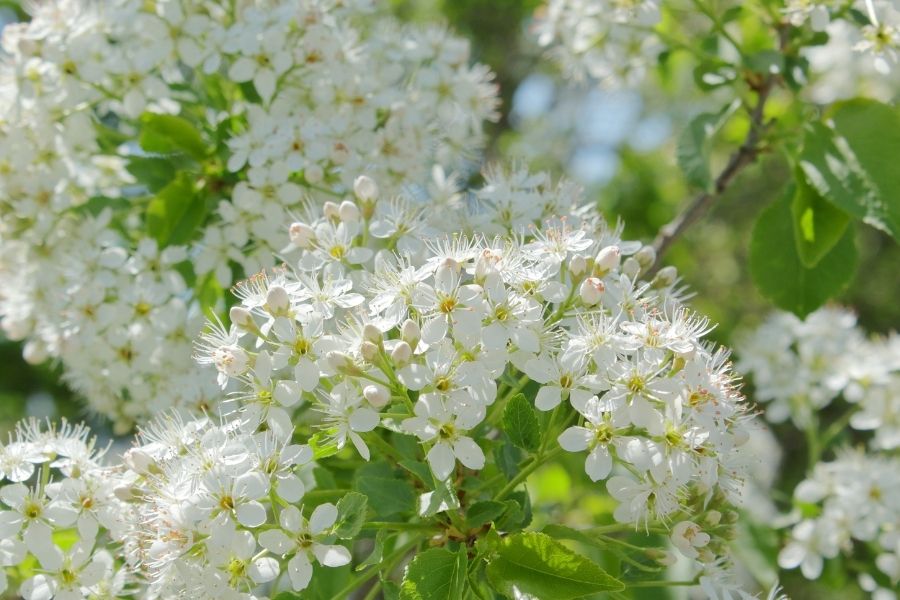
• Blackthorn (Prunus spinosa)
• Dog rose (Rosa canina)
Ground Flora
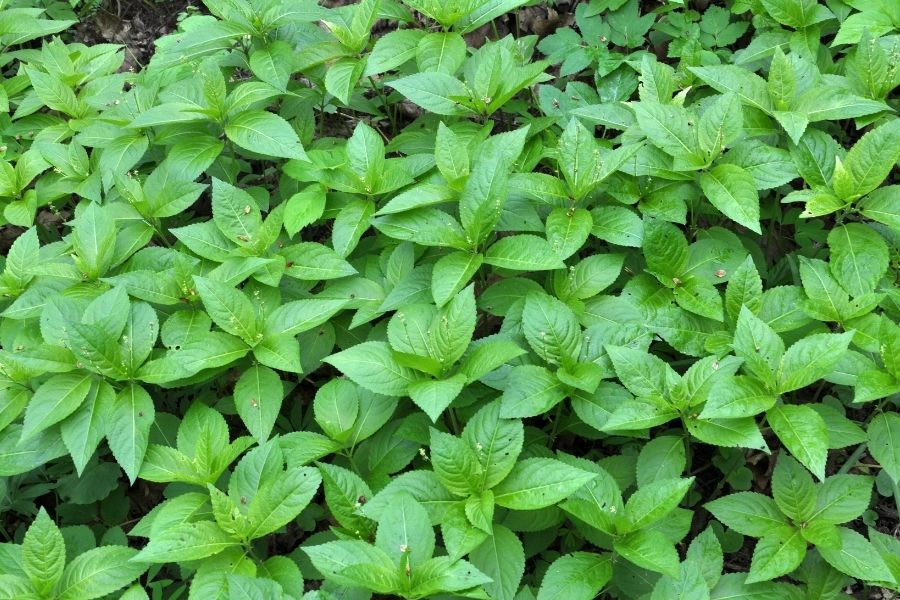
• Dog’s mercury (Mercurialis perennis)
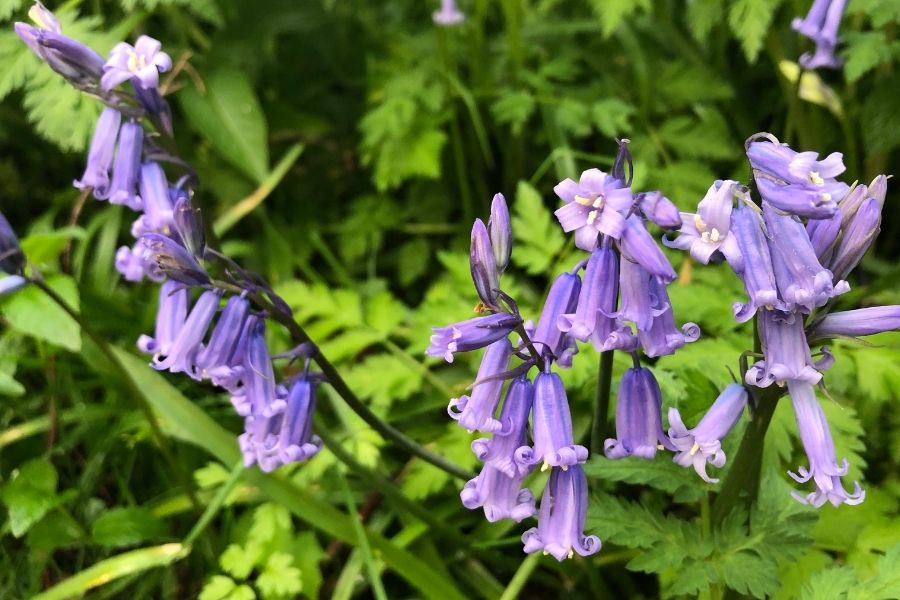
• Bluebell (Hyacinthoides non-scripta)
• Wood avens (Geum urbanum)
• Bramble (Rubus fruticosus agg.)
.jpg)
.avif)
Frequently Asked Questions
What is Hazel Scrub?
Hazel scrub is a native scrub habitat dominated by hazel typically forming dense multi-stemmed shrubs along woodland edges, hedgerows or transitional habitats.
How is BNG measured for Hazel Scrub?
BNG is measured using habitat units, calculated from habitat area, distinctiveness, condition and strategic significance within the statutory Biodiversity Metric.
How can I achieve BNG with Hazel Scrub?
BNG can be achieved by creating new hazel scrub on suitable sites or improving the condition of existing scrub through management such as coppicing and invasive species control.
What is the BNG target condition?
Target condition focuses on hazel dominance, dense multi-stem shrub structure, limited invasive species and evidence of regeneration or active management.
What management is required?
Management typically involves rotational coppicing, controlling invasive scrub and maintaining structural diversity within the shrub layer.
Exploring Other Habitats?
-.webp)
Arable field margins pollen and nectar are grass margins around arable fields sown with wildflowers and legumes managed specifically to provide pollen and nectar resources for invertebrates. The mix must include at least four nectar-rich flowering species and the margin is kept low-input and rotationally cut to maintain flowering through the season. The arable field must remain in a crop rotation including an arable crop.
Unlike wild bird seed margins, the management objective here is flowering continuity for pollinators rather than seed retention for birds. This habitat type sits within the Cropland broad habitat in the BNG metric and is classified separately from tussocky margins, cultivated margins and game bird mix.

Arable field margins game bird mix are margins, strips, blocks or corners around arable fields sown with wild bird cover crops and left unharvested over winter so that seed produced by the plants remains available to farmland wildlife. The arable field must be in a crop rotation that includes an arable crop, such as wheat, barley, maize or oats, even if in certain years the field is in temporary grass, set-aside or fallow.
Mixes typically combine seed-bearing cereals, brassicas and oil-rich crops to provide food through the winter hungry gap and standing cover for gamebirds and declining farmland bird species.
Arable field margins cultivated annually are strips along the edges of arable fields, typically 2–12 metres wide, managed under a low-input regime to support annual arable plants. They are lightly cultivated each year, usually in late summer or autumn, without herbicide or fertiliser, creating the open, disturbed soil conditions that annual arable flora requires to germinate.
Ready to buy your units?
Easily buy your BNG units online today to ensure compliance and positive environmental impact.