
Lowland Heathland BNG Units
High
Heathland and shrub
Lowland sandy and acidic landscapes of southern and eastern Britain

Trusted by Developers and Landowners







What is a Lowland Heathland?
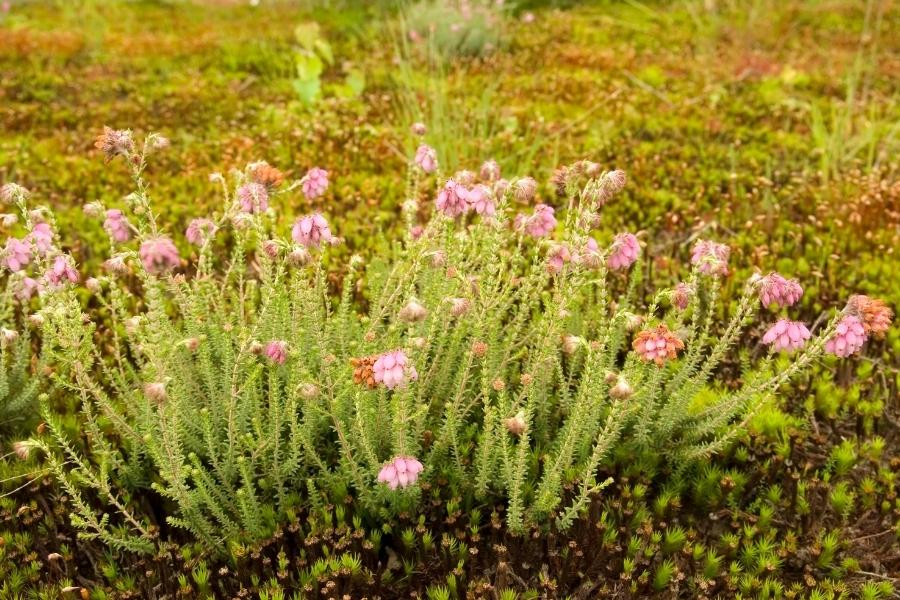
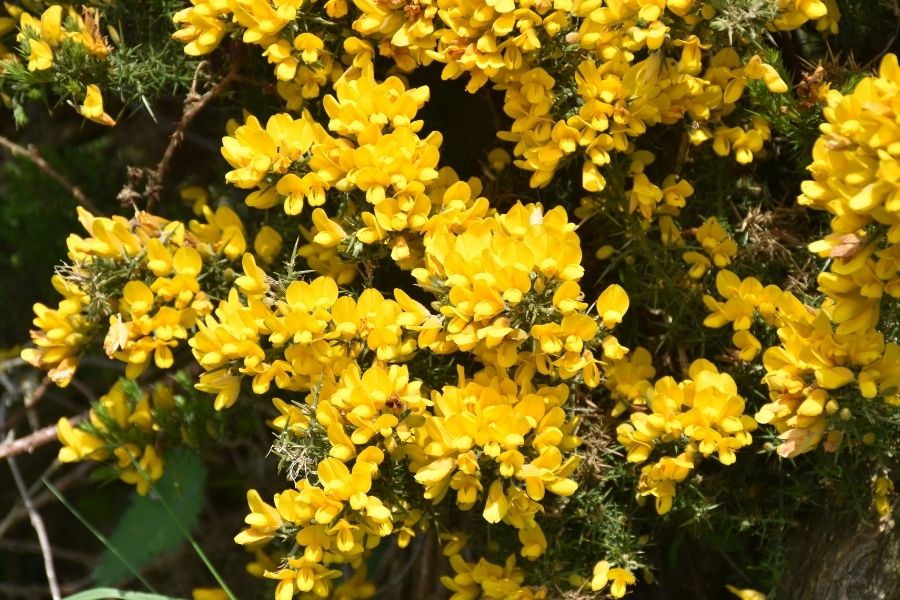
Lowland heathland is a semi-natural habitat dominated by dwarf shrubs growing on nutrient-poor, acidic soils in the lowland zone, generally below about 300 metres above sea level. The vegetation is typically dominated by ericaceous species such as heather, bell heather, and cross-leaved heath, often with gorse species.
Lowland heathland usually occurs as a mosaic habitat, containing patches of dwarf shrub heath alongside acid grassland, bare ground, scattered scrub or trees, and occasionally wet heath or small bog areas.
Why It Matters for BNG
Lowland heathland contributes to the baseline habitat units used to calculate BNG. Because of its conservation priority and rarity, losses are typically expected to be replaced with habitats of equal or higher distinctiveness, and proposals to recreate or enhance heathland are subject to risk multipliers reflecting the time and difficulty involved in establishing the habitat.
Learn more about BNG for landowners →
Where You'll Find It
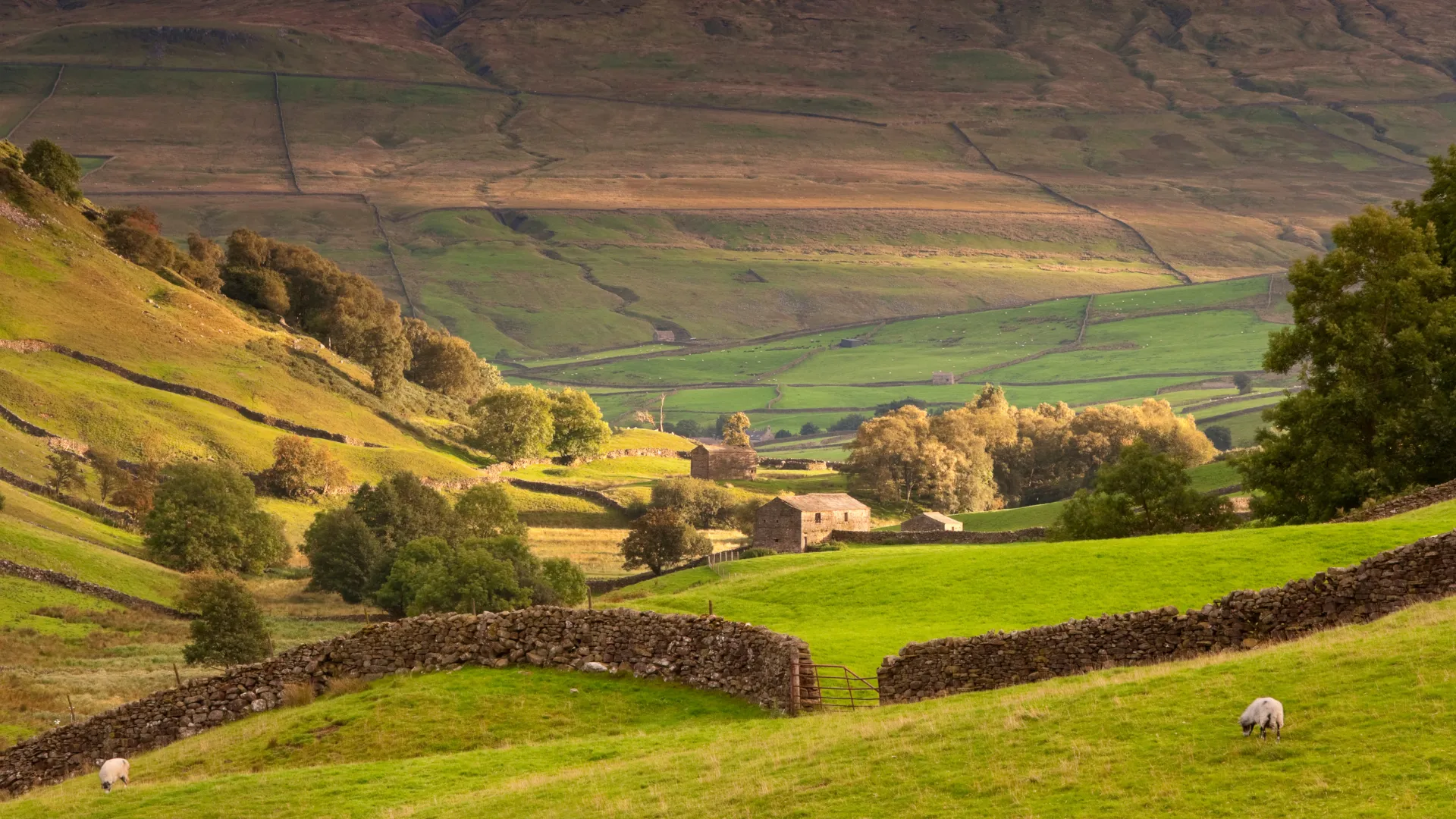
Lowland Heathland occurs mainly in southern and eastern England, including areas such as Dorset, Hampshire, Surrey, Suffolk and Norfolk. It is typically found on open landscapes including heaths, commons, former grazing land and military training areas where nutrient-poor soils limit agricultural productivity.
Soil & Site Requirements
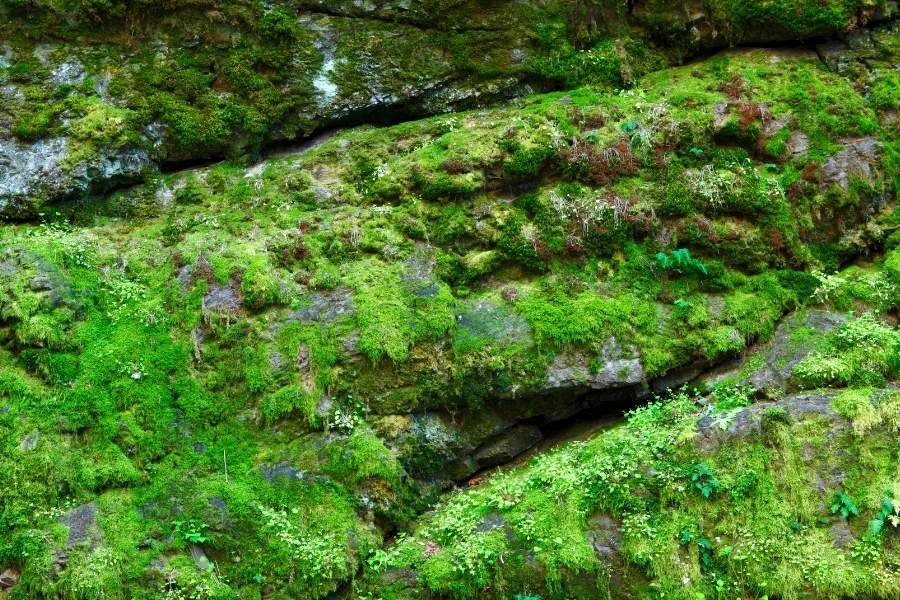
Lowland heathland develops on acidic, nutrient-poor soils, commonly sandy or gravelly substrates derived from sandstone, heath sand or glacial deposits. Soil pH is typically below 5.5, and soils are generally free-draining and low in fertility. These conditions favour dwarf shrub vegetation over grasses or woodland species.
How New Lowland Heathland is Created
Inputs
• Establish dwarf shrubs such as heather, bell heather, and cross-leaved heath.
• Use locally sourced seed or plant material where possible.
• Ensure soils are acidic and low in nutrients.
• Reduce soil fertility where necessary, for example through topsoil removal.
Management
• Control encroachment by scrub and woodland species.
• Maintain open heathland structure through grazing, cutting or rotational management.
• Monitor regeneration of dwarf shrubs.
• Prevent nutrient enrichment from fertiliser drift or runoff.
Landscape
• Expand existing heathland areas where possible.
• Maintain connectivity with other heathland or acid grassland habitats.
• Retain habitat mosaics including bare ground and wet heath patches.
How Existing Lowland Heathland is Improved
Inputs
• Reduce nutrient inputs and soil disturbance.
• Remove invasive scrub and tree regeneration where it threatens heathland vegetation.
• Encourage regeneration of dwarf shrubs.
Management
• Control scrub encroachment.
• Maintain a mix of dwarf shrub age classes.
• Retain areas of bare ground and structural variation.
Landscape
• Restore degraded heathland patches.
• Increase connectivity between heathland areas.
• Buffer heathland edges from nutrient enrichment.
Target Condition
Lowland heathland in Good condition shows:
• Dominance of dwarf shrubs such as heather and heath species
• Structural diversity in dwarf shrub height and age classes
• Limited scrub or tree encroachment
• Presence of characteristic heathland mosaics such as acid grassland or bare ground
• Low levels of invasive or non-native species

The BNG Value of Lowland Heathland
• Distinctiveness: High
• Condition potential: Improvement possible through appropriate management
• Restoration pathway: Often restoration of degraded heath or conversion from acid grassland
• Strategic value: Priority habitat within many Local Nature Recovery Strategies
Species Typical of Lowland Heathland
Canopy or Dominant Layer
• Heather (Calluna vulgaris)
• Bell heather (Erica cinerea)
• Cross-leaved heath (Erica tetralix)
• Western gorse
Shrub Layer
• Common gorse
• Dwarf gorse
• Scattered birch (Betula pendula)
Ground Flora
• Sheep’s fescue (Festuca ovina)
• Wavy hair-grass
• Heath bedstraw
• Tormentil (Potentilla erecta)
• Lichens and mosses typical of acidic soils
.jpg)
.avif)
Frequently Asked Questions
What is Lowland Heathland?
A Lowland heathland BNG Habitat is a semi-natural habitat dominated by dwarf shrubs such as heather growing on acidic, nutrient-poor soils in the lowland zone of Britain.
How is BNG measured for Lowland Heathland?
BNG is measured using habitat units, calculated from habitat area, distinctiveness, condition and strategic significance within the statutory Biodiversity Metric.
How can I achieve BNG with Lowland Heathland?
BNG can be achieved by restoring degraded heathland, enhancing existing heathland condition, or creating new heathland on suitable acidic soils where appropriate.
What is the BNG target condition?
Target condition focuses on maintaining dwarf shrub dominance, varied vegetation structure, limited scrub encroachment and characteristic heathland mosaics.
What management is required?
Management typically includes scrub control and maintaining open heathland structure through grazing, cutting or other rotational management practices.
Exploring Other Habitats?
-.webp)
Arable field margins pollen and nectar are grass margins around arable fields sown with wildflowers and legumes managed specifically to provide pollen and nectar resources for invertebrates. The mix must include at least four nectar-rich flowering species and the margin is kept low-input and rotationally cut to maintain flowering through the season. The arable field must remain in a crop rotation including an arable crop.
Unlike wild bird seed margins, the management objective here is flowering continuity for pollinators rather than seed retention for birds. This habitat type sits within the Cropland broad habitat in the BNG metric and is classified separately from tussocky margins, cultivated margins and game bird mix.

Arable field margins game bird mix are margins, strips, blocks or corners around arable fields sown with wild bird cover crops and left unharvested over winter so that seed produced by the plants remains available to farmland wildlife. The arable field must be in a crop rotation that includes an arable crop, such as wheat, barley, maize or oats, even if in certain years the field is in temporary grass, set-aside or fallow.
Mixes typically combine seed-bearing cereals, brassicas and oil-rich crops to provide food through the winter hungry gap and standing cover for gamebirds and declining farmland bird species.
Arable field margins cultivated annually are strips along the edges of arable fields, typically 2–12 metres wide, managed under a low-input regime to support annual arable plants. They are lightly cultivated each year, usually in late summer or autumn, without herbicide or fertiliser, creating the open, disturbed soil conditions that annual arable flora requires to germinate.
Ready to buy your units?
Easily buy your BNG units online today to ensure compliance and positive environmental impact.