
Bramble Scrub BNG Units
Medium
Heathland and shrub
Widespread across Britain on disturbed ground, woodland edges and unmanaged land

Trusted by Developers and Landowners







What is a Bramble Scrub?
Bramble scrub is a dense scrub habitat dominated by bramble, typically forming thick thickets between 2 and 3 metres in height. It commonly occurs along woodland margins, grassland edges, road and rail embankments, brownfield land and other disturbed areas as part of natural vegetation succession. All bramble scrub parcels are also recorded as poor condition in the metric, regardless of their structure or species composition.
Why It Matters for BNG
Bramble scrub contributes to baseline habitat units as a medium-distinctiveness habitat but carries a relatively low per-hectare value because it is fixed at poor condition. In many BNG schemes it is replaced or converted to other habitats within the Heathland and shrub group, such as mixed scrub or hazel scrub.
Learn more about BNG for landowners →
Where You'll Find It
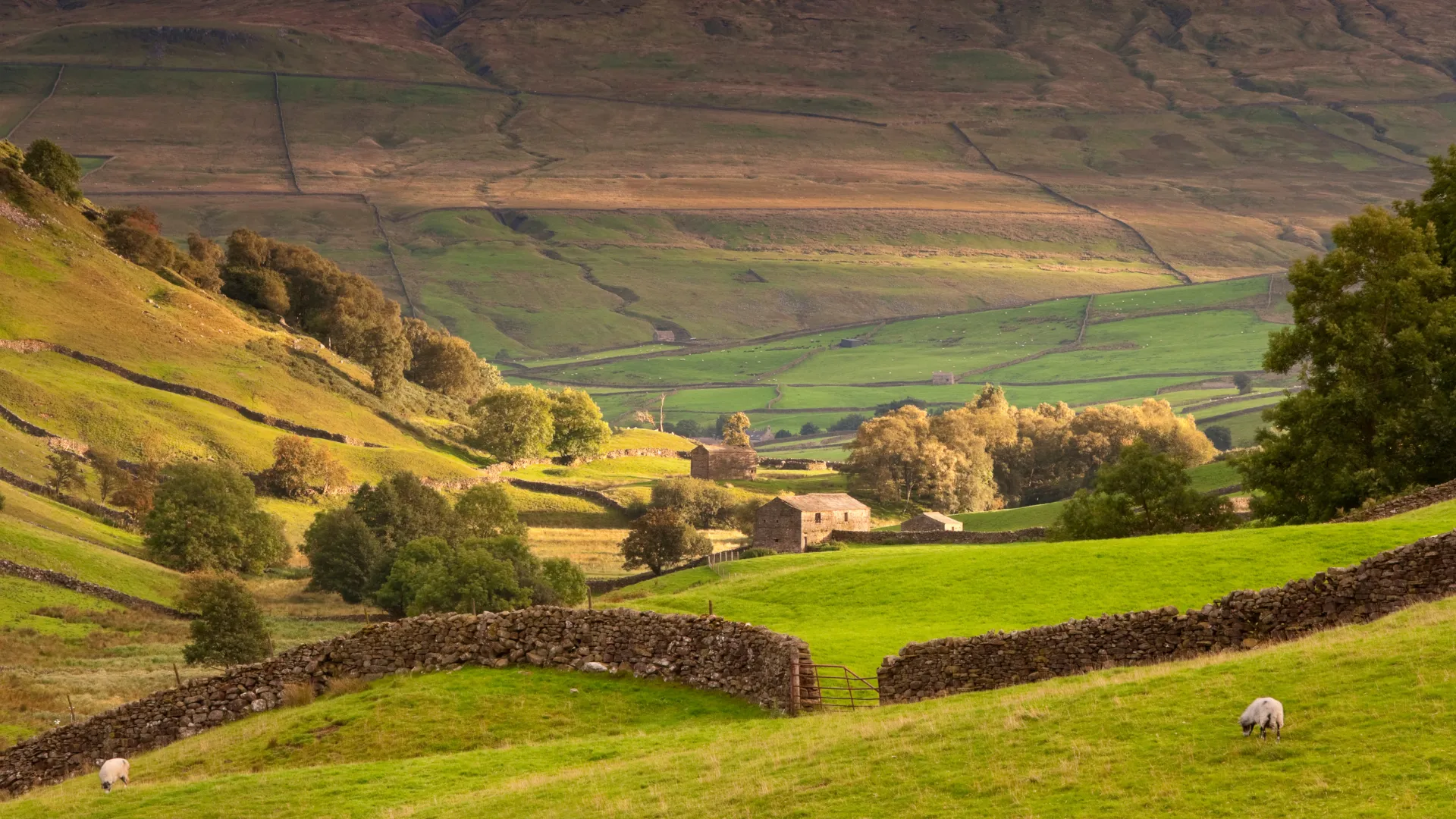
Bramble scrub is widespread across Britain and commonly develops on disturbed or unmanaged land, including woodland edges, field margins, transport corridors, brownfield sites and abandoned agricultural land. It frequently forms during the early stages of ecological succession following grassland or ruderal vegetation.
Soil & Site Requirements
Bramble scrub is tolerant of a wide range of soil types and commonly occurs on moderately fertile mineral soils, including brown earths and disturbed substrates. It often develops where nutrient levels are higher than those supporting heathland habitats and where management such as grazing or cutting has ceased.
How New Bramble Scrub is Created
Inputs
• Allow natural colonisation by bramble.
• Provide undisturbed ground suitable for shrub establishment.
• Avoid intensive grazing or mowing during establishment.
Management
• Minimal management is usually required once established.
• Control invasive non-native species if present.
• Monitor succession where scrub may develop into woodland.
Landscape
• Occurs as transitional scrub along woodland edges or disturbed land.
• Often forms part of successional vegetation mosaics.
• May precede development of mixed scrub or woodland habitats.
How Existing Bramble Scrub is Improved
Inputs
• Introduce additional native shrub species where conversion to mixed scrub is planned.
• Remove invasive or non-native plants where present.
Management
• Manage vegetation to encourage structural diversity.
• Control succession where the aim is to maintain scrub habitat.
Landscape
• Convert to other native scrub habitats within the Heathland and shrub group where appropriate.
• Integrate with woodland edge habitats or hedgerow networks.
Target Condition
Bramble scrub in its defined BNG condition is recorded as a fixed state and should:
• Be dominated by dense stands of bramble, typically forming continuous thickets
• Occur as a structurally simple scrub habitat, often developing on disturbed or unmanaged ground
• Be recorded in the metric as Condition Assessment: N/A, with no requirement for a condition survey
• Be assigned a fixed Poor condition score, regardless of structure, species mix or management
• Not be eligible for condition improvement within the bramble scrub habitat type

The BNG Value of Bramble Scrub
• Distinctiveness: Medium
• Condition Potential: No uplift within habitat type due to fixed Poor condition
• Restoration Pathway: Primarily conversion to other Heathland and shrub habitats (e.g. mixed scrub, hazel scrub) rather than condition enhancement
• Strategic Value: Transitional and early-successional habitat within scrub and woodland edge mosaics, often used as a baseline habitat for trade-up to higher-value habitats
Species Typical of Bramble Scrub
Dominant Shrub Layer
• Bramble (Rubus fruticosus agg.)
Associated Shrubs
• Hawthorn (Crataegus monogyna)
• Blackthorn
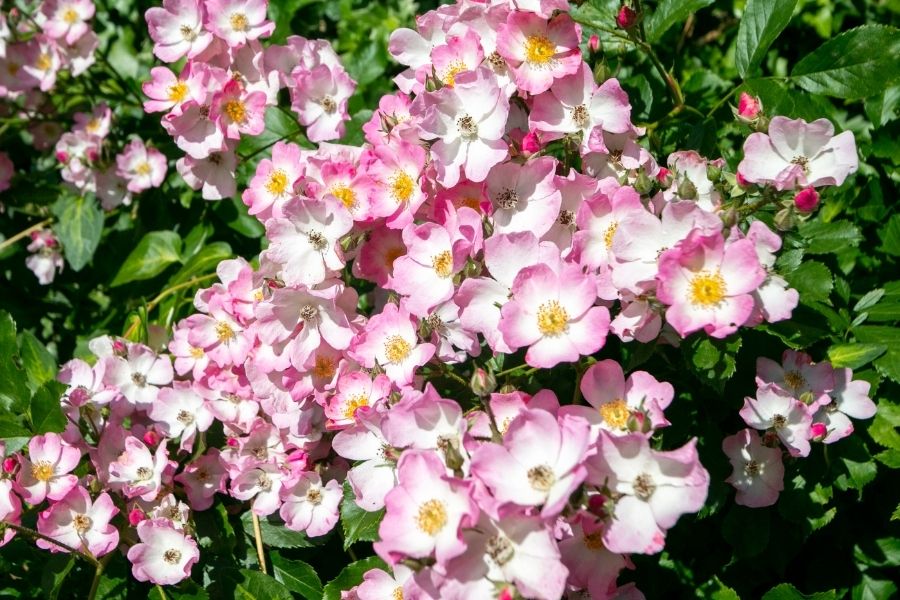
• Dog rose (Rosa canina)
Ground Flora
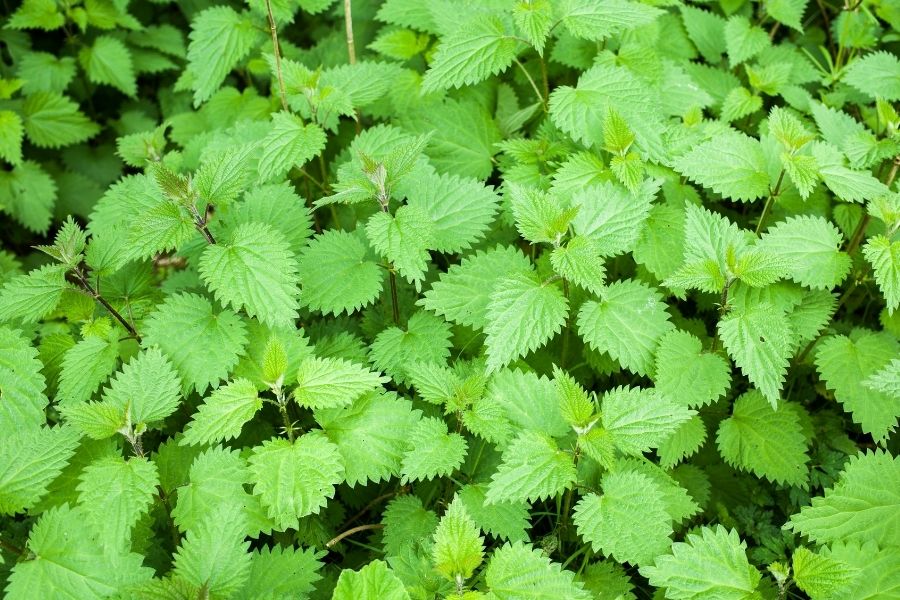
• Nettle (Urtica dioica)
• Cleavers (Galium aparine)
• False oat-grass (Arrhenatherum elatius)
.jpg)
.avif)
Frequently Asked Questions
What is Bramble Scrub?
Bramble scrub is a dense scrub habitat dominated by bramble , commonly found on disturbed land, woodland margins and abandoned farmland.
How is BNG measured for Bramble Scrub?
BNG is measured using habitat units, calculated from habitat area, distinctiveness, and strategic significance. Bramble scrub is automatically assigned poor condition in the metric.
How can I achieve BNG with Bramble Scrub?
BNG is usually achieved by converting bramble scrub into other native scrub habitats within the Heathland and shrub group, such as mixed scrub or hazel scrub.
What is the BNG target condition?
Bramble scrub does not have a variable target condition in the metric because it is treated as a fixed poor condition.
What management is required?
Management typically focuses on controlling succession or converting bramble scrub into more diverse native scrub habitats where biodiversity uplift is required.
Exploring Other Habitats?
-.webp)
Arable field margins pollen and nectar are grass margins around arable fields sown with wildflowers and legumes managed specifically to provide pollen and nectar resources for invertebrates. The mix must include at least four nectar-rich flowering species and the margin is kept low-input and rotationally cut to maintain flowering through the season. The arable field must remain in a crop rotation including an arable crop.
Unlike wild bird seed margins, the management objective here is flowering continuity for pollinators rather than seed retention for birds. This habitat type sits within the Cropland broad habitat in the BNG metric and is classified separately from tussocky margins, cultivated margins and game bird mix.

Arable field margins game bird mix are margins, strips, blocks or corners around arable fields sown with wild bird cover crops and left unharvested over winter so that seed produced by the plants remains available to farmland wildlife. The arable field must be in a crop rotation that includes an arable crop, such as wheat, barley, maize or oats, even if in certain years the field is in temporary grass, set-aside or fallow.
Mixes typically combine seed-bearing cereals, brassicas and oil-rich crops to provide food through the winter hungry gap and standing cover for gamebirds and declining farmland bird species.
Arable field margins cultivated annually are strips along the edges of arable fields, typically 2–12 metres wide, managed under a low-input regime to support annual arable plants. They are lightly cultivated each year, usually in late summer or autumn, without herbicide or fertiliser, creating the open, disturbed soil conditions that annual arable flora requires to germinate.
Ready to buy your units?
Easily buy your BNG units online today to ensure compliance and positive environmental impact.