
Willow Scrub BNG Units
Medium
Heathland and shrub

Trusted by Developers and Landowners







What is Willow Scrub?
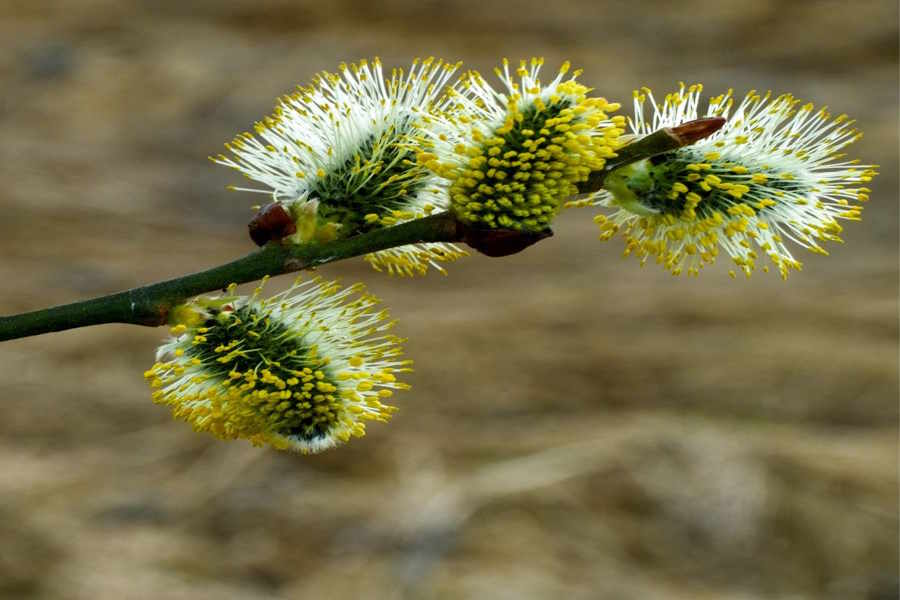
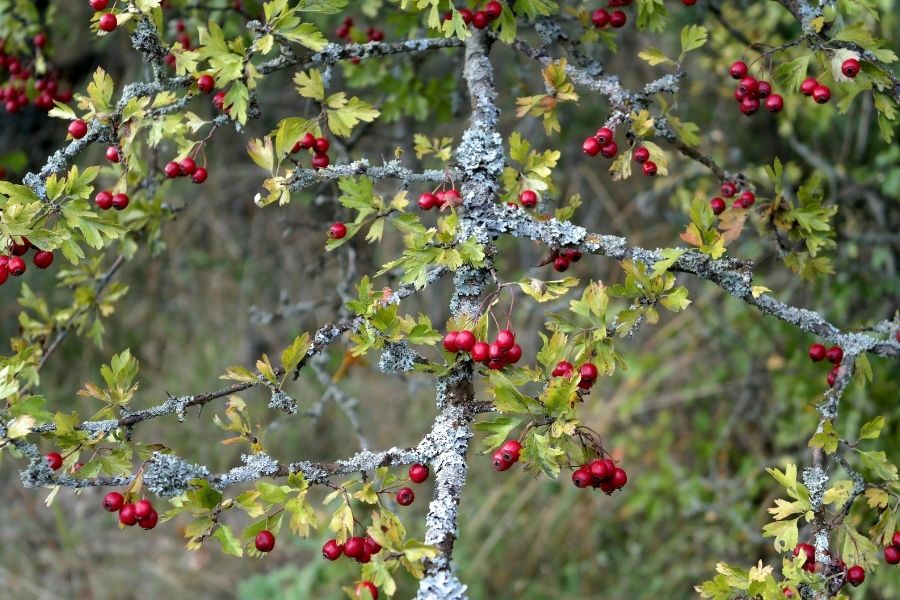
Willow scrub is a transitional habitat dominated by native willow species, typically grey willow and goat willow, often with hawthorn, hazel, and dog rose. It forms in damp ground, at woodland margins, or on disturbed sites where scrub colonises freely.
The Willow scrub habitat is characterised by a mosaic structure: scrub cover between 10 and 60 percent with open grassland, wetland, or bare ground filling the gaps. A varied age structure, from seedlings to mature stems, supports higher condition scores. Ground flora is diverse where scrub remains open and light levels allow herbs and grasses to persist.
Why It Matters for BNG
Willow scrub delivers medium distinctiveness units and can be created relatively quickly on disturbed or marginal land. It demonstrates visible biodiversity gains within typical planning timeframes.
Learn more about BNG for landowners →
Where You'll Find It
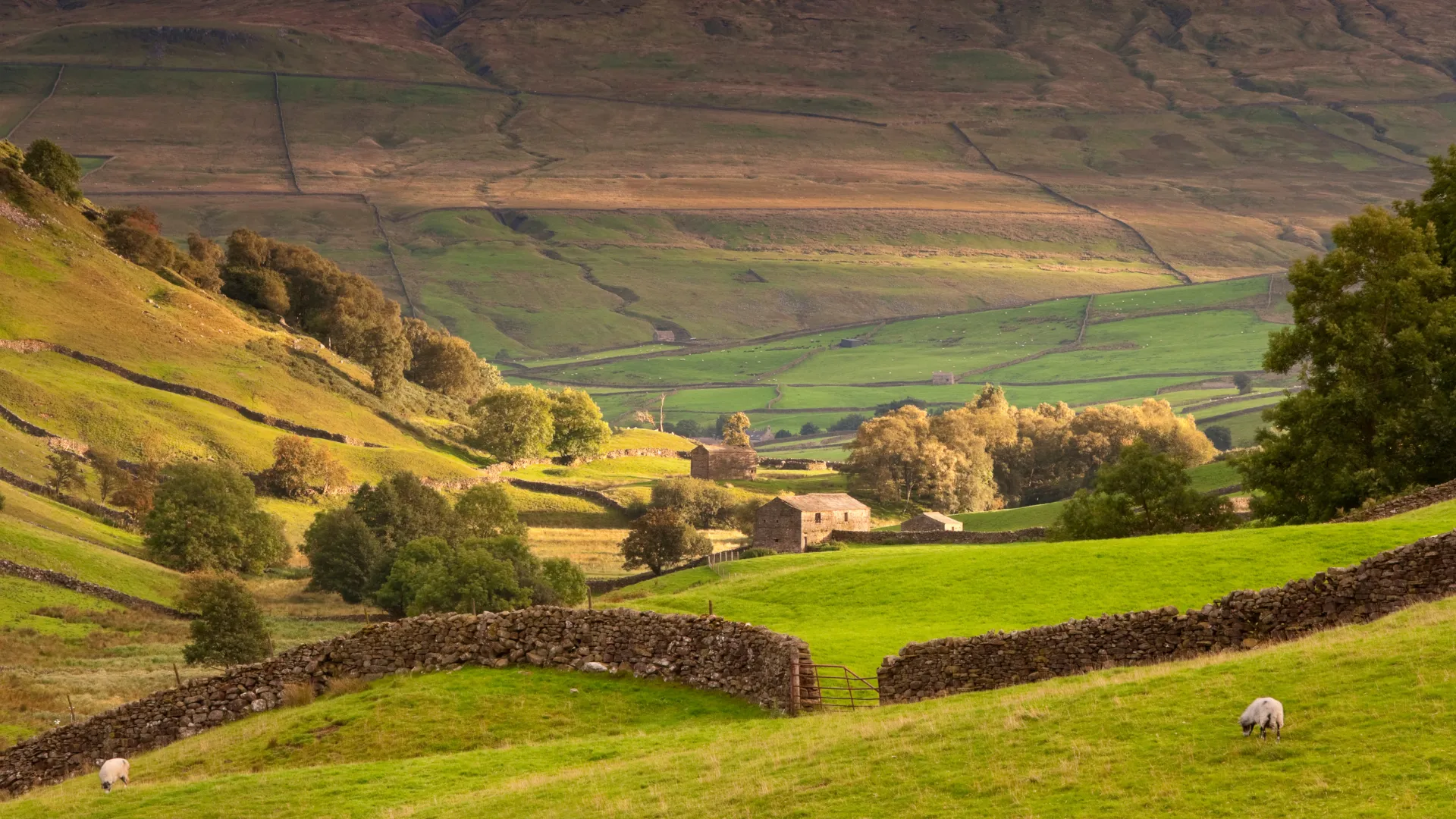
Willow scrub is widespread on damp ground in lowland and upland valleys, floodplains, and moorland fringes. It colonises naturally on disturbed sites, woodland edges, wet pastures, and derelict land where succession has begun.
Willow scrub habitat is common in northern and western Britain but occurs wherever drainage is impeded or grazing pressure allows scrub to establish. It often forms part of a mosaic with wet grassland, fen, or heath.
Soil & Site Requirements
Willow scrub tolerates a wide range of soils but establishes most readily on damp, moderately fertile ground with impeded drainage. Soils are typically neutral to slightly acidic, though the habitat persists on clays, peats, and gleyed mineral soils.
Sites with fluctuating water tables or seasonal waterlogging favour willow over faster-growing tree species. Light levels must remain sufficient to support ground flora. Avoid heavily drained or compacted ground where willow regeneration is suppressed.
How New Willow Scrub Is Created
Inputs
• Assess site hydrology and avoid drainage works
• Control invasive species before planting
• Prepare the site with minimal disturbance to retain seed banks
• Plant native willows as whips or cuttings in clusters, leaving at least 40 percent open ground
• Include hawthorn, hazel, and dog rose at lower densities
• Use locally sourced stock where possible
• Encourage natural colonisation where willow is present nearby
Management
• Protect young plants from heavy grazing for the first two to three years
• Apply light grazing or occasional cutting to maintain mosaic structure
• Avoid fertiliser application
• Monitor for invasive species and control promptly
• Retain dead wood and mature stems
Landscape
• Position creation where long term management can be secured
• Link willow scrub patches with other semi-natural habitats
• Create as part of a broader habitat mosaic
• Locate adjacent to existing wetlands, grasslands, or woodland edges
How Existing Willow Scrub Is Improved
Inputs
• Cut small patches on rotation to create varied age structure
• Infill gaps with native willow, hawthorn, or hazel where regeneration is sparse
• Control invasive species through targeted cutting or spot herbicide treatment
• Retain mature stems, dead wood, and regenerating areas within the same site
Management
• Maintain scrub cover between 10 and 60 percent through patchy cutting or light grazing
• Create or retain small glades and rides to increase edge length and internal variation
• Avoid fertiliser, frequent mowing, or heavy browsing that eliminates regeneration
• Prevent closed canopy from forming by managing grazing or cutting intensity
Landscape
• Link willow scrub patches with nearby wetlands, grasslands, or woodland edges
• Improve continuity with other semi-natural habitats to support species movement
• Protect or restore wet ground conditions by blocking drainage or preventing tree species that dry the site
• Manage at site or landscape scale to strengthen ecological networks
Target Condition
Willow scrub in their defined BNG condition should:
• Support scrub cover between 10 and 60 percent with open grassland, wetland, or bare ground
• Contain a mix of age classes from seedlings to mature stems
• Be dominated by native willow species with hawthorn, hazel, dog rose, or other native shrubs
• Maintain diverse ground flora including tussocky grasses, herbs, and forbs at edges and in glades
• Show minimal invasive or problem species, controlled to less than 5 percent cover
• Demonstrate minimal physical disturbance with no regular flailing, trampling, dumping, or vehicle tracking
• Retain dead wood and mature stems where safe
• Maintain wet ground conditions with no artificial drainage (wet willow scrub only)
The BNG Value of Willow Scrub
• Distinctiveness: Medium
• Condition Potential: Can be maintained or enhanced through light grazing, rotational cutting, and invasive species control
• Habitat Connectivity: Links wetlands, grasslands, and woodlands, supporting transitional habitat networks and species movement
• Climate and Landscape Context: Contributes to floodplain resilience, carbon storage in damp soils, and adapts to fluctuating water tables
Species Typical of Willow Scrub
Canopy or Primary Layer
• Grey willow (Salix cinerea)
• Goat willow (Salix caprea)
• Hawthorn (Crataegus monogyna)
Shrub or Secondary Layer
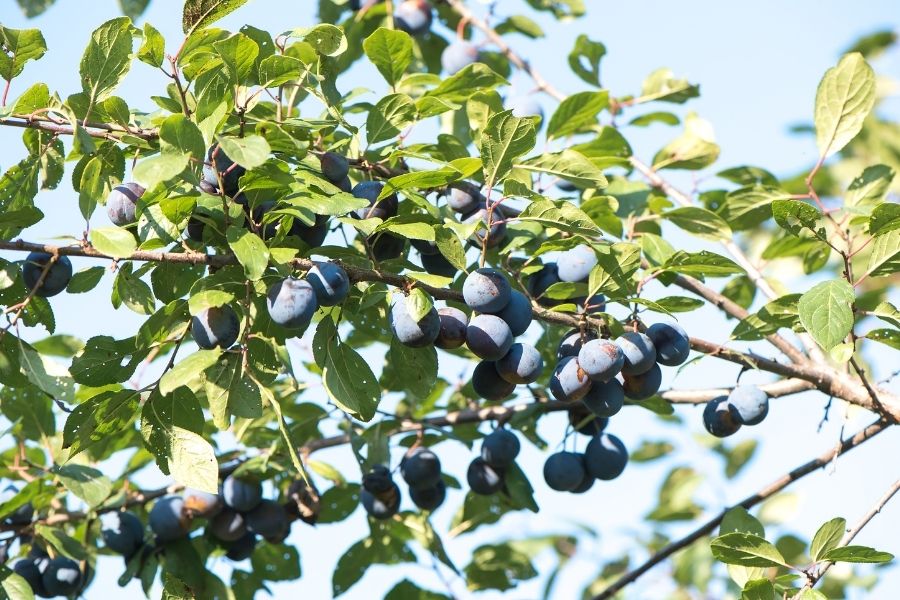
• Blackthorn (Prunus spinosa)
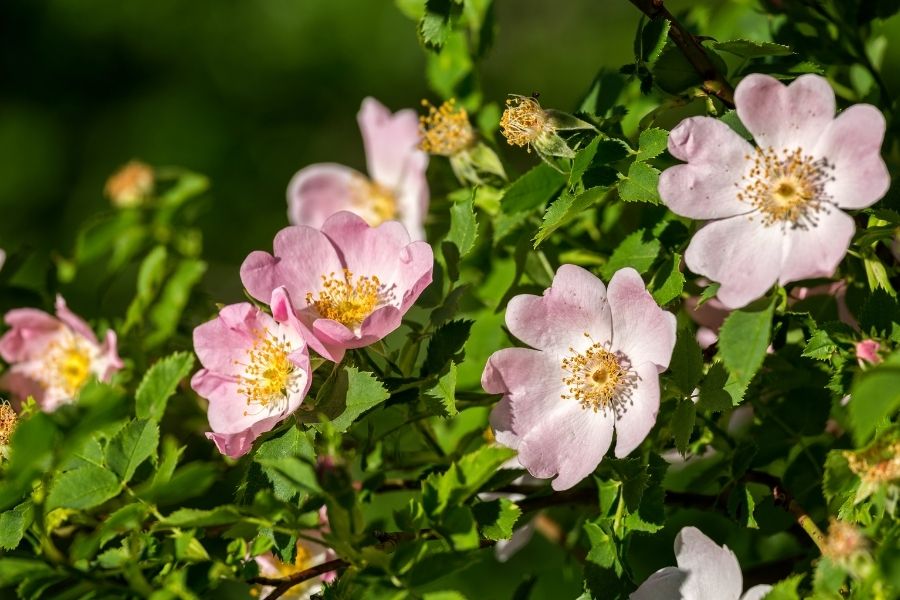
• Dog rose (Rosa canina)
• Bramble
Ground Flora or Understorey
• Tufted hair-grass
• Meadowsweet
• Creeping buttercup (Ranunculus repens)
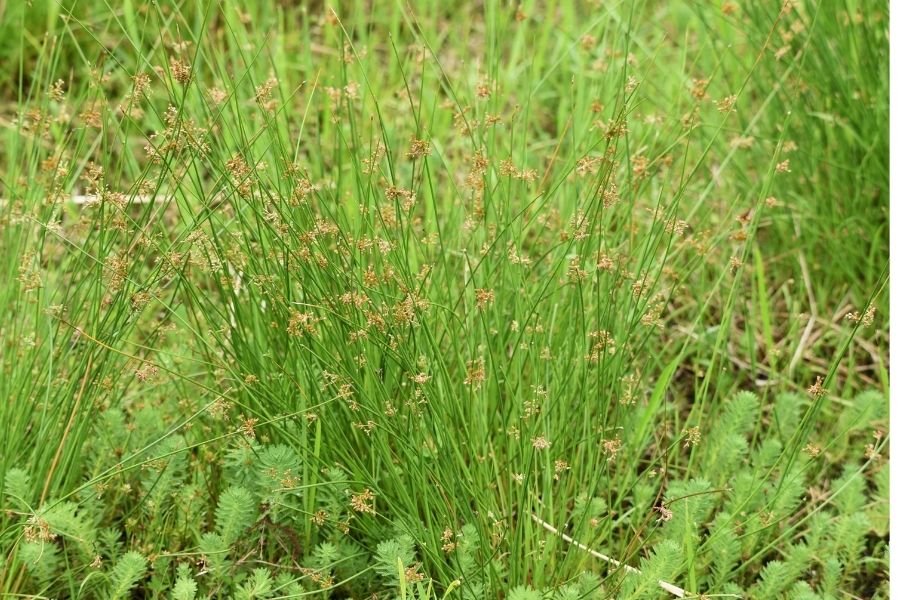
• Soft rush (Juncus effusus)
Frequently Asked Questions
What is willow scrub?
A willow scrub is a transitional habitat dominated by native willows and other shrubs, typically forming on damp or disturbed ground. It exists as a mosaic of scrub and open ground rather than a closed canopy.
How is BNG measured here?
Condition is assessed on structural diversity, scrub cover percentage, native species composition, ground flora richness, and the absence of invasive species or damaging disturbance.
How can I achieve BNG?
Creation requires planting native willows in clusters with 40 to 60 percent of the site left open. Enhancement of existing scrub focuses on increasing age structure diversity, controlling invasives, and managing grazing or cutting to maintain a mosaic.
What is the BNG target condition?
Good or very good condition requires 10 to 60 percent scrub cover, mixed age classes, diverse ground flora, and minimal disturbance. Invasive species must be controlled to less than 5 percent cover.
What management is required?
Light grazing or rotational cutting maintains structural diversity and prevents a closed canopy. Invasive species control is essential. Avoid fertiliser, heavy browsing, frequent flailing, or drainage works. Management should continue across the 30-year BNG period.
Exploring Other Habitats?
-.webp)
Arable field margins pollen and nectar are grass margins around arable fields sown with wildflowers and legumes managed specifically to provide pollen and nectar resources for invertebrates. The mix must include at least four nectar-rich flowering species and the margin is kept low-input and rotationally cut to maintain flowering through the season. The arable field must remain in a crop rotation including an arable crop.
Unlike wild bird seed margins, the management objective here is flowering continuity for pollinators rather than seed retention for birds. This habitat type sits within the Cropland broad habitat in the BNG metric and is classified separately from tussocky margins, cultivated margins and game bird mix.

Arable field margins game bird mix are margins, strips, blocks or corners around arable fields sown with wild bird cover crops and left unharvested over winter so that seed produced by the plants remains available to farmland wildlife. The arable field must be in a crop rotation that includes an arable crop, such as wheat, barley, maize or oats, even if in certain years the field is in temporary grass, set-aside or fallow.
Mixes typically combine seed-bearing cereals, brassicas and oil-rich crops to provide food through the winter hungry gap and standing cover for gamebirds and declining farmland bird species.
Arable field margins cultivated annually are strips along the edges of arable fields, typically 2–12 metres wide, managed under a low-input regime to support annual arable plants. They are lightly cultivated each year, usually in late summer or autumn, without herbicide or fertiliser, creating the open, disturbed soil conditions that annual arable flora requires to germinate.
Ready to buy your units?
Easily buy your BNG units online today to ensure compliance and positive environmental impact.