
Upland Oakwood BNG Units
High
Woodland and forest
Northern and Western Britain in wetter upland landscapes
PAINT.jpeg)

Trusted by Developers and Landowners







What is Upland Oakwood?
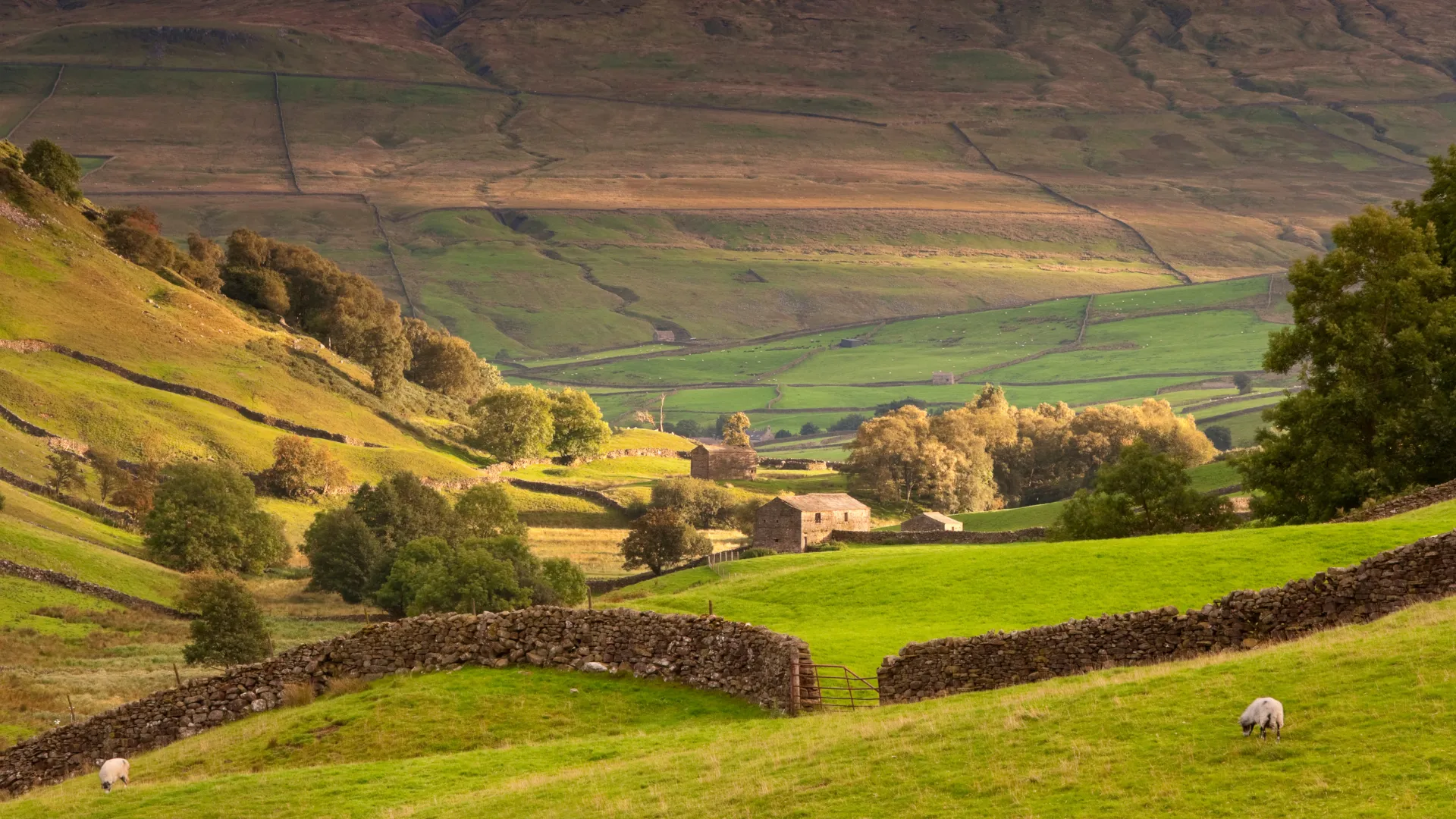
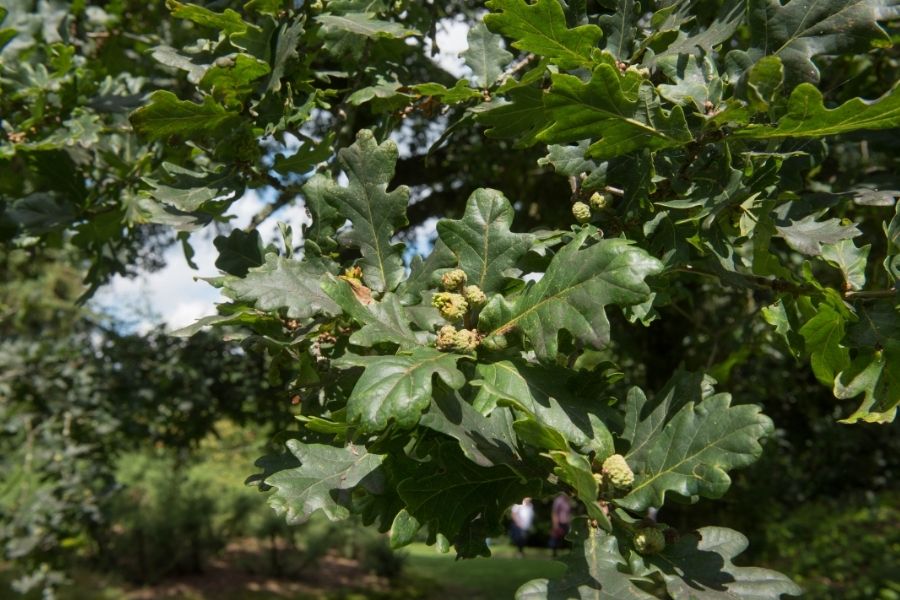
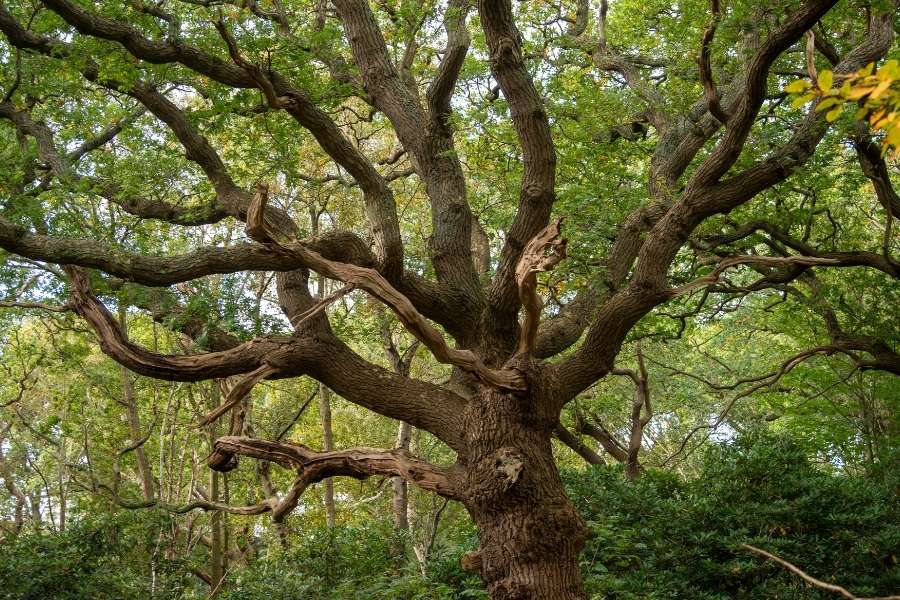
An Upland Oakwood BNG habitat is an ancient, structurally rich woodland habitat found across the steep valley sides, hillslopes and rocky terrain of upland Britain. It is dominated by sessile oak, often growing alongside downy birch, rowan and hazel, and is characterised by a dense, mossy ground flora shaped by the cool, wet and acidic conditions of the upland zone.
These Woodlands have developed over centuries of low-intensity management and natural regeneration on thin, free-draining or rocky soils. Many are classified as ancient semi-natural woodland, supporting specialist bryophyte and lichen communities of international significance alongside a diverse invertebrate fauna, woodland birds and, in some stands, rare vascular plants.
Why It Matters for BNG
Upland Oakwood generates high distinctiveness biodiversity units under the statutory metric. Its strong BNG value, combined with its ancient woodland status in many parcels, makes it a credible and well-evidenced habitat for off-site gains where appropriate management commitments can be secured.
Learn more about BNG for landowners →
Where You'll Find It
Upland Oakwood is concentrated in the wetter, more acidic parts of Britain. It typically occupies valley sides, gorges and steep slopes where thin, acid soils and high rainfall favour oak and birch over other woodland types.
Soil & Site Requirements
Upland Oakwood develops on thin, free-draining, acidic or mildly acidic soils including brown earths, podzols and skeletal rankers overlying hard rock. Soil pH is typically between 4.0 and 5.5. The habitat is associated with high rainfall, cool temperatures and acidic parent geology such as granite, slate and other hard siliceous rocks.
How New Upland Oakwood Is Created
Inputs
• Use locally native oak and birch
• Avoid non-native conifers and inappropriate broadleaves
• Protect young trees from browsing
• Establish on suitable acidic upland soils
Management
• Encourage natural regeneration through small canopy gaps
• Reduce grazing pressure to enable oak recruitment
• Retain deadwood and veteran trees
• Avoid large-scale clear-felling
Landscape
• Extend existing woodland blocks where feasible
• Maintain connectivity with moorland, heath and riparian habitats
• Protect humid gullies and shaded slopes
How Existing Upland Oakwood Is Improved
Inputs
• Reduce deer and livestock browsing
• Remove invasive shrubs and non-native trees
• Improve structural diversity
Management
• Create varied age structure through selective thinning
• Maintain glades and woodland edges rotationally
• Retain standing and fallen deadwood
• Protect bryophyte-rich areas from disturbance
Landscape
• Increase woodland block size where possible
• Buffer edges with scrub or semi-natural grassland
• Reduce fragmentation from tracks or infrastructure
Target Condition
Upland Oakwood in defined BNG condition should:
• Be dominated by native oak–birch assemblages
• Contain multiple age classes
• Show active regeneration of oak and associated species
• Retain standing and fallen deadwood
• Support characteristic upland ground flora communities
• Maintain low levels of invasive species
• Experience limited grazing and disturbance
The BNG Value of Upland Oakwood
• Distinctiveness: High
• Condition Potential: Strong uplift potential where regeneration and structure are restored
• Restoration Pathway: Primarily enhancement and PAWS restoration rather than full new creation
• Strategic Value: Core habitat within upland ecological networks, linking woodland, heath and riparian systems
Species Typical of Upland Oakwood
Canopy or Primary Layer
• Sessile oak (Quercus petraea)
• Pedunculate oak (Quercus robur)
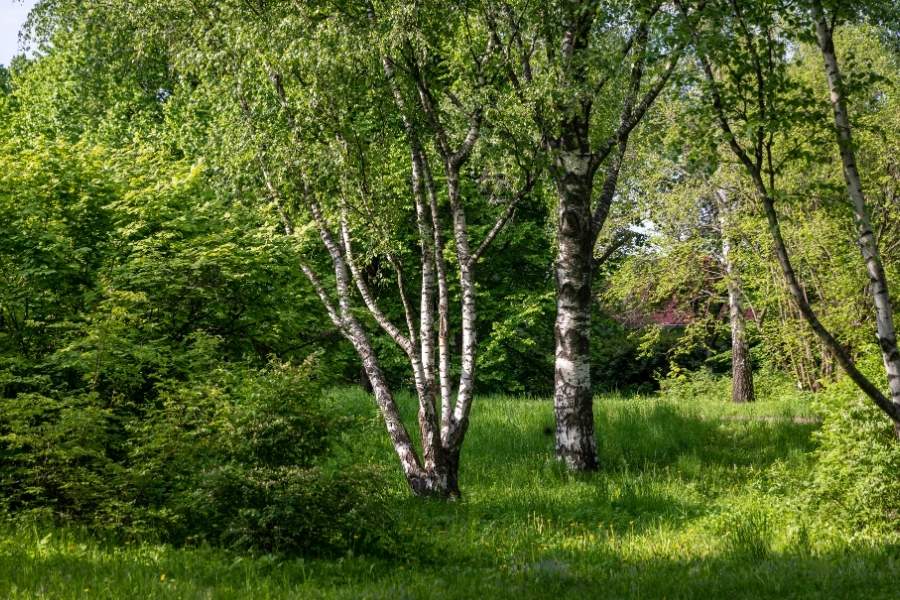
• Birch
Shrub or Secondary Layer
• Holly
• Rowan (Sorbus aucuparia)
• Hazel
Ground Flora or Understorey
• Bluebell (Hyacinthoides non-scripta)
• Bracken
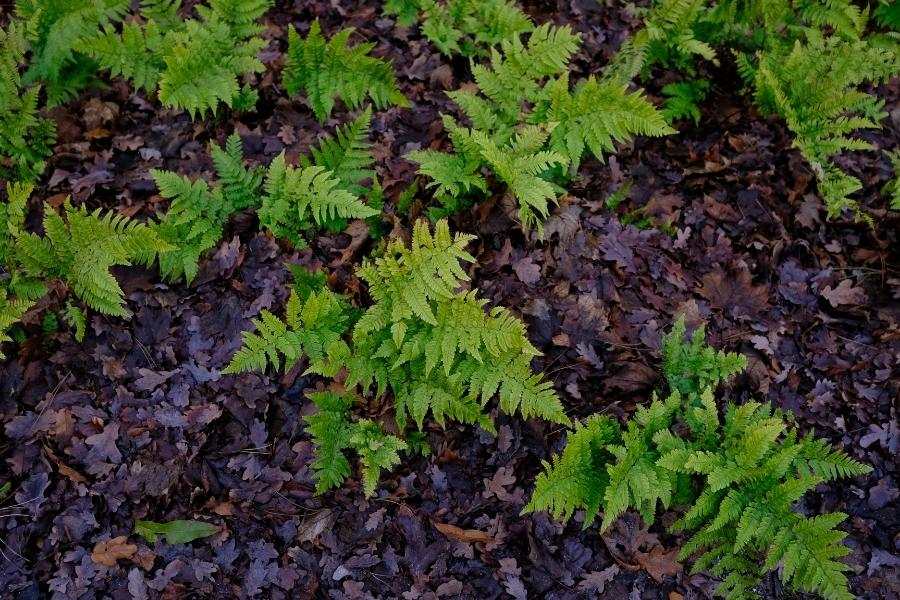
• Ferns
• Bilberry (Vaccinium myrtillus)
• Moss-rich and heathy communities on acidic soils
Frequently Asked Questions
What is Upland Oakwood?
Upland Oakwood is a high distinctiveness priority woodland habitat found on acidic upland soils in the wetter parts of Britain. It is dominated by sessile oak, downy birch and rowan.
How is BNG measured for upland oakwood?
Condition is assessed using 13 scored indicators covering age structure, native species diversity, regeneration, deadwood, veteran trees, ground flora, vertical structure, herbivore damage, invasive species and disturbance.
How can I achieve BNG with upland oakwood?
Upland oakwood can deliver BNG through improving the condition of existing stands or by creating new woodland on suitable acidic upland sites. The highest unit gains typically come from moving existing woodland from Poor or Moderate to Good condition.
What is the BNG target condition?
The most diagnostic criteria for upland oak are native species diversity and cover, a functioning regeneration layer, deadwood across at least half of sample plots, ancient woodland indicator species in the ground flora, and low browsing and invasive species pressure.
What management is required?
Long-term management focuses on deer and invasive species control, retention of deadwood and veteran features, and light structural thinning to improve age distribution and regeneration.
Exploring Other Habitats?
-.webp)
Arable field margins pollen and nectar are grass margins around arable fields sown with wildflowers and legumes managed specifically to provide pollen and nectar resources for invertebrates. The mix must include at least four nectar-rich flowering species and the margin is kept low-input and rotationally cut to maintain flowering through the season. The arable field must remain in a crop rotation including an arable crop.
Unlike wild bird seed margins, the management objective here is flowering continuity for pollinators rather than seed retention for birds. This habitat type sits within the Cropland broad habitat in the BNG metric and is classified separately from tussocky margins, cultivated margins and game bird mix.

Arable field margins game bird mix are margins, strips, blocks or corners around arable fields sown with wild bird cover crops and left unharvested over winter so that seed produced by the plants remains available to farmland wildlife. The arable field must be in a crop rotation that includes an arable crop, such as wheat, barley, maize or oats, even if in certain years the field is in temporary grass, set-aside or fallow.
Mixes typically combine seed-bearing cereals, brassicas and oil-rich crops to provide food through the winter hungry gap and standing cover for gamebirds and declining farmland bird species.
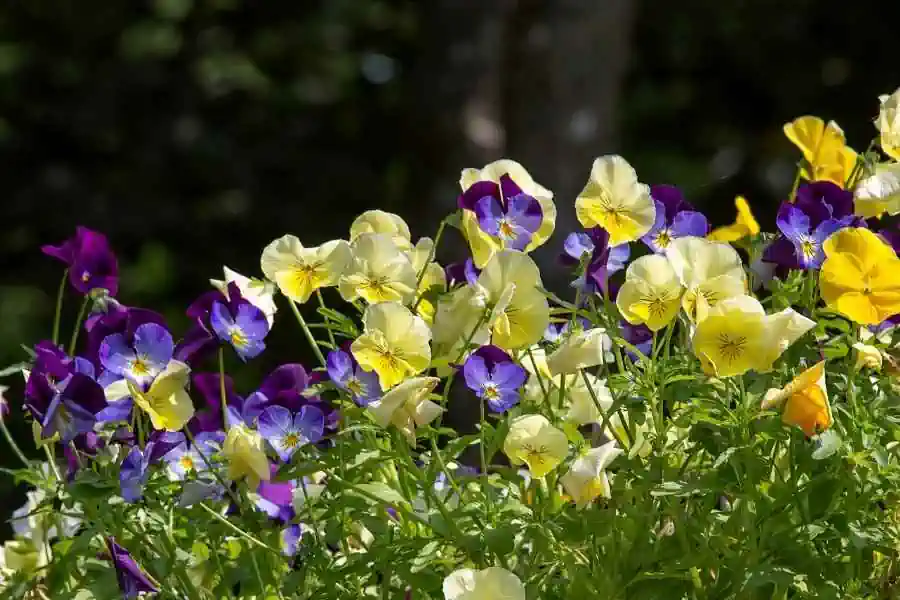
Arable field margins cultivated annually are strips along the edges of arable fields, typically 2–12 metres wide, managed under a low-input regime to support annual arable plants. They are lightly cultivated each year, usually in late summer or autumn, without herbicide or fertiliser, creating the open, disturbed soil conditions that annual arable flora requires to germinate.
Ready to buy your units?
Easily buy your BNG units online today to ensure compliance and positive environmental impact.