
Wood-pasture and Parkland BNG Units
Very high
Woodland and forest
-(1)PAINT.jpeg)

Trusted by Developers and Landowners







What is Wood-pasture and Parkland?
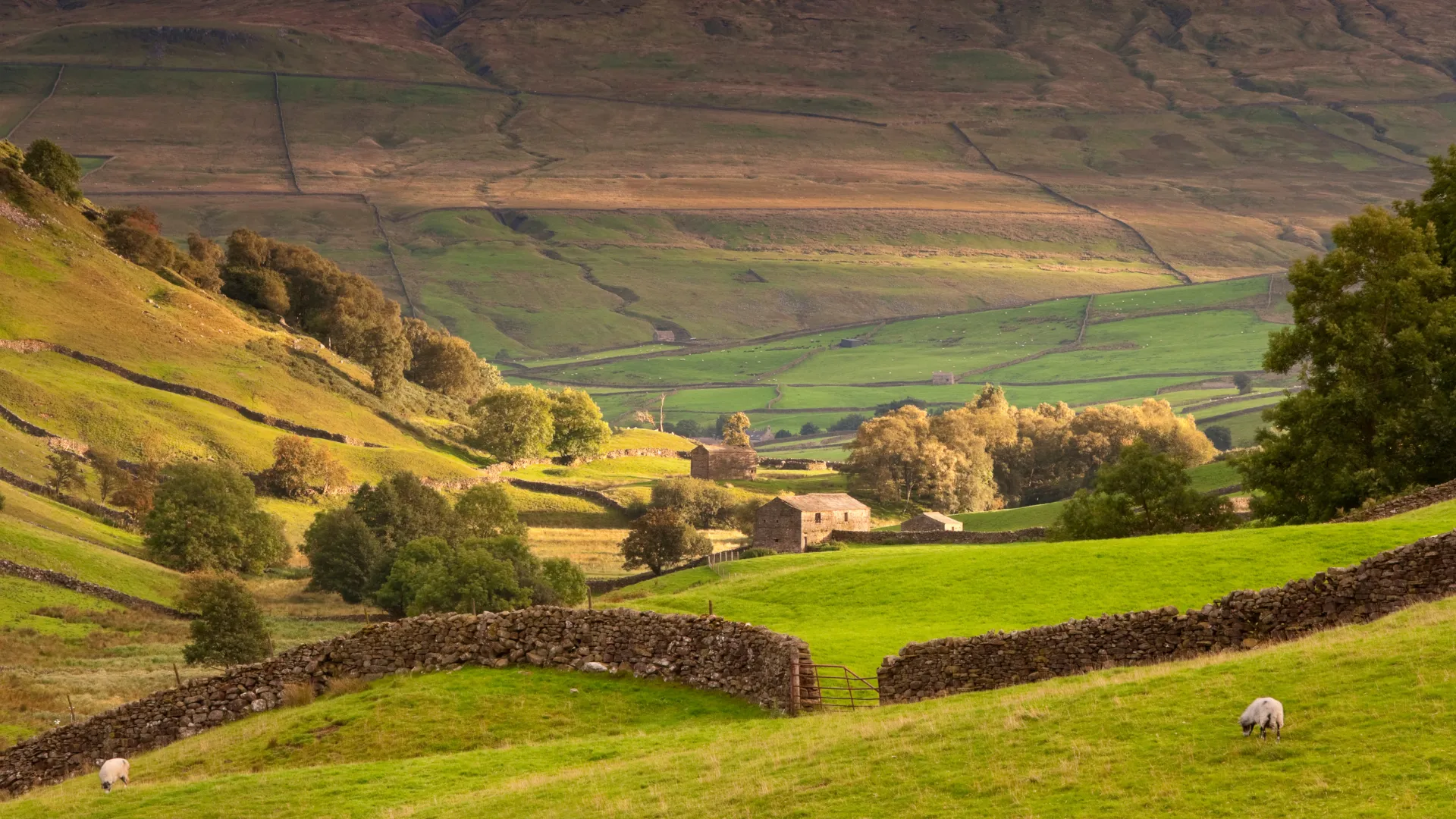
Wood-pasture and Parkland are mosaic habitats of open grassland, heath or rough pasture with scattered open-grown trees. These trees are often ancient, veteran or historically pollarded and shaped by long-term grazing.
Unlike closed woodland, this habitat maintains a semi-open structure. Grazing animals prevent canopy closure, creating a landscape of individual trees, scrub clumps and open sward. Veteran trees with decay features such as hollows, rot holes, deadwood, and cavities are central to its ecological value. Animal dung, nectar-rich grassland and structural continuity support specialist fungi, lichens, invertebrates, birds and bats.
Many sites have historic origins in medieval forests, deer parks, and commons.
Why It Matters for BNG
Wood-pasture and Parkland generate high distinctiveness biodiversity units where ancient veteran trees are present, the habitat carries irreplaceable status under planning policy. Off-site BNG delivery through condition improvement on existing sites offers strong and well-evidenced unit yield.
Learn more about BNG for landowners →
Where You'll Find It
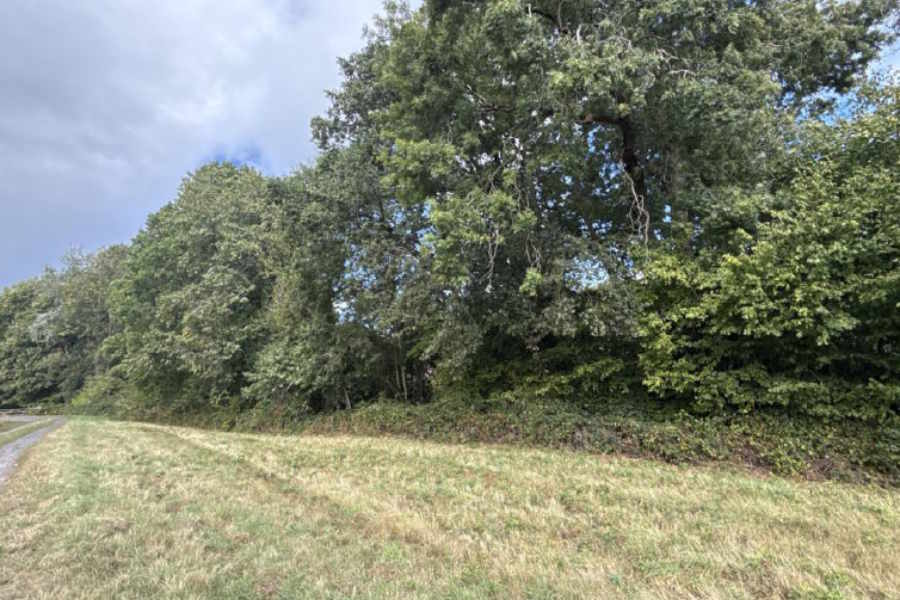
Wood-pasture and Parkland is found across lowland and upland Britain, most commonly associated with historic deer parks, ancient commons, Royal Forests, estate parklands and grazed wood-edges that have never been converted to arable or intensive grassland.
Smaller but ecologically important fragments survive on farms, estate grounds, old commons and upland edge sites where traditional pastoral management has been maintained or only recently interrupted.
Soil & Site Requirements
Wood-pasture and parkland develops across a wide range of soil types, from heavy clays and silty loams in lowland parklands to thin acidic soils on upland commons. Soil pH varies depending on the underlying geology, but unimproved or semi-improved conditions are essential — no cultivation, reseeding or fertiliser application within the drip lines of veteran trees. The habitat's defining soil feature is long-term continuity of low-intensity grazing without nutrient enrichment, which sustains the unimproved grassland and heath communities of the open sward.
How New Wood-pasture and Parkland Is Created
Inputs
Select open sites with existing mature or veteran trees
Plant scattered open-grown trees of locally native species and appropriate form
Use the same species and growth forms as any existing veteran trees on site
Avoid planting in dense blocks; prioritise open-grown, free-standing trees
Source planting stock from locally native provenances
Management
Introduce light year-round grazing with cattle or sheep
Fence and protect newly planted trees against browsing and bark damage
Monitor sward structure and adjust stocking to maintain 10–20% open space
Avoid cultivation, drainage improvement or fertiliser application
Landscape
Position creation adjacent to existing wood-pasture, ancient woodland or veteran tree features
Plan for a 30-year management horizon with legal agreements
Ensure long-term management commitments are in place
How Existing Wood-pasture and Parkland Is Improved
Inputs
Score current condition using the 13-criterion woodland condition sheet
Identify which indicators are failing, open space, veteran trees and deadwood
Map veteran trees individually and record their condition, features and any immediate threats
Introduce appropriate native shrubs and understorey species
Management
Retain all standing and fallen deadwood
Fence off individual veteran trees from livestock
Manage native scrub in varied heights across the site
Apply a stocking calendar with lighter grazing in spring and summe
Spot-treat invasive bracken, nettles and non-native species using targeted herbicide or weed-wipe application
Do not apply broad fertilisers, pesticides or manures
Plan for veteran tree succession
Landscape
Restore adjacent fields or improved grassland to extend the open mosaic and buffer veteran trees from agricultural pressures
Design boundaries as graded transitions into scrub, hedgerow or unimproved grassland
Protect historic landscape features including park boundaries, ridge and furrow, earthworks and veteran tree lines within 0.5 m uncultivated buffers
Target Condition
Wood-pasture and parkland in Good condition should:
• Contain multiple tree age classes including veterans
• Maintain 10–20% open grazed space
• Support ≥2 veteran trees per hectare
• Retain standing and fallen deadwood
• Show active regeneration of native trees
• Have low invasive species cover
• Maintain balanced grazing pressure
The BNG Value of Wood-pasture and Parkland
• Distinctiveness: Very High
• Condition Potential: Moderate uplift possible through grazing balance and regeneration
• Restoration Pathway: Enhancement of existing mosaics; true recreation is long-term
• Strategic Value: One of the most valuable woodland mosaics for saproxylic species and veteran tree networks
Species Typical of Wood-pasture and Parkland
Canopy or Primary Layer
• Oak
• Beech (Fagus sylvatica)
• Ash (Fraxinus excelsior)
• Sweet chestnut (Castanea sativa)
Shrub or Secondary Layer
• Hawthorn (Crataegus monogyna)
• Blackthorn
• Hazel
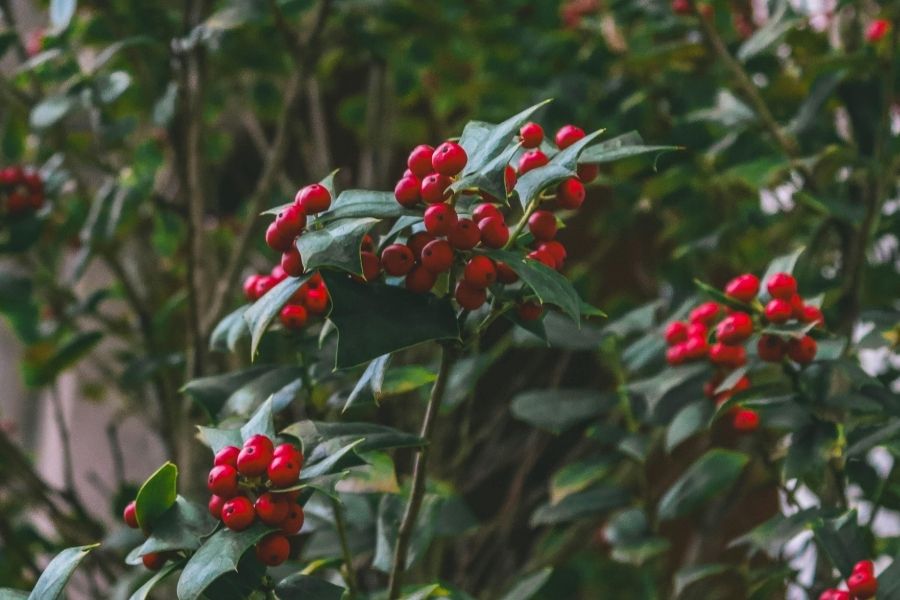
• Holly (Ilex aquifolium)
Ground Flora or Understorey
• Rough grassland species
• Meadow grasses (e.g. Festuca rubra, Poa trivialis)
• Heath species (on acidic sites) (e.g. Calluna vulgaris, Erica cinerea)
• Nectar-rich herbs
PAINT.jpeg)
Frequently Asked Questions
What is Wood-pasture and Parkland?
Wood-pasture and Parkland Habitat is a high distinctiveness priority habitat combining open-grown veteran trees with a grazed understorey of grassland, heath or scrub. It is defined by the co-existence of trees at all stages of life.
How is BNG measured here?
Condition is assessed using 13 scored indicators across age structure, native species diversity, regeneration, open space, veteran trees, deadwood, ground flora, vertical structure, herbivore damage, invasive species and disturbance.
How can I achieve BNG?
The most effective route is improving condition on existing sites by addressing the weakest indicators. Through enhancement of grazing balance, veteran protection and regeneration planning.
What is the BNG target condition?
Good condition with ≥2 veterans per hectare, balanced openness and strong structural diversity.
What management is required?
Long-term management focuses on maintaining the open mosaic through balanced grazing, protecting veteran trees from root compaction and bark damage, retaining all deadwood features, managing native scrub for structural diversity, and preventing nutrient enrichment or soil disturbance.
Exploring Other Habitats?
-.webp)
Arable field margins pollen and nectar are grass margins around arable fields sown with wildflowers and legumes managed specifically to provide pollen and nectar resources for invertebrates. The mix must include at least four nectar-rich flowering species and the margin is kept low-input and rotationally cut to maintain flowering through the season. The arable field must remain in a crop rotation including an arable crop.
Unlike wild bird seed margins, the management objective here is flowering continuity for pollinators rather than seed retention for birds. This habitat type sits within the Cropland broad habitat in the BNG metric and is classified separately from tussocky margins, cultivated margins and game bird mix.
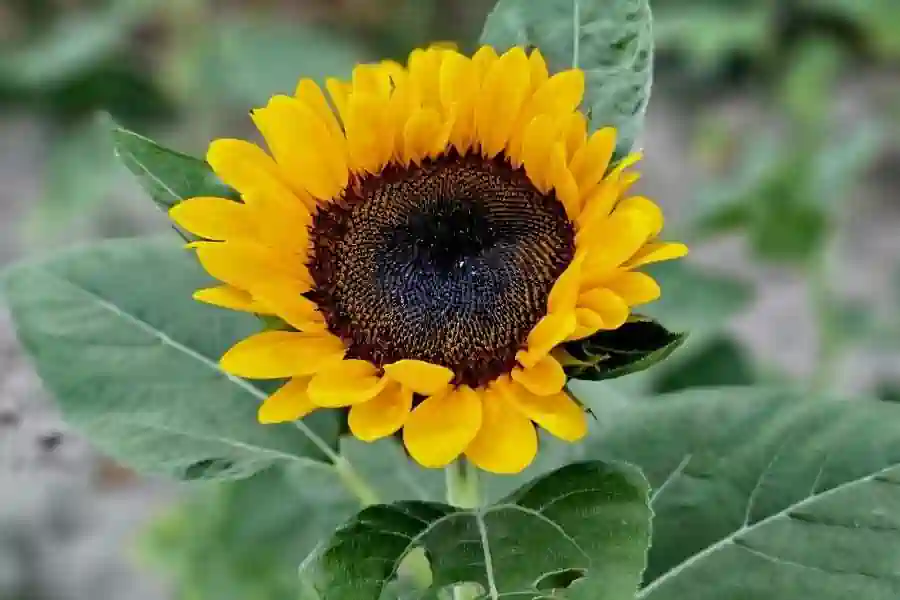
Arable field margins game bird mix are margins, strips, blocks or corners around arable fields sown with wild bird cover crops and left unharvested over winter so that seed produced by the plants remains available to farmland wildlife. The arable field must be in a crop rotation that includes an arable crop, such as wheat, barley, maize or oats, even if in certain years the field is in temporary grass, set-aside or fallow.
Mixes typically combine seed-bearing cereals, brassicas and oil-rich crops to provide food through the winter hungry gap and standing cover for gamebirds and declining farmland bird species.
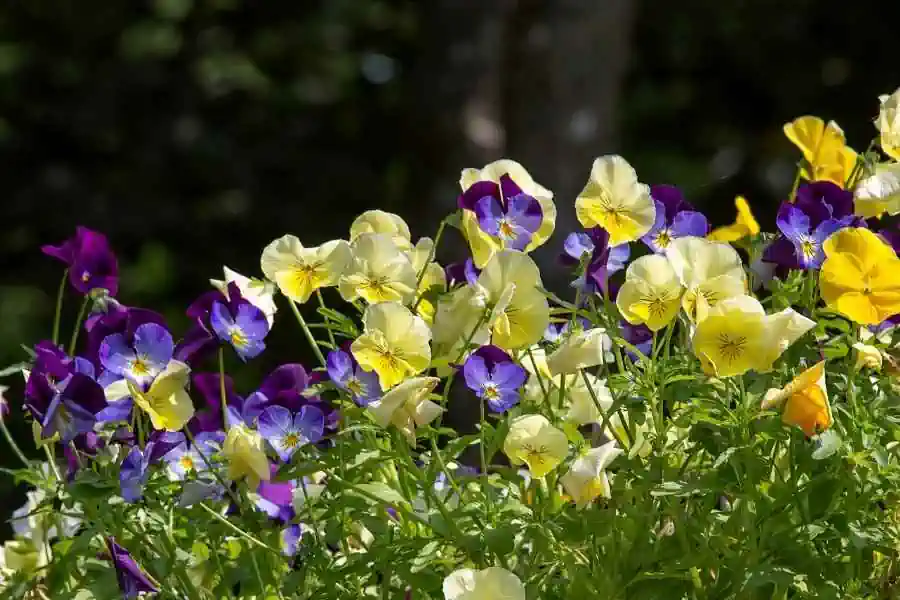
Arable field margins cultivated annually are strips along the edges of arable fields, typically 2–12 metres wide, managed under a low-input regime to support annual arable plants. They are lightly cultivated each year, usually in late summer or autumn, without herbicide or fertiliser, creating the open, disturbed soil conditions that annual arable flora requires to germinate.
Ready to buy your units?
Easily buy your BNG units online today to ensure compliance and positive environmental impact.