
Lowland Beech and Yew Woodland BNG Units
High
Woodland and forest


Trusted by Developers and Landowners







What is Lowland Beech and Yew Woodland?
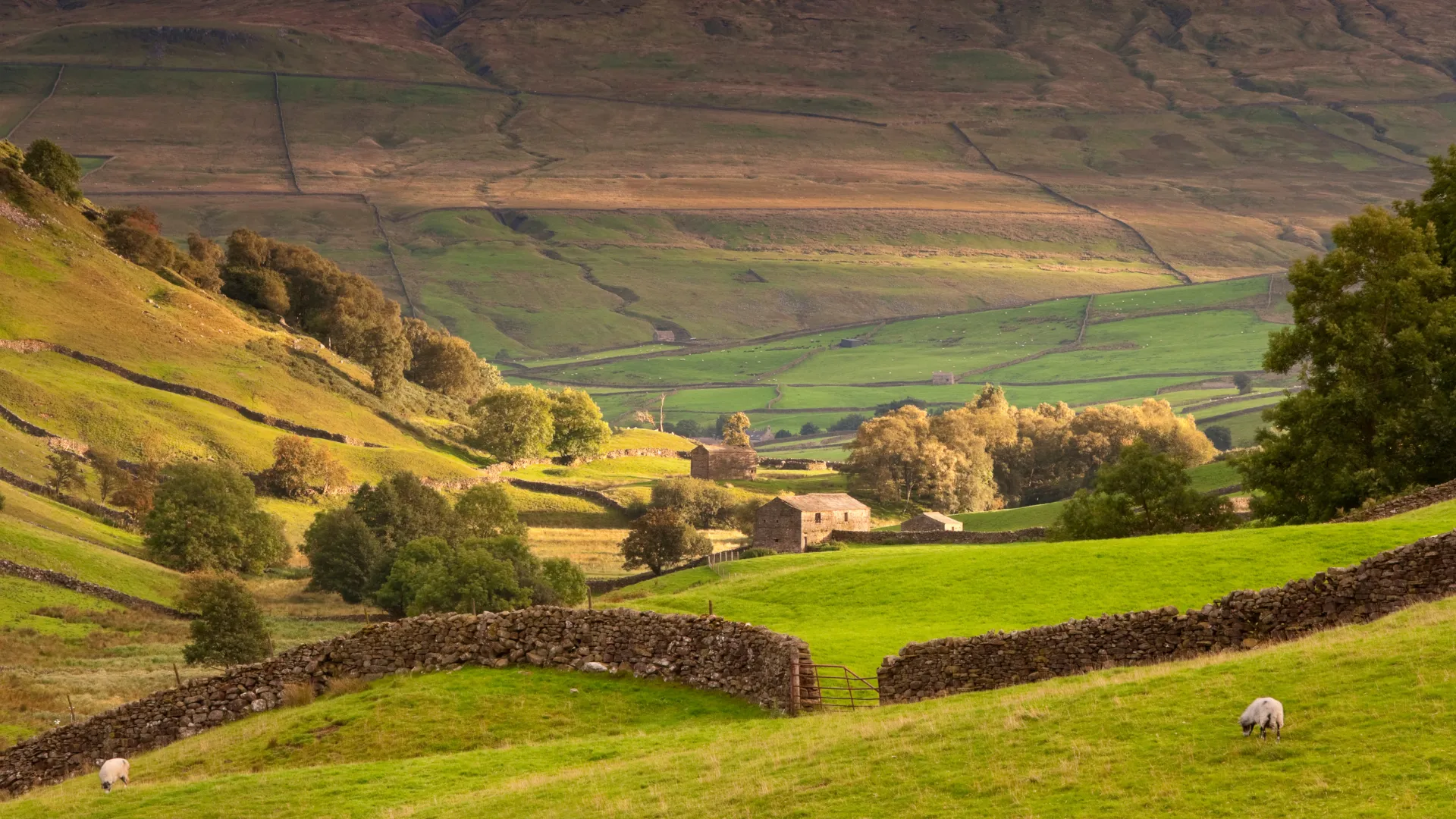
Lowland Beech and Yew Woodland is a priority broadleaved woodland habitat dominated by beech, and in some cases yew, on suitable lowland soils. These woodlands occur mainly on chalk and limestone scarps, as well as neutral and acidic lowland soils where beech has become long established. Many stands are ancient woodland, while others are long-standing secondary woods that now support characteristic beech woodland communities.
The habitat typically supports a closed beech canopy, sometimes with yew forming a secondary layer or pure stands on steep slopes. Ash, whitebeam, oak and holly may also occur depending on soil type and local conditions. Structure and ground flora vary according to geology and management history, reflecting recognised woodland NVC communities.
Why It Matters for BNG
Lowland Beech and Yew Woodland is high distinctiveness and subject to strict trading rules. It sits firmly in the high distinctiveness woodland band. Condition improvement in existing stands offers strong and well-evidenced unit yield for off-site BNG delivery.
Learn more about BNG for landowners →
.jpeg)
Where You'll Find It
Lowland Beech and Yew Woodland is found in lowland southern and central England, mainly on chalk and limestone landscapes. It typically occurs on scarps, slopes and plateau edges with free-draining soils. Smaller stands also occur on neutral or mildly acidic lowland soils where beech has long been established. It is restricted to lowland settings and does not extend into upland woodland zones.
Soil & Site Requirements
Lowland beech and yew woodland spans a wide range of soil conditions. Calcareous types develop on chalk and limestone, base-rich soils with pH above 6. Neutral to slightly acidic types occupy heavier soils with impeded drainage and pH between 4 and 7. Acidic types occur on light sandy or gravelly soils with pH between 3.5 and 4.5. All types require lowland conditions generally below the upland line, and are sensitive to drought on free-draining chalk and shallow soils.
How New Lowland Beech and Yew Woodland Is Created
Inputs
• Use locally appropriate native broadleaves
• Avoid non-native conifers
• Protect young trees from browsing
• Establish on suitable lowland soils
Management
• Encourage natural regeneration
• Create small canopy gaps rather than large clear-fells
• Retain deadwood and veteran features
• Avoid intensive soil disturbance
Landscape
• Extend or buffer existing woodland blocks
• Maintain continuity with other semi-natural woodland
• Avoid isolated planting detached from ecological networks

How Existing Lowland Beech and Yew Woodland Is Improved
Inputs
• Reduce non-native or invasive species
• Improve regeneration opportunities
• Protect soils from compaction
Management
• Control deer and grazing pressure
• Promote varied age structure
• Retain standing and fallen deadwood
• Manage rides and glades rotationally
Landscape
• Improve block size where feasible
• Create graded woodland edges
• Strengthen connectivity with adjacent semi-natural habitats
Target Condition
Lowland Beech and Yew Woodland in defined BNG condition should:
• Be dominated by characteristic beech and/or yew woodland species
• Contain multiple age classes
• Show active natural regeneration
• Retain adequate deadwood across the site
• Support a recognisable woodland ground flora community
• Have low invasive species cover
• Experience limited browsing and disturbance

The BNG Value of Lowland Beech and Yew Woodland
• Distinctiveness: High
• Condition Potential: Moderate to high through regeneration and structural improvement
• Restoration Pathway: Primarily enhancement of existing woodland
• Strategic Value: Critical lowland woodland type within chalk and limestone landscapes
Species Typical of Lowland Beech and Yew Woodland
Canopy or Primary Layer
• Beech (Fagus sylvatica)
• Yew (Taxus baccata)
• Ash
• Whitebeam
• Oak
Shrub or Secondary Layer
• Holly (Ilex aquifolium)
• Hazel
• Hawthorn (Crataegus monogyna)
Ground Flora or Understorey
• Dog’s-mercury (Mercurialis perennis)
• Ramsons
• Wood crane’s-bill (Geranium sylvaticum)
• Solomon’s-seal
• Woodland orchids in calcareous stands
.jpg)
.avif)
Frequently Asked Questions
What is Lowland Beech and Yew Woodland?
Lowland beech and yew woodland is a high distinctiveness priority woodland habitat dominated by beech, and locally by yew, on lowland calcareous, neutral and acidic soils in southern and central Britain.
How is BNG measured here?
The most diagnostic indicators for this habitat are beech and yew dominance, multi-age structure including veteran trees. It is classed as a high distinctiveness habitat.
How can I achieve BNG?
The most effective route is improving the condition of existing stands, which commonly fail on age structure, regeneration and deadwood. Moving a parcel from Poor to Good condition increases the BNG unit multiplier from 0.5 to 1.0, doubling the unit output from the same land area.
What is the BNG target condition?
The three indicators that most commonly prevent stands from reaching Good condition are single-age canopy structure, absence of regeneration, and low deadwood coverage.
What management is required?
Long-term management focuses on restoring multi-age structure through light, phased thinning, reducing deer browsing to allow regeneration, retaining all deadwood and veteran features, controlling non-native species and protecting the NVC ground flora communities from soil disturbance and enrichment.
Exploring Other Habitats?
-.webp)
Arable field margins pollen and nectar are grass margins around arable fields sown with wildflowers and legumes managed specifically to provide pollen and nectar resources for invertebrates. The mix must include at least four nectar-rich flowering species and the margin is kept low-input and rotationally cut to maintain flowering through the season. The arable field must remain in a crop rotation including an arable crop.
Unlike wild bird seed margins, the management objective here is flowering continuity for pollinators rather than seed retention for birds. This habitat type sits within the Cropland broad habitat in the BNG metric and is classified separately from tussocky margins, cultivated margins and game bird mix.

Arable field margins game bird mix are margins, strips, blocks or corners around arable fields sown with wild bird cover crops and left unharvested over winter so that seed produced by the plants remains available to farmland wildlife. The arable field must be in a crop rotation that includes an arable crop, such as wheat, barley, maize or oats, even if in certain years the field is in temporary grass, set-aside or fallow.
Mixes typically combine seed-bearing cereals, brassicas and oil-rich crops to provide food through the winter hungry gap and standing cover for gamebirds and declining farmland bird species.
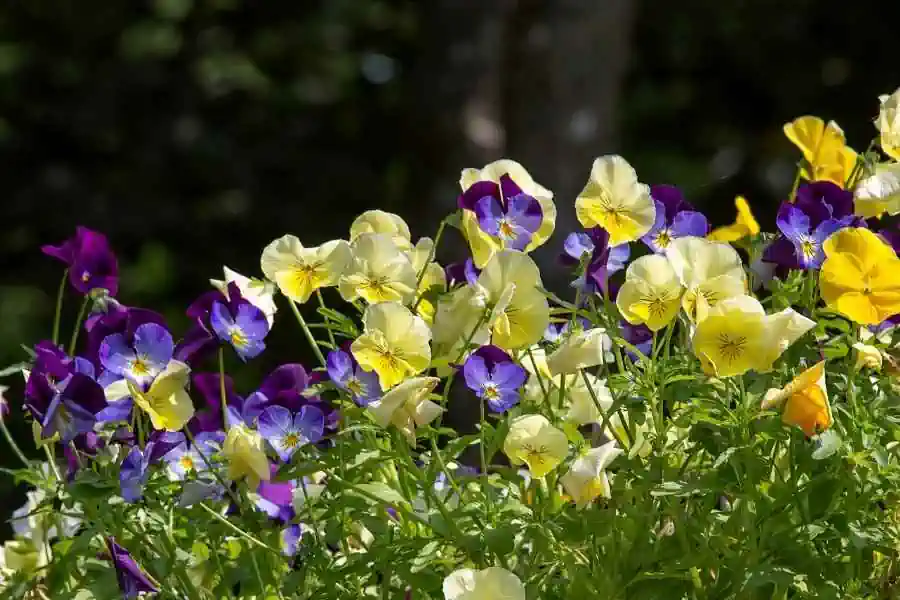
Arable field margins cultivated annually are strips along the edges of arable fields, typically 2–12 metres wide, managed under a low-input regime to support annual arable plants. They are lightly cultivated each year, usually in late summer or autumn, without herbicide or fertiliser, creating the open, disturbed soil conditions that annual arable flora requires to germinate.
Ready to buy your units?
Easily buy your BNG units online today to ensure compliance and positive environmental impact.