
Lowland Mixed Deciduous Woodland BNG Units
High
Woodland and forest

Trusted by Developers and Landowners







What is Lowland Mixed Deciduous Woodland?
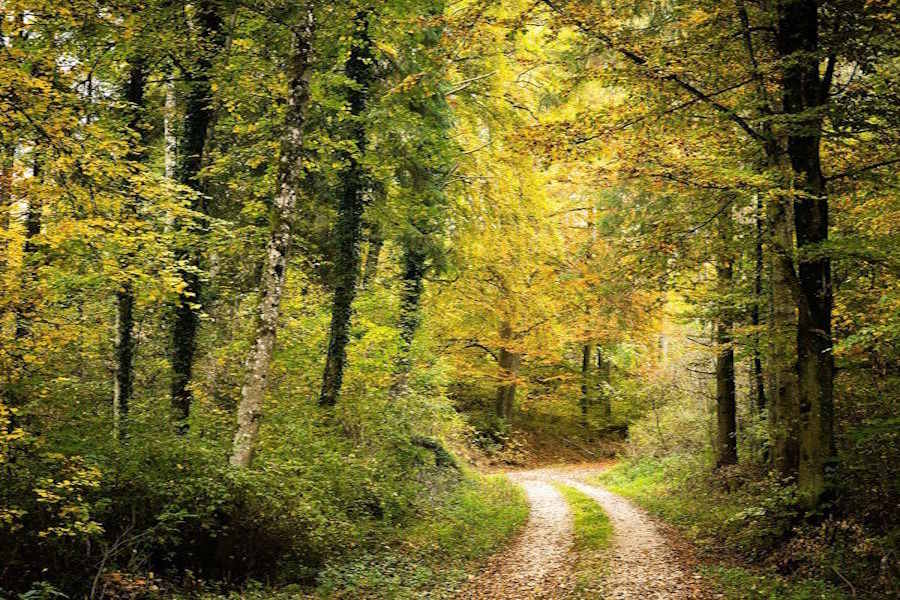
A broadleaved woodland type dominated by native deciduous trees typical of the English lowlands. It includes stands with oak, birch, field maple and other natives, with a shrub layer and a distinctive ground flora. It is a priority habitat and scores highly in the metric when well managed.
Why It Matters for BNG
This habitat provides high distinctiveness woodland units and supports long term biodiversity gains. Woodland creation satisfies offsite and onsite BNG commitments with strong ecological outcomes.
Establishing or restoring native woodland secures high value BNG units and complements long term stewardship. Structured thinning, natural regeneration, and native planting maintain condition.
Where Is It Found?
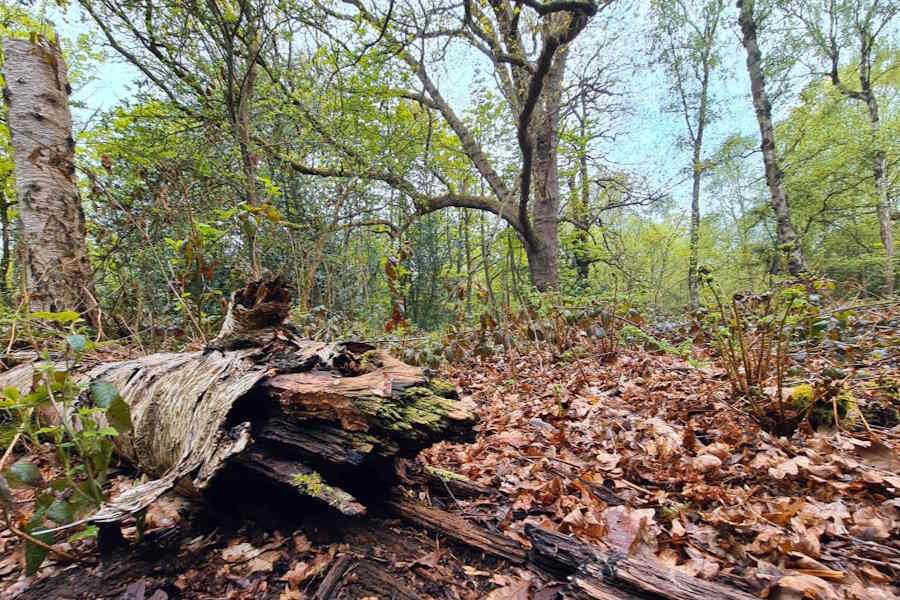
• Lowland landscapes with ancient woodland blocks, farm woods and estate plantings
• River valleys, gentle slopes and enclosed farmland with hedgerow networks
• Around settlements and parklands where semi-natural woodland persists
How New Lowland Mixed Deciduous Woodland Is Created
Inputs
• Plant a mix of at least five native canopy or shrub species suited to local soils and climate (use Ecological Site Classification to guide choices).
• Include a shrub layer from the outset to build structure.
• Source planting material with strong biosecurity and local provenance where possible.
Management
• Protect from browsing so seedlings, saplings and young trees establish.
• Control competing vegetation during establishment without enriching soils.
• Plan for diversity of species and age classes to build resilience.
Landscape
• Site new woodland to connect existing woods, hedgerows and riparian strips.
• Design for graded edges, internal rides and glades so open space is present from the start.
• Retain uncultivated buffers to protect soils and ground flora.
How Existing Lowland Mixed Deciduous Woodland Is Improved
Inputs
• Remove invasive plants. Rhododendron and cherry laurel should be absent.
• Reduce deer and livestock pressure to allow natural regeneration.
• Re-introduce structural interventions such as coppice or selective thinning where appropriate.
Management
• Aim for three age classes and a multi-storey structure across the parcel.
• Maintain 10 to 20 percent temporary open space as rides, glades or small coupes.
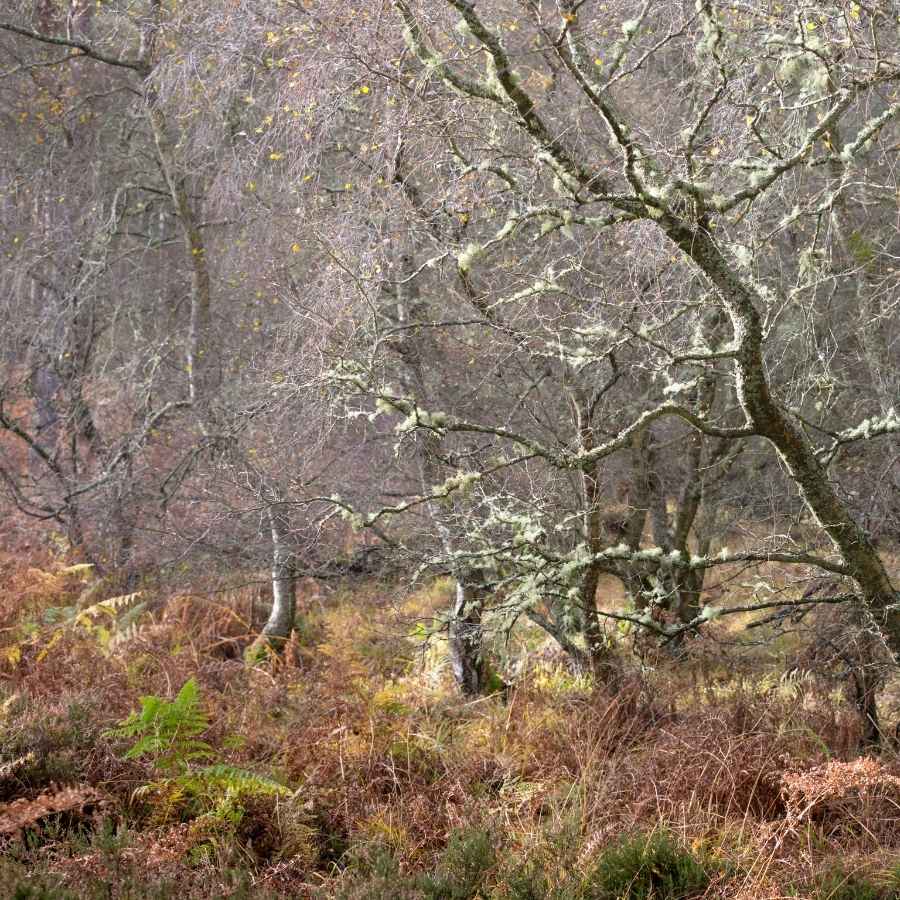
• Retain and recruit veteran trees and increase standing and fallen deadwood.
• Monitor tree health and manage pests and diseases at low risk.
Landscape
• Improve connectivity to nearby semi-natural habitats.
• Protect soils from enrichment and damage by creating buffers and managing access.
• Shape edges for soft transitions into scrub and grassland.
Target Condition
Lowland Mixed Deciduous Woodland in good condition will typically show:
• Three age classes present and a multi-storey or complex vertical structure
• Little or no browsing impact across the woodland
• No invasive non-native plants present
• Five or more native tree or shrub species, with more than 80 percent native cover in canopy and understorey
• Natural regeneration evident, from seedlings through to small pole trees
• Ten to twenty percent temporary open space distributed within the parcel
• Tree mortality at ten percent or less, with no high-risk pests or diseases
• Recognisable woodland ground flora, with ancient woodland indicators present
• At least two veteran trees per hectare and deadwood present in at least half of survey plots
• No nutrient enrichment or damaged ground

The BNG Value of Lowland Mixed Deciduous Woodland
• Distinctiveness: High
• Condition potential: Very strong where browsing, invasives and soil impacts are controlled and structure is restored
• Connectivity: Builds robust habitat networks across lowland farmed landscapes
• Time to target condition: About 15 years to reach Moderate, 30 years or more to reach Good
Species Typical of Lowland Mixed Deciduous Woodland
🌳 Canopy trees
• English oak (Quercus robur)
• Sessile oak (Quercus petraea)
• Field maple (Acer campestre)
• Birch (Betula pendula, B. pubescens)
• Small-leaved lime (Tilia cordata)
• Wild cherry (Prunus avium)
• Hornbeam (Carpinus betulus) in suitable areas
• Aspen (Populus tremula) and rowan (Sorbus aucuparia) at edges
• Ash (Fraxinus excelsior) now limited by ash dieback
🌿 Shrubs
• Hazel (Corylus avellana)
• Hawthorn (Crataegus monogyna)
• Blackthorn (Prunus spinosa)
• Holly (Ilex aquifolium)
• Dogwood (Cornus sanguinea)
• Spindle (Euonymus europaeus)
• Guelder rose (Viburnum opulus)
• Crab apple (Malus sylvestris)
🌸 Herbs and wildflowers
• Bluebell (Hyacinthoides non-scripta)
• Wood anemone (Anemone nemorosa)
• Dog’s mercury (Mercurialis perennis)
• Wild garlic (Allium ursinum)
• Early purple orchid (Orchis mascula)
• Wood sorrel (Oxalis acetosella)
• Yellow archangel (Lamiastrum galeobdolon)
• Wood avens (Geum urbanum)
• Wood speedwell (Veronica montana)
• Primrose (Primula vulgaris)
🐦 Birds
• Lesser spotted woodpecker (Dryobates minor)
• Spotted flycatcher (Muscicapa striata)
• Mistle thrush (Turdus viscivorus)
• Tree sparrow (Passer montanus)
🐇 Mammals
• Bats using tree cavities and edge corridors
• Hedgehog (Erinaceus europaeus)
🐝 Invertebrates
• Noble chafer (Gnorimus nobilis) where veteran fruiting trees occur
• A range of saproxylic beetles and pollinators associated with deadwood and rides
.jpg)
.avif)
Frequently Asked Questions
What is a Lowland Mixed Deciduous Woodland?
A priority habitat in England, typically dominated by native, broadleaved trees (like Oak, Ash, Beech, and Birch), forming a canopy that supports a diverse understorey and ground flora.
How is BNG measured here?
BNG uplift is calculated by assessing the condition of the woodland (using criteria like canopy structure, deadwood presence, and ground flora) and the distinctiveness (habitat value) of the type, usually requiring a site-specific survey.
How can I achieve BNG?
Enhancement (e.g., thinning non-native species, increasing structural diversity, managing invasive species) or Creation (planting new native woodland, ideally using local provenance stock).
What is the BNG target condition?
Typically aiming for a Good or Very Good condition, which involves diverse age structure, abundant deadwood, a rich understorey, and minimal non-native species presence.
What management is required?
Long-term management often involves phased felling/thinning, invasive species control, deer/herbivore protection, and potentially coppicing to maintain structural diversity.
Exploring Other Habitats?
-.webp)
Arable field margins pollen and nectar are grass margins around arable fields sown with wildflowers and legumes managed specifically to provide pollen and nectar resources for invertebrates. The mix must include at least four nectar-rich flowering species and the margin is kept low-input and rotationally cut to maintain flowering through the season. The arable field must remain in a crop rotation including an arable crop.
Unlike wild bird seed margins, the management objective here is flowering continuity for pollinators rather than seed retention for birds. This habitat type sits within the Cropland broad habitat in the BNG metric and is classified separately from tussocky margins, cultivated margins and game bird mix.
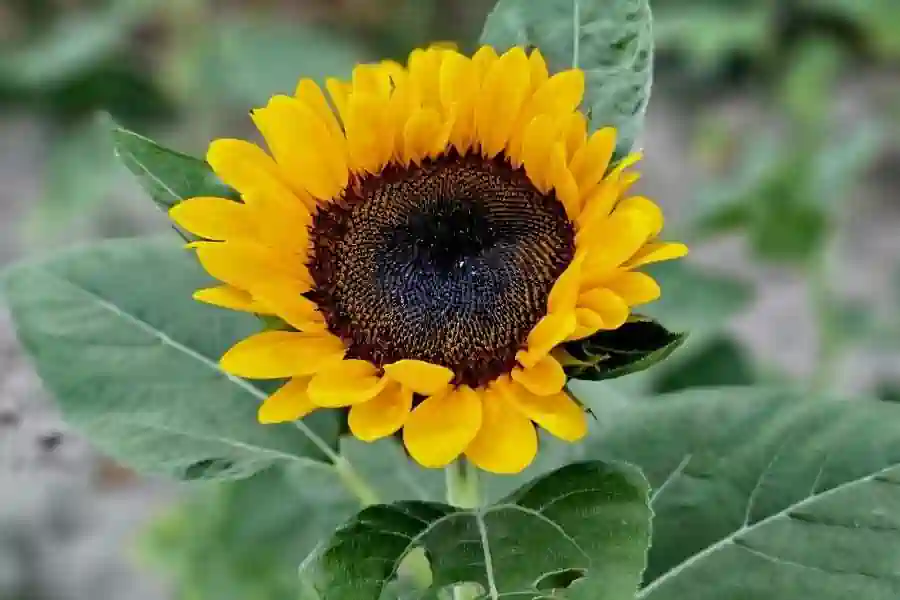
Arable field margins game bird mix are margins, strips, blocks or corners around arable fields sown with wild bird cover crops and left unharvested over winter so that seed produced by the plants remains available to farmland wildlife. The arable field must be in a crop rotation that includes an arable crop, such as wheat, barley, maize or oats, even if in certain years the field is in temporary grass, set-aside or fallow.
Mixes typically combine seed-bearing cereals, brassicas and oil-rich crops to provide food through the winter hungry gap and standing cover for gamebirds and declining farmland bird species.
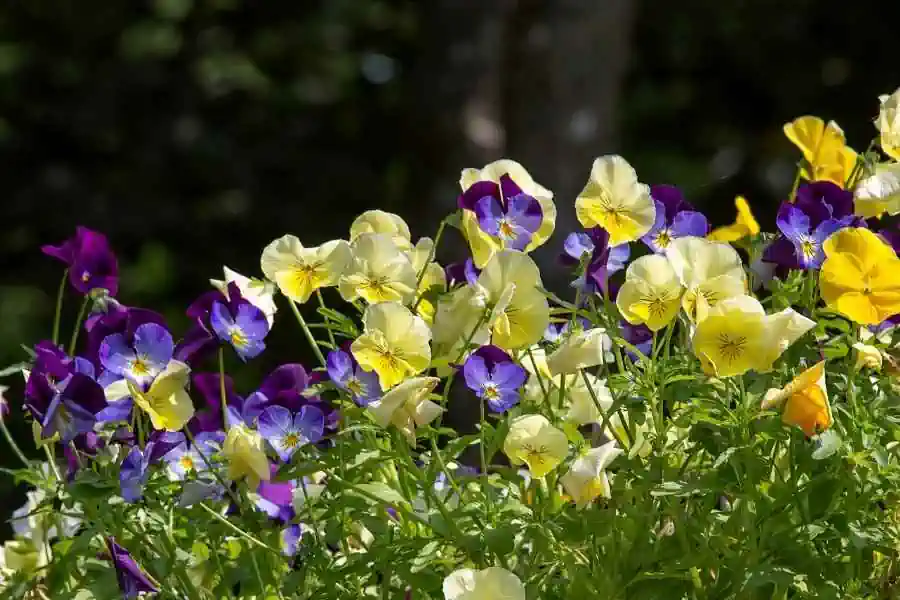
Arable field margins cultivated annually are strips along the edges of arable fields, typically 2–12 metres wide, managed under a low-input regime to support annual arable plants. They are lightly cultivated each year, usually in late summer or autumn, without herbicide or fertiliser, creating the open, disturbed soil conditions that annual arable flora requires to germinate.
Ready to buy your units?
Easily buy your BNG units online today to ensure compliance and positive environmental impact.