
Ditch BNG Units
Medium
Watercourse

Trusted by Developers and Landowners







What are Ditches?
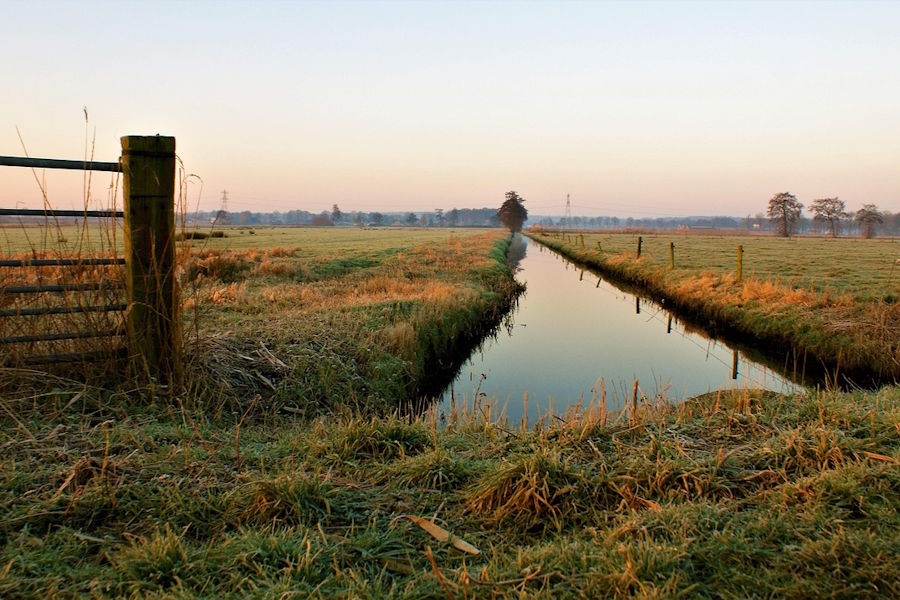
Ditches are linear watercourses, usually artificial in origin, dug for drainage or water management. Many are simple farmland drains, but others have developed rich communities of aquatic plants, invertebrates, amphibians, birds, and mammals. Their biodiversity value depends on water quality, vegetation, and management.
Why It Matters for BNG
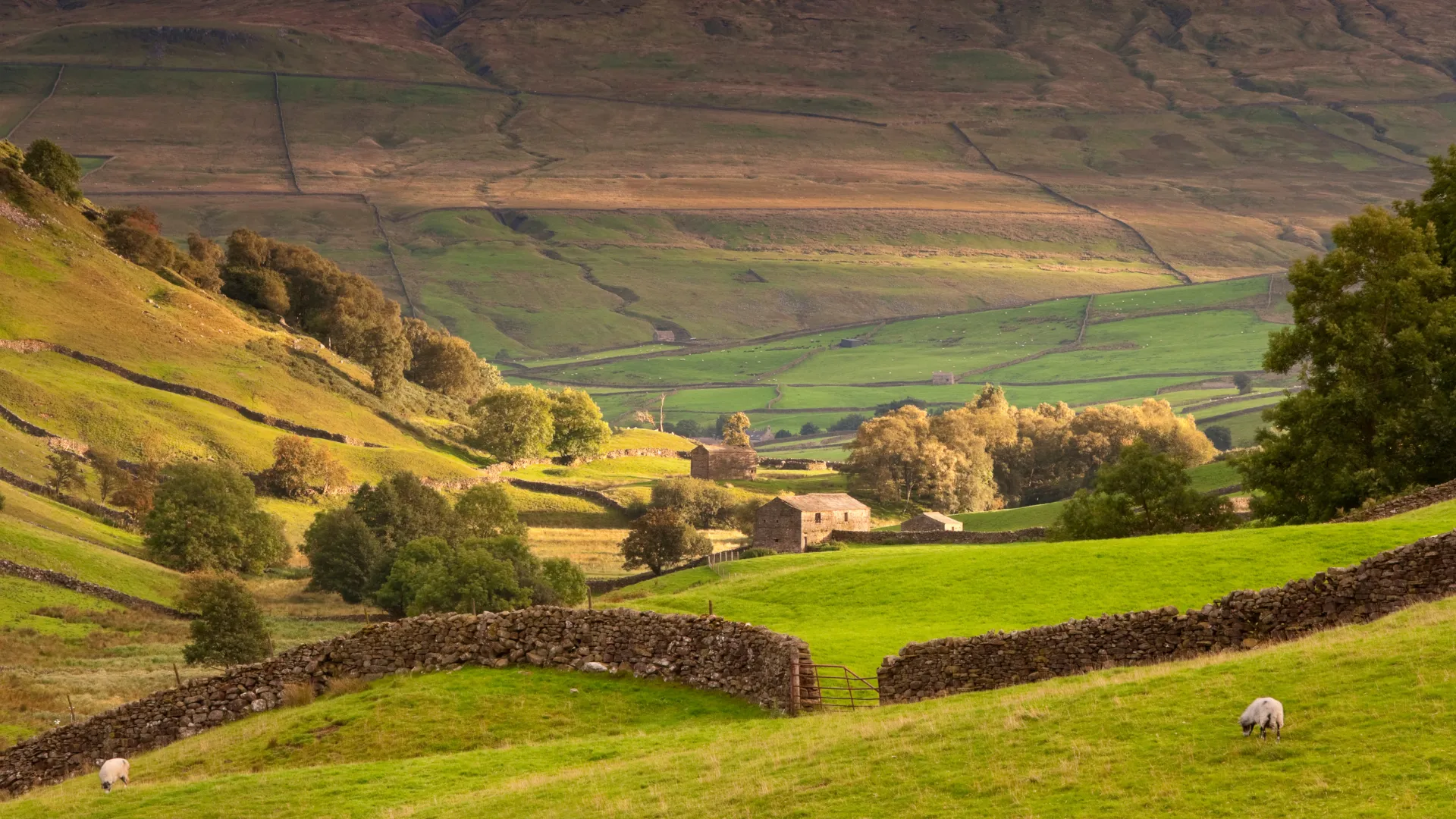
Ditches provide linear aquatic units essential for meeting metric requirements in lowland landscapes. Well managed ditches support aquatic plants, amphibians, and invertebrates.
Routine ditch management, water quality protection and vegetation control enable landowners to produce linear BNG units with limited change to current practice.
Where Do They Occur?
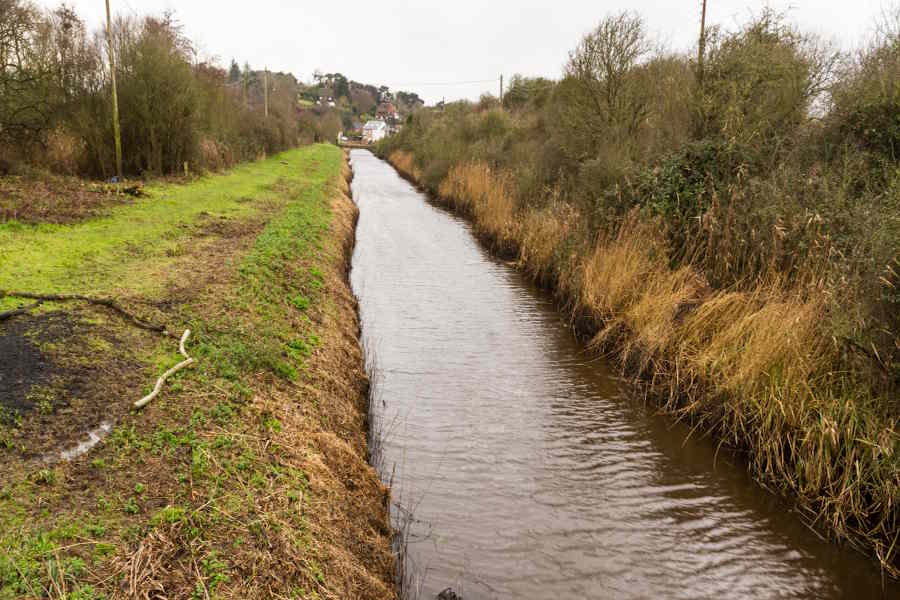
• Across lowland agricultural landscapes, especially in arable and grazing systems
• In lowland floodplains, grazing marshes, and fenland
• Along field boundaries, tracks, and roadsides
• As part of historic drainage systems in wet regions
How New Ditches Are Created
Inputs
• Excavate channels to hold water for much of the year
• Profile banks with gradual slopes to allow marginal plants to establish
• Maintain water supply from groundwater or surface inflow
• Avoid lining or over-engineering which prevents colonisation
Management
• Protect banks from livestock poaching with fencing or buffer strips
• Manage vegetation and silt on a rotational basis, leaving some sections undisturbed
• Avoid excessive dredging or clearance which removes all plant life
Landscape
• Position new ditches where they connect into wider ditch networks or semi-natural wetlands
• Maintain uncultivated margins alongside to buffer against fertilisers and pesticides
• Link ditches to hedgerows or grass strips to provide combined habitat corridors
How Existing Ditches Are Improved
Inputs
• Widen or restore buffer strips to reduce nutrient enrichment
• Repair eroded banks and exclude livestock where necessary
• Control invasive non-native plants and animals
Management
• Switch from annual clearance to rotational management to allow vegetation to persist
• Maintain sufficient water levels through the summer to support aquatic species
• Encourage marginal vegetation by leaving uncut stretches each year
Landscape
• Restore connectivity by linking broken sections into longer networks
• Integrate ditches with hedgerows, grassland, or field margins for added ecological value
• Enhance wetland character by diversifying depth and flow
Target Condition
Ditches in Good condition will show:
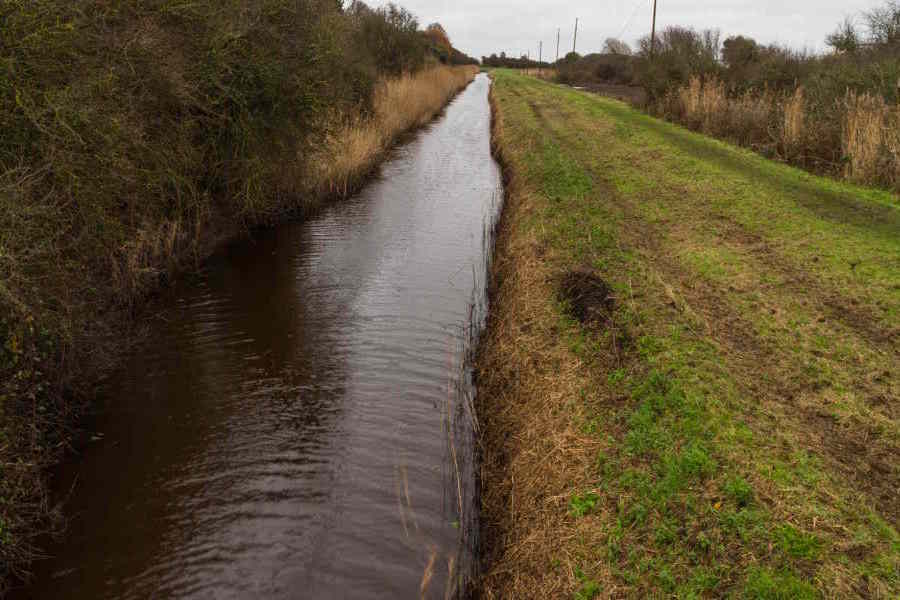
• Clear water of good quality, with low turbidity and no signs of pollution
• A range of aquatic plants, ideally more than 10 emergent, floating, or submerged species in a 20m length
• Little or no filamentous algae or duckweed (under 10% cover)
• Marginal vegetation along more than 75% of the length
• Less than 5% physical damage to banks and channel
• Sufficient summer water depth (c. 50 cm in minor ditches, 1 m in main drains)
• Less than 10% heavy shading
• Absence of non-native invasive plants or animals

The BNG Value of Ditches
• Distinctiveness: Medium
• Condition potential: Strong, with scope to support diverse aquatic and marginal flora
• Connectivity: Provide vital linear corridors across farmed landscapes
• Climate services: Store water, slow run-off, and trap sediments, contributing to flood regulation
• Time to target condition: 5–15 years depending on water quality and management
Species Typical of Ditches
🌸 Aquatic and marginal plants
• Water violet (Hottonia palustris)
• Pondweeds (Potamogeton spp.)
• Yellow flag iris (Iris pseudacorus)
• Reed sweet-grass (Glyceria maxima)
• Common reed (Phragmites australis)
🐝 Invertebrates
• Dragonflies (e.g. Aeshna mixta)
• Diving beetles (Dytiscidae)
• Water boatmen (Corixidae)
🐇 Mammals
• Water vole (Arvicola amphibius)
🐦 Birds
• Snipe (Gallinago gallinago)
• Reed bunting (Emberiza schoeniclus)
• Pied wagtail (Motacilla alba)
• Mallard (Anas platyrhynchos)
-PAINT.jpeg)
Frequently Asked Questions
What are Ditches?
Linear, artificially excavated water channels, often for drainage purposes. They can be important habitats for amphibians and aquatic invertebrates, especially in low-lying areas.
How is BNG measured here?
Measured in linear metres. Condition is assessed by the quality of the aquatic vegetation, the profile of the ditch, and the management regime (e.g., rotational de-silting).
How can I achieve BNG?
Enhancement by managing the clearance cycle to retain some established vegetation (rotational clearing), ensuring varied bank profiles, and reducing nutrient inputs from adjacent land.
What is the BNG target condition?
A Good condition involves clear water, diverse aquatic vegetation, and a soft, shallow bank profile, managed on a long rotation to allow wildlife to persist.
What management is required?
Long-term rotational de-silting and vegetation clearance (ideally one side at a time) to maintain flow while ensuring a continuous habitat for species.
Exploring Other Habitats?
-.webp)
Arable field margins pollen and nectar are grass margins around arable fields sown with wildflowers and legumes managed specifically to provide pollen and nectar resources for invertebrates. The mix must include at least four nectar-rich flowering species and the margin is kept low-input and rotationally cut to maintain flowering through the season. The arable field must remain in a crop rotation including an arable crop.
Unlike wild bird seed margins, the management objective here is flowering continuity for pollinators rather than seed retention for birds. This habitat type sits within the Cropland broad habitat in the BNG metric and is classified separately from tussocky margins, cultivated margins and game bird mix.

Arable field margins game bird mix are margins, strips, blocks or corners around arable fields sown with wild bird cover crops and left unharvested over winter so that seed produced by the plants remains available to farmland wildlife. The arable field must be in a crop rotation that includes an arable crop, such as wheat, barley, maize or oats, even if in certain years the field is in temporary grass, set-aside or fallow.
Mixes typically combine seed-bearing cereals, brassicas and oil-rich crops to provide food through the winter hungry gap and standing cover for gamebirds and declining farmland bird species.
Arable field margins cultivated annually are strips along the edges of arable fields, typically 2–12 metres wide, managed under a low-input regime to support annual arable plants. They are lightly cultivated each year, usually in late summer or autumn, without herbicide or fertiliser, creating the open, disturbed soil conditions that annual arable flora requires to germinate.
Ready to buy your units?
Easily buy your BNG units online today to ensure compliance and positive environmental impact.