
Other Rivers and Streams BNG Units
Medium
Watercourse

Trusted by Developers and Landowners







What are Other Rivers and Streams?
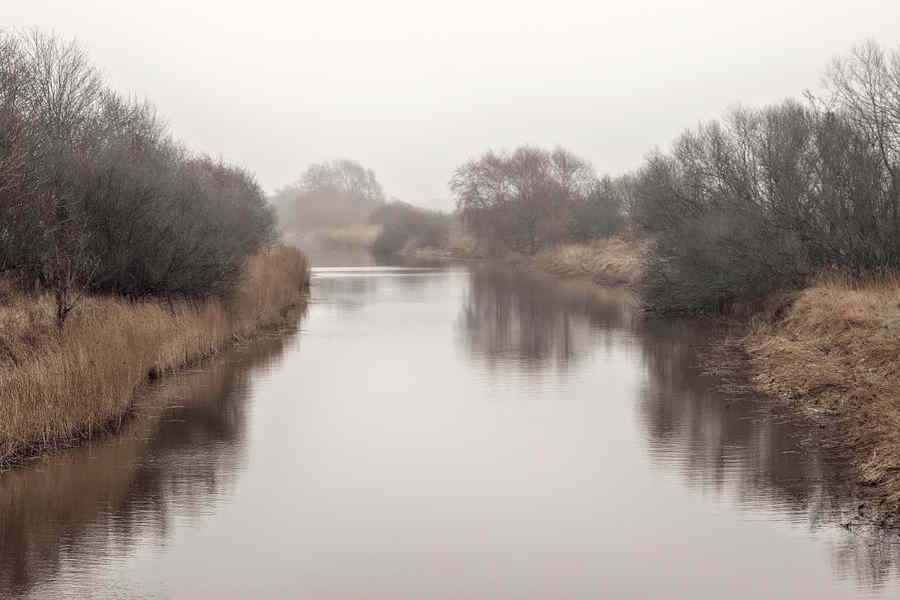
Other rivers and streams are flowing watercourses that do not fall within priority habitat types such as chalk rivers, headwaters or shingle rivers, and are not artificial waterbodies like canals, culverts or ditches. They include the majority of channels across England where natural processes can still operate to some degree, supporting riffles, pools, exposed sediments, submerged plants and riparian vegetation.
Why It Matters for BNG
Restoring river margins and hydrology delivers significant biodiversity value and helps meet strategic BNG objectives. River enhancement supports wider catchment resilience.
Protecting riparian zones, bankside vegetation and natural processes creates long term BNG opportunities while improving water quality and soil stability on farmland.
.jpg)
Where Are They Found?
• Across lowland and upland catchments with a mix of permeable and less-permeable geology
• Through farmed floodplains, valley bottoms and urban fringes
• Within river networks where longitudinal and floodplain connectivity can be restored or maintained
How New River Habitat Is Created From Scratch
Inputs
• Re-establish an open channel with varied depths and some baseflow where feasible
• Use natural bed materials appropriate to local flows and sediment supply
• Provide a vegetated riparian corridor on both banks to buffer run-off and form functional edges
Management
• Avoid over-engineering; allow self-forming banks and bed features where risk allows
• Manage water demand and abstraction to protect seasonal flow patterns
• Identify and control invasive non-native species in the corridor and channel
Landscape
• Design for connectivity along the channel and to the floodplain where safe to do so
• Plan an erodible corridor with set-back lines so limited channel movement can occur
• Introduce riparian trees in treeless reaches to create a patchwork of light and shade and provide woody material over time
How Existing Rivers and Streams Are Improved
Inputs
• Reduce diffuse pollution and fine sediment with soil management and buffer strips on run-off pathways
• Review hard bank protection, dredging and routine weed cutting; reduce where possible
• Address barriers to movement of aquatic species, prioritising safe options for flood risk
Management
• Manage impoundments and abstractions to approximate natural flow regimes
• Retain large woody material where safe to increase habitat complexity
• Where assisted recovery is insufficient, use targeted works such as bed raising, bank reprofiling and re-meandering to reinstate pools, riffles and marginal shelves
Landscape
• Restore access to floodplain areas that can store water naturally and reduce downstream peaks
• Safeguard riparian space from encroachment and plan for long-term river movement
• Coordinate actions at catchment scale so riparian planting, channel works and land management reinforce each other
Target Condition
Other rivers and streams in good condition typically shows:
• Natural channel forms with a mix of biotopes such as riffles, runs and pools
• A functioning riparian zone with native vegetation and a patchwork of light and shade
• Good water quality with low visible pollution and adequate oxygen
• Banks that are stable overall but allow small-scale erosion and deposition to create habitat
• Connectivity for aquatic species along the channel and, where feasible, between river and floodplain
• Low levels of invasive non-native species with effective control in place

The BNG Value of Other Rivers and Streams
• Distinctiveness: High
• Condition potential: Strong where natural processes and riparian buffers are restored
• Connectivity: Critical corridors for plants and animals across catchments
• Climate services: Attenuate floods, improve water quality, store carbon in biota and sediments, and provide cooling through riparian shade
Species Typical of Other Rivers and Streams
🌱 Herbs and Wildflowers
• Meadowsweet (Filipendula ulmaria)
• Water mint (Mentha aquatica)
• Purple loosestrife (Lythrum salicaria)
• Yellow flag iris (Iris pseudacorus)
🦦 Mammals
• Otter (Lutra lutra)
• Water vole (Arvicola amphibius)
🐦 Birds
• Kingfisher (Alcedo atthis)
• Sand martin (Riparia riparia)
• Grey wagtail (Motacilla cinerea)
.jpg)
.avif)
Frequently Asked Questions
What is Other Rivers and Streams?
A BNG metric category for watercourses that are not large rivers, but are not ditches—including small-to-medium sized natural or semi-natural streams.
How is BNG measured here?
Measured in linear metres. Condition is assessed based on the habitat quality of the banks (vegetation structure, shading) and the channel (substrate diversity, flow variability, water quality indicators).
How can I achieve BNG?
Enhancement of riparian (bankside) habitat (e.g., fencing off to exclude livestock, planting native bankside vegetation, improving shading) or in-channel works to improve flow and substrate.
What is the BNG target condition?
Aiming for a Good condition, which includes a diverse and complex bankside vegetation, varied water depth and flow, and minimal signs of pollution or erosion.
What management is required?
Managing riparian buffer zones (fenced margins, no pesticide use), controlling invasive aquatic plants, and ensuring natural flow regimes are maintained.
Exploring Other Habitats?
-.webp)
Arable field margins pollen and nectar are grass margins around arable fields sown with wildflowers and legumes managed specifically to provide pollen and nectar resources for invertebrates. The mix must include at least four nectar-rich flowering species and the margin is kept low-input and rotationally cut to maintain flowering through the season. The arable field must remain in a crop rotation including an arable crop.
Unlike wild bird seed margins, the management objective here is flowering continuity for pollinators rather than seed retention for birds. This habitat type sits within the Cropland broad habitat in the BNG metric and is classified separately from tussocky margins, cultivated margins and game bird mix.
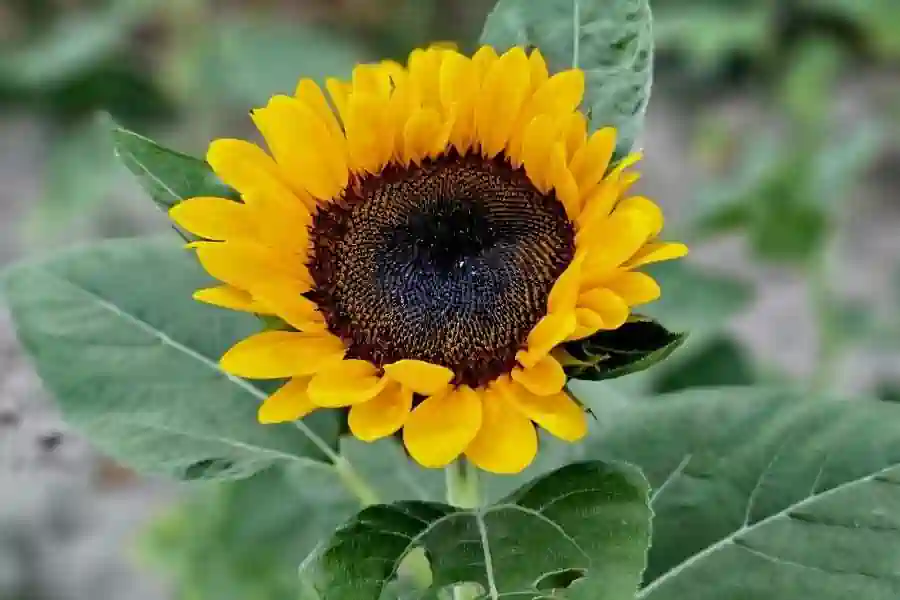
Arable field margins game bird mix are margins, strips, blocks or corners around arable fields sown with wild bird cover crops and left unharvested over winter so that seed produced by the plants remains available to farmland wildlife. The arable field must be in a crop rotation that includes an arable crop, such as wheat, barley, maize or oats, even if in certain years the field is in temporary grass, set-aside or fallow.
Mixes typically combine seed-bearing cereals, brassicas and oil-rich crops to provide food through the winter hungry gap and standing cover for gamebirds and declining farmland bird species.
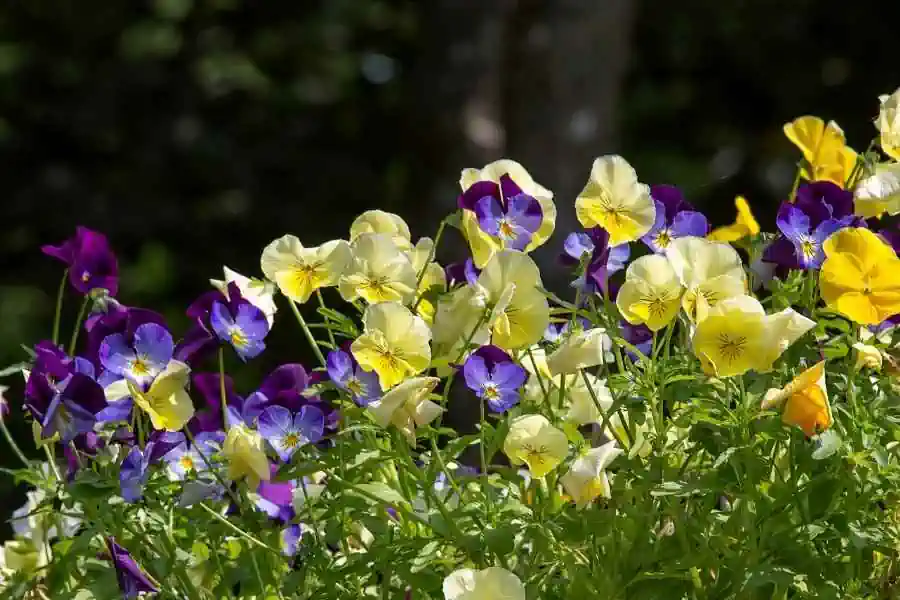
Arable field margins cultivated annually are strips along the edges of arable fields, typically 2–12 metres wide, managed under a low-input regime to support annual arable plants. They are lightly cultivated each year, usually in late summer or autumn, without herbicide or fertiliser, creating the open, disturbed soil conditions that annual arable flora requires to germinate.
Ready to buy your units?
Easily buy your BNG units online today to ensure compliance and positive environmental impact.