
Hawthorn Scrub BNG Units
Medium
Heathland and shrub

Trusted by Developers and Landowners







What is Hawthorn Scrub?
Hawthorn scrub is essentially a dense thicket of shrubs and small trees dominated by hawthorn bushes, often mixed with blackthorn, elder, brambles, and dog rose. It's what ecologists call a "successional habitat" - meaning it represents a stage between open grassland and mature woodland.
Why It Matters for BNG
Hawthorn scrub is classified as a distinct habitat type with its own biodiversity value in the statutory metric used to calculate BNG. If your development site contains hawthorn scrub, you'll need to account for its loss and compensate with habitats of equivalent or higher value.
Learn more about BNG for landowners →
Where You'll Find It
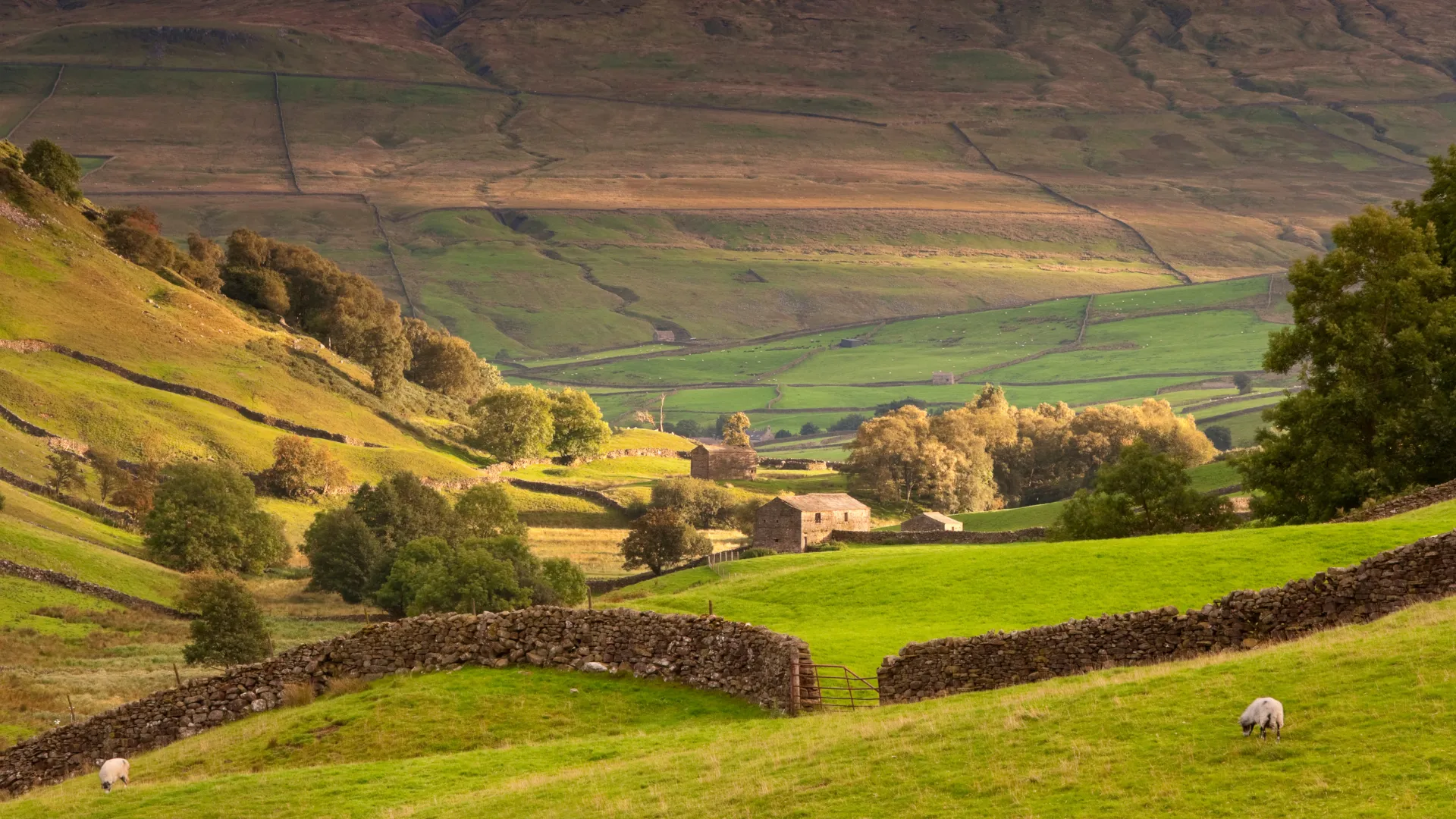
You'll typically encounter hawthorn scrub on abandoned farmland or pastures, field boundaries and hedgerows that have been allowed to grow out, and downland edges (particularly on chalk and limestone). It's also commonly found on old quarries and railway embankments, as well as in coastal areas, especially on clifftops.
Soil and Site Requirements
The Hawthorn Scrub Habitat develops on free draining, moderately fertile soils. It tolerates a wide soil range but establishes most strongly on mesotrophic base rich substrates.
How Hawthorn Scrub Habitat Is Created
Inputs
• Allow natural regeneration of hawthorn from adjacent hedgerows or seed sources
• Protect young stems from heavy grazing to enable thicket development
• Encourage colonisation by multiple native scrub species
• Avoid nutrient enrichment or soil disturbance
Management
• Maintain varied age structure through selective cutting or rotational management
• Retain open glades and marginal transitions to adjacent habitats
• Control invasive non-native species and coarse bramble where it limits diversity
• Support natural regeneration across the scrub block
Landscape
• Create or restore scrub along woodland edges, slopes and neglected grassland
• Connect scrub patches to strengthen habitat networks
• Position scrub development where successional processes naturally occur
How Existing Hawthorn Scrub Habitat Is Improved
Inputs
• Introduce additional native shrubs to increase species richness
• Create open glades, rides or clearings within dense stands
• Support regeneration by protecting seedlings and saplings
• Remove invasive plants and reduce excessive physical damage
Management
• Shape scrub edges to create gradual transitions into grassland or woodland
• Maintain height and age diversity to improve habitat condition
• Monitor ground flora and adjust management to increase characteristic species cover
• Engage selective cutting to avoid uniformity in shrub structure
Landscape
• Link scrub with wider semi natural habitats
• Break up large even aged blocks to increase ecological value
• Use scrub as a buffer between grassland and woodland to support wildlife movement
Target Condition
Hawthorn scrub in its defined BNG condition should:
• Retain hawthorn as the principal species with more than seventy five percent cover
• Support multiple native shrub species within the scrub block
• Maintain varied height and age classes including seedlings, saplings and mature shrubs
• Contain glades or open patches that provide structural diversity
• Present a well-developed scrub edge with transitional vegetation
• Limit invasive species and physical damage across the habitat
.jpeg)
The BNG Value of Hawthorn Scrub
• Distinctiveness: Medium
• Condition Potential: Moderate to good, where species mix, age structure and open glades increase habitat quality
• Habitat Connectivity: Strengthens hedgerow corridors, woodland edges and shrub mosaics for birds, mammals and invertebrates
• Climate and Landscape Context: Provides seasonal nectar, autumn berries and year round shelter, contributing to resilient lowland landscapes
Species Typical of Hawthorn Scrub
Canopy or Primary Layer
• Hawthorn (Crataegus monogyna)
Shrub or Secondary Layer
• Blackthorn (Prunus spinosa)
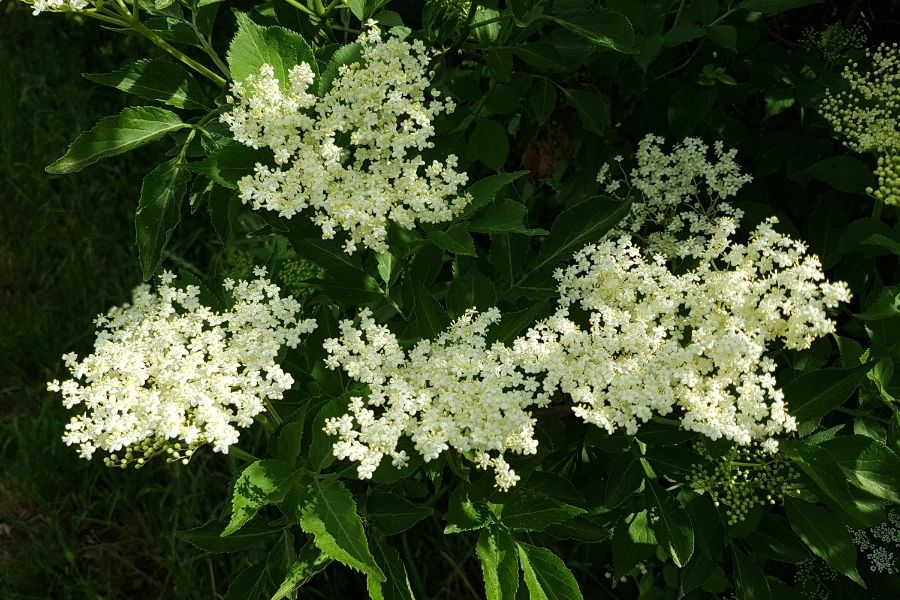
• Elder (Sambucus nigra)
• Dog rose (Rosa canina)
• Bramble (Rubus fruticosus agg.)
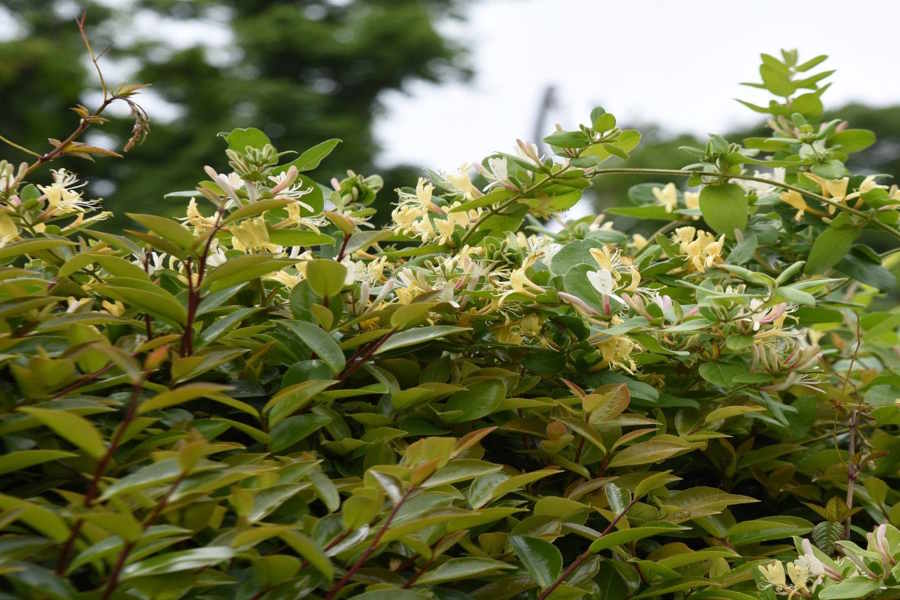
• Honeysuckle (Lonicera periclymenum)
• Rowan, hazel or ash as scattered young trees
Ground Flora or Understorey
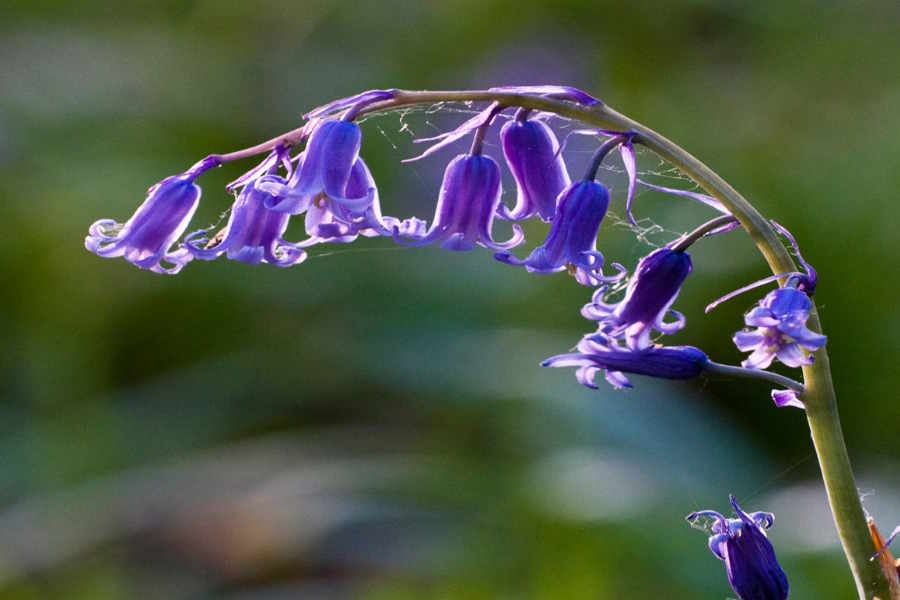
• Bluebell
• Wood sage
• Honeysuckle on the ground layer
• Sparse grasses and herbs where light reaches the soil
Frequently Asked Questions
What is Hawthorn Scrub?
A Hawthorn Scrub Habitat is a transitional habitat dominated by hawthorn and other thorny shrubs like blackthorn, bramble, and dog rose, typically forming dense thickets between grassland and woodland. It's classified as a distinct habitat type in the BNG metric.
How is BNG measured here?
The condition score depends on structural diversity (mix of ages and densities), species composition, and the mosaic pattern with open areas. BNG is measured by assessing the scrub's condition against target criteria like percentage cover, age structure, and associated ground flora.
How can I achieve BNG?
Primarily through Creation by allowing controlled scrub development on grassland, or Enhancement by improving existing scrub through rotational management to create better age and structural diversity. Simply planting hawthorn isn't enough - you need the right mosaic pattern.
What is the BNG target condition?
The target is typically to achieve 20-40% scrub coverage in a mosaic with grassland, with varied scrub ages and densities, native species dominance, and structural features like bramble patches and open-grown bushes providing diverse niches for wildlife.
What management is required?
Management involves active intervention to arrest succession - using rotational cutting or targeted grazing to prevent scrub becoming closed woodland while maintaining the scrub patches. This creates a dynamic system with some areas maturing while others regenerate, sustaining the target mosaic condition over the 30-year commitment period.
Exploring Other Habitats?
-.webp)
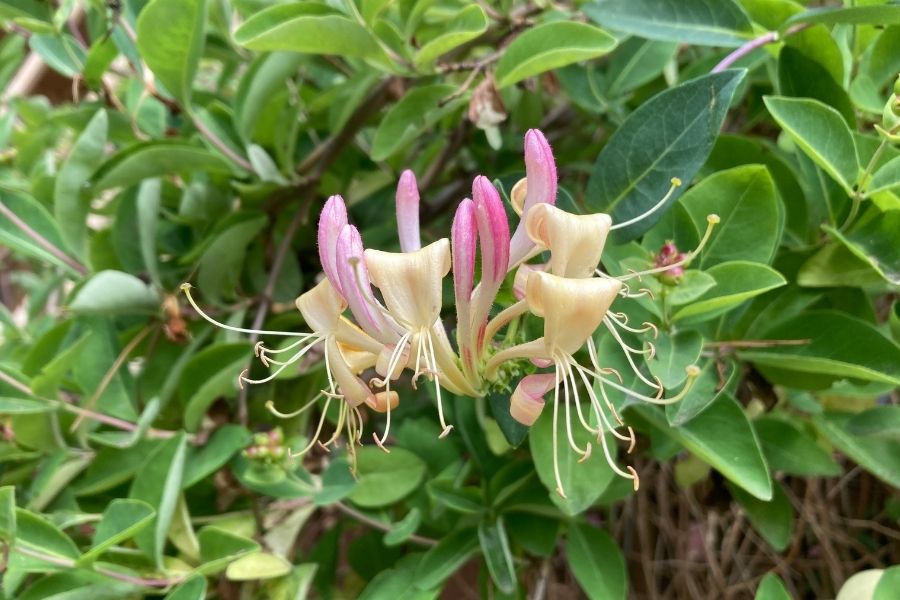
Arable field margins pollen and nectar are grass margins around arable fields sown with wildflowers and legumes managed specifically to provide pollen and nectar resources for invertebrates. The mix must include at least four nectar-rich flowering species and the margin is kept low-input and rotationally cut to maintain flowering through the season. The arable field must remain in a crop rotation including an arable crop.
Unlike wild bird seed margins, the management objective here is flowering continuity for pollinators rather than seed retention for birds. This habitat type sits within the Cropland broad habitat in the BNG metric and is classified separately from tussocky margins, cultivated margins and game bird mix.
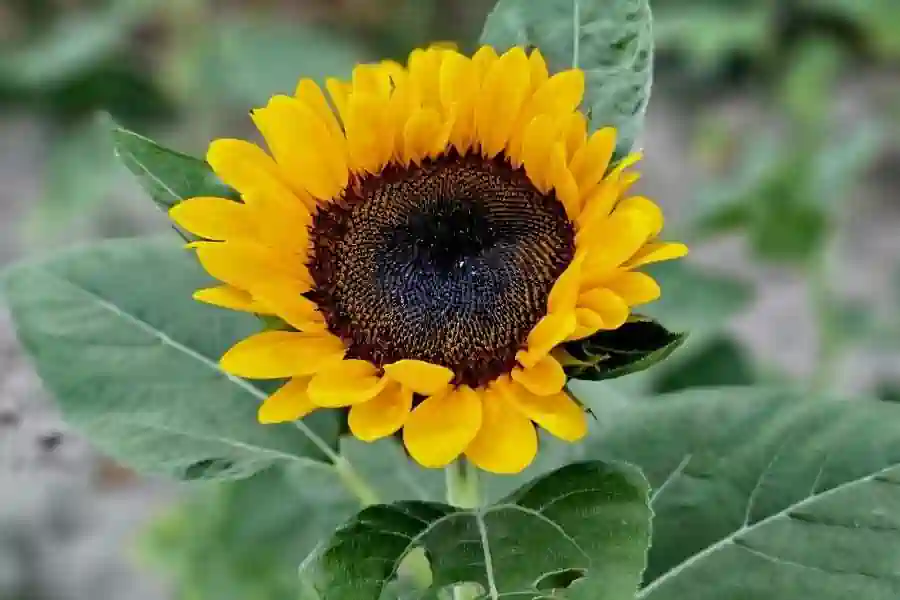
Arable field margins game bird mix are margins, strips, blocks or corners around arable fields sown with wild bird cover crops and left unharvested over winter so that seed produced by the plants remains available to farmland wildlife. The arable field must be in a crop rotation that includes an arable crop, such as wheat, barley, maize or oats, even if in certain years the field is in temporary grass, set-aside or fallow.
Mixes typically combine seed-bearing cereals, brassicas and oil-rich crops to provide food through the winter hungry gap and standing cover for gamebirds and declining farmland bird species.
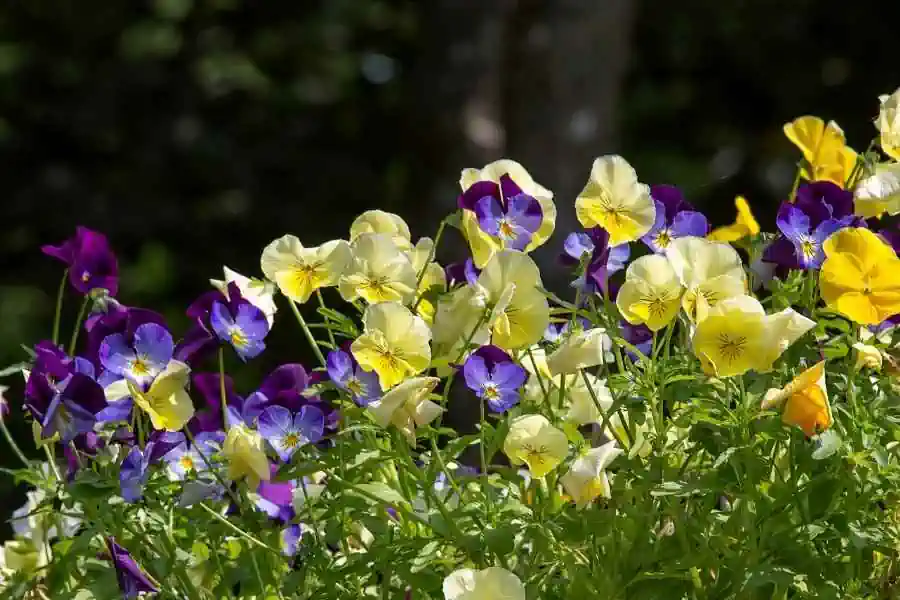
Arable field margins cultivated annually are strips along the edges of arable fields, typically 2–12 metres wide, managed under a low-input regime to support annual arable plants. They are lightly cultivated each year, usually in late summer or autumn, without herbicide or fertiliser, creating the open, disturbed soil conditions that annual arable flora requires to germinate.
Ready to buy your units?
Easily buy your BNG units online today to ensure compliance and positive environmental impact.