
Other Woodland; Broadleaved BNG Units
Medium
Woodland and forest

Trusted by Developers and Landowners







What is Broadleaved Woodland?
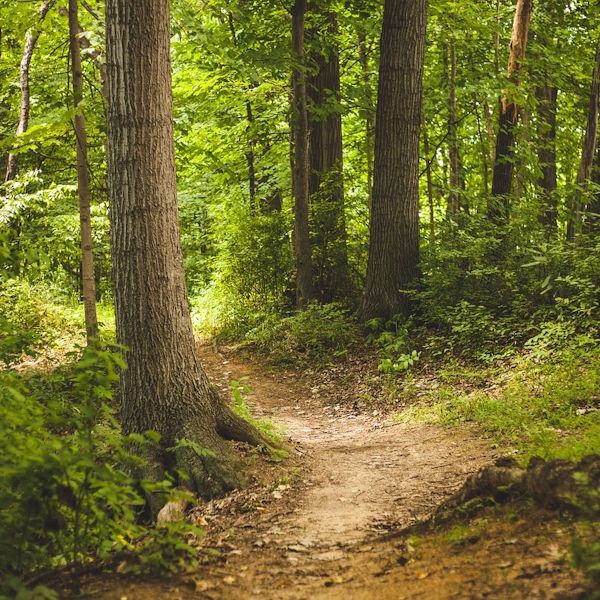
Other broadleaved woodland is the “catch-all” category for woods dominated by native or non-native broadleaved trees that do not qualify as priority habitats such as Lowland Mixed Deciduous, Upland Oakwood, or Wet Woodland. These stands may be planted, secondary, or mixed, often on farmland, estates, or urban fringes.
While ecologically less distinctive than priority types, they still support woodland birds, invertebrates, and fungi, and provide stepping-stones in fragmented landscapes.
Why It Matters for BNG
Broadleaved woodland offers reliable high distinctiveness units. Enhancing structure and species mix helps meet BNG requirements and strengthens landscape scale habitat networks.
Managing broadleaved woodland for regeneration, deadwood and understory diversity increases BNG value. It integrates well with long term woodland management plans.
Where Does It Occur?
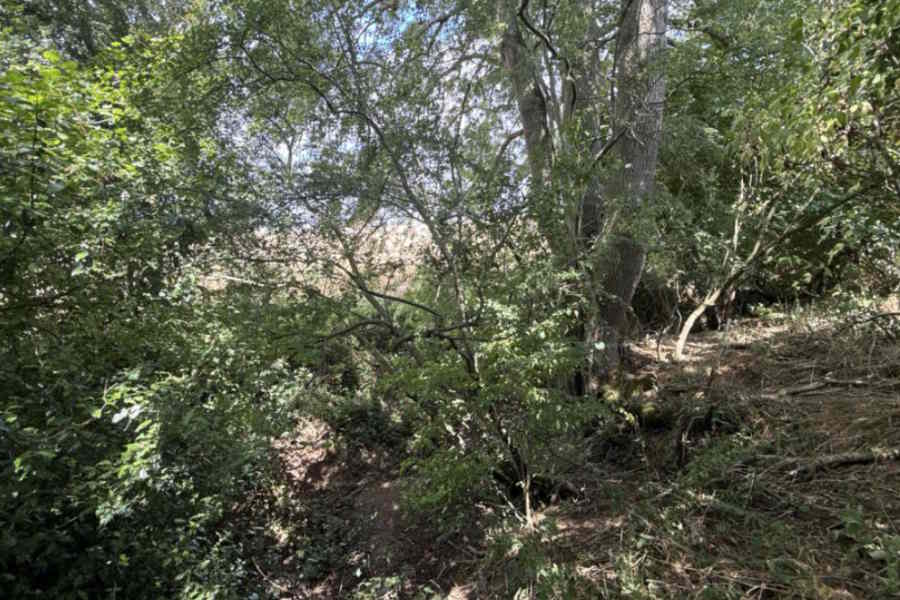
This woodland type occurs widely across England, including:
• Secondary woodland developing on abandoned farmland
• Shelterbelts, farm woods, and estate plantings
• Broadleaved plantations on former conifer ground
• Urban edge woodlands, parks, and community woodlands
It is not tied to a single soil or region but reflects the land-use history of the site.
How New Broadleaved Woodland Is Created
Inputs
• Plant a mix of at least five native canopy species, suited to soil and climate, with a shrub layer of at least two species.
• Use locally appropriate species (e.g. oak, birch, sycamore, hazel, hawthorn) chosen through soil testing or the Forestry Commission’s Ecological Site Classification tool. ESC: forestry.gov.uk/esc
• Source trees from nurseries with strong biosecurity standards to reduce pest and disease risk.
Management
• Protect young trees from browsing and suppress competing vegetation until the canopy closes.
• Retain patches of open ground and encourage natural colonisation from nearby woodland where possible.
• Plan for species and age diversity to avoid uniform blocks.
Landscape
• Position new woodland to connect existing copses, hedgerows, or riparian strips.
• Shape edges with gradations into scrub and grassland, rather than abrupt boundaries.
• Maintain glades and rides within larger blocks to provide light-demanding flora and invertebrate habitat.
PAINT.jpeg)
How Existing Broadleaved Woodland Is Improved
Inputs
• Remove invasive shrubs such as rhododendron or cherry laurel, and manage sycamore dominance where it suppresses natives.
• Thin or coppice to diversify structure and open the canopy where regeneration is lacking.
• Allow natural regeneration of native species to fill gaps.
Management
• Reduce deer and livestock pressure to ensure seedlings and shrubs can establish.
• Maintain a variety of age classes, including younger cohorts alongside mature trees.
• Retain veteran trees and increase standing and fallen deadwood across the site.
• Control nutrient enrichment from adjacent farmland by creating buffer strips or fencing.
Landscape
• Ensure 10–20 percent of the area is open space in the form of glades, rides, or temporary clearings.
• Strengthen habitat networks by linking woodlands with hedgerows, riparian corridors, or nearby semi-natural habitats.
• Re-shape woodland edges to create soft transitions that benefit wildlife.
Target Condition
Other Woodland; Broadleaved in Good condition under the BNG metric will typically show:
• More than 80% native tree and shrub cover
• At least five native tree or shrub species present
• Evidence of natural regeneration at multiple stages (seedlings to pole stage)
• Multi-layered canopy or three vertical storeys
• 10–20% open space across the parcel
• Veteran trees (2+ per hectare) and deadwood present in at least half of plots
• Soils intact and not enriched or compacted
• Woodland ground flora with ancient woodland indicator species

The BNG Value of Broadleaved Woodland
• Distinctiveness: Medium (4)
• Condition potential: Can achieve Good with long-term management
• Connectivity: Provides ecological stepping-stones between habitats
• Climate services: Stores carbon, regulates water, and moderates temperature
• Time to target condition: 15 years for Moderate; 30+ years for Good
Species Typical of Broadleaved Woodlands
🌳 Canopy trees
• Oak (Quercus robur, Q. petraea)
• Birch (Betula pendula, B. pubescens)
• Sycamore (Acer pseudoplatanus)
• Beech (Fagus sylvatica) in southern sites
• Poplar (Populus spp.) and willow (Salix spp.) in wetter sites
🌿 Shrub layer
• Hazel (Corylus avellana)
• Hawthorn (Crataegus monogyna)
• Holly (Ilex aquifolium)
• Elder (Sambucus nigra)
🌱 Ground flora
• Dog’s mercury (Mercurialis perennis)
• Wood avens (Geum urbanum)
• Bramble (Rubus fruticosus)
• Nettle (Urtica dioica)
.jpg)
.avif)
Frequently Asked Questions
What is Other Woodland; Broadleaved?
This BNG metric category covers broadleaved woodlands that do not strictly meet the criteria for Lowland Mixed Deciduous Woodland, such as those that are newly established, have a high proportion of non-native species, or are plantations.
How is BNG measured here?
The metric assesses habitat area and condition, but the distinctiveness score may be lower than a priority habitat, meaning a smaller biodiversity gain may be achieved for the same effort.
How can I achieve BNG?
Enhancement (e.g., gradual conversion to native species, removing non-natives, improving ground flora) or Creation of new broadleaved planting.
What is the BNG target condition?
The target condition depends on the ultimate vision, often aiming for a Moderate or Good condition by improving species mix and structural complexity.
Exploring Other Habitats?
-.webp)
Arable field margins pollen and nectar are grass margins around arable fields sown with wildflowers and legumes managed specifically to provide pollen and nectar resources for invertebrates. The mix must include at least four nectar-rich flowering species and the margin is kept low-input and rotationally cut to maintain flowering through the season. The arable field must remain in a crop rotation including an arable crop.
Unlike wild bird seed margins, the management objective here is flowering continuity for pollinators rather than seed retention for birds. This habitat type sits within the Cropland broad habitat in the BNG metric and is classified separately from tussocky margins, cultivated margins and game bird mix.
Arable field margins game bird mix are margins, strips, blocks or corners around arable fields sown with wild bird cover crops and left unharvested over winter so that seed produced by the plants remains available to farmland wildlife. The arable field must be in a crop rotation that includes an arable crop, such as wheat, barley, maize or oats, even if in certain years the field is in temporary grass, set-aside or fallow.
Mixes typically combine seed-bearing cereals, brassicas and oil-rich crops to provide food through the winter hungry gap and standing cover for gamebirds and declining farmland bird species.
Arable field margins cultivated annually are strips along the edges of arable fields, typically 2–12 metres wide, managed under a low-input regime to support annual arable plants. They are lightly cultivated each year, usually in late summer or autumn, without herbicide or fertiliser, creating the open, disturbed soil conditions that annual arable flora requires to germinate.
Ready to buy your units?
Easily buy your BNG units online today to ensure compliance and positive environmental impact.