
Wiltshire LPA BNG
Biodiversity Net Gain in Wiltshire, from the Salisbury Plain chalk downs to the River Avon. Expert BNG support and access to local BNG units.
.webp)
.avif)
Trusted by Developers and Landowners







Biodiversity Net Gain in Wiltshire Local Planning Authority
Wiltshire is a chalk county: two-thirds of it lies on chalk, and the biggest block is Salisbury Plain, which holds the largest known expanse of unimproved chalk downland in north-west Europe, about 20,000 hectares of SSSI and Special Area of Conservation, and a Special Protection Area for birds that includes stone-curlew and the reintroduced great bustard. Two rivers share the name Avon: the northern one passes Bradford on Avon, while the southern one rises in the Vale of Pewsey and runs through Amesbury and Salisbury into Hampshire as a protected chalk river. Elsewhere are Savernake Forest, an ancient forest of about 4,500 acres near Marlborough, North Meadow near Cricklade, home to roughly 80% of Britain’s snake’s-head fritillaries, and the Cotswold Lakes on the Gloucestershire border. The Cotswolds, Cranborne Chase and the Marlborough and West Wiltshire Downs are national landscapes, and about 5% of the New Forest National Park lies inside the county.
Biodiversity Net Gain became a legal requirement for major developments in England on 12 February 2024, and for small sites on 2 April 2024. Wiltshire Council is a unitary authority. Its biodiversity and development page sets out the national minimum of 10%, delivered on site, off site or through statutory credits, and lists no Wiltshire BNG Supplementary Planning Document or guidance note. The same page refers to a 20% figure proposed in the council’s draft Local Plan, but no Wiltshire plan carrying it has been adopted, so the national 10% is what applies, and the adopted plan is still the Wiltshire Core Strategy of 2015. The council says two habitat banks have been set up for developers to buy units, and the Wiltshire and Swindon Local Nature Recovery Strategy, published on 21 October 2025, supplies the mapped priorities used to judge strategic significance in the metric.
Wiltshire also carries nutrient neutrality requirements. The council names four catchments: the Hampshire Avon, the Somerset Levels and Moors and the River Lambourn for phosphorus, and the River Test for nitrogen, and describes the Lambourn and Somerset Levels areas as very small and rural. Natural England’s advice of 16 March 2022 covers the Hampshire Avon, which drains the Vale of Pewsey and runs through Salisbury, so a scheme there can face two statutory tests at once: Biodiversity Net Gain and nutrient mitigation. In December 2023 the council secured £9.8 million of government capital funding for Hampshire Avon mitigation, to be delivered on behalf of several authorities, and it runs the Revamp Your Tank septic tank upgrade scheme with the Wessex Rivers Trust in the Upper Avon.
Habitats in Wiltshire Local Planning Authority
.avif)
Wiltshire’s habitats run from the chalk of Salisbury Plain and the Avon valleys to ancient forest, hay meadows and a small part of the New Forest.
- Ancient Woodland and Veteran Trees: Savernake Forest, about 4,500 acres of ancient woodland on a chalk plateau near Marlborough, an SSSI mainly for lichens on its old oaks and beeches.
- Bat Roosts and Foraging Habitat: former limestone mines at Box and Winsley in the Bath and Bradford on Avon Bats SAC, with Chilmark Quarries SAC and Mottisfont Bats SAC also listed by the council.
- Chalk Downland: Salisbury Plain, the largest known expanse of unimproved chalk downland in north-west Europe, with stone-curlew, great bustard and the largest chalk population of marsh fritillary.
- Chalk Rivers: the Hampshire Avon, a SAC river that rises in the Vale of Pewsey and supports Atlantic salmon, brook and sea lamprey, bullhead and water-crowfoot.
- Floodplain Hay Meadows: North Meadow near Cricklade, a lammas meadow shaped by winter flooding, and Clattinger Farm, both within a SAC listed by the council.
- Lakes and Gravel Pits: the Cotswold Lakes north-west of Cricklade, a marl lake system of about 180 lakes straddling the Gloucestershire border, important for wintering and breeding birds.
- Lowland Heath and Bog: Landford Bog, within the five per cent of the New Forest National Park that lies in Wiltshire.
Wiltshire LPA BNG Planning
High distinctiveness habitats such as chalk grassland, ancient woodland, and lowland meadows are central to meaningful BNG outcomes and require careful management.
Lower distinctiveness habitats like improved grassland and arable land offer flexible opportunities for on-site BNG delivery through restoration and habitat creation.

Salisbury
Trowbridge
Chippenham
Melksham
Devizes
Get notified of a scheme
We do not currently have any schemes covering this LPA.
Get notified when a scheme is available in this area.
Discover Schemes in
Wiltshire LPA
LPA
Restoring ecosystems and creating sustainable habitats
through BNG and nutrient mitigation.
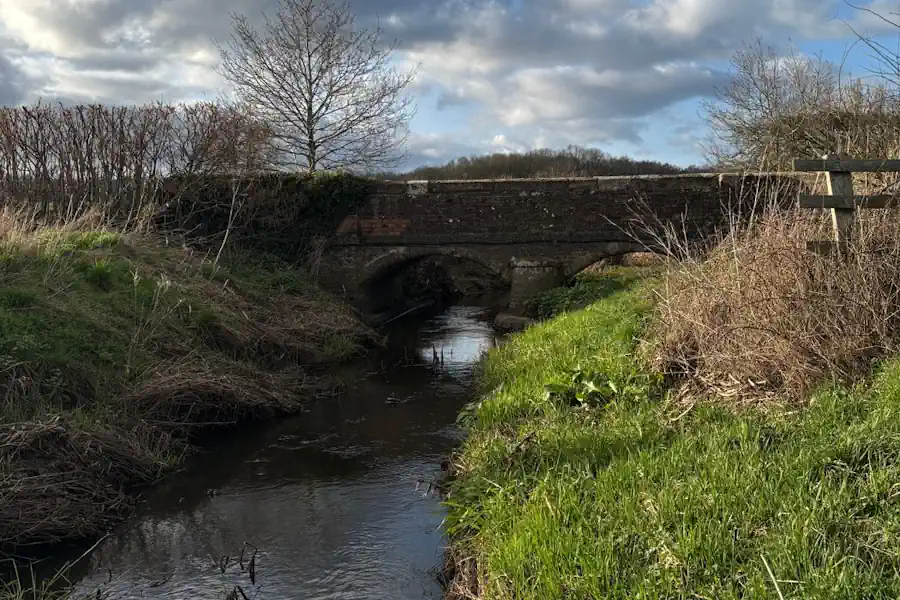
Shavington Estate
Shavington Estate
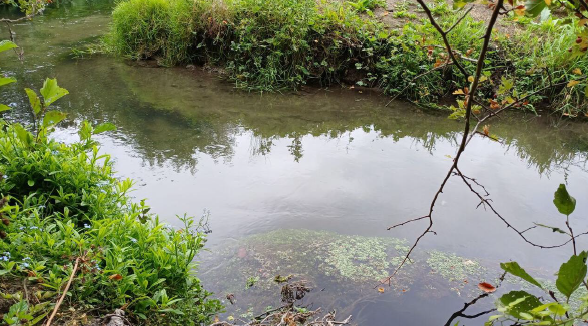
Hurst Farm
Hurst Farm
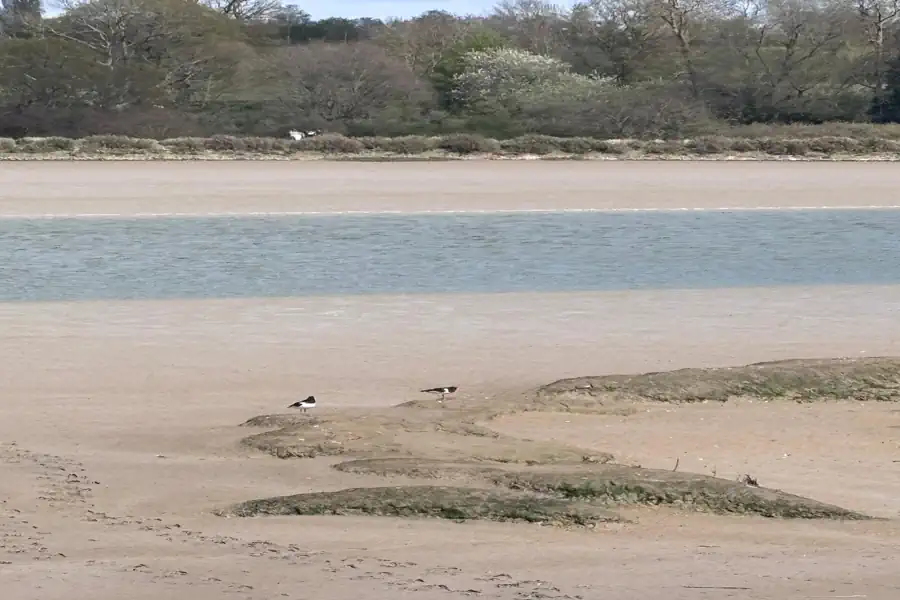
Essex BNG at Priors Farm
Essex BNG at Priors Farm
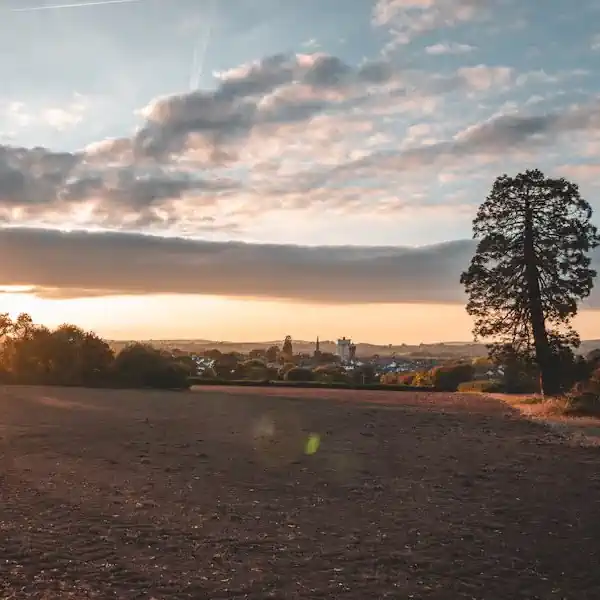
Somerset BNG Scheme
Trinity Farm & Eastcombe Fields
Tees Nutrient Mitigation
Tees Nutrient Mitigation Scheme
.jpg)
Wiltshire BNG at Lydeway
Land at Lydeway
.jpg)
Herefordshire BNG at Hampton Wafre
Hampton Wafre Farm
Are you looking to start a BNG scheme?
Talk to Greenshank and explore the opportunities we offer through your land.
Latest News
A step-by-step guide for landowners looking to sell their land as BNG units, and how Greenshank can help at every stage of the process.
.webp)
Find out how biodiversity net gain legislation works under the Environment Act 2021, what it requires, and which developments are exempt.
Find out how nutrient mitigation schemes work for landowners, how nutrient credits are generated, and how to combine nutrient and BNG income.