
West Berkshire LPA BNG
Biodiversity Net Gain in West Berkshire, where the North Wessex Downs meet the Kennet and Lambourn. Expert BNG support and access to local BNG units.


Trusted by Developers and Landowners


Biodiversity Net Gain in West Berkshire Local Planning Authority

West Berkshire is a district of chalk downs and chalk rivers, and the North Wessex Downs National Landscape covers 74% of it. Three Special Areas of Conservation protect its wetlands and woods: Kennet and Lambourn Floodplain, River Lambourn and Kennet Valley Alderwoods. The district has 51 Sites of Special Scientific Interest, covering 1,470 hectares. Greenham and Crookham Commons, a 280-hectare site owned by the council and managed by the Berkshire, Buckinghamshire and Oxfordshire Wildlife Trust, hold the county’s largest area of heathland and acid grassland, while Thatcham Reed Beds and Freeman’s Marsh at Hungerford are also Sites of Special Scientific Interest.
Biodiversity Net Gain became a legal requirement for major developments in England on 12 February 2024, and for small sites on 2 April 2024. West Berkshire Council adopted its Local Plan Review 2023 to 2041 on 10 June 2025, after the government directed it to continue the examination. Policy SP11 requires an overall measurable minimum 10% net gain, secured for at least 30 years. The Berkshire Local Nature Partnership has mapped 17 Biodiversity Opportunity Areas, which guide where habitat creation helps most without acting as a constraint on development.
Nutrient neutrality applies in two places. Natural England advised in March 2022 that the River Lambourn Special Area of Conservation is in unfavourable condition because of phosphorus, so development in its catchment must be nutrient neutral under Policy DM6. A small part of the district around Combe falls in the River Test catchment, where the Solent Maritime Special Area of Conservation brings a nitrogen requirement. Policy SP2 also treats the National Landscape as a priority, so major development there must meet the exceptional circumstances test, and the plan’s allocations, including North East Thatcham, have been justified on that basis.
Habitats in West Berkshire Local Planning Authority

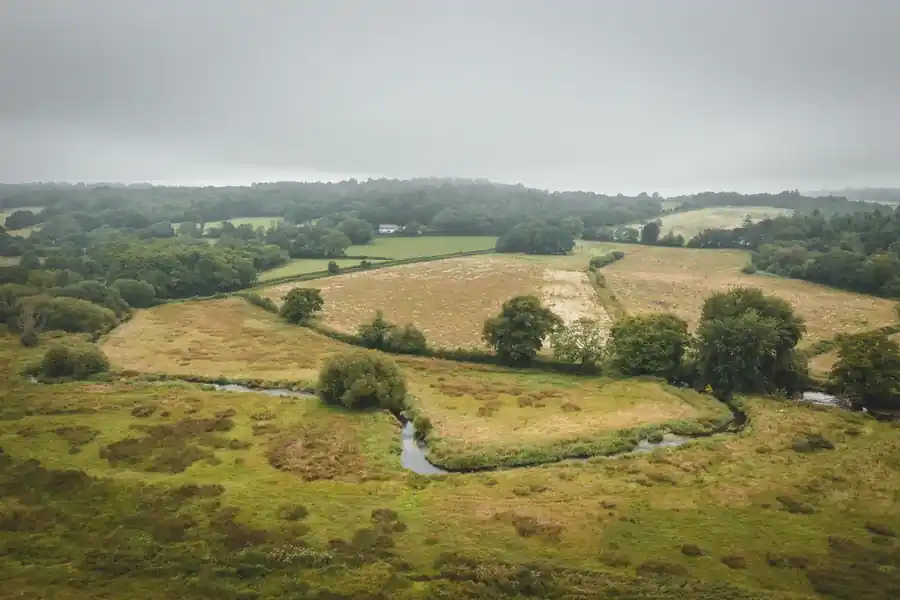
West Berkshire’s habitats follow its chalk rivers and the heath and woodland to their east.
- Floodplain Wetland Mosaic: Kennet and Lambourn Floodplain Special Area of Conservation spreads over six separate areas, home to Desmoulin’s whorl snail, with Rack Marsh managed by the Wildlife Trust.
- Lowland Heathland: Greenham and Crookham Commons hold the largest heathland and acid grassland in the county, with northern pool frog and purple emperor butterfly.
- Reedbeds: Thatcham Reed Beds Site of Special Scientific Interest lies just south of Thatcham.
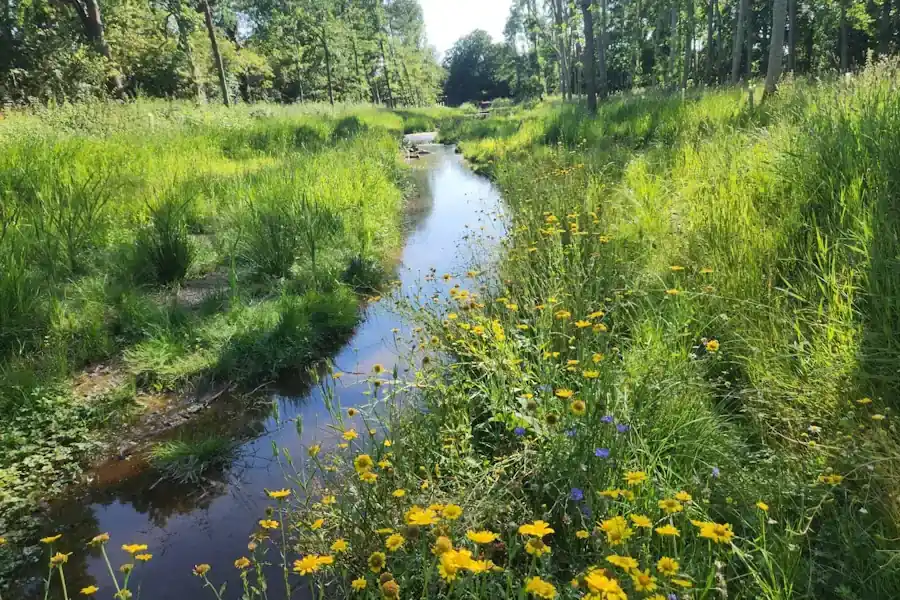
- Rivers and Streams: the chalk rivers Kennet and Lambourn run through the district, and the Lambourn is a Special Area of Conservation.
- Wet Woodland: Kennet Valley Alderwoods is a Special Area of Conservation, and waterlogged alder valleys run through Greenham and Crookham Commons.
Newbury
Thatcham
Theale
Hungerford
Pangbourne
Tilehurst
Get notified of a scheme
We do not currently have any schemes covering this LPA.
Get notified when a scheme is available in this area.
Are you looking to start a BNG scheme?
Talk to Greenshank and explore the opportunities we offer through your land.
Latest News
Understand what biodiversity net gain is, how BNG is calculated, and how to buy or sell biodiversity units in England.
A look at natural capital, what it means to developers, and how landowners can generate income from it through projects with Greenshank.

Government's first Environmental Delivery Plan risks costing taxpayers more while delivering less nature