
What is Natural Capital?

.webp)
In his 19th-century poem Jerusalem, William Blake called England a "green and pleasant land", but in the 21st century, that landscape has acquired more than just sentimental value. The water, air, soil, and all living things have an intrinsic worth known as natural capital.
In the UK thanks to the government's Biodiversity Net Gain policy, natural capital is reshaping how land is valued, impacting the success of planning applications, and determining where investment goes next.
This article explores the origins of this concept, what it means to economists and developers, and why it's of increasing importance to UK developers and landowners.
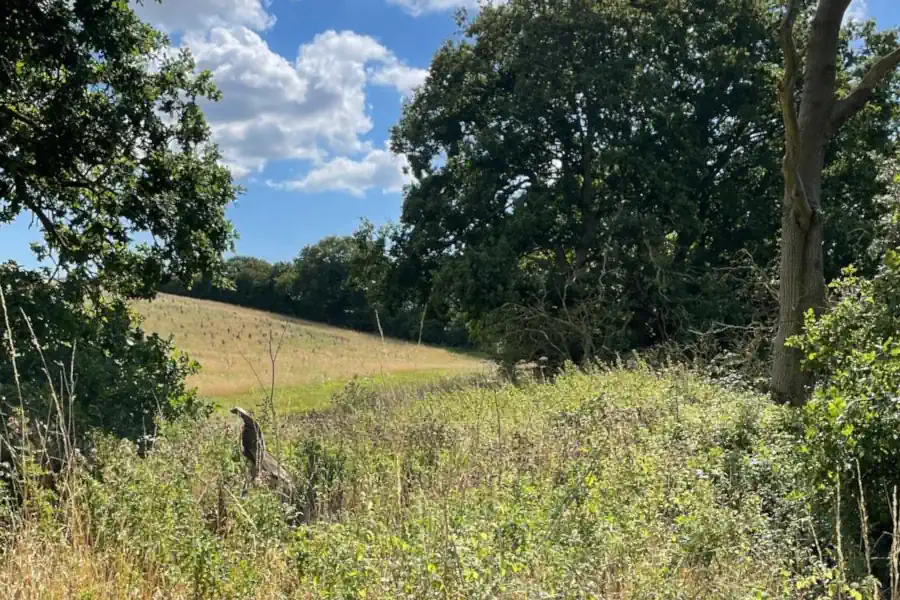
Giving a Name to a Long-Held Idea
In 1973, E. F. Schumacher made a controversial suggestion in his book "Small is Beautiful: A Study of Economics as If People Mattered"1, that the needs of humans and the desire for profit were out of balance. Schumacher's book was notable for also coining the phrase "natural capital2" for the first time. It gave a name to the world's renewable and non-renewable resources that were, as far as he was concerned, treated as little more than freebies by economists.
The natural world isn't just a beautiful backdrop: all human economic activity ultimately depends on essential resources it provides, including soil, air, water and the associated biodiversity3. The value of a building or a machine goes through the floor if it's left to fall into ruin, and the same goes for the environment. Natural capital that has been overused, polluted, or badly managed has inherently less value.
.jpg)
To ensure economists take this concept seriously, the World Bank, the World Economic Forum, global governments, financial institutions, and conservation bodies adopted the definition of natural capital as essential resources4. It has since become a foundation of and a framework for discussions about environmental sustainability, biodiversity, and economic risk.
How Much Is Natural Capital Worth?
The tangible and intangible qualities of natural capital are priceless to many people, but a 2020 report by the World Economic Forum gave it a monetary figure. It said "$44 trillion of economic value generation – more than half of the world's total GDP – is moderately or highly dependent on nature and its services."
.jpg)
That's because there's far more to natural capital than air, soil, water, and living organisms. It also provides a vast network of ecosystem services covering four categories: provisioning (water, materials), supporting (pollination, the water cycle), regulation (flood control, air quality), and cultural (inspiration for art, national identity).
Historically, economists didn't include natural capital on their balance sheets. Only now are governments and businesses starting to understand - and respond to - the consequences of that omission.
The Risks to Natural Capital
Rising temperatures, changing rainfall patterns, and more frequent, extreme weather events are all symptoms of climate change, in the UK and across the world.
It's an existential threat to natural capital across the globe, affecting the biodiversity and resilience of ecosystems and, from an economic point of view, their productivity. But global warming is also being driven and accelerated by issues including deforestation, warming oceans, soil erosion, and the loss of wetlands.
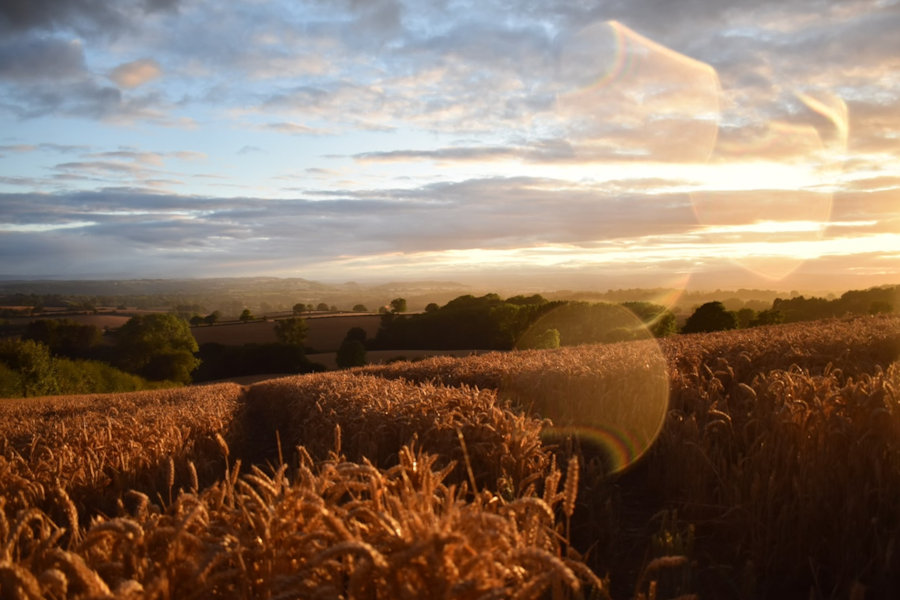
A 2020 report from WWF, the Global Trade Analysis Project and the Natural Capital Project estimated up to $10 trillion in global losses by 20505 if the Earth's natural capital wasn't safeguarded. Those losses would be the combined result of lost production, increased threats of disaster, and the rising price of developing man-made alternatives to (formerly free) natural processes.
On paper the figure sounds astronomical, but in reality, the environmental price is more than any of us can afford to pay.
What Is Being Done to Protect Natural Capital?
It's been a long time coming, but the UK government finally recognised the negative impact of development on natural capital and the need for that to be reversed. In the 25 Year Environment Plan, published in 20186, officials pledged to leave the environment in a better state than it found it within a generation.
The Environment Act 20217 translated that commitment into law, with Biodiversity Net Gain (BNG) the jewel in its crown. Today, developers must show their projects will enhance biodiversity by a minimum of 10% as a condition of planning permission.
For landowners, the change in the law has created an interesting opportunity to protect the natural capital in their portfolios. By managing their land in ways that will enhance biodiversity and deliver ecosystem services, landowners can protect the environment and potentially add to their revenues with biodiversity units and nutrient credits.
%20after%20a%20period%20of%20heavy%20rain%20in%20winter.png)
As exciting as BNG is, it's just the tip of the iceberg.
In the UK, natural capital is being factored into decisions about nutrient neutrality requirements, Local Nature Recovery Strategies, and the design of environmental land management schemes. For developers, natural capital has become a key part of their projects, rather than an afterthought.
Talk to us if you want to know more.
Who Uses Natural Capital Frameworks?
The short answer is everyone. In the UK, the government is using natural capital frameworks to draft environmental policy, assess the costs and benefits of a development, and measure any progress against environmental targets.
Financial institutions and investors are increasingly using natural capital considerations in their risk assessment and portfolio management. Companies are also increasingly looking at their own impact on natural capital (as well as how much they need it), while conservation, land management, and environmental finance groups are at the forefront of natural capital markets.
We work directly within these markets. Our team creates BNG habitat banks and nutrient mitigation schemes that directly benefit the environment, and convert natural capital management into tradeable credits for developers.
What We Do with Your Natural Capital
We offer Biodiversity Net Gain (BNG) schemes, which run for 30 years and can work alongside some existing land uses, depending on a landowner's situation and local demand.
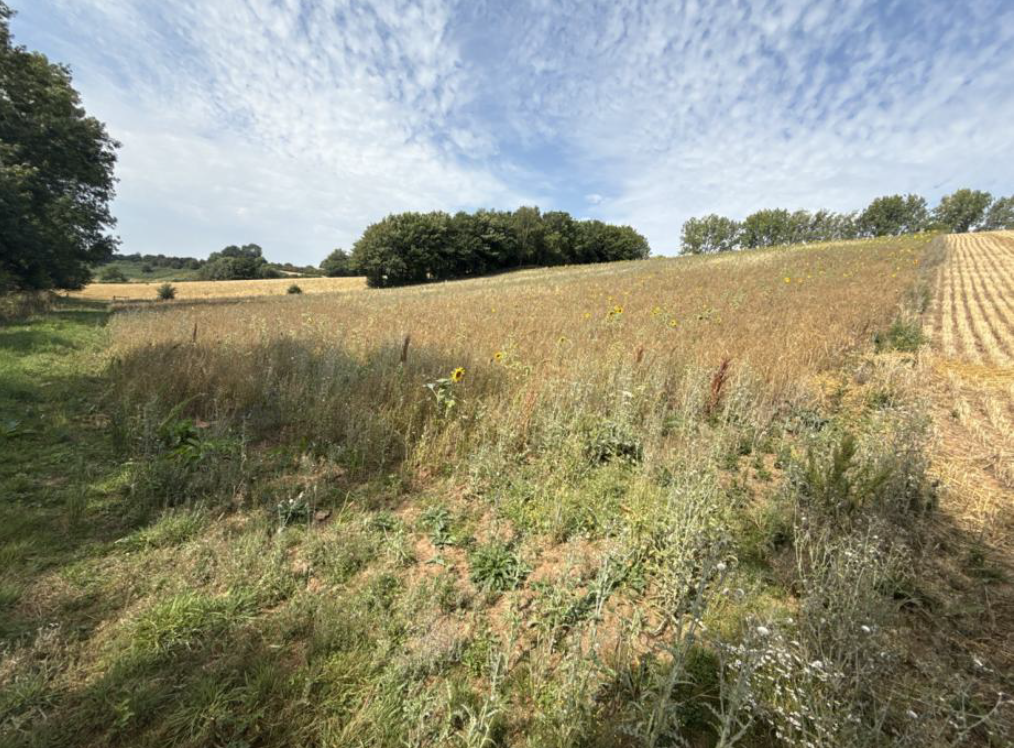
They can also create a Nutrient Neutrality scheme that generates credits developers can buy. These are long-term projects but we handle the technical assessments, regulatory approvals, scheme design, implementation, and selling the credits to buyers. Landowners provide the habitat and work with us on key decisions.
For developers, we operate a national network of habitat banks and nutrient mitigation schemes that can help meet BNG requirements. Each project is legally secured with Section 106 agreements or conservation covenants, managed for 30 years, and approved by Local Planning Authorities.
Browse our BNG Habitats directory.
.png)
Get in Touch
Whether you're a landowner interested to know about the natural capital potential of your land, or you're a developer looking to meet mandatory biodiversity net gain requirements, we can help.
Contact our experts at sales@greenshank-environmental.com or leave your details on our contact form and we'll be in touch.
Related posts
Guidance on BNG, nutrient neutrality, and nature-based solutions for sustainable development.
Ready to buy your units?
Easily buy your BNG units online today to ensure compliance and positive environmental impact.