
Understanding Biodiversity Net Gain

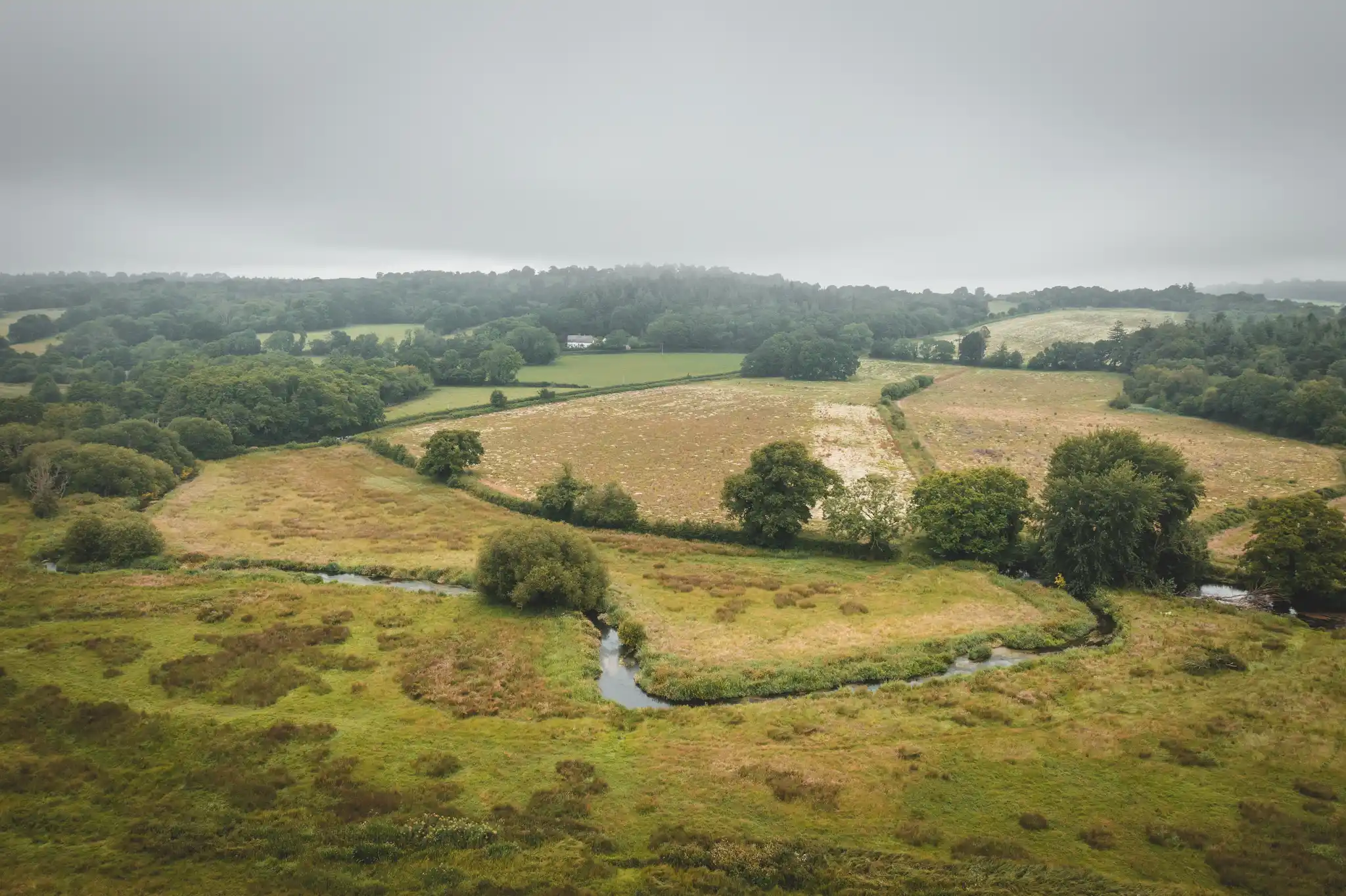
The State of Natural Capital Report for England,1 published in October 2024, set out the risks facing the country's ecosystems and the actions needed to restore them. Fortunately, steps were already being taken to do just that.
Eight months earlier, in February 2024, biodiversity net gain (BNG) became mandatory in England, requiring most developments to deliver a minimum 10% increase in biodiversity value.2 That sounds impressive on paper, but what does that look like in practice?
Our guide will explore the meaning of biodiversity net gain and how it is measured. We will also examine ways developers can achieve their legal requirements, and look at the potential benefits BNG could have for landowners.
Defining Biodiversity Net Gain (BNG)
Biodiversity net gain was introduced through the Environment Act 2021,3 which inserted new provisions into the Town and Country Planning Act 1990 and made BNG a condition of planning permission for most developments in England.4 It applies to planning permissions granted on applications made on or after 12 February 2024, and to minor developments from 2 April 2024.5 The government lists the exempt developments in its guidance,6 and our guide to BNG exemptions covers each one.
BNG's goal is for a development site's biodiversity value to be at least 10% higher after work is completed. What makes biodiversity net gain all the more impactful is that it is a statutory condition of planning permission, not a voluntary target.
The gain is not a one-off. Habitats that are created or enhanced must be maintained for at least 30 years. That applies to all off-site gains and to significant on-site enhancements, and a legal agreement sets out who is responsible.7
How Does BNG Actually Work?
Developers must factor biodiversity net gain into their projects from the start, especially if there is likely to be an impact on habitat. Before the gain is calculated, developers should first avoid or reduce harm to biodiversity through site selection and layout.8
Irreplaceable habitat, such as ancient woodland, is treated differently. The metric cannot measure impacts to it, so bespoke compensation must be agreed with the local planning authority (LPA), and that compensation cannot count towards the 10% gain. The 10% gain still applies to the rest of the site.9
For projects requiring planning permission that are subject to BNG, there is a strict roadmap that must be adhered to, known as the biodiversity gain hierarchy.10
It demands that - wherever possible - developers should prioritise on-site enhancements within the project's red line boundary to achieve the minimum 10% biodiversity net gain. That could be anything from creating a wildflower meadow or a nature park to improving the condition of habitat already on the site.11
If the minimum 10% threshold can't be met with on-site gains alone, developers can explore off-site solutions by using their own land or purchasing BNG units. These include habitat banks, created specifically by landowners to sell as units, which are listed on the biodiversity gain sites register12 and secured for a minimum of 30 years through a binding legal agreement.
For non-major development, applications made on or after 6 August 2026 treat on-site and registered off-site gains as equal options, so smaller developments can go straight to off-site units.13
Developers who cannot achieve the minimum 10% BNG uplift through on- or off-site solutions must buy statutory biodiversity credits. These are priced with a mark-up to prevent them undercutting the off-site market, and are a last resort.14
Calculating Biodiversity Net Gain
At the heart of BNG are the statutory biodiversity metric calculation tool (SBMCT) and, for smaller developments, the small sites metric (SSM).15 The SSM can be used for:
- residential development where the number of dwellings is between 1 and 9 on a site of an area 1 hectare or less, or if the number of dwellings is unknown, the site area is less than 0.5 hectares
- commercial development where floor space created is less than 1,000 square metres or total site area is less than 1 hectare
- development that is not the winning and working of minerals or the use of land for mineral-working deposits
- development that is not waste development
The SSM cannot be used where priority habitat, protected sites or European protected species are present. It fixes the baseline condition of habitats, so no condition assessment is needed, and an ecologist is not required. There are other criteria developers must meet to be able to use the SSM, which can be found in the user guide.16
The statutory metric should be used by a competent person, such as an ecologist. The LPA may reject calculations it does not believe were completed by a competent person.17
Both the SBMCT and the SSM determine the biodiversity value of existing, enhanced and created habitat parcels, as well as three types of biodiversity unit: area habitat, hedgerow, and watercourse.18
To calculate a habitat parcel's biodiversity value, the size, distinctiveness, condition and strategic significance (for watercourses, riparian zone encroachment and watercourse encroachment are also factors) are entered into the tool, which assigns each criterion a score. The more distinctive a habitat parcel, the higher the score and the greater the biodiversity value.
The tools calculate the habitat parcel scores for a development site before and after work has been done. The post-development value must be at least 10% higher than the pre-development value, and any shortfall, listed in both units and as a percentage, is the number of biodiversity units still to be delivered.
It can be tricky to visualise what 10% of a development looks like. This is easier once the statutory biodiversity metric calculation tool or SSM have done their jobs. When they have determined the baseline number of biodiversity units within a development, the 10% uplift - if needed - is calculated from there.
For example, a site with a baseline biodiversity value of 100 units needs to add another 10 to meet the minimum 10% uplift threshold.
GOV.UK advises using the metric early and repeatedly as plans are refined, with the aim of achieving the best possible gains on site.19 The calculations become part of a formal biodiversity gain plan, which is submitted to the LPA after planning permission has been granted.
The biodiversity gain plan should also include evidence of any impact on existing habitat and details of how any significant on-site enhancements will be secured in the long term, set out in a habitat management and monitoring plan.20
Until the LPA has approved the biodiversity gain plan, no work on a development can begin. For more on this stage, see our guide to biodiversity net gain planning.
Local Planning Authorities and BNG
LPAs will check all aspects of the biodiversity gain plan.21 That includes verifying that the metric calculations are correct and that the trading rules are met, which limit which habitats can replace which. The LPA will also confirm that details of any off-site units match those on the biodiversity gain sites register.
Gains must also be additional. Habitat work that is already funded, for example by an agri-environment scheme, cannot be sold as biodiversity units.22 The 10% gain must also come from works that are separate from any mitigation or compensation the development already requires.23
With a section 106 agreement, the LPA enforces the maintenance obligations. With a conservation covenant, the responsible body does.24 The LPA has eight weeks to approve or refuse the biodiversity gain plan. If it gets the green light, development work can begin.25
Local Policy and Higher Targets
Plan-makers should not ask for more than a 10% gain unless they can justify it with evidence. Local policies that require a 10% gain, written in anticipation of the national rules, should no longer apply to applications subject to BNG. Policies that require more than 10% may still be relevant.26
How Much Is a BNG Unit Worth?
The cost of a BNG unit varies depending on several factors.
On-site gains avoid the cost of buying units, but significant on-site enhancements must be maintained for at least 30 years.27
The price of off-site BNG units is set by land managers and owners, who price in the type and condition of the habitat, the cost of creating it and managing it for at least 30 years, and local scarcity.
Off-site BNG units also become more expensive when they are further from the development site, because the spatial risk multiplier means more units are needed.28
Statutory Biodiversity Credits
The prices of statutory biodiversity credits are set by the government and reviewed every six months, with at least 10 weeks' notice given of any changes.29
As of November 2026, the price of a single statutory biodiversity credit is between £42,000 and £650,000, depending on habitat type. Low distinctiveness habitats sit at the bottom of the pricing structure, while high distinctiveness lakes are the most expensive.
Statutory biodiversity credits also come with a spatial risk multiplier, which doubles the number of credits needed for every biodiversity unit: one credit is worth half a unit, so you buy two credits for each unit. The listed prices do not include this. The statutory biodiversity metric tool calculates the credits needed automatically.30
Section 101 of the Environment Act 2021 limits how the money from credits can be spent: on habitat enhancement works in England, buying land for those works, and running the credit arrangements.31 Our guide to the cost of BNG units and credits goes into more detail.
Habitat Banks and the Market for Biodiversity Units
A habitat bank is land where habitat is created or enhanced to generate off-site biodiversity units.32
A habitat with BNG potential is assessed using the statutory biodiversity metric, based on its type, condition and strategic significance. Habitats with higher distinctiveness, better condition and higher strategic significance generate more units per hectare.
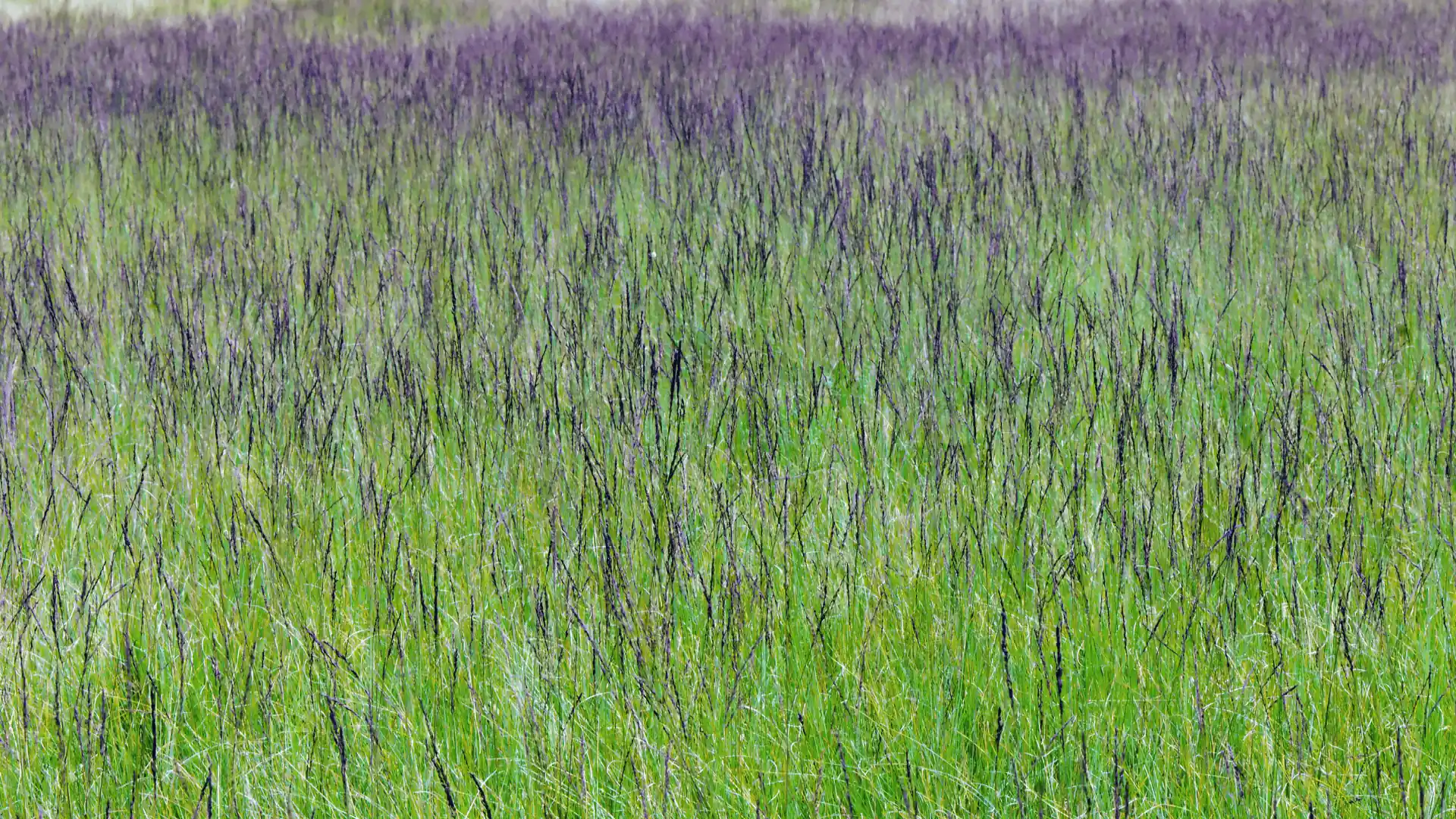
The landowner is legally responsible for creating, enhancing and managing the habitat to its target condition, and the buyer of the units pays the land manager to do that work.33
These habitats must be legally secured for a minimum of 30 years using either a section 106 agreement with an LPA or a conservation covenant. The agreement is recorded on the local land charges register.34 Both bind later owners as well as the original landowner. A section 106 obligation is enforceable against anyone deriving title from the person who entered into it,35 and a conservation covenant binds the landowner's successors provided it is registered as a local land charge.36 If the land is sold, the obligations pass to the new owner.
Once the habitat has been approved and added to the biodiversity gain sites register, the BNG units can be sold to developers.
Management and monitoring continue for the life of the agreement, and the timing of monitoring depends on the habitat type.37
We Can Help Meet Your BNG Needs
If you're a landowner thinking about creating a habitat bank on your land, our team can offer expert advice on the right choice for you.

If you're a developer, we operate a dedicated online marketplace that makes it easier and quicker to find, price, and purchase verified units with all the documentation needed for planning submission.
Whether you are exploring how biodiversity net gain affects your development, or you're a landowner interested in creating a habitat bank, talk to us.
Email us at sales@greenshank-environmental.com or fill in this contact form and we'll be in touch as soon as possible.
Sources
Ready to buy your units?
Easily buy your BNG units online today to ensure compliance and positive environmental impact.