
BNG & Nutrient Neutrality Compliance: How Greenshank Helps Developers Achieve Legal Certainty


Biodiversity net gain (BNG) in England requires developers to leave habitats in a measurably better state than they found them,1 while nutrient neutrality in affected catchments in England and Wales requires that new projects do not add to nutrient pollution of protected sites.2 3
Developers who are new to these important legal changes may not be sure which are the right solutions for their project or where to get expert advice.
We deliver the full lifecycle of BNG and nutrient mitigation schemes, from inception and technical design through to deployment and sales.
Our landowner network allows us to identify and develop nutrient mitigation solutions, connecting developers with everything they need to secure planning permission quickly and cost effectively.
This article will examine the legal compliance required for BNG units and nutrient neutrality, and explain how we help developers achieve certainty in a sometimes shifting landscape.

Legally Secured BNG Units
BNG comes with a hierarchy,4 which developers must follow. They must first avoid adverse effects on any on-site habitats of medium or higher distinctiveness and, where that isn't possible, mitigate them. They must then deliver an increase in biodiversity value of at least 10% through on-site habitat enhancement or creation.
If that threshold can't be reached, developers must make up the shortfall by buying off-site units5 or, as a last resort, purchasing statutory biodiversity credits from the government at a premium. For non-major developments applied for on or after 6 August 2026, on-site enhancement, on-site creation and registered off-site gains are treated as equal priority.6
All off-site BNG units must be secured via a legal agreement detailing how the habitats within the BNG units will be created or enhanced, and maintained for at least 30 years, and by whom.
This is either a conservation covenant, which is part of the Environment Act 20217 and is agreed between a landowner and a local planning authority (LPA)8 or one of the designated responsible bodies,9 or a section 106 agreement, which is part of the Town and Country Planning Act 1990,10 between a landowner and an LPA.
All our BNG units are created to a high ecological standard, with the aim that the habitats within them thrive. They are also supplied with full management and monitoring plans, so buying our units means less hassle for developers.
Compliant Nutrient Neutrality Solutions
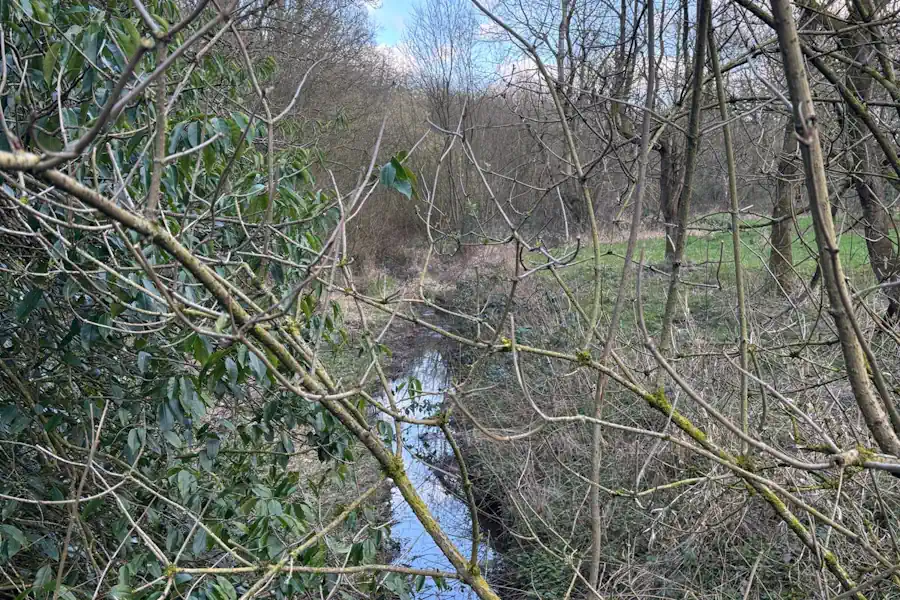
Many rivers, lakes, and estuaries in England and Wales are polluted by historic nitrogen and/or phosphorus, including protected sites.11 Nutrient neutrality seeks to redress that imbalance by ensuring that new development in affected catchments does not add to existing nutrient levels.
Developers must use the government's nutrient budget calculators for each specific catchment in England,12 and in Wales,13 to determine the annual mitigation needed to achieve nutrient neutrality.
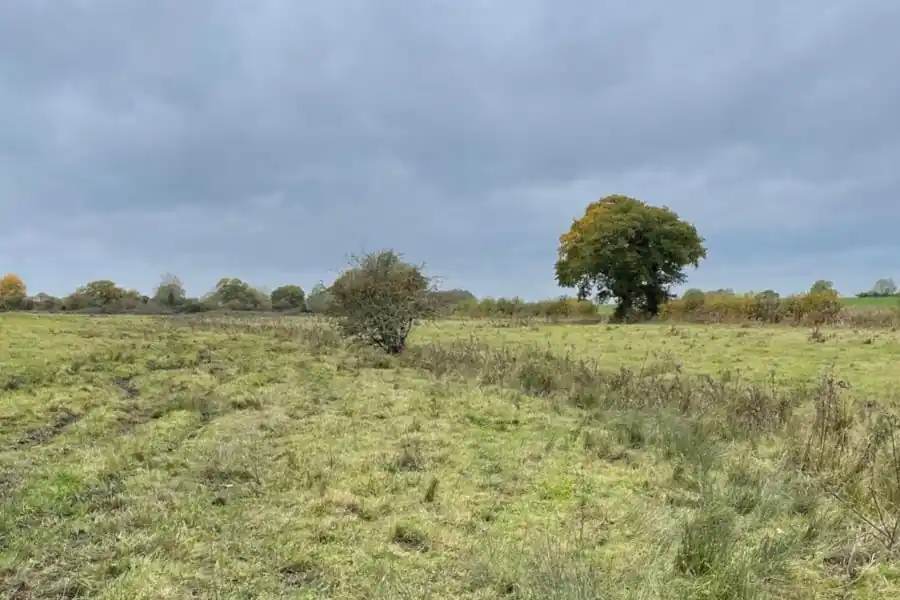
There are several ways to achieve nutrient neutrality, including those focused on wetlands, switching fertilised arable land to unfertilised grassland, and improvements to wastewater treatment works.
Developers who need off-site solutions can purchase nutrient credits from Natural England's Nutrient Mitigation Scheme, which currently covers the Tees and Poole Harbour catchments,14 or from providers like us.
We help developers achieve full nutrient neutrality using on-site methods in more than 90% of developments. However, if you need nutrient credits, we can help with those too.
We operate high-integrity nutrient mitigation schemes across several areas that are ideal for developers seeking to achieve their nutrient neutrality obligations.
Our nutrient credits are secured in perpetuity, backed by section 106 agreements, and come with full management and monitoring plans, with no ongoing liability for developers.
Case Study: Reliable Drainage Ditch Management
Our CEO, Dr Gabriel Connor Streich, contributed to Natural England's technical guidance on nutrient neutrality, and we deploy schemes using methods from that guidance, including drainage ditch management for nutrient reduction.
Our schemes include the Newsham Beck Nutrient Mitigation scheme. It features a reimagined watercourse: a carefully engineered, two-stage channel that mimics natural stream dynamics. This design adheres to the Enhanced Drainage Ditch Management Framework,15 co-developed by Greenshank for Natural England.
It is designed to deliver reliable, evidence-backed reductions in agricultural nitrogen runoff, all within a compact 0.8-hectare footprint on low-value, waterlogged land.

Let Us Help You Achieve Certainty for Your Development
If you're putting together a new development and want help meeting your BNG and nutrient neutrality obligations, talk to us.
All our solutions are legally secured, come with full management and monitoring plans, and carry no ongoing liability for developers.
Email us at sales@greenshank-environmental.com or fill in this contact form and we'll be in touch as soon as possible.
Sources

How Does Deforestation Affect Biodiversity?
How deforestation affects UK and global biodiversity - from habitat loss and species extinction to disrupted ecosystems - and how BNG can help.
Biodiversity Net Gain
A Developer's Checklist for BNG Council Submissions
Don't put your project at risk of delays. Ensure every box is ticked with our handy developer's checklist for BNG council submissions.
Biodiversity Net Gain

How to Find BNG Units Secured via Conservation Covenants
Comparing and contrasting Section 106 agreements and conservation covenants for developers looking for BNG units.
Biodiversity Net Gain
Ready to buy your units?
Easily buy your BNG units online today to ensure compliance and positive environmental impact.