
How Does Deforestation Affect Biodiversity?


Trees are among the oldest living organisms on the planet, and people depend on them in more ways than most of us realise. But it's not just people who depend on forests.
They are home to more than 80% of the world's land-based species of animals, plants and insects,1 play a crucial role in greenhouse gas reduction and water cycle regulation, and provide a source of essential materials.
Given their importance, why is deforestation continuing at such an alarming rate?
This article explores the effects of deforestation, the impact it has on biodiversity in the UK and abroad, and how biodiversity net gain is helping the UK's habitats to recover.
What's Driving Deforestation?
In the 10,000 years since the last ice age, one-third of global forests - 2 billion hectares - have been lost, half of which has disappeared since 1900.2
Agriculture is widely cited as the leading cause of global deforestation,3 as land is cleared for crops and pasture. Other drivers are logging, wildfires, and settlements and infrastructure projects.4
According to the World Resources Institute, 4.3 million hectares of tropical primary forest were lost in 2025 alone - equivalent to more than 11 football fields of forest per minute.5
The Amazon is the highest-profile rainforest being impacted by human activity, shrinking by 17% over the past 50 years.6 But it's far from the only forest under threat.
Palm oil expansion has driven rapid forest loss in Southeast Asia, particularly in Indonesia. Deforestation linked to palm oil there has fallen over the past decade, but it hasn't stopped.7 Elsewhere, countries including Bolivia and the Democratic Republic of the Congo have also experienced high rates of deforestation.8
.webp)
As our understanding of the profound connection between forests and biodiversity has improved, the consequences of deforestation have become increasingly clear.
Deforestation's Impact on Global Biodiversity
Habitat Loss and Fragmentation
Species that rely on forests for survival have nowhere to go after trees are felled, but even if some trees are left standing, they're not out of danger.
Isolated patches of woodland, separated by roads or urban areas, might sound like a lifeline, but this kind of fragmented habitat reduces genetic diversity, limits movement between populations, and increases the risk of extinction.

Species Decline and Extinction
Across the world, more than one in three tree species (38% of those assessed) are at risk of extinction,9 while the rate of species extinction is estimated to be between 1,000 and 10,000 times higher than it would be naturally.10
That includes creatures which depend on highly specific conditions that cannot be recreated once the forest is gone.
In situations where the population is impacted but not totally eradicated, the natural order between predators and prey can be unbalanced, disrupting the food chain on multiple levels.
In other cases, invasive species are able to enter deforested areas, threatening, displacing or even eradicating native wildlife.
Disruption to Ecosystem Services
Forests are a vast carbon sink, storing around 860 gigatonnes of carbon11 and helping to ease the impact of climate change.
Estimates vary, but deforestation is thought to account for around 6% of global emissions,12 or up to 11% when forest degradation is included.13 This contributes to global warming and creates a negative cycle that is putting the remaining forests under increasing pressure.
Forests also intercept rainfall and slow run-off, helping to regulate local water flows and reduce flood risk downstream.14 Deforestation disrupts these important water cycles and increases the risk of flooding, putting agriculture and local communities at risk of economic and social devastation.
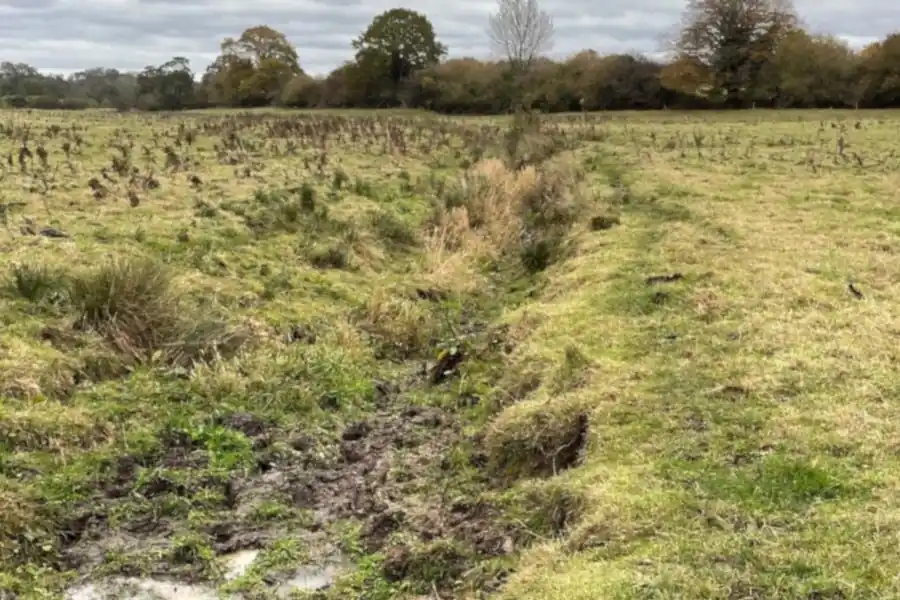
Forest soils, held together by complex root systems and enriched by leaf litter, are every bit as crucial to biodiversity as the leafy canopies. When trees are removed, so are the roots that bind the soil together, accelerating erosion and, in some places, the risk of landslides.
Deforestation also weakens the pollination that forests support,15 and robs the soil of its nutrients, leaving farmers trying to grow crops in poor-quality ground.
Deforestation in the UK
The 2023 State of Nature report found that, since 1970, the abundance of UK species has fallen by an average of 19%, and almost one in six species assessed in Great Britain are at risk of extinction.16
The UK is among the most nature-depleted countries in the world, ranking in the bottom 10% globally and at the bottom of the G7, according to the Natural History Museum.17 Woodland birds are one example: the UK woodland bird index remains around 20% below early 1970s levels and has continued to fall since 2010.18
At 13.5% of land area,19 the UK has one of the lowest levels of woodland cover in Europe.20 However, in recent years, steps have finally been taken to address the problem.
In 2022, the Kunming-Montreal Global Biodiversity Framework was adopted at the UN Convention on Biological Diversity.21
It laid out 23 targets to be completed by 2030, including restoring at least 30% of degraded ecosystems and effectively conserving and managing at least 30% of areas of "particular importance for biodiversity".
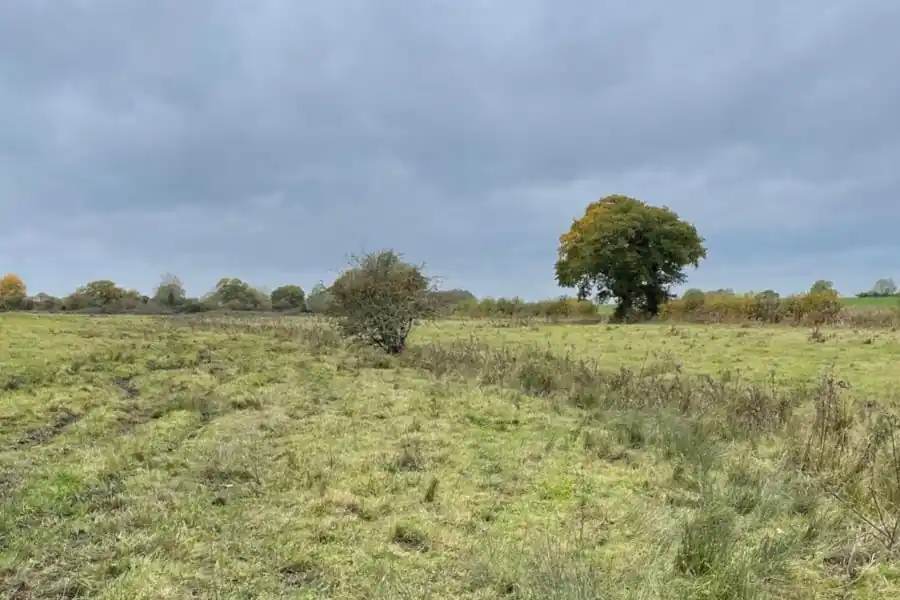
The framework came just over a year after the Environment Act 2021,22 which introduced mandatory biodiversity net gain (BNG) in England, a requirement for developers to deliver a minimum 10% increase in biodiversity value as a condition of planning permission.
That's where we come in.
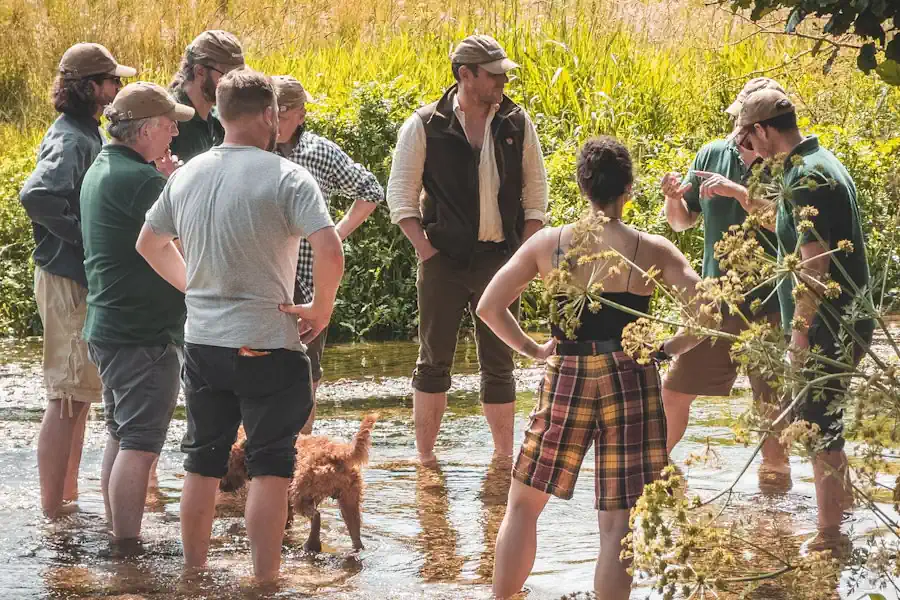
How We Are Helping the UK's Biodiversity to Recover
We operate a national network of registered offsite biodiversity gain sites. These habitat bank schemes are designed to deliver genuine, measurable biodiversity improvements - creating and restoring habitats secured for at least 30 years, through legal agreements.
They are registered on the biodiversity gain sites register23 and secured via section 106 agreements or conservation covenants, so developers can show that their BNG obligations are being met.
Contact Us to Get Started
If you're a landowner keen to know more about enhancing your land's biodiversity, talk to us. We can help you identify which schemes could bring maximum benefits for the environment.
If you are a developer looking to understand how biodiversity could affect your current or future projects, we can help.
Our team can guide you through BNG obligations, nutrient neutrality requirements, and the schemes available in your area.
Email sales@greenshank-environmental.com or fill in this contact form, and we'll get back to you as soon as possible.
A Developer's Checklist for BNG Council Submissions
Don't put your project at risk of delays. Ensure every box is ticked with our handy developer's checklist for BNG council submissions.
Biodiversity Net Gain
How to Find BNG Units Secured via Conservation Covenants
Comparing and contrasting Section 106 agreements and conservation covenants for developers looking for BNG units.
Biodiversity Net Gain
How to Prepare Your Land for BNG Opportunities
A step-by-step guide for landowners looking to sell their land as BNG units, and how Greenshank can help at every stage of the process.
Biodiversity Net Gain
Ready to buy your units?
Easily buy your BNG units online today to ensure compliance and positive environmental impact.