
Understanding BNG Units and BNG Credits: The Costs and Key Differences

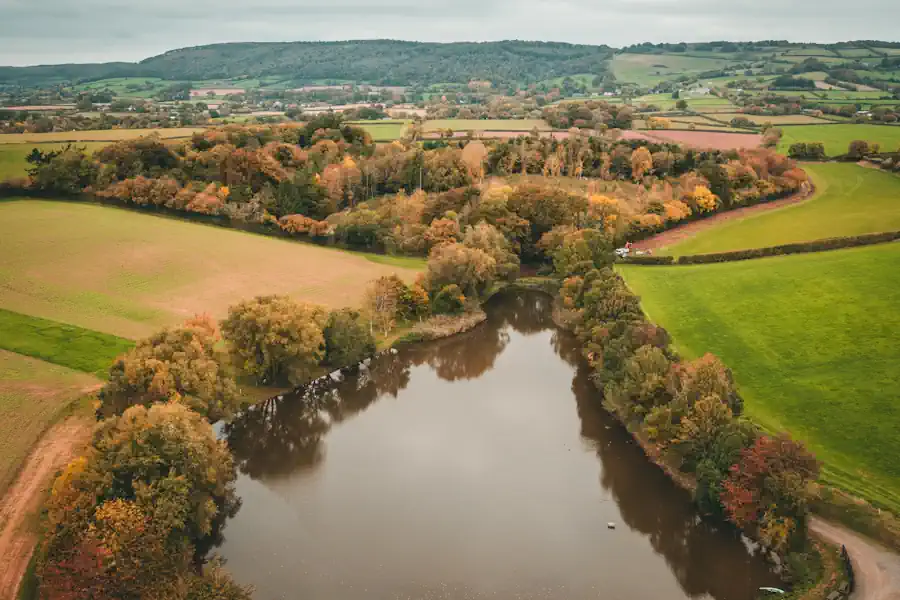
In 20241 the UK government took steps to ease the environmental impact of developments by making Biodiversity Net Gain (BNG) a condition of planning permission, under the Environment Act 2021.2 Developers of most projects in England (there are some exemptions, listed here) must now achieve a minimum 10% improvement, either on-site or off it.
Alongside getting to grips with the mechanisms that define and measure a habitat's value and the range of BNG solutions available, there is one vital question developers and land managers all ask: how much does biodiversity net gain cost?
The answer can be crucial to a development's viability, and is equally important for land managers or owners thinking about creating a habitat bank. This guide explains the key differences between BNG units and BNG credits, setting out the prices for both (correct at the time of writing), and explains the ecological factors determining how much developers could pay.
BNG Units vs BNG Credits - What's the Difference?
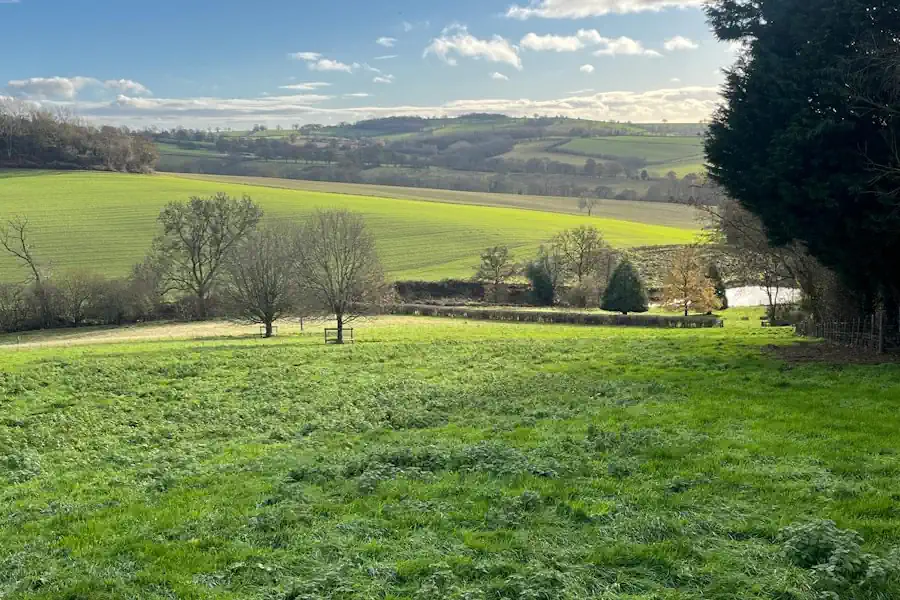
Biodiversity net gain is structured3 so that developers must prioritise on-site enhancements within a project's red line boundary to reach the minimum 10% threshold.4 Where that isn't possible, the next step is investing in off-site solutions.
Biodiversity Net Gain Units
Biodiversity net gain units are registered sites of created or enhanced habitat, whose biodiversity value has been assessed - potentially several times - using the Statutory Biodiversity Metric tool.5 It calculates the number of units within a habitat, which covers three categories:
- area habitat units
- hedgerow units
- watercourse units
Off-site biodiversity units are listed on the biodiversity gain site register,6 and are protected for at least 30 years through either a Section 106 agreement or conservation covenant.7
Statutory Biodiversity Credits
Statutory biodiversity credits are different. Sold by the UK government, they are available only when a developer can demonstrate they have exhausted both other methods of achieving the minimum 10% BNG threshold.
Because they are considered a last resort,8 statutory biodiversity credits are deliberately priced higher to prevent them from undercutting the BNG units market.9
.webp)
What Determines the Price of a Biodiversity Net Gain Unit?
Depending on the size of development, either the statutory biodiversity metric calculation tool or small sites biodiversity metric tool is used to determine the value of a BNG unit,10 based on its habitat type, location, distinctiveness, condition and local significance. Watercourses also take in riparian zone encroachment and watercourse encroachment.
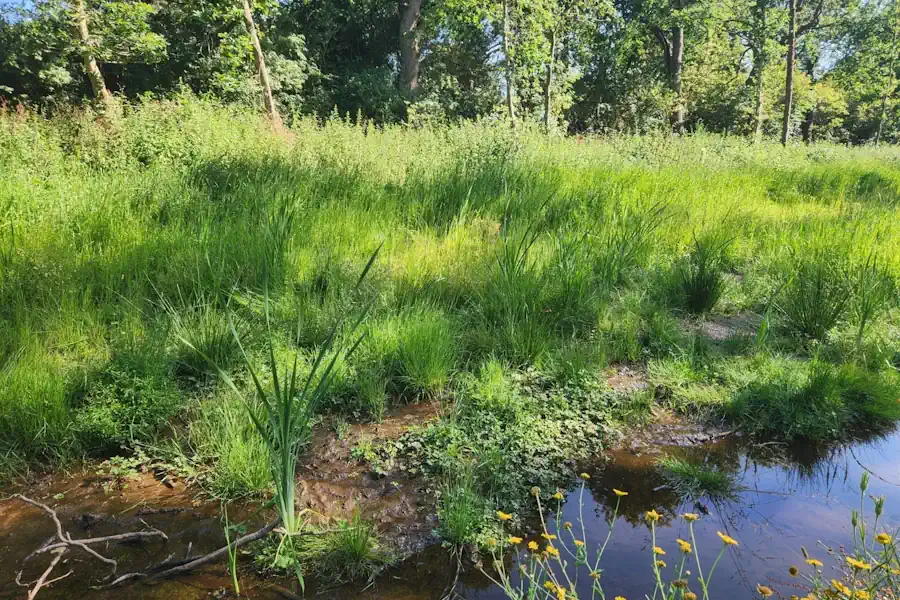
BNG units in high distinctiveness habitats, such as species-rich grassland, ancient woodland, or wetlands, will cost more to buy. This is because they take longer to establish, require more intensive management, and generate fewer biodiversity units per hectare compared to their cost of creation.
Habitat condition and strategic significance can affect the number of units a parcel of land generates, as well as the costs needed to remain financially viable. Likewise, a shortage of suitable BNG solutions in an area required can push up unit prices.11
The higher overall score a habitat achieves in the metric tools, the more ecologically valuable its units are, and the more a developer will have to pay.
Location and the Spatial Risk Multiplier
How close off-site biodiversity net gain units are located to the original project affects the price too, thanks to the spatial risk multiplier (SRM).
Under biodiversity net gain, the primary aim is to achieve the minimum 10% uplift in an existing habitat where the development is happening, or as close to it as possible.12
BNG units sourced further away from a project site that are entered into the metric tools will be penalised - they will cost more - under the SRM.13
How Many Biodiversity Net Gain Units Does My Development Need?
Assuming your development does not qualify for any exemptions, to find out how many BNG units you need to achieve the minimum 10% enhancement, a baseline assessment of a habitat's biodiversity value14 (both pre- and post-development) should be carried out by an ecologist or similarly competent professional.15
That information is fed into the statutory biodiversity metric calculation tool. It will confirm whether a developer's BNG requirements16 have been met,17 and if not, how many types of BNG units are needed to ensure compliance.
What's the Cost of a Biodiversity Net Gain Unit?
On-site biodiversity net gain may initially be cheaper, as developers don't have the added cost of purchasing units. However, it's worth remembering that developers making significant habitat enhancements are then legally bound to maintain them for at least 30 years.18
The price of off-site BNG units is determined by land managers and owners, who have several factors to consider, including how much it costs to create, any expert input needed, legal fees, the type and location of the habitat, and management costs, spanning at least 30 years.19
According to a 2026 report from BiodiversityUnits.com, a single BNG unit with no spatial risk for medium distinctiveness woodland and forest costs £32,958 in the north of England, and £34,086 in the south. Calcareous grassland was priced at £44,104 in the north and £41,814 in the south, while priority habitat river watercourses cost £165,462 and £165,244, respectively.
Our expert team can help you find BNG solutions - including fractional units - that meet your legal needs and budget.
.webp)
How Much Do Statutory Biodiversity Credits Cost?
In contrast to potentially fluctuating BNG unit costs, the prices of statutory biodiversity credits are set by the UK government and reviewed every six months, and with at least 10 weeks' notice given of any changes.20
At the time of writing, statutory biodiversity credits cost between £42,000 and £650,000 each, depending on the type of habitat.21 All low distinctiveness habitats were the bottom of the pricing structure, while high distinctiveness lakes were the most expensive.
Developers resorting to buying statutory biodiversity credits also incur a spatial risk multiplier, which doubles the amount of credits for every biodiversity unit needed.22 This cost is automatically calculated by the statutory biodiversity metric tool.
Funds generated from the purchase of statutory biodiversity credits are paid to the Treasury,23 which is spent on habitat enhancement, administering arrangements for, or buying land for habitat enhancement, as laid out in the Environment Act 2021.24
Buying Biodiversity Net Gain Units - Our Practical Process
We've made the process of buying biodiversity units so easy, you can secure BNG units from trusted UK habitat banks in just 5 minutes.
We have units available in multiple local planning authorities (LPAs) and National Character Areas (NCAs), so developers can conveniently meet their minimum 10% BNG threshold.
All our schemes are secured using a Section 106 agreement or a conservation covenant, and come with complete management and monitoring plans, so you don't have that additional work.
A £150 deposit is all it takes to secure units for 30 days.
.webp)
How Much Can Landowners Earn from Biodiversity Net Gain?
Landowners who want to sell parts or all of their land as biodiversity units must first get a qualified ecologist to assess its value using the statutory biodiversity metric tool.25
You need to secure a planning agreement with a local authority or agree a conservation covenant with a responsible body, before registering the land as a biodiversity gain site on the national register26 run by Natural England.27
How much income you can generate from it will depend on your location, the land type, and which scheme works best for your situation.
VAT and Tax Relating to BNG Units
In May 2026, HMRC published tax guidance28 relating to biodiversity net gain units to clarify who is liable for taxes related to BNG, and under which circumstances, including whether they are considered income from a trade or a capital gain.29
Although the advice from HMRC is still evolving,30 BNG units sold by a taxable person in the United Kingdom are also subject to VAT.31
The tax liabilities for landowners selling BNG units depend on the nature of the legal agreement underpinning them. It is wise to speak to a registered tax professional so you can get the full picture before committing to any decisions.
Let Us Help You Create a Lasting BNG Legacy
If you're a developer that needs off-site solutions to meet the mandated minimum 10% BNG requirements, talk to us.
We operate a national network of registered habitat banks, and can identify competitive, long-term buying arrangements.
If you're a landowner thinking about potential habitat bank opportunities, we can help guide you through the process and find the right option for you.
Email us at sales@greenshank-environmental.com or fill in this contact form and we'll be in touch as soon as possible.
BNG & Nutrient Neutrality Compliance: How Greenshank Helps Developers Achieve Legal Certainty
How Greenshank's BNG and nutrient neutrality solutions help developers stay compliant while meeting their planning needs.
Biodiversity Net Gain

How Does Deforestation Affect Biodiversity?
How deforestation affects UK and global biodiversity - from habitat loss and species extinction to disrupted ecosystems - and how BNG can help.
Biodiversity Net Gain
A Developer's Checklist for BNG Council Submissions
Don't put your project at risk of delays. Ensure every box is ticked with our handy developer's checklist for BNG council submissions.
Biodiversity Net Gain
Ready to buy your units?
Easily buy your BNG units online today to ensure compliance and positive environmental impact.