
Dorset LPA BNG
Biodiversity Net Gain in Dorset, where the Poole Harbour catchment adds nitrogen rules. Expert BNG support and access to local BNG units.
.avif)
Trusted by Developers and Landowners







Biodiversity Net Gain in Dorset Local Planning Authority
Dorset Council covers 2,491 square kilometres from the Jurassic Coast and the shingle ridge of Chesil Beach to the chalk of the Dorset Downs and Cranborne Chase. The Dorset National Landscape (112,800 hectares) and the Dorset part of the Cranborne Chase National Landscape (27,713 hectares) take in much of it. Around Weymouth sit The Fleet, a saline lagoon behind Chesil Beach, and the Isle of Portland, with its limestone grassland and cliff seabird colonies. Inland, the Frome, Piddle and Stour drain the county south-east, and the Dorset Heaths hold heathland of international importance for nightjar, woodlark, Dartford warbler, sand lizard and smooth snake.
Biodiversity Net Gain became a legal requirement for major developments in England on 12 February 2024, and for small sites on 2 April 2024. Dorset Council has not adopted a BNG Supplementary Planning Document or a local plan policy above the 10% minimum. Its published guidance (version 1.0, July 2023) treats 10% as a minimum, says it will seek more where possible, and sets a hierarchy of on-site delivery, then locally strategic sites, then the Dorset Local Nature Recovery Strategy area, with national statutory credits only as a last resort after discussion and clear evidence that no local option exists. The Dorset LNRS was adopted on 18 December 2025. The former districts’ local plans still apply, and a new Dorset Local Plan is at its scoping stage, with adoption targeted for 2029.
Nutrient pollution is the main constraint beyond BNG. Poole Harbour has had a nitrogen requirement since 2017 and was designated a nutrient sensitive catchment on 25 January 2024. Dorset Council also lists phosphorus catchments for the River Avon, River Axe and Somerset Levels and Moors, and treats Chesil Beach and The Fleet as a nitrogen and phosphorus catchment even though it is not formally designated. For off-site units, Dorset Council requires a section 106 agreement for each habitat bank, with 30-year monitoring, and states it has no obligation to enter negotiations.
Habitats in Dorset Local Planning Authority
.avif)
Dorset’s habitats run from internationally protected heathland and a lagoon behind Chesil Beach to chalk downland, hanger woodland and the clay vales of the west.
- Ancient and Hanger Woodland: ancient woodland with hazel coppice on the Dorset Downs and Cranborne Chase, and hanger woodland on the northern slopes of the Purbeck ridge.
- Calcareous Grassland: species-rich chalk grassland on the downs, and limestone grassland on the Isle of Portland that supports silver-studded blue, Adonis blue and Lulworth skipper butterflies.
- Chalk Streams and Rivers: chalk streams on the Dorset Downs and Cranborne Chase, and a named priority in the Dorset LNRS.
- Chesil Beach and The Fleet: a shingle bar and saline lagoon, and a SAC/SPA that Natural England advises is in unfavourable condition for nitrogen and phosphorus.
- Heathland: the Dorset Heaths, designated as an SPA, SAC and Ramsar site, with sand lizard, smooth snake, nightjar, woodlark and Dartford warbler.
- Maritime Cliffs and Slopes: almost the whole coast of the Isle of Portland, with one of only two Dorset colonies of nesting guillemot, razorbill and kittiwake.
- Marshwood Vale Pasture and Hedgerows: wooded pasture and abundant hedgerow oaks around the Rivers Char and Brit in the west.
- Poole Harbour Wetlands: saltmarsh and mudflat holding black-tailed godwit, avocet and shelduck, within the nitrogen-sensitive catchment.
- Weymouth Wetlands: Lodmoor and Radipole Lake, fed by the River Wey.
Dorset LPA BNG Planning
High distinctiveness habitats such as lowland heath, chalk grassland, and coastal cliffs are critical for meaningful biodiversity uplift and require careful protection and enhancement.
Lower distinctiveness habitats including improved grassland and arable land can be enhanced via hedgerow restoration, field margin creation, and wetland features to contribute to BNG targets.

Dorchester
Weymouth
Bridport
Get notified of a scheme
We do not currently have any schemes covering this LPA.
Get notified when a scheme is available in this area.
Discover Schemes in
Dorset LPA
LPA
Restoring ecosystems and creating sustainable habitats
through BNG and nutrient mitigation.
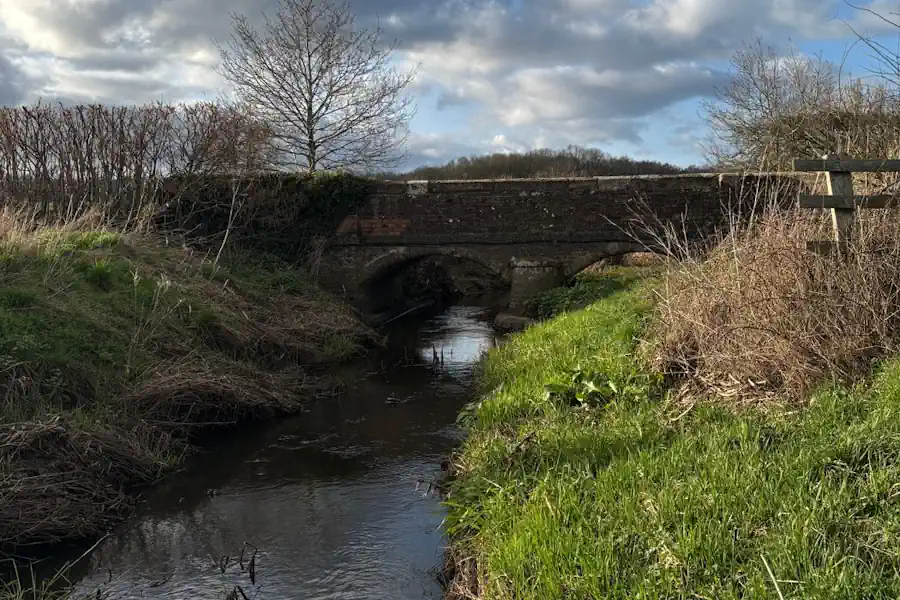
Shavington Estate
Shavington Estate
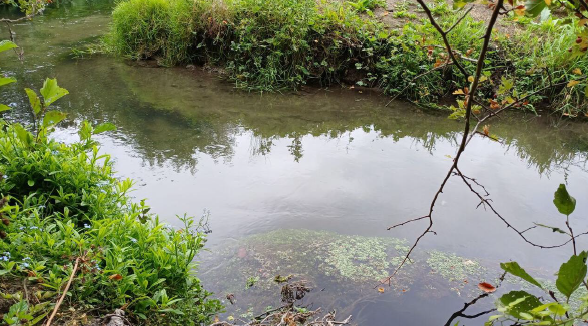
Hurst Farm
Hurst Farm
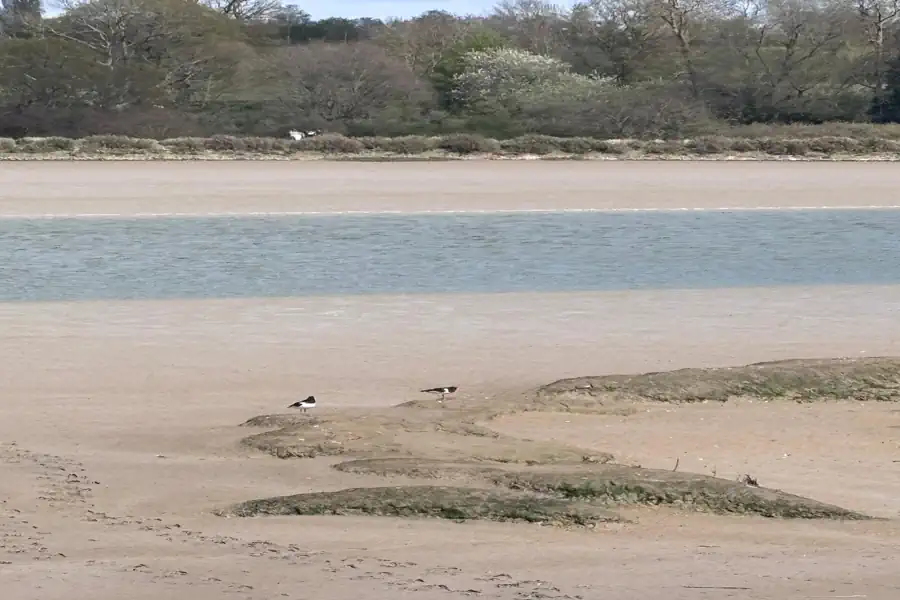
Essex BNG at Priors Farm
Essex BNG at Priors Farm

Somerset BNG Scheme
Trinity Farm & Eastcombe Fields
Tees Nutrient Mitigation
Tees Nutrient Mitigation Scheme
.jpg)
Wiltshire BNG at Lydeway
Land at Lydeway
.jpg)
Herefordshire BNG at Hampton Wafre
Hampton Wafre Farm
Are you looking to start a BNG scheme?
Talk to Greenshank and explore the opportunities we offer through your land.
Latest News
A step-by-step guide for landowners looking to sell their land as BNG units, and how Greenshank can help at every stage of the process.
.webp)
Find out how biodiversity net gain legislation works under the Environment Act 2021, what it requires, and which developments are exempt.
Find out how nutrient mitigation schemes work for landowners, how nutrient credits are generated, and how to combine nutrient and BNG income.