
East Devon LPA BNG
Discover key habitats, BNG requirements, and planning guidance for developers in East Devon LPA Local Planning Authority.

.avif)
Trusted by Developers and Landowners







Biodiversity Net Gain in East Devon LPA Local Planning Authority
East Devon, located in the South West of England, spans coastal cliffs, lowland heath, rolling farmland, and river valleys. Covering around 850 square kilometres, the district includes market towns such as Exmouth, Honiton, and Sidmouth, and forms part of the East Devon Area of Outstanding Natural Beauty (AONB). The region features nationally and internationally protected habitats, including sections of the Jurassic Coast World Heritage Site.
East Devon District Council, in line with the Environment Act 2021, requires most development proposals to deliver a minimum of 10% Biodiversity Net Gain (BNG). This can be achieved through on-site habitat enhancement, off-site biodiversity units, or through engagement with habitat banks and landscape-scale nature recovery initiatives, including links with the Devon Nature Recovery Network.
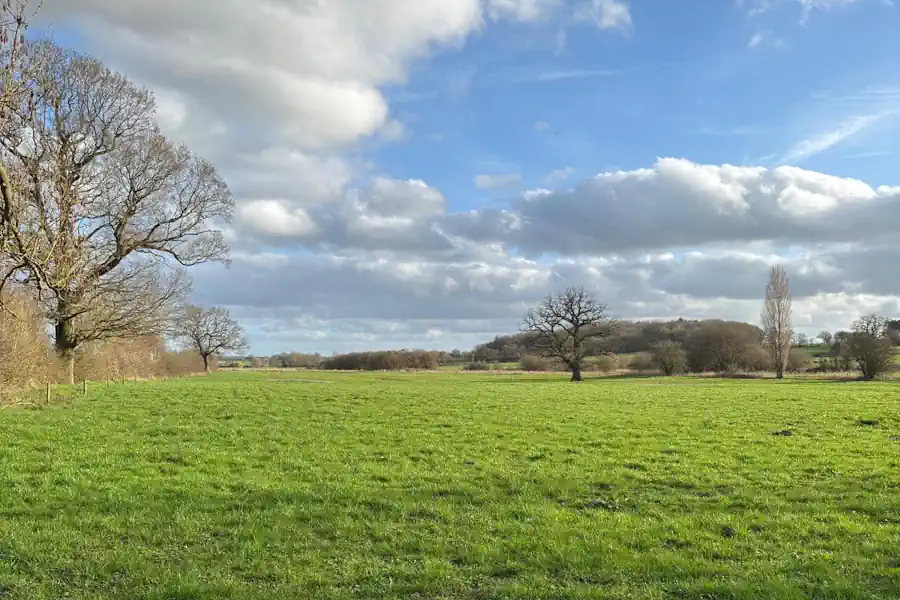
The district spans several National Character Areas, including Devon Redlands and The Blackdowns. The landscape features ancient woodland, species-rich hedgerows, lowland heathland, floodplain meadows, and coastal cliffs and grassland. Several Sites of Special Scientific Interest (SSSIs), Special Areas of Conservation (SACs), and Special Protection Areas (SPAs) fall within East Devon’s boundaries.
Delivering BNG in East Devon requires early ecological assessment and consideration of designated landscapes, especially where development is close to sensitive coastal, heathland, or riverine ecosystems.
We offer full BNG support across East Devon, including metric assessments, ecological baselining, habitat design, and access to regional biodiversity offsetting solutions.
Habitats in East Devon LPA Local Planning Authority
.avif)
East Devon supports a wide range of high-value habitats, many of which are nationally recognised under the BNG framework and UK Biodiversity Action Plan.
Coastal and Cliff Habitats
Maritime Grassland and Coastal Slopes: Found along the Jurassic Coast, supporting unique plant communities and nesting birds.
Rocky Shores and Intertidal Areas: Important for marine invertebrates and seabirds.
Lowland Calcareous and Acid Grassland: Occur on south-facing slopes and cliff tops.
Heathland and Grassland Habitats
Lowland Heathland: Extensive areas on sites like Woodbury Common; key habitat for reptiles, invertebrates, and ground-nesting birds.
Neutral Grasslands and Meadows: Found in valley bottoms and floodplains; support pollinators and traditional hay meadow species.
Modified Grassland: Widespread in farmland and public open space, offering enhancement potential.
Woodland and Scrub Habitats
Lowland Mixed Deciduous Woodland: Common in valleys and on steeper slopes, supporting diverse bird and bat populations.
Ancient Woodland: Present in patches; irreplaceable and high-distinctiveness habitats.
Scrub and Hedgerow Mosaic: Characteristic of East Devon's traditional farmed landscape.
Wetland and Watercourse Habitats
Rivers and Streams: Including the Rivers Otter, Axe, and Sid; vital ecological corridors supporting fish, otters, and aquatic invertebrates.
Ponds and Ditches: Support amphibians and are particularly valuable when networked across farmland.
Wet Woodland and Reedbeds: Occur in riparian areas and along valley bottoms.
Cropland and Farmland Habitats
Arable Fields: Extensive across inland East Devon; offer BNG opportunities via margins, wild bird mixes, and beetle banks.
Temporary Grasslands and Fallow Land: Can be managed for seasonal biodiversity benefit.
Hedgerows and Linear Features
Species-Rich Hedgerows: A defining feature of the Devon landscape; crucial for bats, birds, and invertebrates.
Banks and Lanes (Devon Banks): Serve as important wildlife corridors and refuges for wildflowers.
East Devon LPA BNG Planning
High distinctiveness habitats—such as heathland, ancient woodland, coastal grassland, and floodplain meadow—are vital to East Devon’s natural character and require strong protection under the BNG metric.
Lower and medium distinctiveness habitats, including modified grassland, arable land, and hedgerows, present key opportunities for on-site enhancement and strategic BNG delivery. Hedgerow planting, wildflower creation, and SuDS features are commonly integrated into development schemes.

Exmouth
Honiton
Sidmouth
Get notified of a scheme
We do not currently have any schemes covering this LPA.
Get notified when a scheme is available in this area.
Discover Schemes in
East Devon LPA
LPA
Restoring ecosystems and creating sustainable habitats
through BNG and nutrient mitigation.
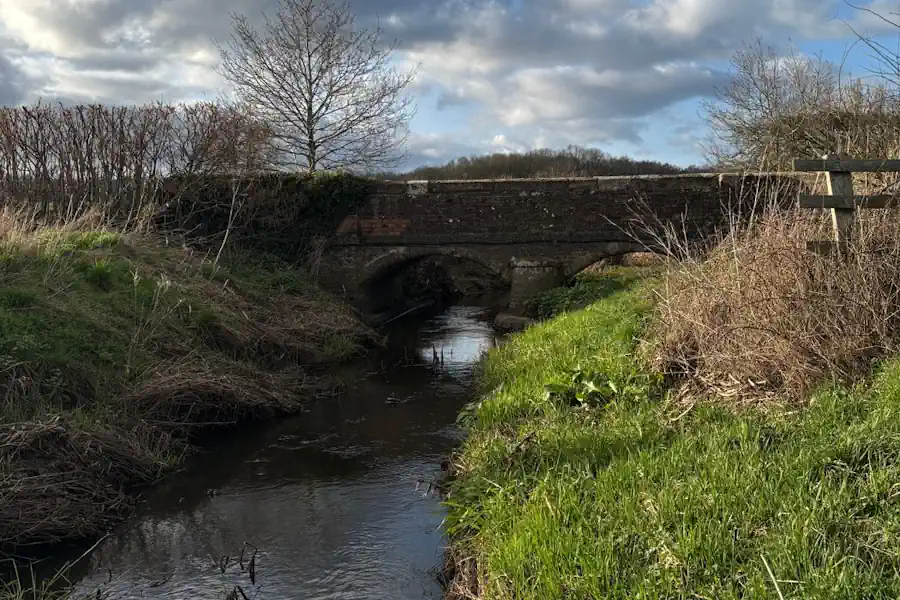
Shavington Estate
Shavington Estate
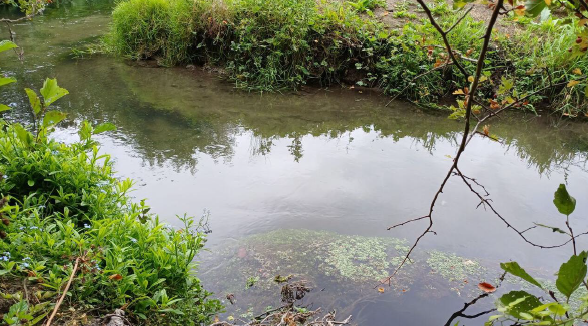
Hurst Farm
Hurst Farm
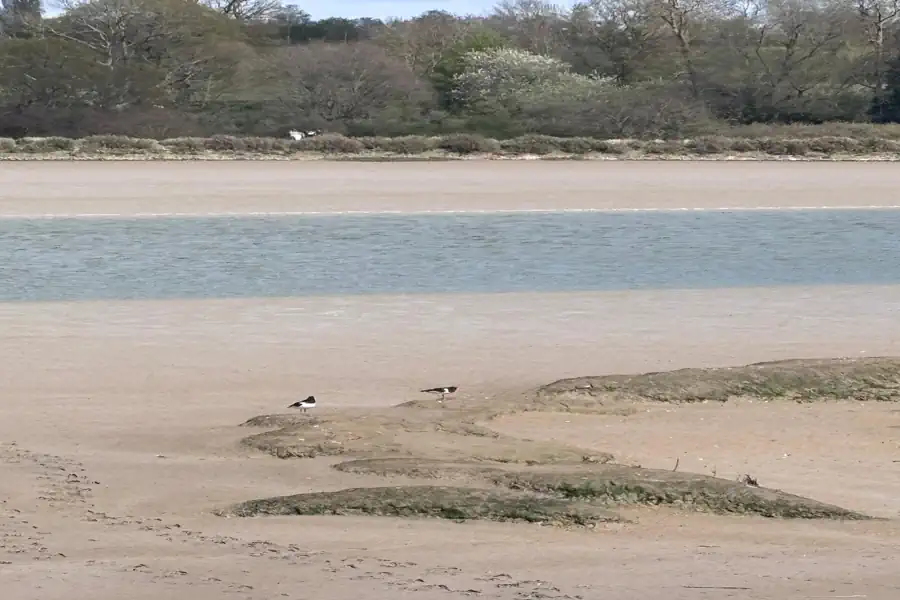
Essex BNG at Priors Farm
Essex BNG at Priors Farm

Somerset BNG Scheme
Trinity Farm & Eastcombe Fields
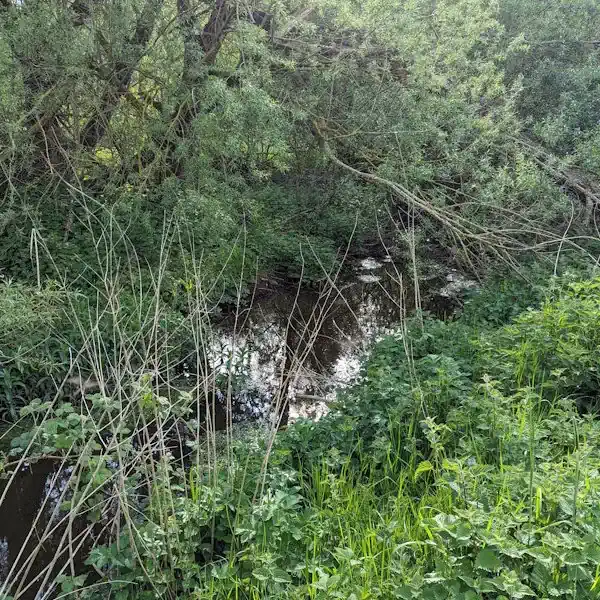
Tees Nutrient Mitigation
Tees Nutrient Mitigation Scheme
.jpg)
Wiltshire BNG at Lydeway
Land at Lydeway
.jpg)
Herefordshire BNG at Hampton Wafre
Hampton Wafre Farm
Are you looking to start a BNG scheme?
Talk to Greenshank and explore the opportunities we offer through your land.
Latest News
A step-by-step guide for landowners looking to sell their land as BNG units, and how Greenshank can help at every stage of the process.
.webp)
Find out how biodiversity net gain legislation works under the Environment Act 2021, what it requires, and which developments are exempt.
Find out how nutrient mitigation schemes work for landowners, how nutrient credits are generated, and how to combine nutrient and BNG income.