
Swindon LPA BNG
Biodiversity Net Gain in Swindon, between the North Wessex Downs and the Cotswolds. Expert BNG support and access to local BNG units.
.avif)
Trusted by Developers and Landowners







Biodiversity Net Gain in Swindon Local Planning Authority
Swindon is a unitary borough of about 244,000 people between two protected landscapes: the North Wessex Downs National Landscape covers the south-east of the borough, and the Cotswolds National Landscape lies to the north. The River Ray forms much of the western boundary and the River Cole and its tributaries run north-east from the town. Coate Water is a Site of Special Scientific Interest, the Wilts and Berks Canal is being restored, and the Swindon Forest Meadows project has restored about 170 hectares of grassland at 12 sites, mostly along the River Ray. The Great Western Community Forest has planted about 447,000 trees across roughly 586 hectares since 2020.
Biodiversity Net Gain became a legal requirement for major developments in England on 12 February 2024, and for small sites on 2 April 2024. Swindon Borough Council’s planning pages state that it is mandatory for applicable applications to deliver a minimum of 10% net gain. The adopted Swindon Local Plan 2026 dates from 26 March 2015, and a new Local Plan for 2023 to 2043 is at the Regulation 19 publication stage. The council has not published a local figure above 10% or a BNG Supplementary Planning Document, so developers here work to national policy and the statutory metric. The Wiltshire and Swindon Local Nature Recovery Strategy was adopted by Wiltshire Council on 21 October 2025, with Swindon as a supporting authority.
Off-site delivery for Swindon schemes follows the Wiltshire and Swindon LNRS, which maps ecological networks and habitat restoration priorities across both council areas. The council’s own draft biodiversity report names two local pressures: recreation at the North Meadow and Clattinger Farm SAC, which has its own recreation mitigation strategy, and the need to create wildlife-rich habitat outside protected sites, where it sets a target of 2,632 hectares by 2030.
Habitats in Swindon Local Planning Authority
.avif)
Swindon’s habitats are a mix of downland on the southern edge, river meadows along the Ray and a town surrounded by newly planted woodland.
- Chalk Grassland and Downland: the south-east of the borough lies in the North Wessex Downs National Landscape.
- Farmland Habitat: arable and pasture on the fringe, where lapwing, curlew and farmland birds are named priority species in the Wiltshire and Swindon LNRS.
- Lakes and Open Water: Coate Water SSSI, noted for a wide range of birdlife and aquatic species.
- Meadows and Wet Grassland: floodplain grassland along the River Ray, where the Swindon Forest Meadows project has restored about 170 hectares.
- Rivers, Streams and Canal: the River Ray and River Cole corridors and the Wilts and Berks Canal, which is being restored.
- Woodland and Community Forest: new planting in the Great Western Community Forest, about 447,000 trees on roughly 586 hectares since 2020.
Swindon LPA BNG Planning
High distinctiveness habitats such as chalk grassland and ancient woodland are key to delivering substantial biodiversity uplift but require careful protection and management.
Lower distinctiveness habitats like improved grassland and arable land can be enhanced through planting, restoration, and habitat creation to meet BNG requirements.

Swindon
Get notified of a scheme
We do not currently have any schemes covering this LPA.
Get notified when a scheme is available in this area.
Discover Schemes in
Swindon LPA
LPA
Restoring ecosystems and creating sustainable habitats
through BNG and nutrient mitigation.
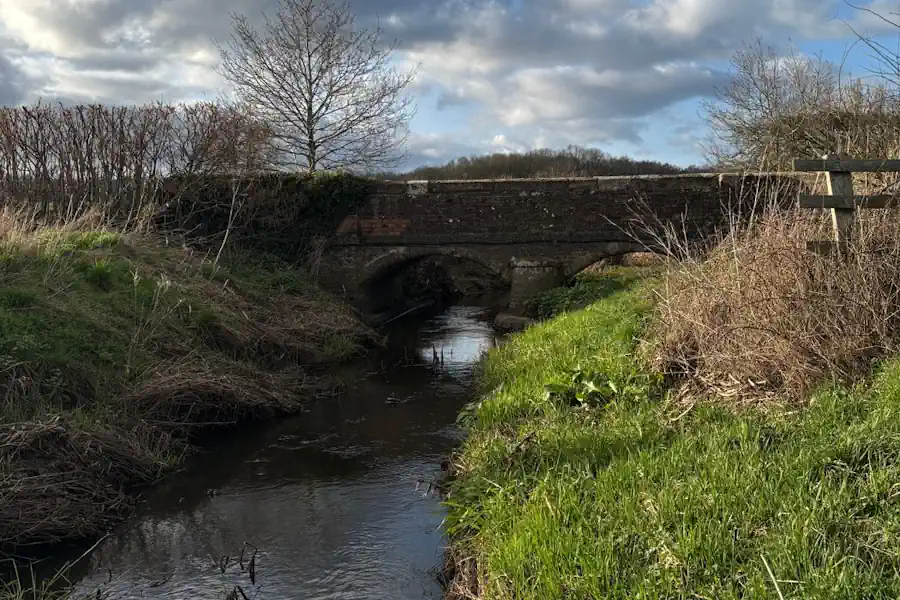
Shavington Estate
Shavington Estate
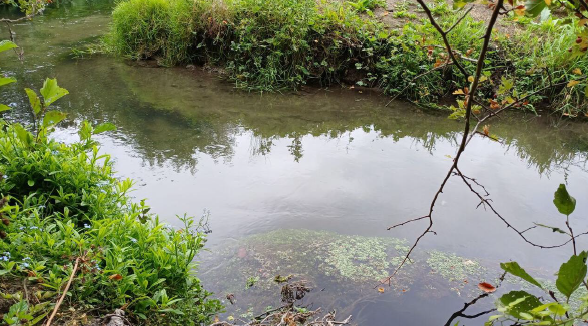
Hurst Farm
Hurst Farm
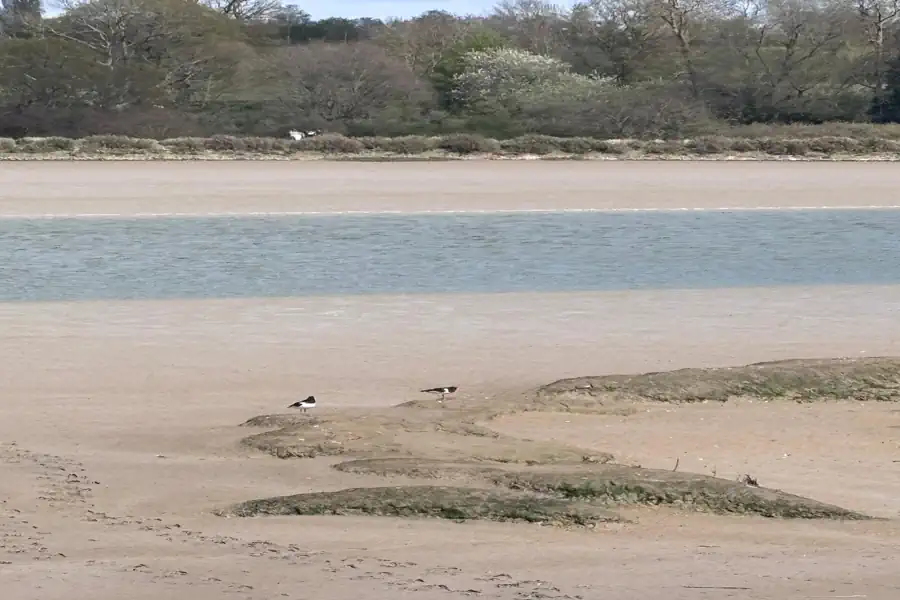
Essex BNG at Priors Farm
Essex BNG at Priors Farm

Somerset BNG Scheme
Trinity Farm & Eastcombe Fields
Tees Nutrient Mitigation
Tees Nutrient Mitigation Scheme
.jpg)
Wiltshire BNG at Lydeway
Land at Lydeway
.jpg)
Herefordshire BNG at Hampton Wafre
Hampton Wafre Farm
Are you looking to start a BNG scheme?
Talk to Greenshank and explore the opportunities we offer through your land.
Latest News
A step-by-step guide for landowners looking to sell their land as BNG units, and how Greenshank can help at every stage of the process.
.webp)
Find out how biodiversity net gain legislation works under the Environment Act 2021, what it requires, and which developments are exempt.
Find out how nutrient mitigation schemes work for landowners, how nutrient credits are generated, and how to combine nutrient and BNG income.