
South Gloucestershire LPA BNG
Biodiversity Net Gain in South Gloucestershire, from the Severn Estuary to the Cotswold edge. Expert BNG support and access to local BNG units.
.avif)
Trusted by Developers and Landowners







Biodiversity Net Gain in South Gloucestershire Local Planning Authority
South Gloucestershire runs from the tidal Severn on its north-western edge, across a coastal plain and the River Frome valley, to the Cotswold escarpment on its eastern side, with the western half mainly urbanised around the northern edge of Bristol. The Frome rises in Dodington Park near Chipping Sodbury and runs through Yate, Frampton Cotterell and Winterbourne. Lower Woods near Wickwar, a 280-hectare SSSI managed by the Gloucestershire Wildlife Trust, is the most extensive area of ancient woodland in the former county of Avon, and Dyrham Park on the Cotswold edge is a National Trust deer park. According to the council’s 2022 draft biodiversity SPD, the district has 22 SSSIs, 271 Sites of Nature Conservation Interest, 11 local nature reserves and one European site, the Severn Estuary.
Biodiversity Net Gain became a legal requirement for major developments in England on 12 February 2024, and for small sites on 2 April 2024. The council consulted in July 2022 on a draft Biodiversity and Planning SPD, which encouraged a minimum 10% gain and set out a sequence for sites that cannot deliver on site: commuted sums paid to the council, third-party habitat brokers, offset land bought by the applicant, and statutory credits as a last resort. The council’s new Local Plan was submitted to the Secretary of State on 27 October 2025 and is still under examination, with adoption expected in 2027 or 2028.
The practical constraint is room. The western half of the district is mainly urbanised and Green Belt protections apply around it, so urban-fringe schemes have less space for on-site habitat and the council’s off-site sequence matters. The draft SPD lists the habitats that count locally, including traditional orchards, hay meadows, wood pasture and parkland, and the saltmarsh and intertidal flats of the Severn Estuary. South Gloucestershire does not appear in Natural England’s nutrient neutrality catchment tables.
Habitats in South Gloucestershire Local Planning Authority
.avif)
South Gloucestershire’s habitats run from estuary mud and saltmarsh to the Cotswold edge.
- Ancient Woodland: Lower Woods near Wickwar, 23 woods and coppices and the district’s most important site for nightingales, dormice and lesser horseshoe bats.
- Hay Meadows and Hedgerows: scattered hay meadows and species-rich hedgerows, including the St Catherine’s Valley near Marshfield, a complex of SSSIs and Sites of Nature Conservation Interest.
- Intertidal Mud, Sand and Saltmarsh: the Severn Estuary, designated for overwintering wildfowl and waders, with Atlantic saltmarsh meadow and intertidal flats.
- Rivers, Ponds and Rhines: the River Frome from Dodington Park through Yate and Winterbourne, and the rhines of the Severn side.
- Traditional Orchards: listed by the council’s draft SPD among the district’s priority habitats.
- Wood Pasture and Parkland: Dyrham Park, 274 acres of ancient parkland on the Cotswold escarpment with veteran trees and a deer herd.
South Gloucestershire LPA BNG Planning
High distinctiveness habitats such as lowland meadows, calcareous grasslands, and ancient woodlands are crucial for meaningful BNG and require careful protection and management.
Lower distinctiveness habitats like improved grassland and arable fields can contribute to BNG through targeted enhancements such as hedgerow restoration and wetland creation.

Kingswood
Bradley Stoke
Yate
Thornbury
Filton
Get notified of a scheme
We do not currently have any schemes covering this LPA.
Get notified when a scheme is available in this area.
Discover Schemes in
South Gloucestershire LPA
LPA
Restoring ecosystems and creating sustainable habitats
through BNG and nutrient mitigation.
Shavington Estate
Shavington Estate
Hurst Farm
Hurst Farm
Essex BNG at Priors Farm
Essex BNG at Priors Farm
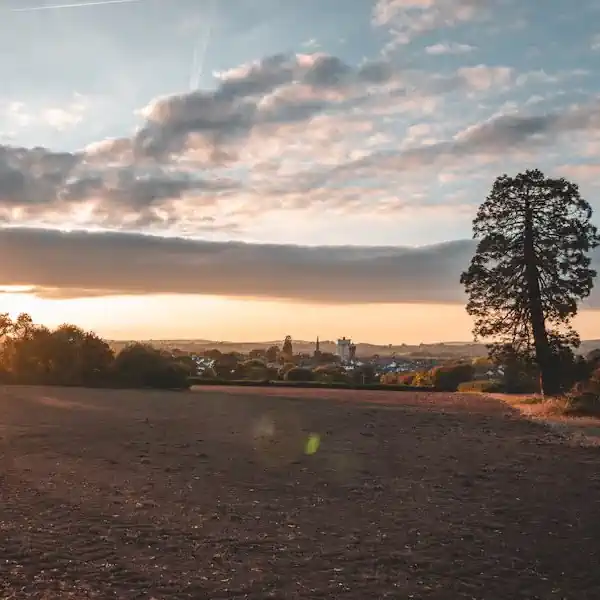
Somerset BNG Scheme
Trinity Farm & Eastcombe Fields
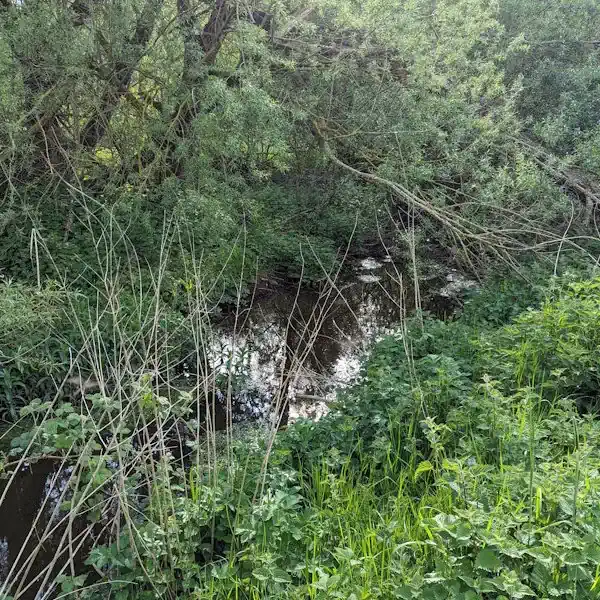
Tees Nutrient Mitigation
Tees Nutrient Mitigation Scheme
.jpg)
Wiltshire BNG at Lydeway
Land at Lydeway
.jpg)
Herefordshire BNG at Hampton Wafre
Hampton Wafre Farm
Are you looking to start a BNG scheme?
Talk to Greenshank and explore the opportunities we offer through your land.
Latest News
A step-by-step guide for landowners looking to sell their land as BNG units, and how Greenshank can help at every stage of the process.
.webp)
Find out how biodiversity net gain legislation works under the Environment Act 2021, what it requires, and which developments are exempt.
Find out how nutrient mitigation schemes work for landowners, how nutrient credits are generated, and how to combine nutrient and BNG income.