
City of Bristol LPA BNG
Biodiversity Net Gain in Bristol, where space is tight and off-site units carry the load. Expert BNG support and access to local BNG units.
.avif)
Trusted by Developers and Landowners







Biodiversity Net Gain in City of Bristol Local Planning Authority
Bristol packs a working harbour, a hidden river and some of the West of England’s best-known nature reserves into just 110 square kilometres. The River Frome runs in the open at Snuff Mills and through Eastville Park, then disappears into Victorian culverts for most of its route through the city centre, resurfacing briefly near St Jude’s before rejoining the Avon. Blaise Castle Estate and the Bristol side of the Avon Gorge sit at either end of an otherwise densely built city, forming two of its largest habitat networks.
Biodiversity Net Gain became a legal requirement for major developments in England on 12 February 2024, and for small sites on 2 April 2024. Bristol City Council has not adopted a BNG Supplementary Planning Document, so developers here work to national policy and the statutory biodiversity metric, with the 10% minimum as the benchmark.
Space is the defining constraint. With little room for on-site habitat creation in the city centre, off-site biodiversity units and habitat banks across the wider West of England carry most of the load for Bristol developments.
Habitats in City of Bristol Local Planning Authority
.avif)
Bristol’s habitats are fragments of a much larger landscape, held together by the Avon, the Frome and the city’s parks.
- Ancient and Semi-Natural Woodland: concentrated around Blaise Castle Estate and the Avon Gorge.
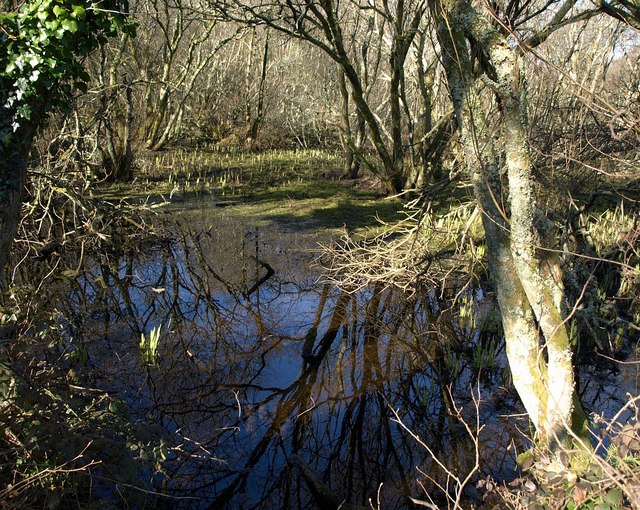
- Ponds and Reedbeds: small water bodies in parks, allotments and the floodplain.
- River Valley Meadows: along the Frome and Avon corridors.
- Rivers and Streams (Avon and Frome): the city’s main wildlife corridors, partly culverted in the centre.
- Species-Rich Hedgerows: on the city fringe, linking farmland to the urban edge.
- Street Trees and Urban Woodland Patches: small but numerous, and often the only on-site habitat available.
- Urban and Park Grassland: large areas of amenity grass with scope for enhancement.
Bristol
Get notified of a scheme
We do not currently have any schemes covering this LPA.
Get notified when a scheme is available in this area.
Are you looking to start a BNG scheme?
Talk to Greenshank and explore the opportunities we offer through your land.
Latest News

How deforestation affects UK and global biodiversity - from habitat loss and species extinction to disrupted ecosystems - and how BNG can help.
Don't put your project at risk of delays. Ensure every box is ticked with our handy developer's checklist for BNG council submissions.
Comparing and contrasting Section 106 agreements and conservation covenants for developers looking for BNG units.