
New Forest National Park LPA BNG
Biodiversity Net Gain in the New Forest National Park, its own planning authority. Expert BNG support and access to local BNG units.
.avif)
Trusted by Developers and Landowners







Biodiversity Net Gain in New Forest National Park Local Planning Authority
The New Forest National Park covers about 566 square kilometres of south-west Hampshire and south-east Wiltshire, and its Local Plan says 56% of it is designated of international value for nature conservation. The habitats include lowland heathland, valley mires, ancient and ornamental woodland and coastal marshes, and the Park carries Special Protection Area, Special Area of Conservation and Ramsar designations. Lyndhurst, Brockenhurst, Ashurst and Sway are its four defined villages. Lymington is not in the Park, although the Lymington and Pennington Marshes, Pennington Common and Buckland Rings, about 7 square kilometres of Lymington and Pennington parish, are.
Biodiversity Net Gain became a legal requirement for major developments in England on 12 February 2024, and for small sites on 2 April 2024. The National Park Authority is a planning authority in its own right for the whole Park, covering development management, enforcement, minerals and waste, and planning policy, so applications there are not decided by New Forest District Council or Test Valley Borough Council. Its adopted Local Plan 2016-2036 (August 2019) requires net gain through policy SP6, and the Authority applies the 10% statutory minimum without writing BNG guidance of its own. A Local Plan review is under way, with a draft biodiversity net gain policy (SP13) in the July 2026 proposed submission draft.
Off-site delivery is still being worked out. The Authority has been reviewing options for off-site units within and near the Park with landowners, and its stated position is that on-site gains come first, with off-site habitat a last resort. Nutrient neutrality also applies: the east and south of the Park, including its defined villages, drain to the Solent, while the west, including Burley and the western escarpment villages, is in the Hampshire Avon catchment, where phosphate neutrality has applied since Natural England’s March 2022 advice.
Habitats in New Forest National Park Local Planning Authority
.avif)
The Park’s habitats are among the most protected in Europe, and much of its character comes from commoners’ grazing.
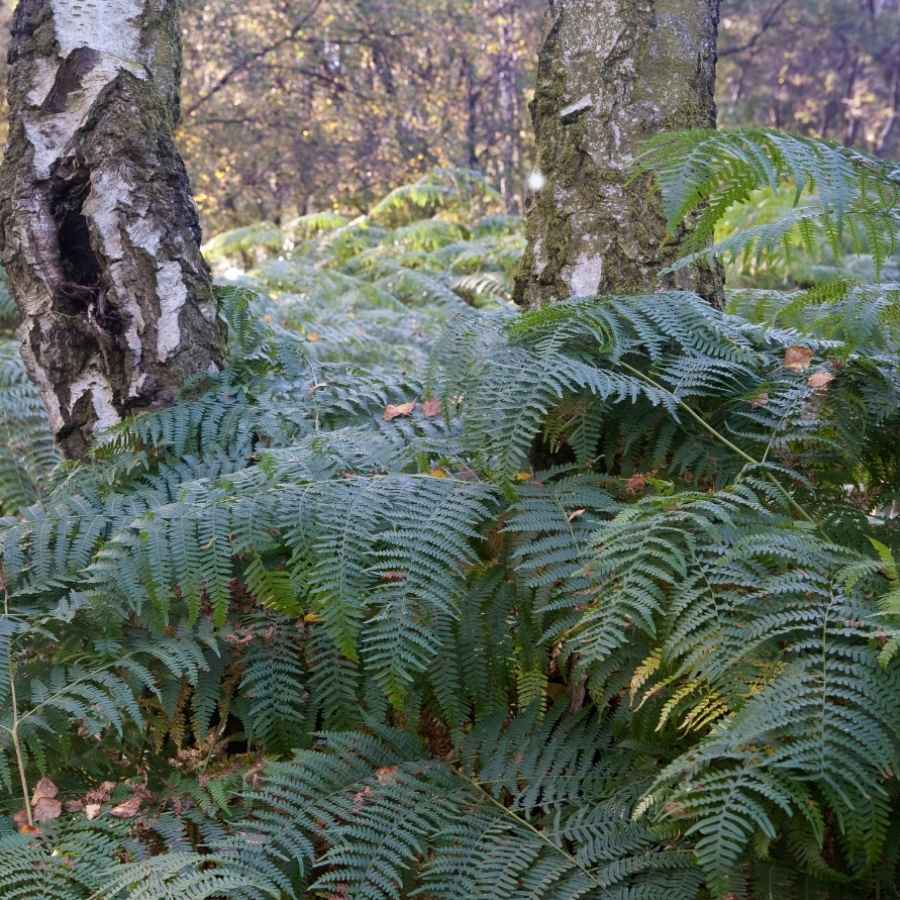
- Ancient and Ornamental Woodland: named in policy SP6, with about 146 square kilometres of broadleaved woodland across the Park.
- Coastal Marsh: the Lymington and Pennington Marshes, Pennington Common and Buckland Rings lie inside the Park.
- Commons and Lawns: open lawns, commons and larger areas of semi-natural woodland in the southern part of the Park.
- Forest Inclosures and Plantations: about 84 square kilometres of tree plantations, in clearly defined blocks, particularly north of the A31.
- Lowland Heathland: named in policy SP6, with about 118 square kilometres of heathland and grassland in the Park.
- Valley Mires: named in policy SP6, in steeply eroded valleys cutting the heaths.
- Wet Heath: about 33 square kilometres, part of the Forest’s SSSI, SAC, SPA and Ramsar designations.
New Forest National Park LPA BNG Planning
High distinctiveness habitats such as lowland heath and wet woodland require strong protection and restoration-based BNG approaches.
Lower distinctiveness habitats like improved grassland and hedgerows offer flexible opportunities for on-site habitat creation and connectivity improvements.

Lyndhurst
Brockenhurst
Ashurst
Sway
Get notified of a scheme
We do not currently have any schemes covering this LPA.
Get notified when a scheme is available in this area.
Discover Schemes in
New Forest National Park LPA
LPA
Restoring ecosystems and creating sustainable habitats
through BNG and nutrient mitigation.
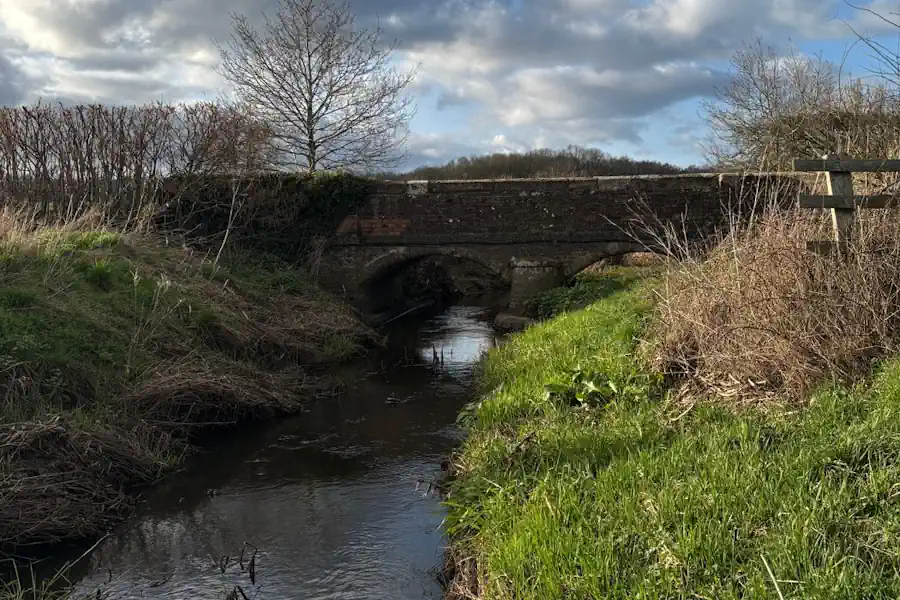
Shavington Estate
Shavington Estate
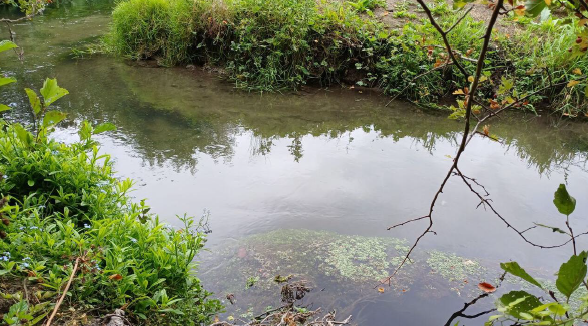
Hurst Farm
Hurst Farm
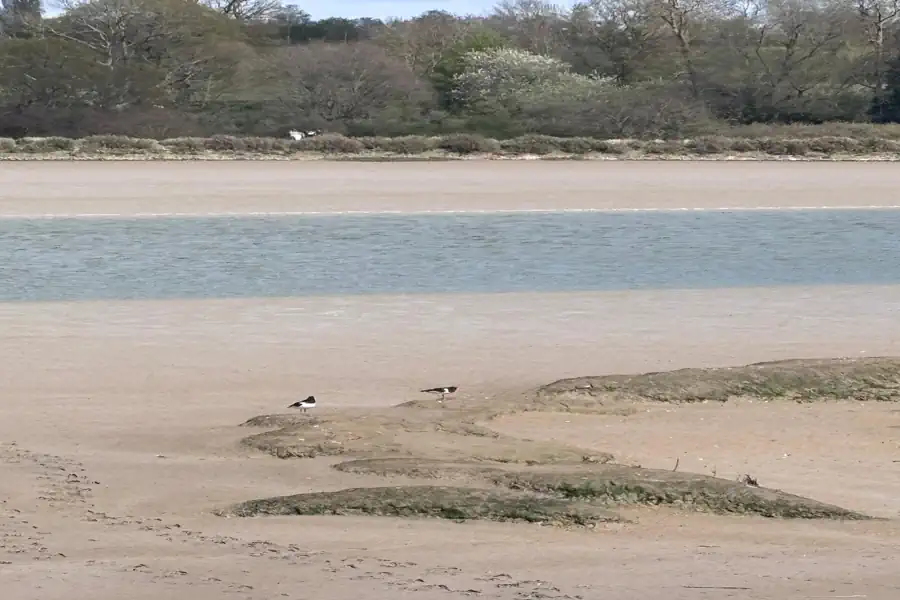
Essex BNG at Priors Farm
Essex BNG at Priors Farm

Somerset BNG Scheme
Trinity Farm & Eastcombe Fields
Tees Nutrient Mitigation
Tees Nutrient Mitigation Scheme
.jpg)
Wiltshire BNG at Lydeway
Land at Lydeway
.jpg)
Herefordshire BNG at Hampton Wafre
Hampton Wafre Farm
Are you looking to start a BNG scheme?
Talk to Greenshank and explore the opportunities we offer through your land.
Latest News
A step-by-step guide for landowners looking to sell their land as BNG units, and how Greenshank can help at every stage of the process.
.webp)
Find out how biodiversity net gain legislation works under the Environment Act 2021, what it requires, and which developments are exempt.
Find out how nutrient mitigation schemes work for landowners, how nutrient credits are generated, and how to combine nutrient and BNG income.