
Southampton LPA BNG
Expert support for Biodiversity Net Gain in Southampton LPA. BNG assessments, habitat mapping & access to local BNG units.

.avif)
Trusted by Developers and Landowners







Biodiversity Net Gain in Southampton LPA Local Planning Authority
Southampton, a major port city on the south coast of England, is a unitary authority combining dense urban areas with significant coastal and estuarine habitats. Covering approximately 72 square kilometres, the city includes residential districts, commercial zones, and large areas of natural and semi-natural habitats along the Solent coastline.
In accordance with the Environment Act 2021, Southampton City Council requires most new developments to achieve a minimum of 10% Biodiversity Net Gain (BNG). This can be delivered through on-site habitat creation or enhancement, off-site biodiversity units, or contributions to wider ecological networks and coastal nature recovery initiatives.
Southampton lies within the South Hampshire Lowlands National Character Area. The city’s ecology is shaped by habitats such as coastal saltmarsh, intertidal mudflats, woodlands, and urban green spaces, which together support diverse wildlife including nationally important bird populations.
The urban coastal setting of Southampton presents both challenges and opportunities for BNG. Restoration of coastal habitats, enhancement of urban greenspaces, and integration of green infrastructure are key to delivering biodiversity uplift.
For developers, landowners, and planning professionals working in Southampton, understanding local habitats, planning policies, and BNG requirements is essential. Our team provides BNG assessments, habitat mapping, and tailored advice to support biodiversity enhancement.
To learn more or receive updates about BNG units and schemes in the area, get in touch with us.
Habitats in Southampton LPA Local Planning Authority
.avif)
Southampton supports a diverse range of habitats recognised under the Biodiversity Net Gain framework.
Grassland and Urban Habitats
Amenity Grassland: Extensive in parks and residential areas, with potential for wildflower enhancement.
Urban Meadows: Emerging in parks and green corridors to support pollinators and urban wildlife.
Coastal and Marine Habitats
Saltmarsh: Found along the Solent coast, providing habitat for specialist plants and feeding grounds for wading birds.
Intertidal Mudflats: Critical for migratory and overwintering birds.
Shingle Beaches and Coastal Grassland: Supporting specialized flora and invertebrates.
Woodland and Shrub Habitats
Ancient and Secondary Woodland: Present in parks and peri-urban areas, important for birds, bats, and invertebrates.
Hedgerows and Scrub: Provide connectivity and shelter within the urban landscape.
Water and Wetland Habitats
Ponds and Wetlands: Located within parks and nature reserves, supporting amphibians and aquatic invertebrates.
Rivers and Streams: The Itchen and Test rivers border the city, providing valuable aquatic corridors.
Southampton LPA BNG Planning
High distinctiveness habitats such as saltmarsh, intertidal mudflats, and ancient woodlands are vital for delivering significant biodiversity gain and require careful management.
Lower distinctiveness urban habitats, including amenity grassland and secondary woodland, offer opportunities for enhancement through planting, invasive species control, and habitat diversification.

Southampton
Get notified of a scheme
We do not currently have any schemes covering this LPA.
Get notified when a scheme is available in this area.
Discover Schemes in
Southampton LPA
LPA
Restoring ecosystems and creating sustainable habitats
through BNG and nutrient mitigation.
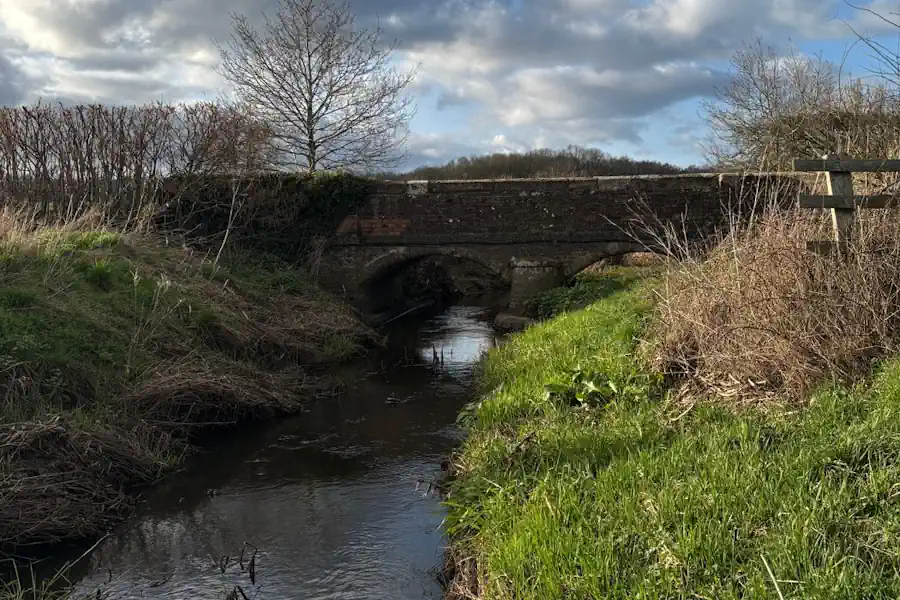
Shavington Estate
Shavington Estate
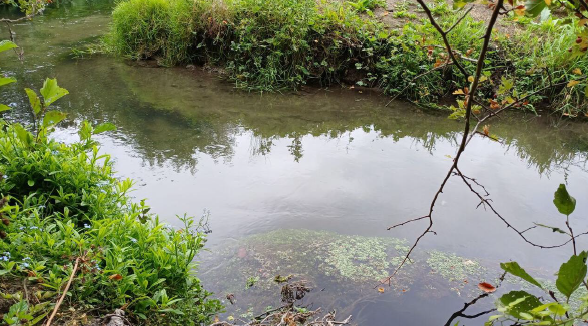
Hurst Farm
Hurst Farm
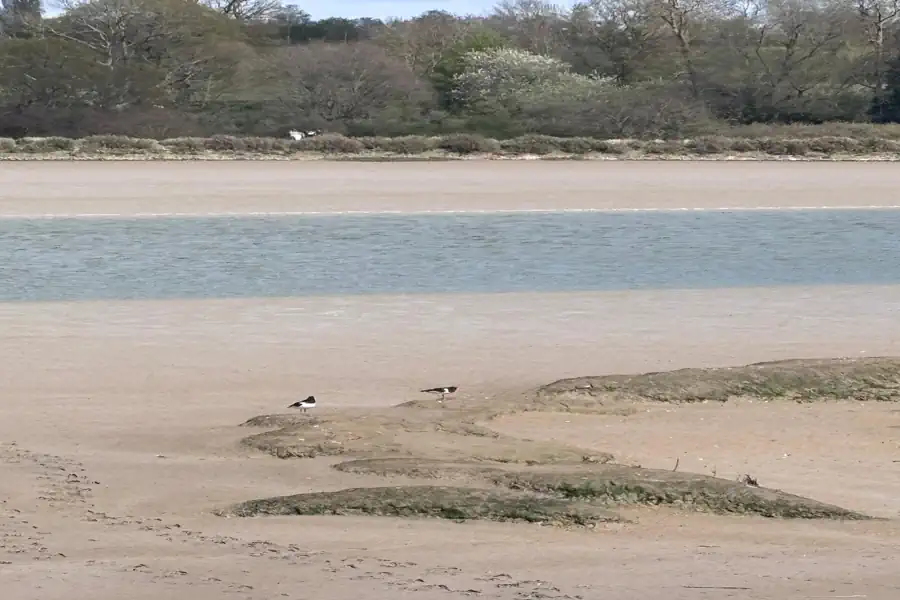
Essex BNG at Priors Farm
Essex BNG at Priors Farm

Somerset BNG Scheme
Trinity Farm & Eastcombe Fields
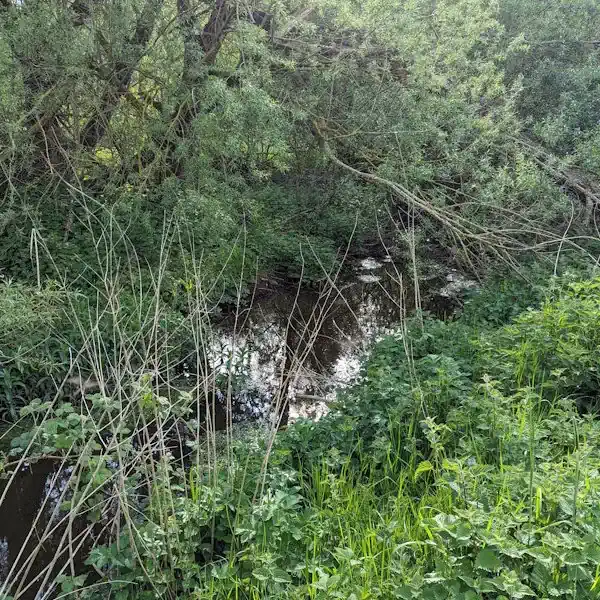
Tees Nutrient Mitigation
Tees Nutrient Mitigation Scheme
.jpg)
Wiltshire BNG at Lydeway
Land at Lydeway
.jpg)
Herefordshire BNG at Hampton Wafre
Hampton Wafre Farm
Are you looking to start a BNG scheme?
Talk to Greenshank and explore the opportunities we offer through your land.
Latest News
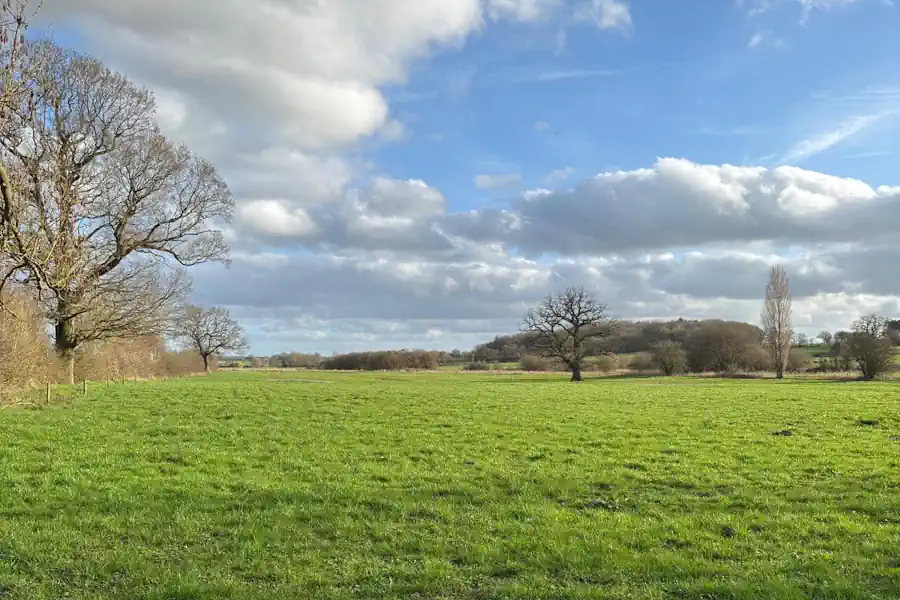
A step-by-step guide for landowners looking to sell their land as BNG units, and how Greenshank can help at every stage of the process.
.webp)
Find out how biodiversity net gain legislation works under the Environment Act 2021, what it requires, and which developments are exempt.
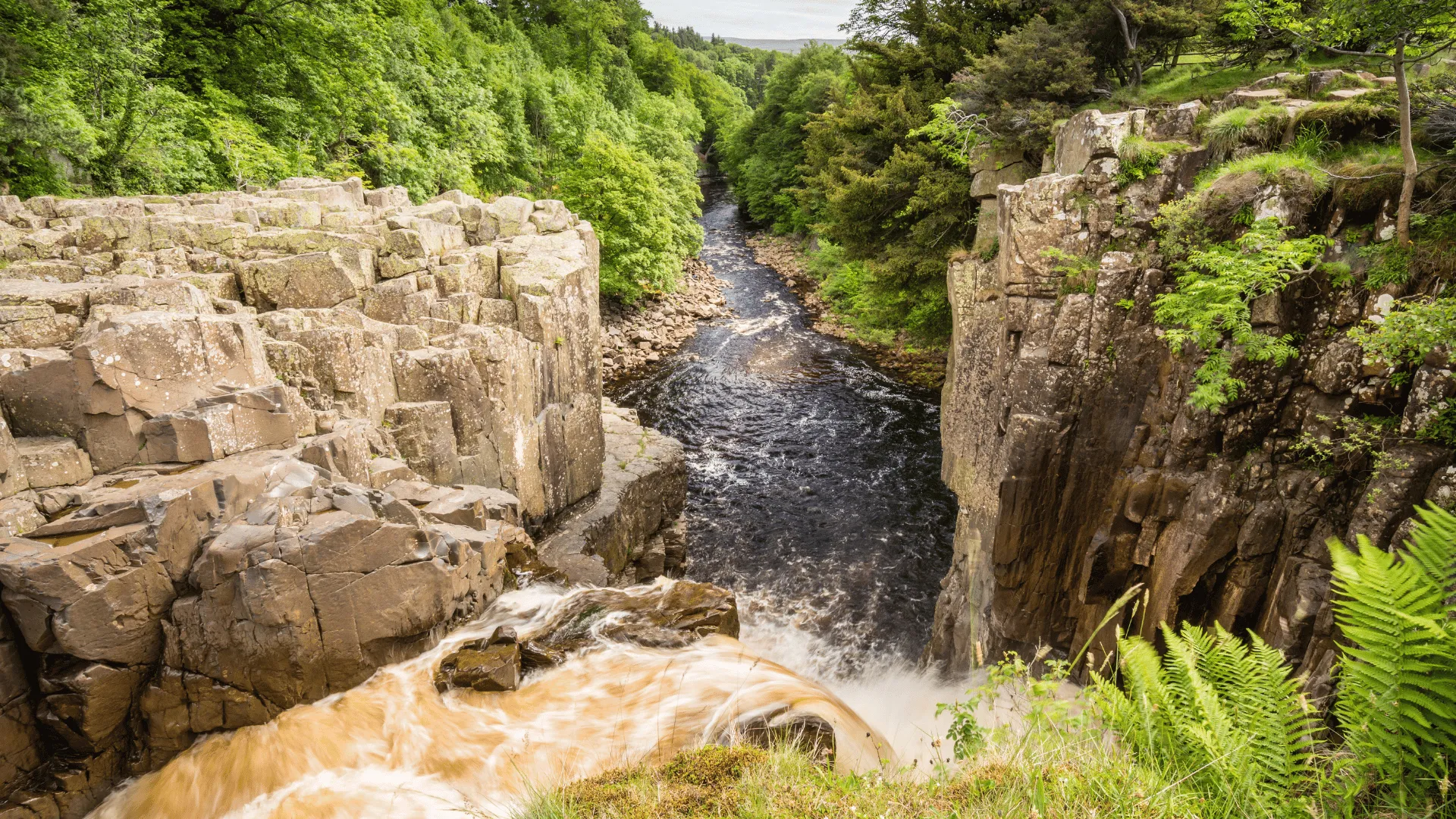
Find out how nutrient mitigation schemes work for landowners, how nutrient credits are generated, and how to combine nutrient and BNG income.