
Eastleigh LPA BNG
Biodiversity Net Gain in Eastleigh, from the River Itchen to the Upper Hamble woods. Expert BNG support and access to local BNG units.

Trusted by Developers and Landowners


Biodiversity Net Gain in Eastleigh Local Planning Authority
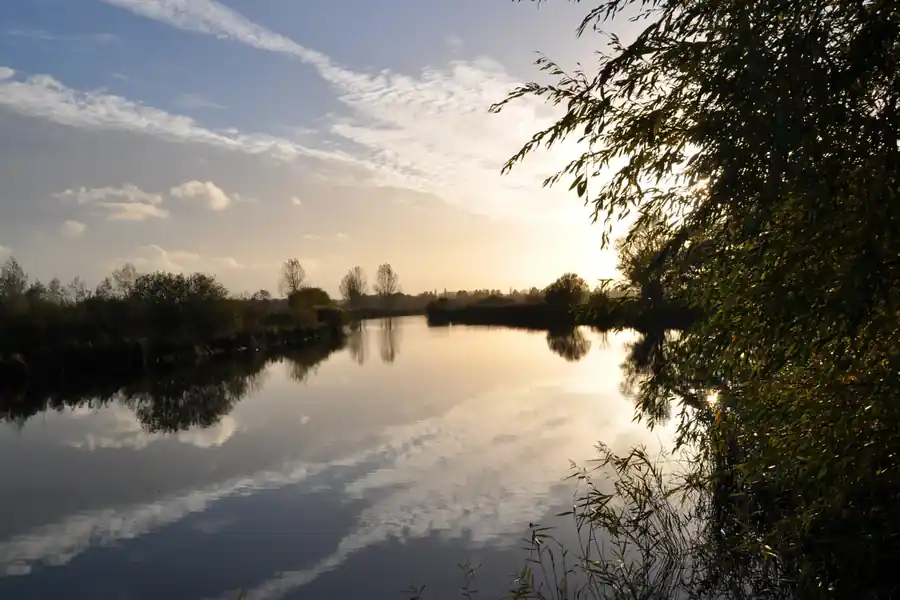
Eastleigh is a compact borough of chalk river, estuary and ancient woodland between Southampton and Winchester. The River Itchen is a Special Area of Conservation and Site of Special Scientific Interest, and the borough also holds parts of the Solent Maritime Special Area of Conservation and the Solent and Southampton Water Special Protection Area and Ramsar site. Five Sites of Special Scientific Interest cover 427 hectares, among them Moorgreen Meadows and the Upper Hamble Estuary and Woods, which shelters Bechstein’s and barbastelle bats. Seven Local Nature Reserves include Netley Common, Hackett’s Marsh, Mercury Marshes and Wildern.
Biodiversity Net Gain became a legal requirement for major developments in England on 12 February 2024, and for small sites on 2 April 2024. Eastleigh’s Local Plan 2016 to 2036, adopted in April 2022, includes Policy DM11, which asks for no net loss and some net gain even where the 10% requirement does not apply. The council’s Biodiversity Planning Guidance Note (August 2026) puts on-site gain first for schemes of 0.5 hectares or more or 10 or more homes, and tells smaller schemes to approach at least three off-site unit providers before considering statutory credits. A Local Plan Review to 2044 is at an early stage.
Natural England’s nutrient advice for the Solent covers nitrogen, and for the Itchen it covers nitrogen and phosphorus. Eastleigh contains parts of both protected sites, so a scheme here can face nutrient neutrality and Biodiversity Net Gain together. The Hampshire Local Nature Recovery Strategy, published in December 2025, sets strategic significance for off-site units.
Habitats in Eastleigh Local Planning Authority
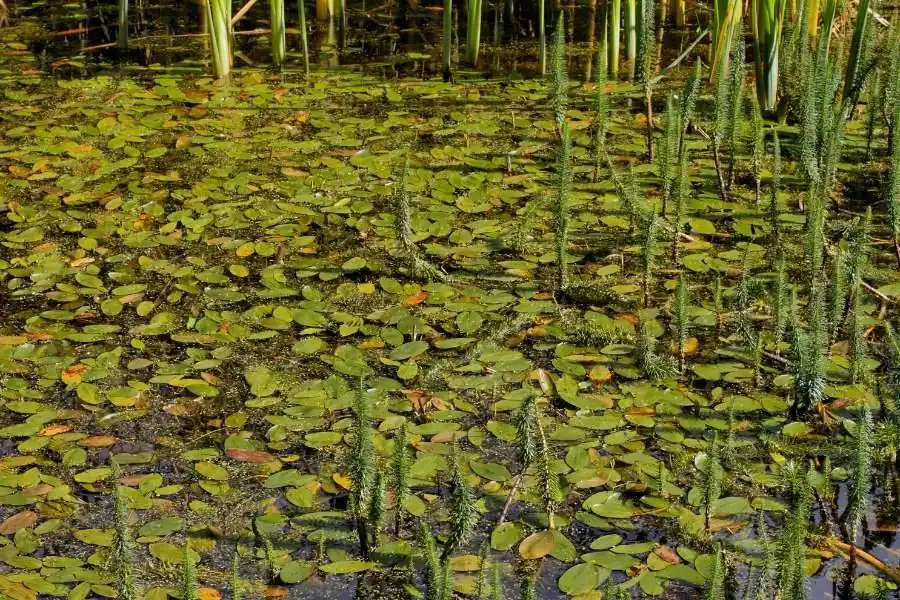
Eastleigh’s habitats run from chalk river and meadow to Solent saltmarsh, with a large share inside designated sites.
- Coastal Saltmarsh: saltmarsh and reedswamp line the Upper Hamble Estuary, and the Solent and Southampton Water sites support glasswort and Brent geese.
- Intertidal Mudflats: a narrow mudflat zone on the Upper Hamble feeds wading birds with worms, crustaceans and molluscs.
- Lowland Heathland: adder, common lizard, grass snake and slow worm are recorded around Netley Common and Wildern Local Nature Reserves.
- Lowland Meadows: Moorgreen Meadows Site of Special Scientific Interest holds a marsh orchid complex.
- Lowland Mixed Deciduous Woodland: ancient woodland survives at Upper Barn Copse and Crowdhill Copse in Stoke Park, and along the Upper Hamble.
- Rivers and Streams: the Itchen and the Itchen Navigation support water crowfoot, bullhead, brook lamprey and Atlantic salmon.
Eastleigh
Hedge End
Fair Oak
Get notified of a scheme
We do not currently have any schemes covering this LPA.
Get notified when a scheme is available in this area.
Are you looking to start a BNG scheme?
Talk to Greenshank and explore the opportunities we offer through your land.
Latest News
Understand what biodiversity net gain is, how BNG is calculated, and how to buy or sell biodiversity units in England.
A look at natural capital, what it means to developers, and how landowners can generate income from it through projects with Greenshank.

Government's first Environmental Delivery Plan risks costing taxpayers more while delivering less nature