
Broadland LPA BNG
Discover key habitats, BNG requirements, and planning guidance for developers in Broadland LPA Local Planning Authority.

.avif)
Trusted by Developers and Landowners







Biodiversity Net Gain in Broadland LPA Local Planning Authority
Broadland, located in Norfolk in the East of England, is a largely rural district that surrounds the city of Norwich. Covering approximately 550 square kilometres, the district includes market towns such as Aylsham and Acle, and is named after the nationally important Broadland wetlands that extend into its eastern region.
In accordance with the Environment Act 2021, Broadland District Council requires most developments to deliver at least 10% Biodiversity Net Gain (BNG). This can be achieved through on-site habitat creation or enhancement, off-site biodiversity units, or through investment in local habitat banks, with options coordinated through the Greater Norwich Local Plan area.
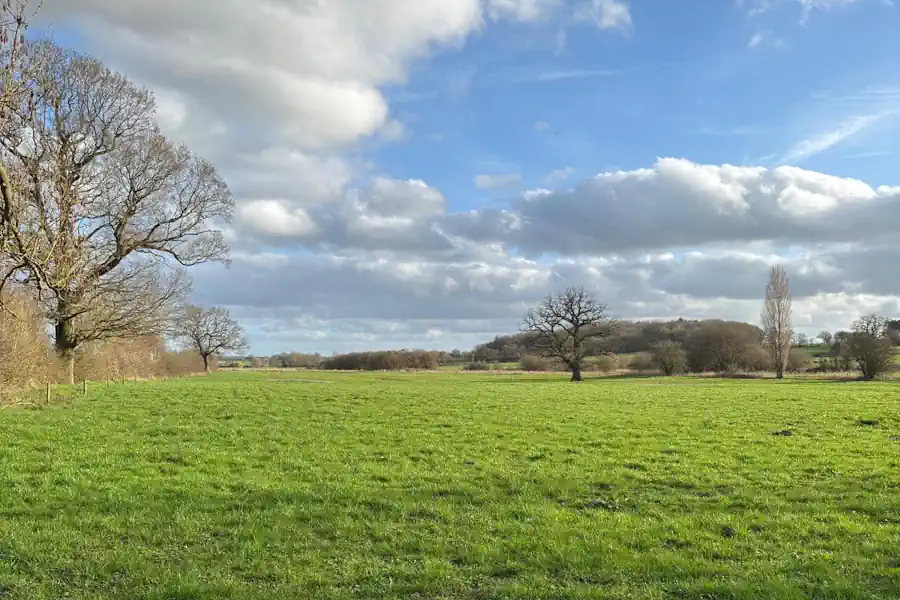
Broadland overlaps with National Character Areas The Broads and Mid Norfolk. These NCAs shape a landscape of grazing marshes, reedbeds, woodlands, and arable fields, alongside rivers and drainage dykes associated with the Broads National Park. The district also includes internationally designated habitats such as Special Areas of Conservation (SACs) and Special Protection Areas (SPAs).
BNG planning in Broadland must consider the ecological sensitivity of wetlands, peat soils, and protected sites, while also capitalising on opportunities for restoring farmland margins and enhancing urban green infrastructure.
We provide full BNG support across Broadland, including ecological baselining, metric calculations, site-specific habitat planning, and access to biodiversity offset providers. Get in touch with our team to explore your project’s potential.
Habitats in Broadland LPA Local Planning Authority
.avif)
Broadland features a unique combination of wetland, farmland, and wooded habitats, many of which are protected or priority habitats under the BNG metric and UK Biodiversity Action Plan.
Wetland and Watercourse Habitats
Grazing Marsh and Fen: Part of the Broads wetland system, supporting breeding waders and specialist plants.
Reedbeds: High-distinctiveness habitat supporting bitterns and invertebrates.
Rivers, Dykes, and Drainage Channels: The Bure, Yare, and Wensum rivers, along with a network of ditches, form key ecological corridors.
Ponds and Wet Woodlands: Occur throughout the rural and peri-urban landscape.
Grassland Habitats
Improved and Modified Grassland: Common on floodplains and around settlements; suitable for enhancement through native seeding and sympathetic management.
Neutral and Fen Meadows: Occur in wetter areas; priority habitats with high biodiversity value.
Woodland and Forest Habitats
Lowland Mixed Deciduous Woodland: Scattered across the district, particularly along river valleys and in parklands.
Wet Woodland: Found in flood-prone riparian zones, supporting fungi, bats, and amphibians.
Cropland and Farmland Habitats
Arable Land: Widespread in Broadland; potential for improvement through buffer strips, conservation headlands, and fallow creation.
Set-Aside and Field Margins: Important for farmland birds and pollinators.
Hedgerows and Linear Features
Species-Rich Hedgerows: Contribute to ecological connectivity in arable landscapes.
Drainage Ditches and Grass Margins: Offer linear wetland features supporting amphibians and invertebrates.
Broadland LPA BNG Planning
High distinctiveness habitats—such as grazing marsh, reedbeds, wet woodland, and fen—are key biodiversity assets that must be protected and strategically enhanced. These habitats typically require off-site BNG solutions when impacted by development.
Lower distinctiveness habitats such as modified grassland, arable land, and species-poor hedgerows offer good potential for cost-effective BNG delivery on-site. Enhancing connectivity between wetland fragments through buffer creation and hedgerow restoration is a key local priority.

Aylsham
Acle
Get notified of a scheme
We do not currently have any schemes covering this LPA.
Get notified when a scheme is available in this area.
Discover Schemes in
Broadland LPA
LPA
Restoring ecosystems and creating sustainable habitats
through BNG and nutrient mitigation.
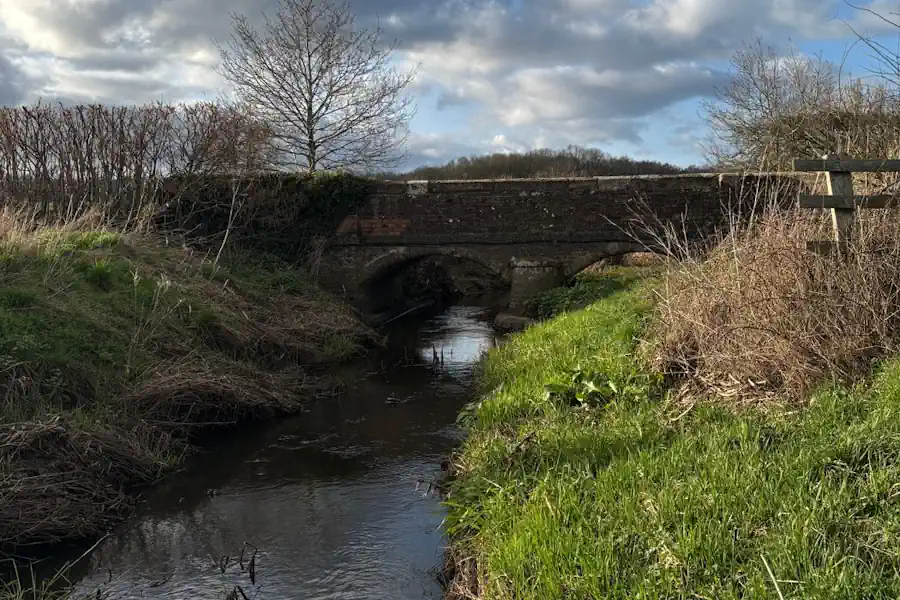
Shavington Estate
Shavington Estate
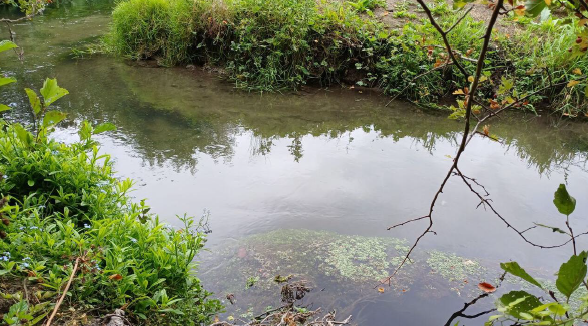
Hurst Farm
Hurst Farm
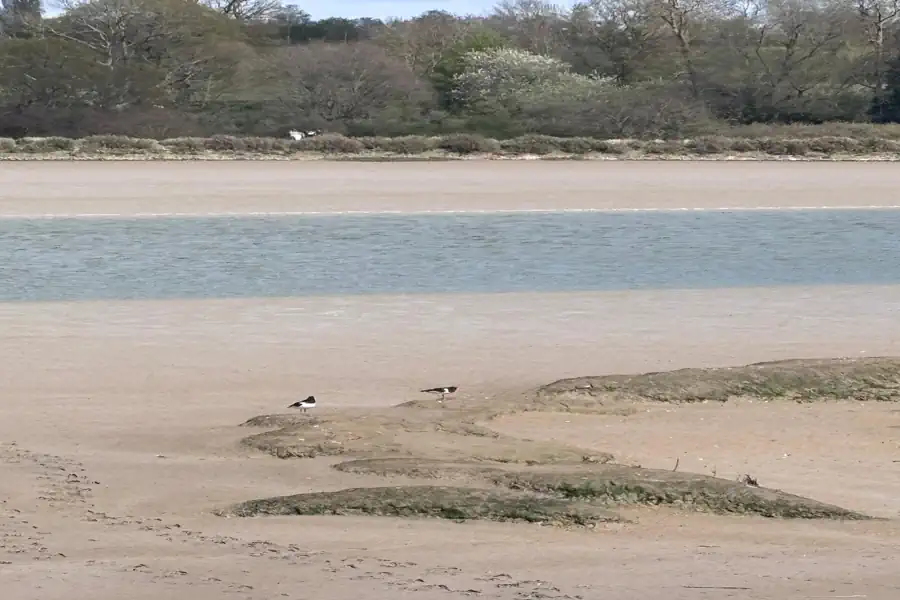
Essex BNG at Priors Farm
Essex BNG at Priors Farm

Somerset BNG Scheme
Trinity Farm & Eastcombe Fields
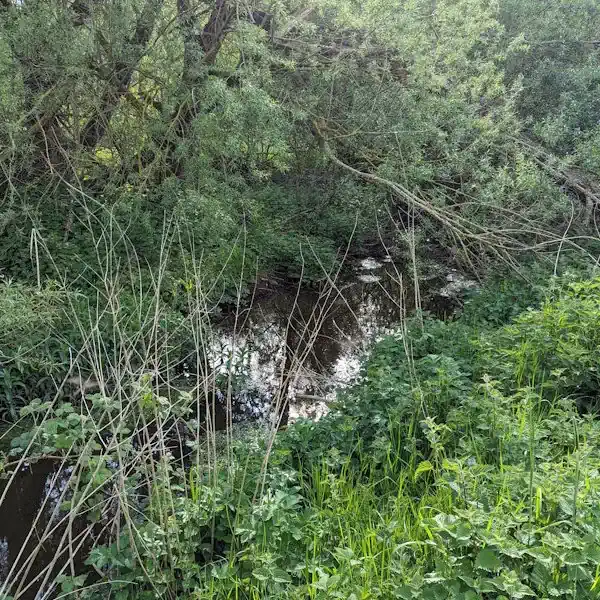
Tees Nutrient Mitigation
Tees Nutrient Mitigation Scheme
.jpg)
Wiltshire BNG at Lydeway
Land at Lydeway
.jpg)
Herefordshire BNG at Hampton Wafre
Hampton Wafre Farm
Are you looking to start a BNG scheme?
Talk to Greenshank and explore the opportunities we offer through your land.
Latest News
A step-by-step guide for landowners looking to sell their land as BNG units, and how Greenshank can help at every stage of the process.
.webp)
Find out how biodiversity net gain legislation works under the Environment Act 2021, what it requires, and which developments are exempt.
Find out how nutrient mitigation schemes work for landowners, how nutrient credits are generated, and how to combine nutrient and BNG income.