
Norwich LPA BNG
Discover key habitats, BNG requirements, and planning guidance for developers in Norwich LPA Local Planning Authority.

.avif)
Trusted by Developers and Landowners







Biodiversity Net Gain in Norwich LPA Local Planning Authority
Norwich, the historic city and administrative centre of Norfolk, is a vibrant urban area with a population over 140,000. While largely urban, the city is notable for its network of green spaces, river corridors, parks, and remnant natural habitats. Covering approximately 39 square kilometres, Norwich combines urban living with important ecological assets embedded within and around its boundaries.
Under the Environment Act 2021, Norwich City Council requires most developments to deliver a minimum of 10% Biodiversity Net Gain (BNG). Given the urban context, BNG in Norwich often involves enhancing existing green infrastructure, creating new habitat pockets, and improving connectivity between isolated greenspaces.
Norwich lies within National Character Areas Central North Norfolk, The Broads and Mid Norfolk, with the River Wensum running through the city. The river corridor and associated wetlands provide key ecological networks in an otherwise developed landscape.
BNG delivery in Norwich is challenged by limited space and competing land uses but benefits from significant opportunities in parks, brownfield sites, riverbanks, and school grounds. Early ecological assessment and integrated green infrastructure planning are critical.
Our team supports developers, planners, and landowners in Norwich with comprehensive BNG services, including metric assessments, habitat creation plans, and liaison with local biodiversity initiatives.
Habitats in Norwich LPA Local Planning Authority
.avif)
Norwich’s urban environment supports a range of semi-natural habitats important for city biodiversity and BNG compliance.
Urban Green Spaces and Parks
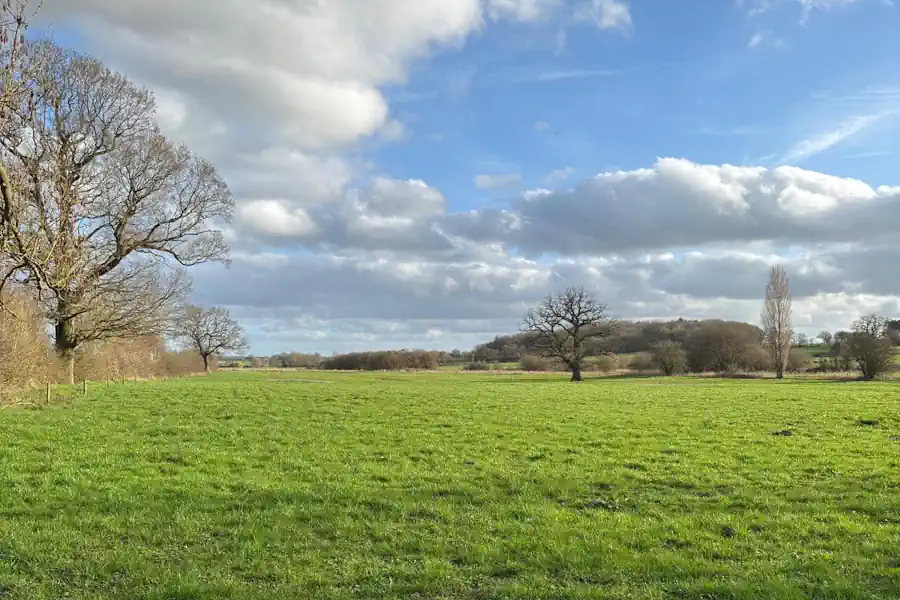
Amenity Grassland and Lawns: Widespread in parks and gardens; potential for enhancement with wildflower areas.
Woodland and Tree Cover: Mature street trees, park woodlands, and community woodlands support urban wildlife including bats and birds.
Wetland Habitats: River Wensum corridor and small ponds provide habitat for aquatic species and amphibians.
Watercourses and Wetlands
River Wensum: A designated Site of Special Scientific Interest (SSSI), providing important riparian habitats and connectivity.
Ponds and Artificial Water Bodies: Scattered throughout parks and residential areas; support dragonflies, amphibians, and aquatic invertebrates.
Grassland and Meadows
Species-Rich Grassland and Wildflower Meadows: Found in parks and community spaces; important for pollinators.
Modified Grassland: Common in managed greenspaces, often amenable to ecological enhancement.
Hedgerows and Linear Features
Urban Hedgerows and Shrub Borders: Provide nesting sites for birds and corridors for small mammals and invertebrates.
Green Corridors: Riverbanks, railway lines, and cycle paths function as wildlife corridors.
Brownfield and Vacant Sites
Developed land with potential for naturalisation: Opportunities exist for habitat creation on brownfield and derelict land.
Norwich LPA BNG Planning
Due to its urban setting, Norwich primarily delivers BNG through habitat enhancement and creation in greenspaces, river corridors, and brownfield regeneration. High distinctiveness habitats are limited but include riverine and wetland areas. The emphasis is often on improving connectivity, planting native species, and creating pollinator-friendly habitats.
Low and medium distinctiveness habitats such as amenity grasslands and urban tree cover offer valuable opportunities for on-site BNG through sensitive management, wildflower seeding, and structural planting.

Norwich
Get notified of a scheme
We do not currently have any schemes covering this LPA.
Get notified when a scheme is available in this area.
Discover Schemes in
Norwich LPA
LPA
Restoring ecosystems and creating sustainable habitats
through BNG and nutrient mitigation.
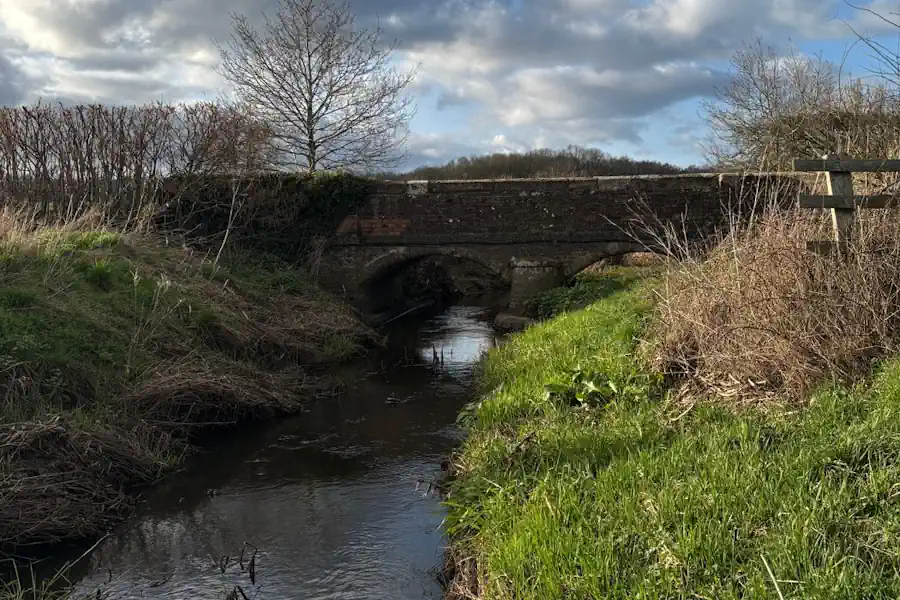
Shavington Estate
Shavington Estate
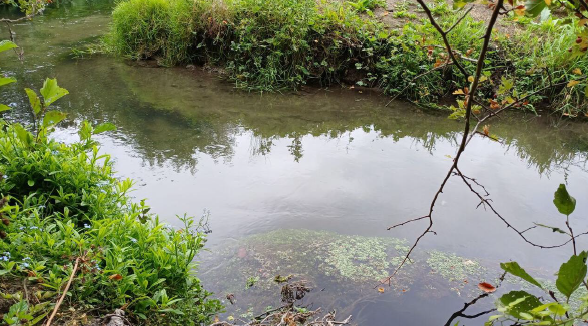
Hurst Farm
Hurst Farm
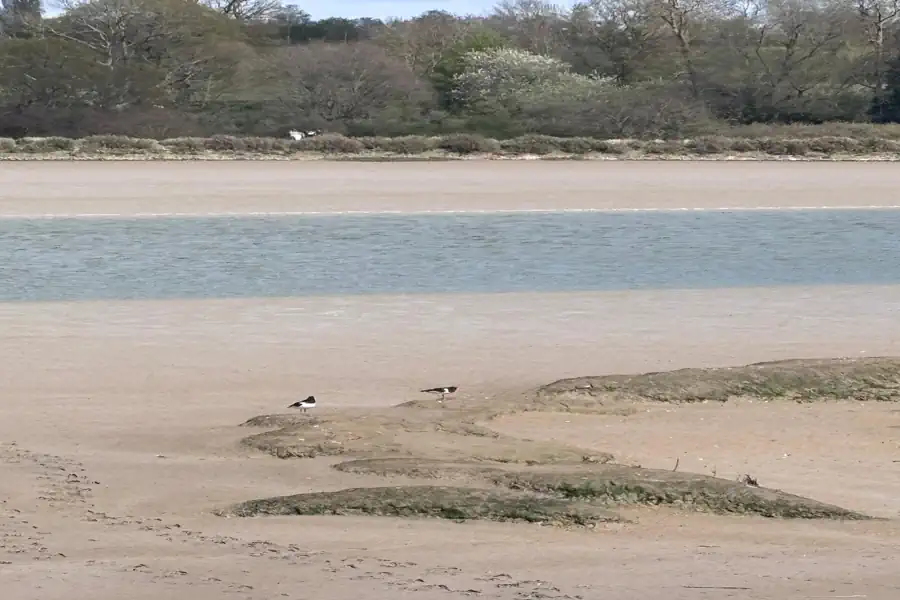
Essex BNG at Priors Farm
Essex BNG at Priors Farm

Somerset BNG Scheme
Trinity Farm & Eastcombe Fields
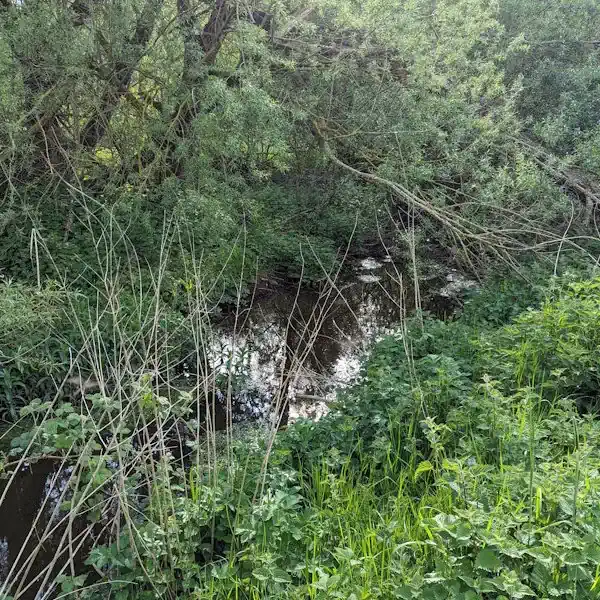
Tees Nutrient Mitigation
Tees Nutrient Mitigation Scheme
.jpg)
Wiltshire BNG at Lydeway
Land at Lydeway
.jpg)
Herefordshire BNG at Hampton Wafre
Hampton Wafre Farm
Are you looking to start a BNG scheme?
Talk to Greenshank and explore the opportunities we offer through your land.
Latest News
A step-by-step guide for landowners looking to sell their land as BNG units, and how Greenshank can help at every stage of the process.
.webp)
Find out how biodiversity net gain legislation works under the Environment Act 2021, what it requires, and which developments are exempt.
Find out how nutrient mitigation schemes work for landowners, how nutrient credits are generated, and how to combine nutrient and BNG income.