
South Norfolk LPA BNG
Discover key habitats, BNG requirements, and planning guidance for developers in South Norfolk LPA Local Planning Authority.

.avif)
Trusted by Developers and Landowners







Biodiversity Net Gain in South Norfolk LPA Local Planning Authority
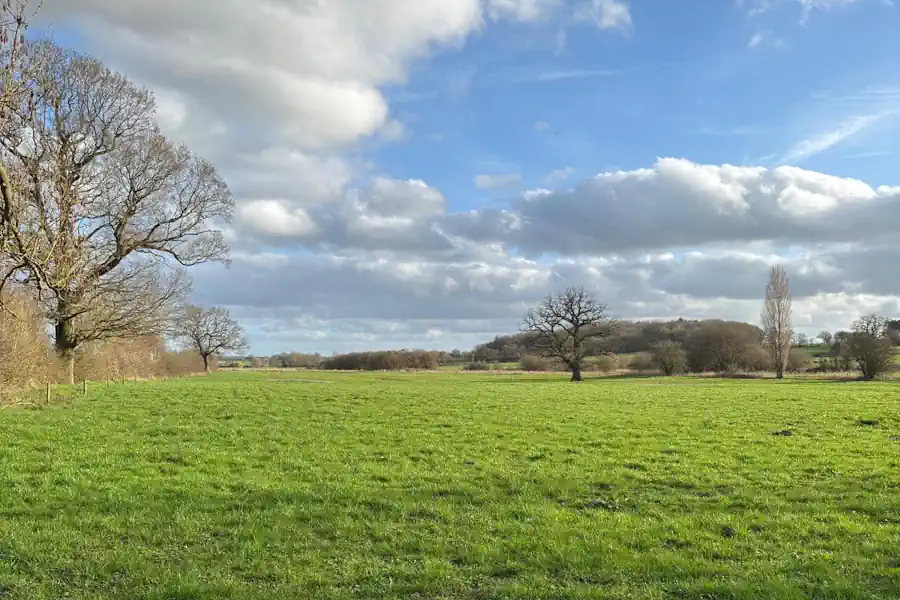
South Norfolk, located to the south and southeast of Norwich, covers approximately 590 square kilometres of predominantly rural landscape. The district includes market towns such as Diss, Wymondham, and Long Stratton, alongside extensive farmland, woodlands, rivers, and scattered villages.
Aligned with the Environment Act 2021, South Norfolk District Council requires most development proposals to deliver a minimum of 10% Biodiversity Net Gain (BNG). This can be achieved through on-site habitat creation or enhancement, off-site biodiversity unit purchases, or through strategic partnerships with local conservation initiatives.
The district lies primarily within National Character Area South Norfolk and High Suffolk Claylands, with some areas overlapping the fringes of The Broads. This character influences a landscape of gently rolling farmland, deciduous woodlands, chalk streams, and wetland habitats.
BNG delivery in South Norfolk involves careful consideration of both rural and semi-urban habitats, with opportunities to enhance existing woodland, grassland, and riparian corridors as well as to improve farmland biodiversity through targeted habitat creation.
Our team provides comprehensive BNG support in South Norfolk, including metric assessments, habitat mapping, ecological advice, and assistance navigating local planning policies.
Habitats in South Norfolk LPA Local Planning Authority
.avif)
South Norfolk supports a rich variety of habitats, many of which are priority habitats under the BNG framework and contribute to local ecological networks.
Woodland and Forest Habitats
Lowland Mixed Deciduous Woodland: Widespread across South Norfolk; supports diverse flora and fauna including birds, bats, and invertebrates.
Ancient Woodland: Scattered patches offering irreplaceable habitat value.
Scrub and Woodland Edge: Important for transitional wildlife species.
Grassland Habitats
Neutral and Acid Grassland: Occur in smaller parcels; important for pollinators and ground-nesting birds.
Modified Grassland: Common in agricultural and urban fringe areas; potential for enhancement through wildflower planting and reduced mowing regimes.
Wetland and Watercourse Habitats
Rivers and Chalk Streams: River Tas and others flow through the district, supporting aquatic life including fish, otters, and water voles.
Ponds and Wet Ditches: Provide valuable breeding sites for amphibians and invertebrates.
Cropland and Farmland Habitats
Arable Land: Predominantly cereal crops with opportunities for enhancement via margins, beetle banks, and hedgerows.
Temporary Grassland and Set-Aside: Seasonal habitats with potential biodiversity benefits.
Hedgerows and Linear Features
Species-Rich Hedgerows: Function as vital wildlife corridors linking fragmented habitats across the district.
Ditches and Field Margins: Important for drainage and wildlife connectivity.
South Norfolk LPA BNG Planning
High distinctiveness habitats such as ancient woodland and chalk streams are key to meaningful biodiversity net gain in the district, requiring careful protection and sensitive management.
Lower distinctiveness habitats, including modified grasslands and arable land, provide practical opportunities for on-site BNG delivery through habitat restoration and creation.

Wymondham
Diss
Long Stratton
Get notified of a scheme
We do not currently have any schemes covering this LPA.
Get notified when a scheme is available in this area.
Discover Schemes in
South Norfolk LPA
LPA
Restoring ecosystems and creating sustainable habitats
through BNG and nutrient mitigation.
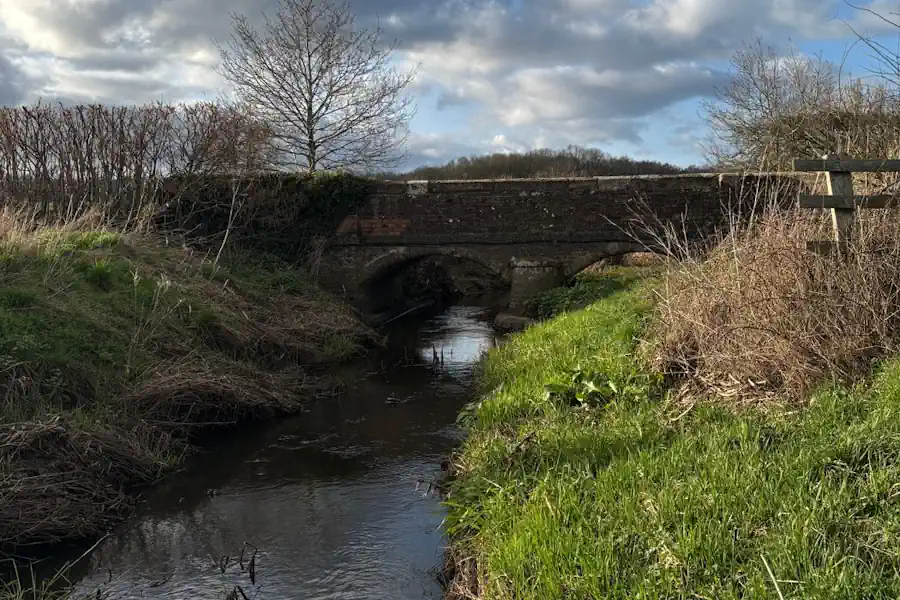
Shavington Estate
Shavington Estate
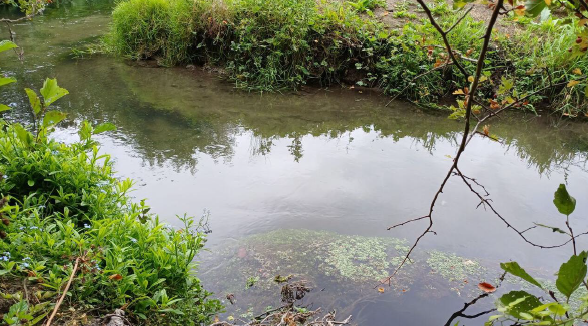
Hurst Farm
Hurst Farm
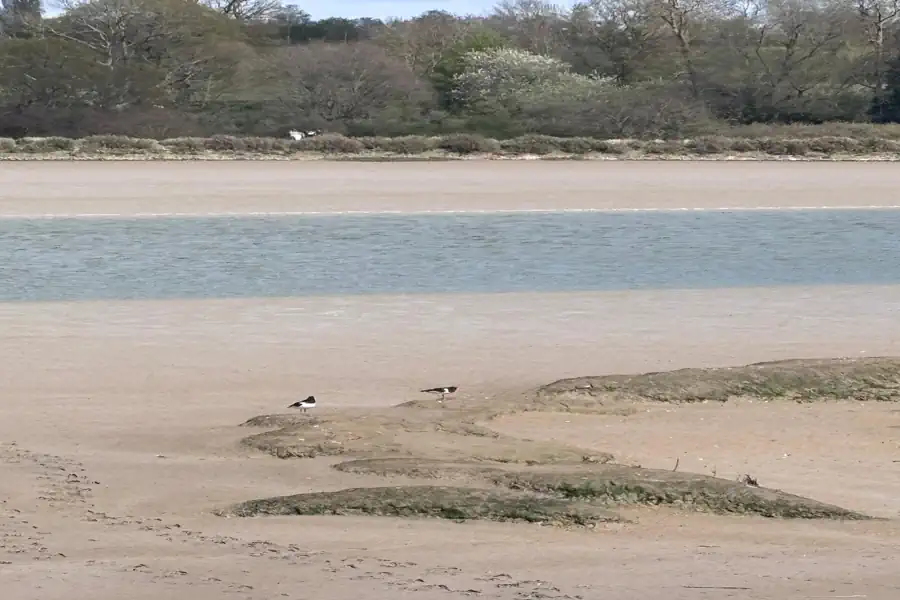
Essex BNG at Priors Farm
Essex BNG at Priors Farm

Somerset BNG Scheme
Trinity Farm & Eastcombe Fields
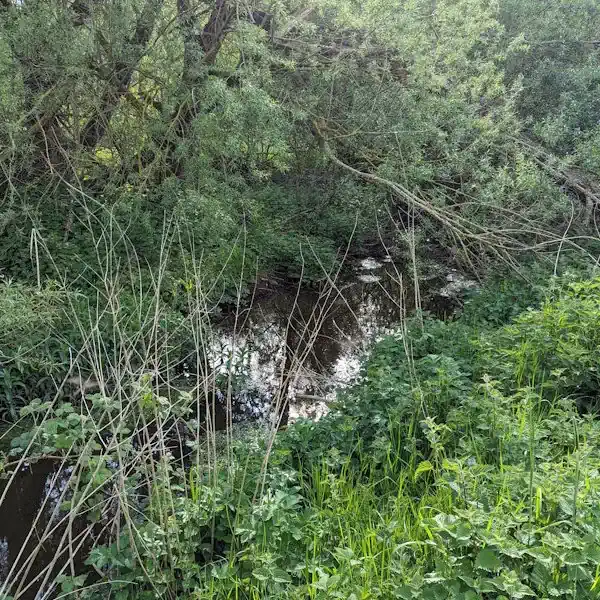
Tees Nutrient Mitigation
Tees Nutrient Mitigation Scheme
.jpg)
Wiltshire BNG at Lydeway
Land at Lydeway
.jpg)
Herefordshire BNG at Hampton Wafre
Hampton Wafre Farm
Are you looking to start a BNG scheme?
Talk to Greenshank and explore the opportunities we offer through your land.
Latest News
A step-by-step guide for landowners looking to sell their land as BNG units, and how Greenshank can help at every stage of the process.
.webp)
Find out how biodiversity net gain legislation works under the Environment Act 2021, what it requires, and which developments are exempt.
Find out how nutrient mitigation schemes work for landowners, how nutrient credits are generated, and how to combine nutrient and BNG income.