
Great Yarmouth LPA BNG
Discover key habitats, BNG requirements, and planning guidance for developers in Great Yarmouth LPA Local Planning Authority.

.avif)
Trusted by Developers and Landowners







Biodiversity Net Gain in Great Yarmouth LPA Local Planning Authority
Great Yarmouth, located on the Norfolk coast in the East of England, is a coastal borough with a distinctive mix of urban, coastal, and rural environments. Covering around 180 square kilometres, it includes the historic seaside town of Great Yarmouth as well as rural villages, marshland, and portions of the Norfolk Broads.
As required under the Environment Act 2021, Great Yarmouth Borough Council mandates a minimum 10% Biodiversity Net Gain (BNG) for most developments. This can be achieved through on-site habitat creation or enhancement, off-site biodiversity units, or through partnerships with local habitat banks and conservation schemes—particularly within the sensitive coastal and wetland areas of the borough.
The borough falls within National Character Area The Broads, with landscapes dominated by low-lying grazing marsh, reedbeds, fens, sand dunes, and saline lagoons. These ecosystems contribute to the internationally significant biodiversity of the area, much of which is protected by designations such as Special Areas of Conservation (SACs), Special Protection Areas (SPAs), and Ramsar sites.
BNG delivery in Great Yarmouth must account for high ecological sensitivity, especially near the coast, wetland complexes, and protected sites. However, it also presents opportunities to enhance underused land, urban green infrastructure, and farmland margins.
We support developers, planners, and landowners in Great Yarmouth with comprehensive BNG services, including metric assessments, habitat planning, and access to biodiversity offset providers. Get in touch to explore BNG opportunities tailored to your site.
Habitats in Great Yarmouth LPA Local Planning Authority
.avif)
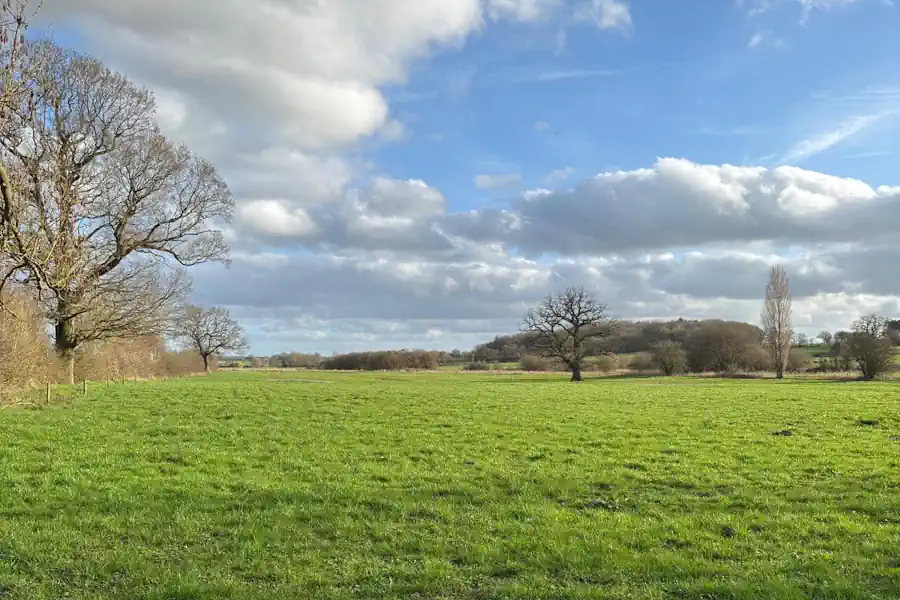
Great Yarmouth’s coastal and lowland setting supports a wide range of priority habitats under the BNG metric and national biodiversity strategies.
Coastal and Estuarine Habitats
Sand Dunes and Coastal Grassland: Found along the North Sea coast; support specialist flora and ground-nesting birds.
Saline Lagoons: Rare habitats providing for specialist invertebrates and waders.
Saltmarsh and Mudflats: Located in the estuarine zones; vital feeding grounds for migratory birds.
Wetland and Watercourse Habitats
Grazing Marsh and Reedbeds: Core habitats of the Broads system; highly distinctive and protected.
Freshwater Fens and Wet Woodland: Occur throughout the inland Broads area.
Rivers, Ditches, and Drainage Channels: The River Yare and Bure, and their drainage networks, serve as vital wildlife corridors.
Grassland Habitats
Modified and Improved Grassland: Common in rural and urban margins; offers strong enhancement potential.
Neutral Grasslands: Occur in floodplains and parklands; support pollinators and nesting birds.
Cropland and Farmland Habitats
Arable Fields: Widespread inland; potential for enhancement via margins, hedgerows, and fallow plots.
Field Margins and Set-Aside: Offer biodiversity uplift and buffer adjacent sensitive habitats.
Hedgerows and Linear Features
Species-Rich Hedgerows: Provide connectivity between fragmented habitats inland.
Dykes and Drainage Ditches: Form critical wet linear habitats for amphibians and aquatic invertebrates.
Great Yarmouth LPA BNG Planning
High distinctiveness habitats—including sand dunes, reedbeds, fens, and coastal lagoons—are central to the borough’s ecological identity. Their protection is paramount, and their loss requires substantial compensation under BNG regulations.
Lower distinctiveness areas, such as modified grasslands and arable land, offer the most practical routes for on-site BNG delivery. Enhancement methods include wildflower seeding, hedgerow planting, and the creation of wet features such as scrapes and SuDS ponds.

Great Yarmouth
Gorleston-on-Sea
Get notified of a scheme
We do not currently have any schemes covering this LPA.
Get notified when a scheme is available in this area.
Discover Schemes in
Great Yarmouth LPA
LPA
Restoring ecosystems and creating sustainable habitats
through BNG and nutrient mitigation.
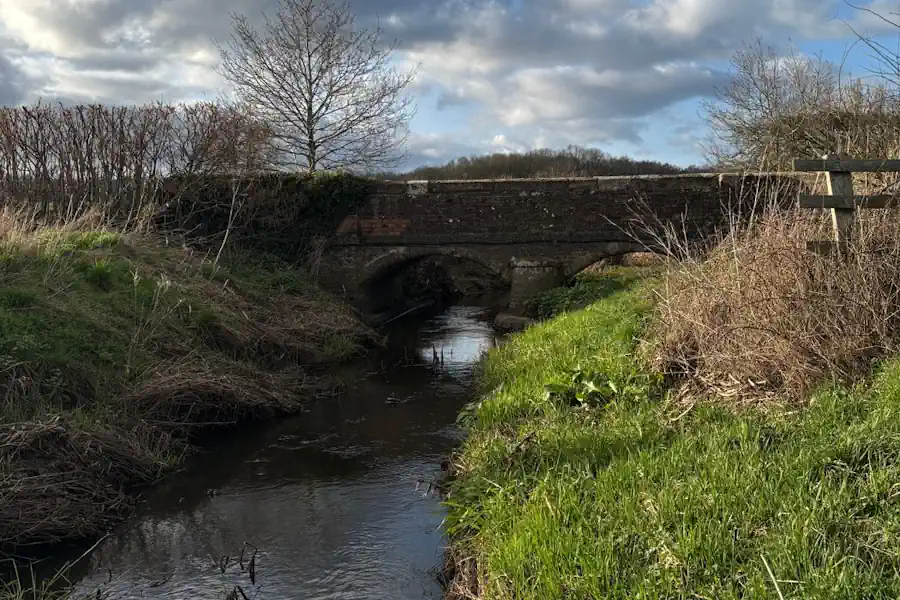
Shavington Estate
Shavington Estate
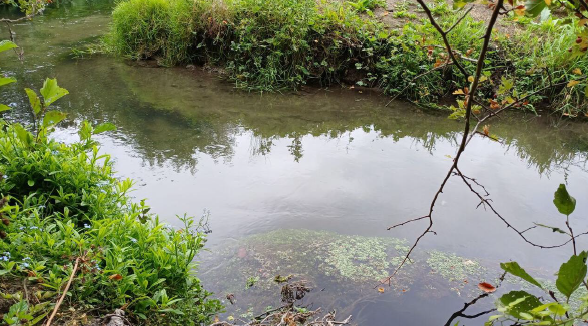
Hurst Farm
Hurst Farm
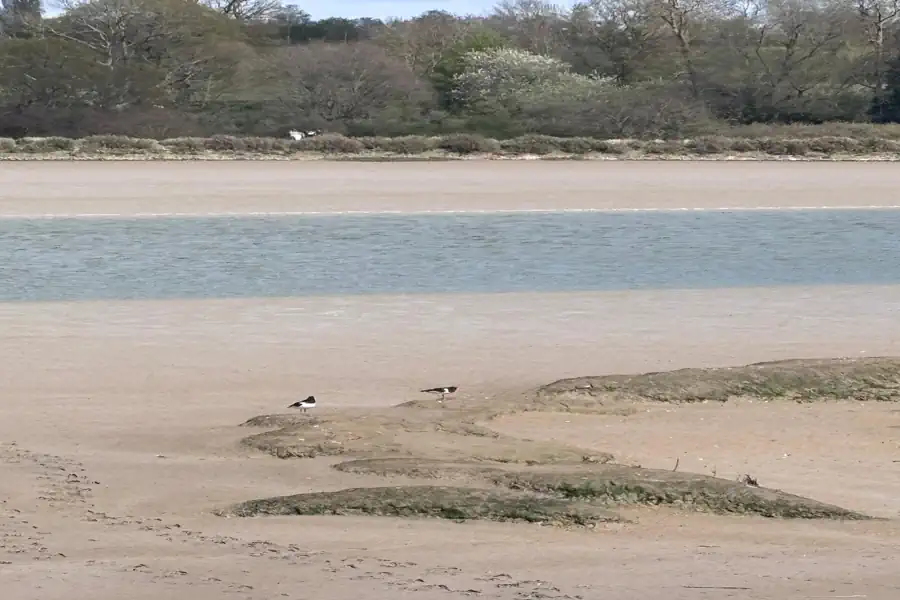
Essex BNG at Priors Farm
Essex BNG at Priors Farm

Somerset BNG Scheme
Trinity Farm & Eastcombe Fields
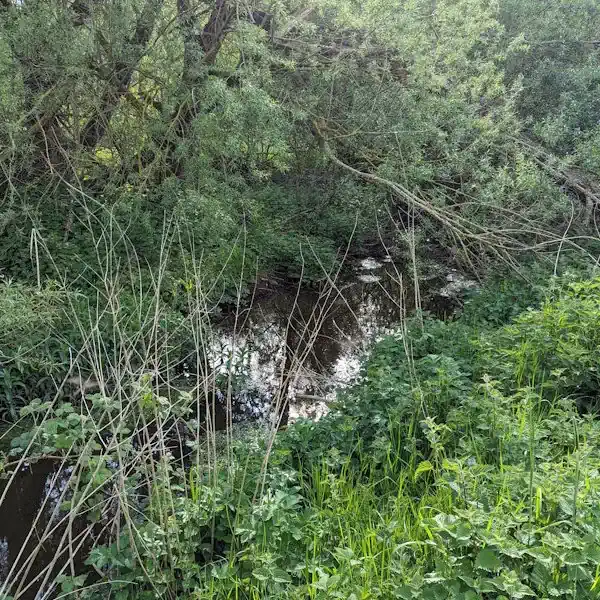
Tees Nutrient Mitigation
Tees Nutrient Mitigation Scheme
.jpg)
Wiltshire BNG at Lydeway
Land at Lydeway
.jpg)
Herefordshire BNG at Hampton Wafre
Hampton Wafre Farm
Are you looking to start a BNG scheme?
Talk to Greenshank and explore the opportunities we offer through your land.
Latest News
A step-by-step guide for landowners looking to sell their land as BNG units, and how Greenshank can help at every stage of the process.
.webp)
Find out how biodiversity net gain legislation works under the Environment Act 2021, what it requires, and which developments are exempt.
Find out how nutrient mitigation schemes work for landowners, how nutrient credits are generated, and how to combine nutrient and BNG income.