
Wealden LPA BNG
Biodiversity Net Gain in Wealden, from Ashdown Forest to the Pevensey Levels. Expert BNG support and access to local BNG units.
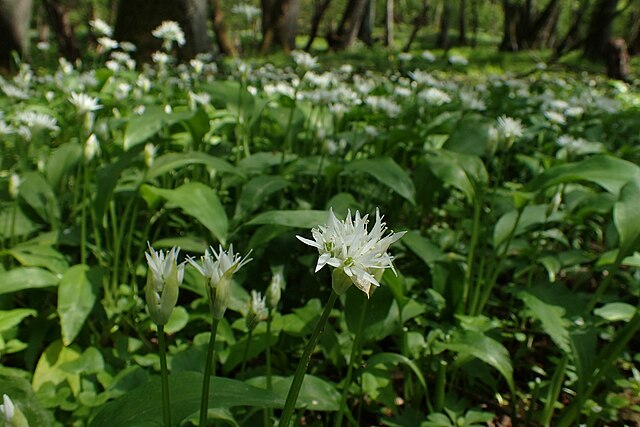
.avif)
Trusted by Developers and Landowners







Biodiversity Net Gain in Wealden Local Planning Authority
Wealden is the largest district in East Sussex, 835 square kilometres and one of the most rural in England, with two-thirds of it inside either the High Weald National Landscape or the South Downs National Park. Ashdown Forest sits on the highest sandy ridge of the High Weald, a block of lowland heath that holds Dartford warblers and nightjars. To the south the Pevensey Levels cover about 3,500 hectares of wet grazing marsh, ditches and dykes, an SSSI, Special Area of Conservation, Ramsar site and National Nature Reserve. In between, the River Cuckmere rises near Heathfield, and Arlington Reservoir near Hailsham is an SSSI and local nature reserve holding over 1% of UK wintering wigeon. The five main towns are Crowborough, Hailsham, Heathfield, Polegate and Uckfield.
Biodiversity Net Gain became a legal requirement for major developments in England on 12 February 2024, and for small sites on 2 April 2024. Wealden District Council’s interim advice asks for a minimum 10% gain and says this will rise to 20% on qualifying sites under the emerging Wealden Local Plan. That plan is at its final Regulation 19 stage, with consultation from 21 September to 2 November 2026, and has not been submitted or adopted, so 10% is the working figure now. The council’s page treats off-site as any land outside the application boundary and notes that statutory credits from Natural England are available where neither on-site nor off-site delivery is possible. Wealden has no BNG Supplementary Planning Document of its own. Inside the South Downs National Park, planning is not a Wealden matter: the National Park Authority has been the planning authority for the whole park since 1 April 2011, and Wealden stopped acting for it on 1 April 2012. Applications there are decided under the South Downs Local Plan, adopted in 2019, which carries its own biodiversity net gain policy, SD9.
The main local constraints are protected sites rather than space. Air pollution from traffic is the main threat to the Ashdown Forest SAC, and recreation pressure on the SPA is handled through a strategic access management and monitoring tariff. Natural England has given site-specific advice on the Pevensey Levels, and the Sussex North water neutrality zone, which Natural England withdrew on 31 October 2025, never covered Wealden. The East Sussex and Brighton and Hove Local Nature Recovery Strategy, published in July 2026, covers the district.
Habitats in Wealden Local Planning Authority
.avif)
Habitats run from chalk downs in the south, through the Levels and the Low Weald, to heath and ancient woodland on the High Weald.
- Ancient Woodland and Gill Streams: the High Weald is densely wooded with a high proportion of ancient woodland, small fields and thick hedgerows, and 26% of the High Weald NCA is woodland.
- Chalk Grassland: South Downs grassland in the south of the district, a Local Nature Recovery Strategy priority because 80% of UK chalk grassland has been lost since the Second World War.
- Coastal and Floodplain Grazing Marsh: Pevensey Levels, home to the fen raft spider, more than 25 rare aquatic molluscs and breeding lapwing.
- Hedgerows and Small Fields: the High Weald pattern of irregular fields, hedgerows and woodland shaws.
- Lowland Heathland: Ashdown Forest, designated SSSI, SPA and SAC, with Dartford warbler and nightjar.
- Open Water: Arlington Reservoir SSSI, with alder and willow scrub and over 1% of UK wintering wigeon.
- Rivers and Streams: the River Cuckmere, rising near Heathfield and cutting through the South Downs to the sea.
Wealden LPA BNG Planning
High distinctiveness habitats such as ancient woodland, chalk grassland, and wet woodland are critical to achieving meaningful biodiversity net gain and require careful management.
Lower distinctiveness habitats like improved grassland and secondary woodland offer flexible opportunities for habitat creation and enhancement.

Crowborough
Hailsham
Heathfield
Polegate
Uckfield
Get notified of a scheme
We do not currently have any schemes covering this LPA.
Get notified when a scheme is available in this area.
Discover Schemes in
Wealden LPA
LPA
Restoring ecosystems and creating sustainable habitats
through BNG and nutrient mitigation.
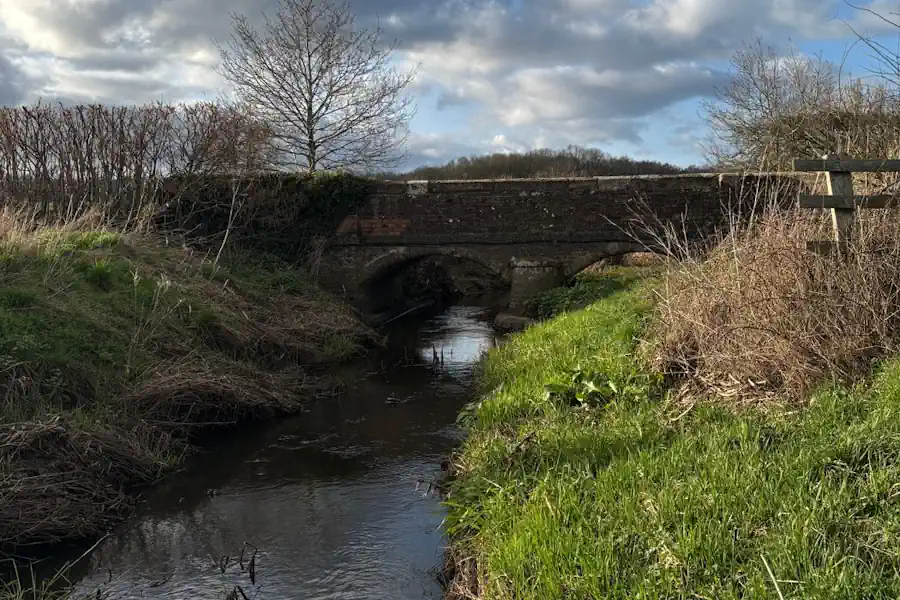
Shavington Estate
Shavington Estate
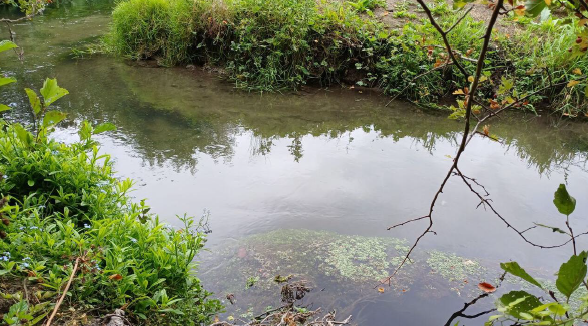
Hurst Farm
Hurst Farm
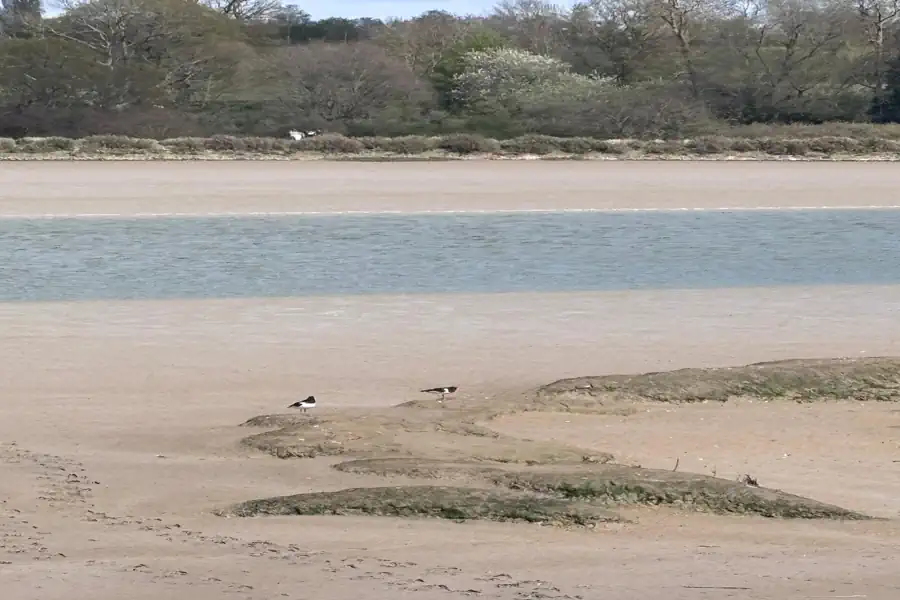
Essex BNG at Priors Farm
Essex BNG at Priors Farm

Somerset BNG Scheme
Trinity Farm & Eastcombe Fields
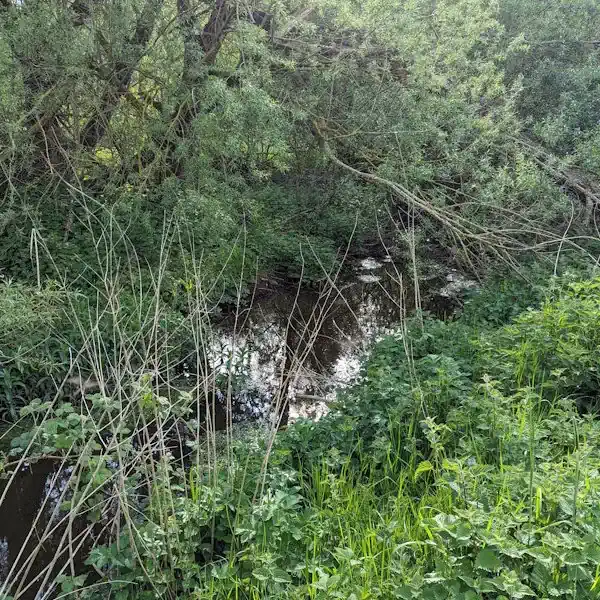
Tees Nutrient Mitigation
Tees Nutrient Mitigation Scheme
.jpg)
Wiltshire BNG at Lydeway
Land at Lydeway
.jpg)
Herefordshire BNG at Hampton Wafre
Hampton Wafre Farm
Are you looking to start a BNG scheme?
Talk to Greenshank and explore the opportunities we offer through your land.
Latest News
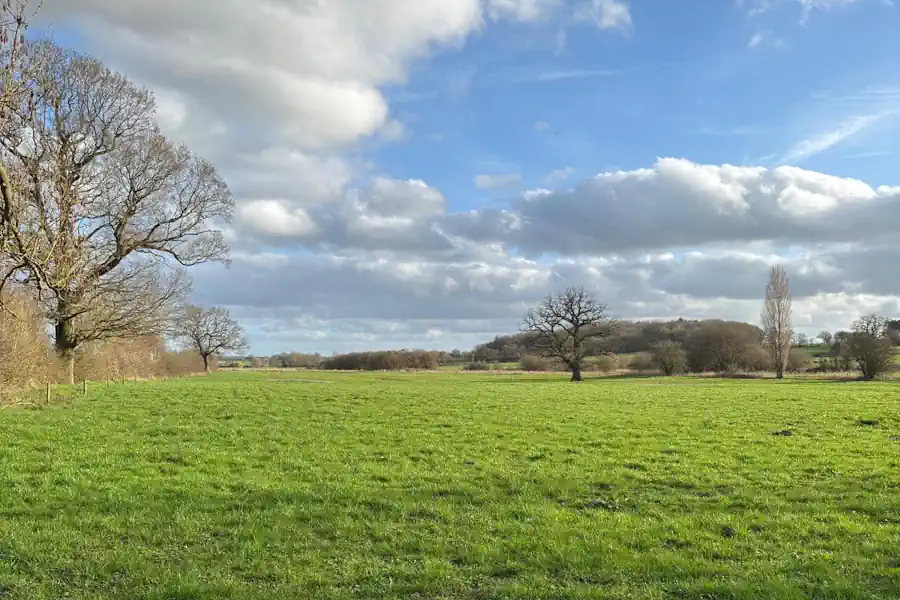
A step-by-step guide for landowners looking to sell their land as BNG units, and how Greenshank can help at every stage of the process.
.webp)
Find out how biodiversity net gain legislation works under the Environment Act 2021, what it requires, and which developments are exempt.
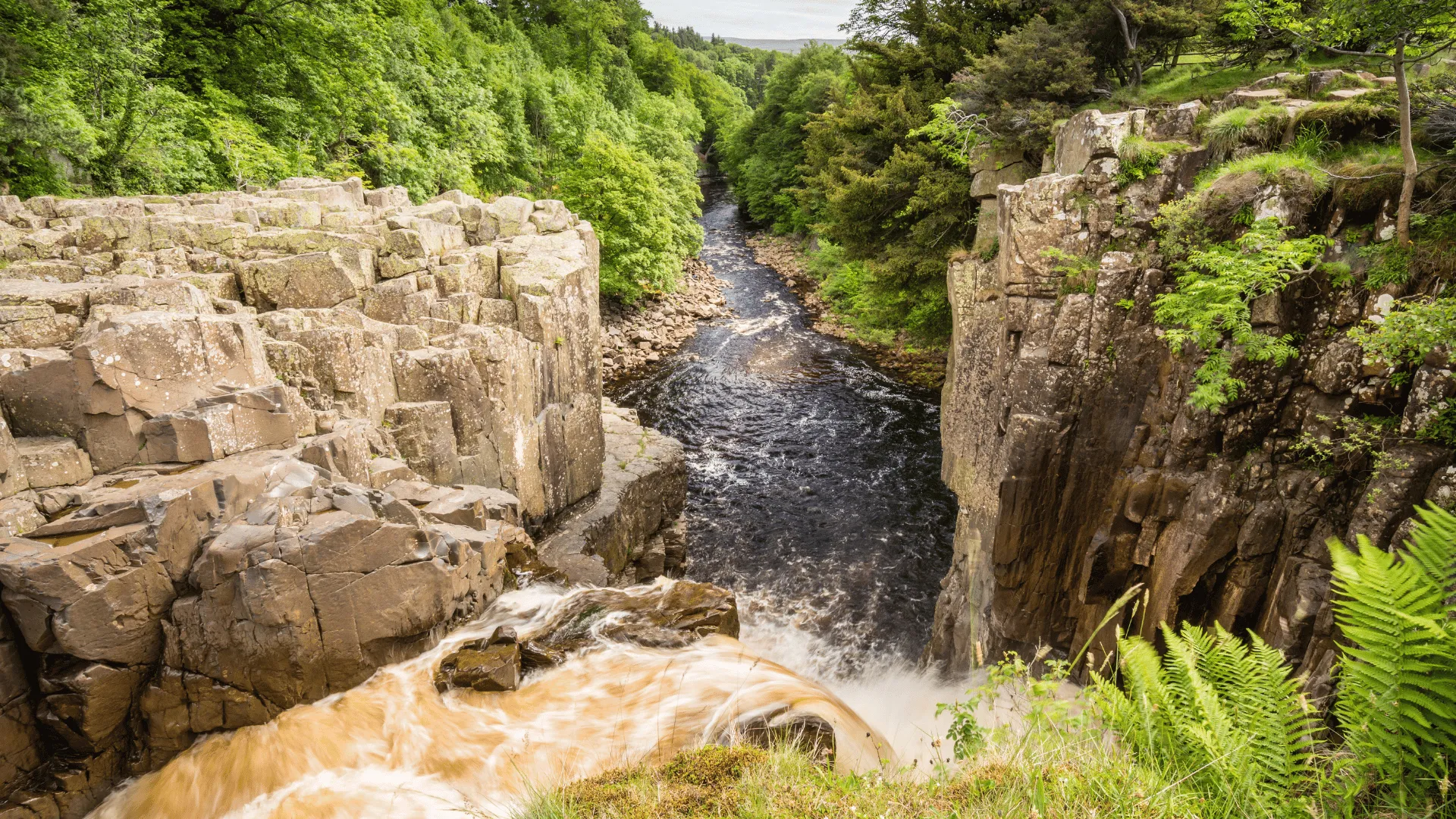
Find out how nutrient mitigation schemes work for landowners, how nutrient credits are generated, and how to combine nutrient and BNG income.