
10 Reasons for Maintaining Biodiversity

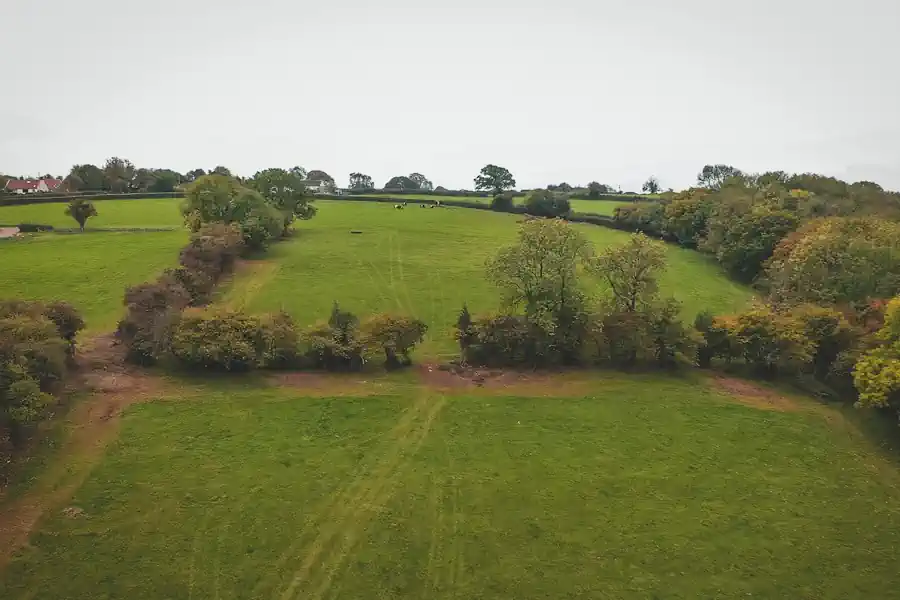
The Royal Society defines biodiversity as "essential for the processes that support all life on Earth, including humans."
In a short video, narrated by Sir David Attenborough, the Society goes on to explain the importance of biodiversity, and the impact of the climate crisis.
Maintaining the planet's biodiversity makes both scientific and economic sense, and protecting it is becoming an increasingly urgent issue.
Here are 10 reasons why biodiversity should be a priority for everyone.
1. Food Security
Figures from the UN's Food and Agriculture Organization reveal that pollinators contribute to roughly 35% of global crop production by volume, and three quarters of the world's most productive crop plants depend on pollinators.
In 2016, a report1 showed that pollinator-dependent food production had increased by 300% since the 1960s, creating a market worth an estimated US$235–577 billion.
However, declines in pollinator numbers, particularly across north-west Europe and North America, due to habitat loss, pesticide use, and climate change (to name but three threats), were putting global food production at risk.
The report called for increased protection for pollinators, including switching to sustainable agriculture, regulating pesticide use, repairing and restoring habitat, and combining indigenous and local knowledge with science to support pollinator populations.
2. Clean Water
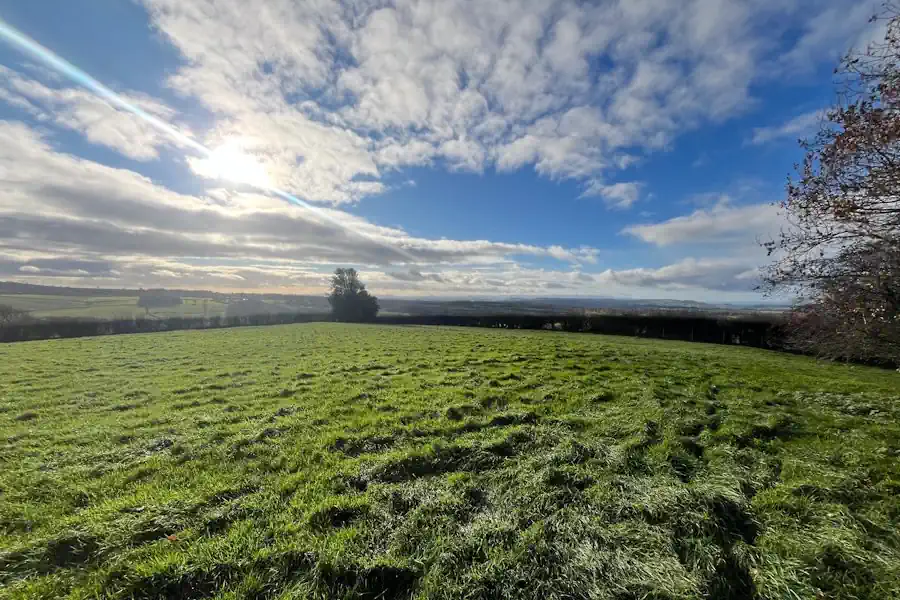
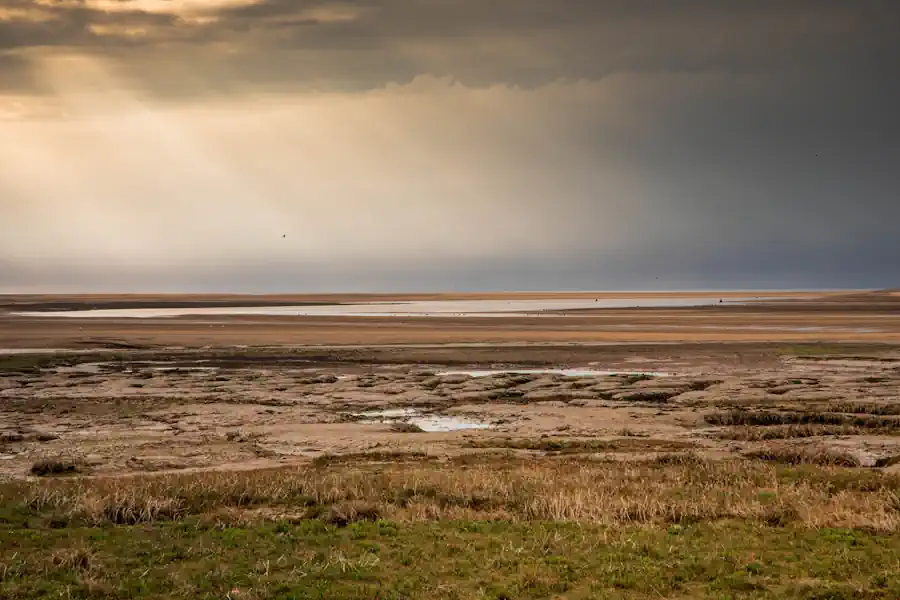
Water is essential to the survival of almost all life on Earth, and wetlands,2 which include rivers, streams, swamps, and fens, among others, are crucial to this system.
Almost all the planet's fresh water comes from a wetland source, and they are home to 40% or around 100,000, of all the world's species.
Economically, wetlands provide jobs and services with an annual value of $47 trillion worldwide.
Despite their obvious importance, a staggering 87% of wetlands have been lost since 1700, with 35% wiped out since the 1970s.
Restoring and maintaining wetlands is valuable not just for the environment, but also for the global economy.
3. Carbon Storage
Carbon is a core component of every ecosystem on the planet. The world's natural carbon sinks collectively absorb over 50% of all human-caused carbon dioxide emissions.
They include the world's rainforests and oceans, but also take in peatlands;3 a tiny but mighty resource covering 3% of land globally, but holding almost 30% of its carbon.
Farmland is another essential form of organic carbon storage. Held in the soil, it helps boost crop yield, while also keeping the planet cool.
Maintaining these ecosystems isn't just vital for biodiversity, it prevents a devastating loss of carbon into the atmosphere.
4. Flood Regulation
In the UK alone, almost 2 million people live in regions at risk of flooding.4 It's the result of intensive farming practices and urban development, among other reasons,5 which have altered or removed habitats, affecting biodiversity.
Lost wetlands and floodplains, a lack of trees and hedges and missing wildflower meadows all contribute to water that isn't stable or controlled. As climate change intensifies weather episodes, flooding has become a regular event.
Planting trees, reconnecting rivers and ditches,6 and switching to natural water management practices in farming can all help restore the biodiversity balance.
5. Medicine and Discovery
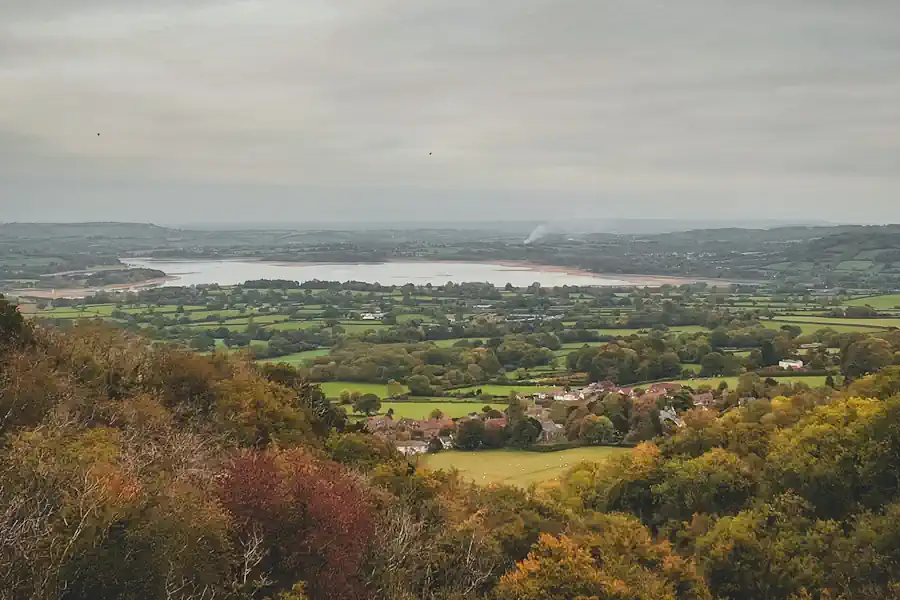
Nobody really knows how many species are living on Earth,7 but our reliance on biodiversity isn't just economic, it impacts human health in a very real way.
For thousands of years, willow bark was used as a painkiller,8 penicillin is derived from a type of mould,9 and animals are helping scientists develop treatments for cancer.10
Species not yet studied may provide treatment breakthroughs to known illnesses, as well as problems not yet encountered.
Threats to global biodiversity, whether habitat loss or climate change, could stymie those potentially life-saving discoveries.
6. Economic Value
The UK's natural environment was valued at around £1.6 trillion in 2023.11 The same year, the country's ecosystem services were worth £41 billion, with biotic or living systems responsible for £34 billion, and abiotic or non-living services worth £7 billion.12
This essential natural capital supports several sectors, from tourism and recreation, to energy and habitat banking for biodiversity net gain.
Maintaining biodiversity enables these crucial systems to function and thrive, contributing to the UK economy.
7. Climate Resilience
Over 3 billion people live in circumstances that are highly vulnerable to climate change, according to the 2023 Sixth Assessment Report from the United Nations Intergovernmental Panel on Climate Change (IPCC).13
More communities are experiencing intense and frequent extreme weather events, including flooding, hurricanes, and drought. Biodiversity loss and climate change are inextricably linked,14 with one driving and accelerating the other.
Yet science tells us that biodiverse ecosystems are more resilient to climate stress, and can recover faster than depleted ones.15 Maintaining and enhancing biodiversity wherever possible is a key element in tackling climate change.
8. Pest and Disease Control
Even the smallest ecosystem relies on a delicate balance of predators and prey to keep populations in check and a habitat healthy.16
Disrupting that biodiversity could wipe out a crucial species, or allow another to invade and dominate, potentially permanently altering the ecosystem's make-up.
This imbalance, if it happens on farmland, could lead to an increased reliance on pesticides as a solution, with the knock-on effect of soil and water pollution.
As well as providing ingredients for medicines, biodiversity has long been an important barrier against the spread of infectious diseases carried by wildlife.17
Land being cleared for agriculture and habitat loss has chipped away at that protection, enabling the spread of more pathogens across a wider area.
9. Wellbeing and Mental Health
Many people understand the advantages of the great outdoors, and in recent years, green social prescribing18 has been increasingly used to help people experiencing wellness or mental health issues.
Evidence suggests using the natural world as a form of therapy works too, with the numbers of doctor's appointments, A&E visits and hospital admissions all declining.19
Offering people a diverse range of environments to enjoy, from wildflower meadows and waterways, to community gardens, doesn't just boost their mental health, it benefits biodiversity too.
.webp)
10. Moral and Intrinsic Value
In 1982, the World Charter for Nature laid out an intrinsic value for nature. Among the general principles adopted by the UN was:
"Every form of life is unique, warranting respect regardless of its worth to man, and, to accord other organisms such recognition, man must be guided by a moral code of action."
and
"Lasting benefits from nature depend upon the maintenance of essential ecological processes and life support systems, and upon the diversity of life forms, which are jeopardized through excessive exploitation and habitat destruction by man."
In the decades since, the concept of the environment and biodiversity having both a moral and intrinsic value has been acknowledged by millions around the globe.
Efforts to restore or enhance habitats, including biodiversity net gain in the UK, are reminders that action is being taken to preserve, protect, and maintain biodiversity before it's too late.
We Can Help You Deliver Biodiversity Net Gain
Biodiversity net gain in England legally requires developers to leave a project's environment in a measurably better state than when they found it, mandating a minimum 10% uplift in habitat.
We can help make it happen.
If you're a developer looking to navigate the BNG maze, our team can offer expert guidance. For off-site BNG units, we operate a national network of habitat banks that you can access directly via an online marketplace.
If you're a landowner thinking about creating a habitat bank but don't know where to start, talk to us.
Email us at sales@greenshank-environmental.com or fill in this contact form and we'll be in touch as soon as possible.
Sources
Ready to buy your units?
Easily buy your BNG units online today to ensure compliance and positive environmental impact.