
How to Increase Biodiversity in the UK

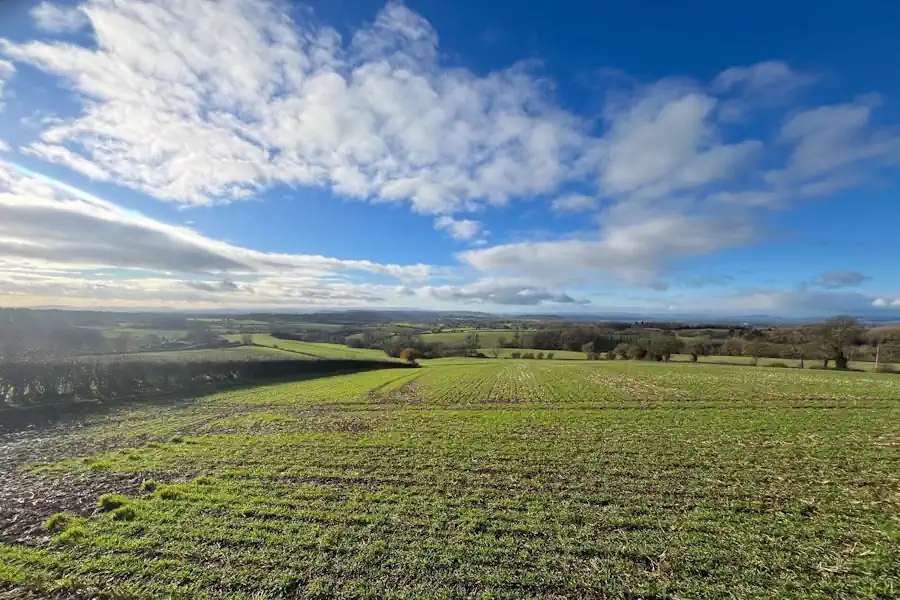
The 2023 State of Nature report said the UK was "one of the most nature-depleted countries on Earth".1 Agriculture land management, unsustainable fishing, urban sprawl, and climate change had combined to take a harrowing toll on the species and ecosystems that once characterised the British landscape.
But biodiversity loss is not inevitable. The measures needed to help restore and support biodiversity will work at every scale, from a back garden grower to the owner of a thousand-acre farm.
Success stories include the recovery of otter populations in UK rivers following pesticide controls;2 the reintroduction of red kites across England and Wales;3 the transformation of former industrial land into nature reserves;4 and the growing network of locally managed wildflower verges.5
This guide covers the myriad ways biodiversity can be restored and supported at different scales, from practical steps anyone can take in their outdoor space, to the structured approach for developers provided by biodiversity net gain.
What Is Biodiversity and Why Does It Matter?
Biodiversity refers to the variety of life in all its forms, from microbacteria to the tallest of trees.6
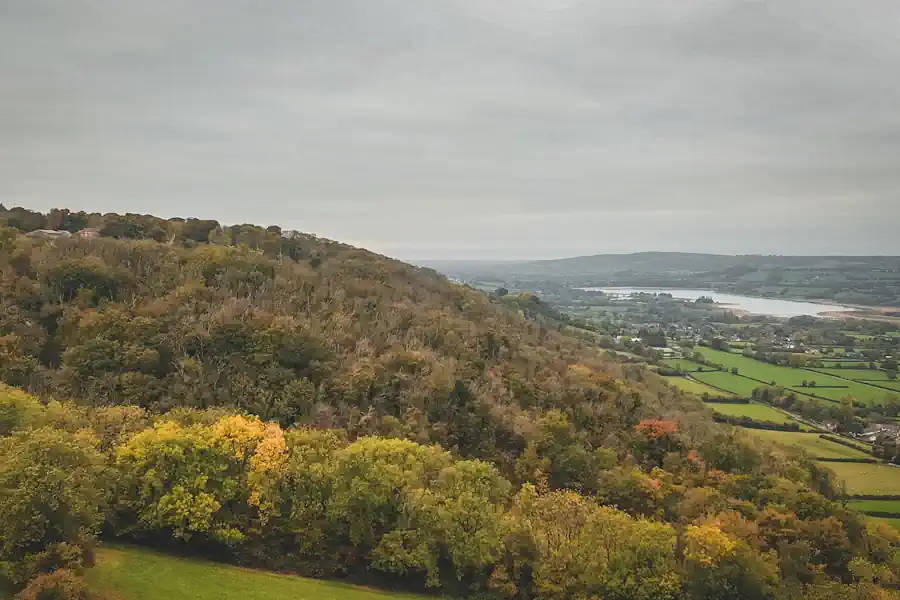
For any ecosystem to thrive, it needs a variety of species, a biodiversity that makes environments more stable, resilient, and adaptable. It also makes them more effective at delivering ecosystem services that humans depend on, such as clean water, flood regulation, pollination, and carbon sequestration.
Biodiversity loss alters that delicate balance and the impact can be devastating. Draining wetlands leads to flooding, crashing pollinator populations result in crop failures, while deforestation accelerates climate change, the effects of which are already being experienced.
But the picture isn't entirely doom and gloom. Everyone can do their bit to help and support biodiversity and turn the situation around.
Wildlife Gardening to Support Biodiversity at Home
Britain's domestic gardens cover 502,757 hectares, more than three times the size of the UK's National Nature Reserves, making them an exciting, and important, resource for local biodiversity.7
You don't need lots of space to create a biodiversity garden either. A few pots on a balcony can support a surprising number of species,8 if they are planted with wildlife in mind.
Think about attracting pollinators throughout the year with a splash of colour and enticing scents.9
Let Some Grassy Areas Grow Long
A thriving wildlife garden does not need to look wild or unkempt. It just needs a few deliberate choices and one of the most crucial is to stop cutting everything.
If letting the whole lawn go is a step too far, just a few pots or a corner of longer grass can make a real difference.
This simple move creates a biodiversity hotspot for all kinds of creatures, including insects, invertebrates, small mammals, and birds.10
Add a Pond (Even a Small One)
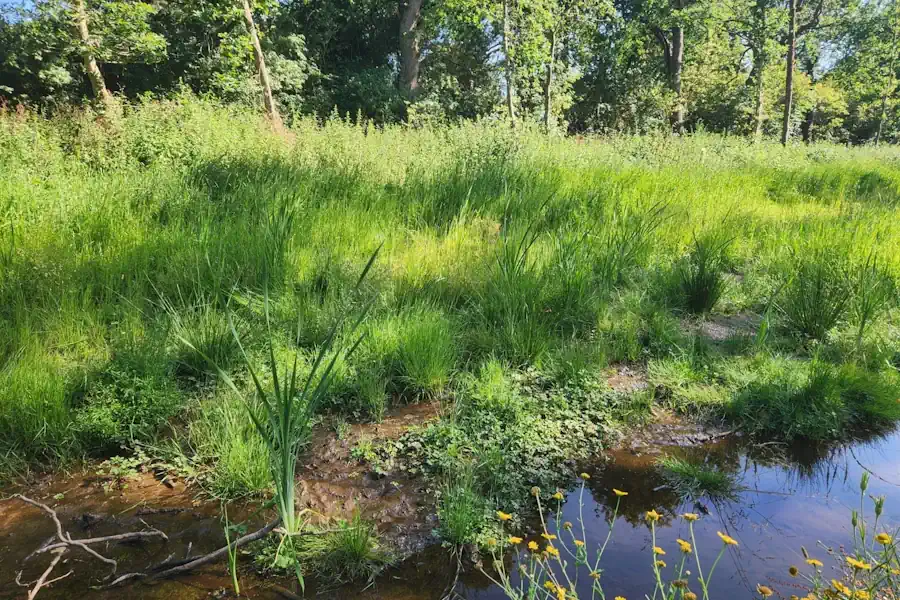
A perfect mini pond,11 even in a container or a sunken washing-up bowl, can become a thriving habitat for wildlife within a single season.
Ponds support newts, frogs, dragonflies, water beetles, and a wide range of invertebrates. They also provide drinking water for garden wildlife including bees, birds, hedgehogs, and grass snakes.12
A bird bath will do the same for your garden's feathered visitors. Make sure to position it out of reach of cats, and keep it topped up during dry spells.
Native and Flowering Plants for Pollinators
Flowering plants are crucial to biodiversity in the garden. Native species support far more invertebrate life than garden cultivars,13 but a mix of native species, wildlife-friendly garden trees and flowering plants, will support the widest range of wildlife.
Spring flowering plants such as primrose and forget-me-nots14 provide vital early nectar when few other flowers are open, keeping early mining bees and bumblebees going after emergence. Summer flowering plants carry the season through for butterflies, hoverflies, and bees, while evergreen perennials like hellebore provide year-round support.15
In bigger plots, a single oak tree can support more than 2,300 species,16 including fungi at the roots, invertebrates among the bark, bats in the hollows, and birds nesting in the canopy.
Wildlife-friendly trees for smaller gardens, crab apple, rowan, hawthorn, or birch,17 also support high numbers of dependent species, and can act as anchor points for biodiversity across an entire neighbourhood.
Stop Using Pesticides
A plant sprayed with a synthetic pesticide does not just kill the target pest, it is toxic to lots of other species too, including bees and birds.
Many of these chemicals have long shelf-lives, and can leach into the ground where they end up in watercourses,18 or drift into neighbouring ecosystems.19
Stop using chemical pesticides entirely and, over time, the wildlife in your garden will start to recover.20
Create a Compost Heap
Composting is one of the best ways to boost biodiversity in a garden. It provides warmth and moisture for slow worms, grass snakes, and hedgehogs, and harbours dozens of insect species.
Just as importantly, it nourishes the soil biology, supporting healthy ecosystems above ground. Leave any fallen fruit in a corner near the compost heap for birds and insects to feast on well into autumn.
Build a Bug Hotel and Cosy Hedgehog House
A biodiverse garden does not need to be vast and wild to support diverse wildlife. All it needs is structure, variation, and a lack of constant disturbance.
.webp)
If you prefer a tidier outdoor space, artificial homes for wildlife are a great way to support biodiversity.
Think a cosy hedgehog house21 tucked into a corner, bee tubes, and log piles or bug hotels for beetles and amphibians,22 all have great benefits for a variety of species.
Increasing Biodiversity at a Community Level
Individual gardens are great for boosting biodiversity, but local wildlife gains are magnified when neighbours and communities join forces.
Community Green Spaces and Citizen Science
Everything from green spaces between properties, roadside verges, churchyards, school grounds, and community open spaces, can all help benefit and support local ecosystems.23
Mowing verges less often, replacing ornamental planting with native species, and installing bird boxes and bee habitats can all be organised by community groups working within existing public space management budgets.
Citizen science programmes,24 recording butterfly counts, bat or wildflower surveys through platforms like iRecord or the RSPB's apps,25 generate data that helps conservation organisations understand how wildlife populations are changing and where restoration efforts are most needed.
Green Infrastructure and Green Roofs
Urban planners and developers are increasingly embedding biodiversity into new projects using green infrastructure.26 It includes ecological corridors, green roofs, living walls, sustainable drainage systems, and pocket parks.
Green infrastructure in urban areas does more than look pretty. It provides ecosystems to support invertebrates, birds, and plants which would struggle to survive in heavily developed urban areas.
Climate adaptation and climate resilience are enhanced when green infrastructure is designed as genuine habitat rather than decorative planting.27
How Developers and Landowners Can Restore and Increase Biodiversity
Since biodiversity net gain (BNG) became mandatory in England in 2024,28 developers are legally obliged to measurably improve biodiversity as a condition of planning permission.
Not all projects are subject to BNG (a list of exemptions can be found on gov.uk).29 For those that are, the Environment Act 202130 requires at least a 10% increase in biodiversity value, as measured using the statutory biodiversity metric tool31 or, for specific smaller projects, the small sites metric tool.32
This has created a structured, measurable approach to enhancing biodiversity at scale. The result is habitats such as species-rich grassland, native woodland, and wetlands now being restored and delivered across England, through a network of habitat banks listed on the biodiversity gain sites register.33
Restoring Habitats with Habitat Banking
Habitat banks are created or set up by landowners. They cover all kinds of environments, from arable farmland converted to wildflower meadow, created native woodland, or restored, degraded wetland.
Each site generates biodiversity units that developers can buy to offset any unavoidable biodiversity loss that cannot be repaired or replaced on-site.
This growth market is directly supporting biodiversity protection, helping to restore natural processes at a landscape scale by channelling private investment into projects that might not otherwise happen.
Habitat banks are not just flash-in-the-pan projects either. They are backed by legally binding plans and agreements to monitor and maintain these biodiverse sites for at least 30 years.34
Landowners: How to Increase Biodiversity on Your Land
Landowners with arable farmland, grassland, or mixed estates have the potential to help restore and increase biodiversity with targeted habitat management.
Even relatively straightforward changes to grassland management, such as switching from intensive cutting to a hay-meadow regime, can substantially improve biodiversity within just a few seasons.
Protecting and enhancing existing habitats, such as maintaining hedgerows in good condition, managing woodland for structure, and protecting veteran trees, builds local habitats that support the widest range of species.
Native species-rich grassland, new native woodland, restored hedgerows, and wetland creation all score strongly on the statutory biodiversity metric tool. Sold as BNG units, these habitat parcels could provide additional revenue streams.
We Can Help You Achieve Your Biodiversity Goals
Creating diverse habitats, reducing harmful management, and giving nature space and time to recover can be done by anyone with even the slightest green thumb.
If you're a landowner exploring biodiversity net gain opportunities on your land, we can offer expert advice on the best solution for you.
If you're a developer needing to source biodiversity units, we operate a national network of registered habitat banks, and can identify competitive, long-term buying arrangements.
Email us at sales@greenshank-environmental.com or fill in this contact form and we'll be in touch as soon as possible.
Sources
Ready to buy your units?
Easily buy your BNG units online today to ensure compliance and positive environmental impact.