
Exmoor National Park LPA BNG
Discover key habitats, BNG requirements, and planning guidance for developers in Exmoor National Park LPA Local Planning Authority.

.avif)
Trusted by Developers and Landowners







Biodiversity Net Gain in Exmoor National Park LPA
Exmoor National Park, spanning parts of Devon and Somerset in South West England, covers approximately 692 square kilometres of upland landscape characterised by moorland, woodlands, river valleys, and a rugged coastline. The park supports a diverse range of habitats and species, with significant areas designated for their ecological importance.
While Exmoor National Park Authority is not a conventional Local Planning Authority, it holds planning powers and implements Biodiversity Net Gain (BNG) requirements aligned with the Environment Act 2021. Most developments within the park are expected to achieve a minimum of 10% BNG, typically through habitat creation, restoration, or off-site compensation.
Exmoor lies within the Exmoor National Character Area, shaped by upland heath, ancient woodlands, coastal cliffs, and valley mires. These habitats support important species such as red deer, dormice, rare bryophytes, and a diverse bird community including the redstart and dipper.
Effective BNG in Exmoor focuses on enhancing upland heath and woodland habitats, restoring wetland features, and maintaining connectivity within this sensitive and protected landscape.
Our team provides expert support with BNG assessments, habitat surveys, and ecological metrics tailored to the upland and coastal environments of Exmoor.
Habitats in Exmoor National Park LPA
.avif)
Exmoor’s habitats are largely semi-natural and high-value for biodiversity conservation and BNG delivery.
Upland and Moorland Habitats
Upland Heathland and Blanket Bog: Extensive heathlands and peat bogs supporting specialist plants, insects, and birds.
Acid Grassland and Rough Pasture: Semi-natural grasslands important for pollinators and ground-nesting birds.
Woodland Habitats
Ancient Semi-Natural Woodland: Broadleaved woodlands dominated by oak, ash, and hazel, home to dormice, bats, and woodland birds.
Riparian and Wet Woodland: Along river valleys and wet areas, providing habitat connectivity.
Wetland Habitats
Valley Mires and Peatlands: Important for water regulation and specialist flora and fauna.
Rivers, Streams, and Ponds: Support aquatic species including Atlantic salmon, otters, and amphibians.
Coastal and Marine Habitats
Cliffs and Coastal Grassland: Important for seabirds, wildflowers, and invertebrates.
Saltmarsh and Estuarine Habitats: Provide nursery grounds for fish and feeding sites for wading birds.
Exmoor National Park LPA BNG Planning
High distinctiveness habitats such as blanket bog, upland heath, and ancient woodland require stringent protection and often habitat restoration-led BNG approaches.
Lower distinctiveness habitats including improved pasture and some grasslands offer opportunities for enhancement and creation of ecological networks.

Dulverton
Porlock
Lynton
Get notified of a scheme
We do not currently have any schemes covering this LPA.
Get notified when a scheme is available in this area.
Discover Schemes in
Exmoor National Park LPA
LPA
Restoring ecosystems and creating sustainable habitats
through BNG and nutrient mitigation.
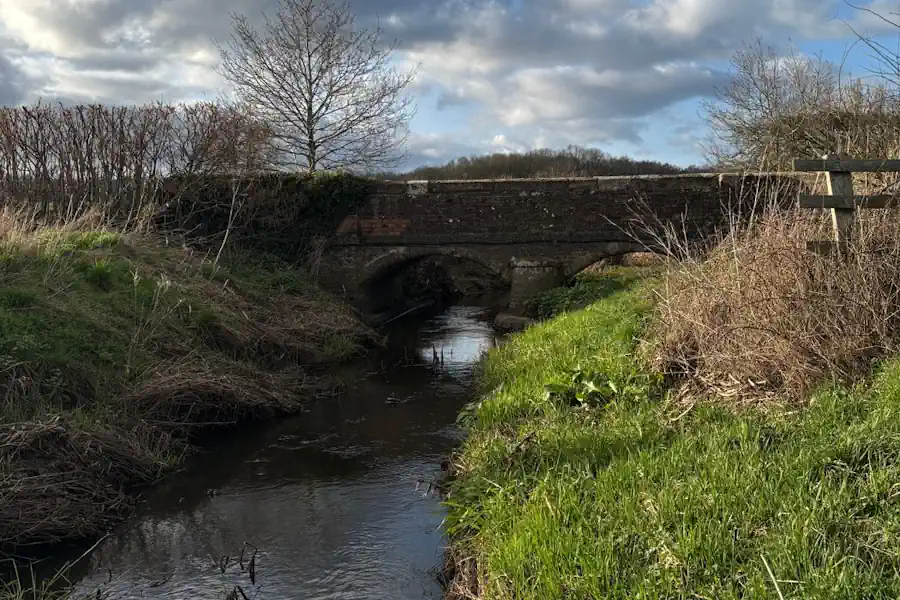
Shavington Estate
Shavington Estate
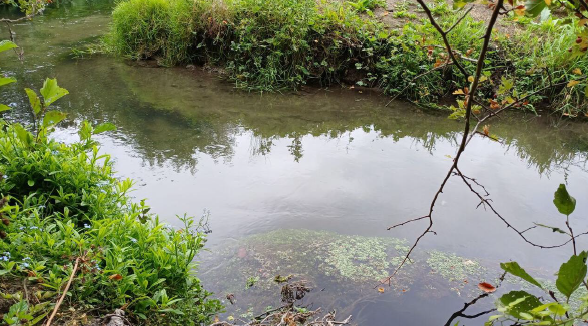
Hurst Farm
Hurst Farm
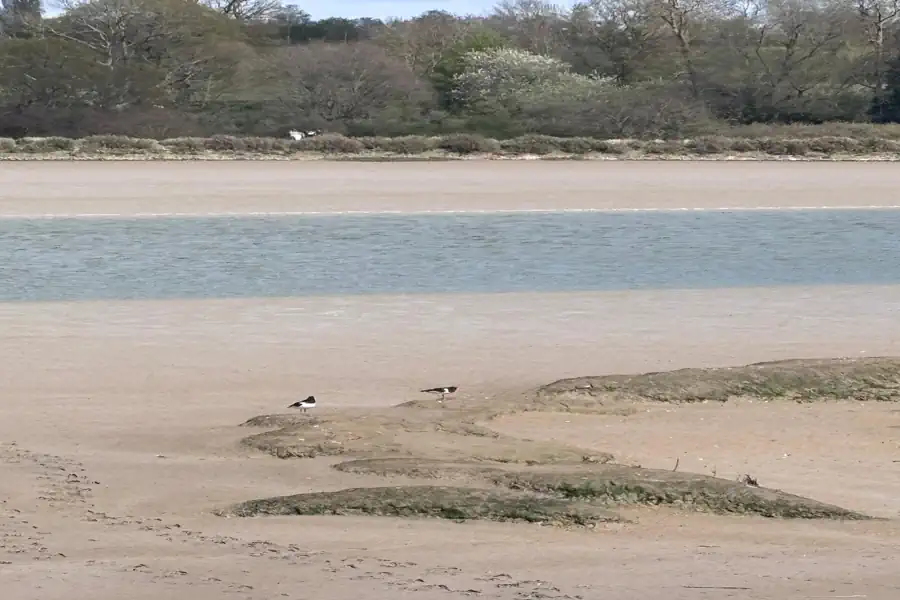
Essex BNG at Priors Farm
Essex BNG at Priors Farm

Somerset BNG Scheme
Trinity Farm & Eastcombe Fields
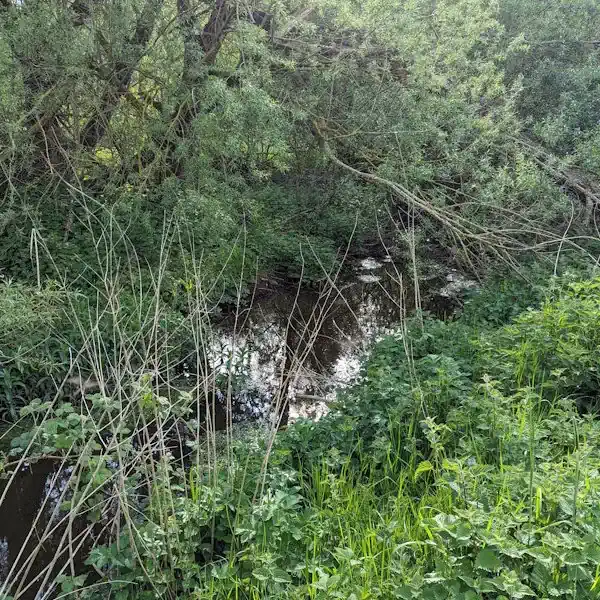
Tees Nutrient Mitigation
Tees Nutrient Mitigation Scheme
.jpg)
Wiltshire BNG at Lydeway
Land at Lydeway
.jpg)
Herefordshire BNG at Hampton Wafre
Hampton Wafre Farm
Are you looking to start a BNG scheme?
Talk to Greenshank and explore the opportunities we offer through your land.
Latest News
A step-by-step guide for landowners looking to sell their land as BNG units, and how Greenshank can help at every stage of the process.
.webp)
Find out how biodiversity net gain legislation works under the Environment Act 2021, what it requires, and which developments are exempt.
Find out how nutrient mitigation schemes work for landowners, how nutrient credits are generated, and how to combine nutrient and BNG income.