
County Durham LPA BNG
Biodiversity Net Gain in County Durham, from the North Pennines to the magnesian limestone coast. Expert BNG support and access to local BNG units.
.webp)
.avif)
Trusted by Developers and Landowners







Biodiversity Net Gain in County Durham Local Planning Authority
County Durham runs from the North Pennines National Landscape in the west, through Teesdale and Weardale, to the magnesian limestone plateau and coast in the east. Upper Teesdale holds blanket bog at High Cotherstone Moor and Cow Green Reservoir, and Hannah’s Meadow in Baldersdale is a surviving upland hay meadow. Thrislington National Nature Reserve has the most extensive stand of unimproved magnesian limestone grassland in Britain, and Castle Eden Dene is an ancient wooded valley running to the coast. The council counts 88 SSSIs, 6 Special Areas of Conservation, 3 Special Protection Areas, 2 Ramsar sites, 308 Local Wildlife Sites and 50 Local Nature Reserves, but woodland covers only about 9% of the county, against about 14% for the UK.
Biodiversity Net Gain became a legal requirement for major developments in England on 12 February 2024, and for small sites on 2 April 2024. The County Durham Plan was adopted on 21 October 2020 and Policy 41 covers biodiversity net gain. The council adopted its Biodiversity Supplementary Planning Document on 4 April 2025. It encourages applicants to exceed 10% but sets no higher threshold, requires on-site delivery before off-site, and allows national statutory credits only as a last resort when there is no local market. The County Durham Local Nature Recovery Strategy was approved by Cabinet on 18 March 2026 and applies a 15% uplift to units for habitat measures in its mapped areas.
The council is not currently accepting registrations of interest for new off-site BNG sites and directs applicants to agreements with designated responsible bodies; sites must otherwise be secured for 30 years by a section 106 agreement or conservation covenant. Nutrient neutrality adds a second test. Part of the county lies in the River Tees catchment of the Teesmouth and Cleveland Coast SPA and Ramsar site, where Natural England’s March 2022 advice applies with no size threshold, so even a single house may need screening. Small eastern parts of the River Eden SAC catchment also fall within the county.
Habitats in County Durham Local Planning Authority
.avif)
County Durham’s habitats run from upland bog and hay meadow in the west to magnesian limestone grassland and wooded denes in the east.
- Ancient Woodland and Wood Pasture: ancient woodland is about 20% of the county’s woodland, and veteran oaks survive in the parkland at Auckland Castle Park and Raby Castle.
- Blanket Bog: high-quality examples at High Cotherstone Moor in Teesdale, and Stanley Moss near Stanley Crook, an 18-hectare lowland blanket bog under restoration.
- Hedgerows: about 21% lost since 1979, and about 800 kilometres of field boundaries lost to opencast mining.
- Lowland Heathland: small patches at Greencroft and Langley Moor in the Durham Coalfield.
- Magnesian Limestone Grassland: Thrislington National Nature Reserve and Cassop Vale SSSI, with bird’s-eye primrose and orchids at the edge of their range.
- Ponds, Oxbows and Reedbeds: Brasside Ponds SSSI, Butterby Oxbow SSSI south of Durham, and the reedbeds and ponds of Low Barns Nature Reserve.
- Rivers (Tees, Wear and Derwent): migratory salmon and sea trout in the Wear and Derwent, and the Tees through Teesdale.
- Upland Hay Meadows and Calcareous Grassland: Hannah’s Meadow in Baldersdale, and the species-rich calcareous grassland of Upper Teesdale.
County Durham LPA BNG Planning
To achieve Biodiversity Net Gain (BNG) in County Durham, priority habitats like upland heath, limestone grasslands, ancient woodlands, and rivers are essential to protect and enhance. Restoration or creation of these high distinctiveness habitats is encouraged and delivers the most substantial biodiversity uplift, although it also carries stricter regulatory requirements under the BNG metric.
Developers can also make a positive impact by improving lower distinctiveness habitats like agricultural land and modified grassland. Strategies such as creating field margins, enhancing hedgerows, and restoring wetland features offer practical solutions for on-site or local BNG contributions.

Durham
Bishop Auckland
Consett
Peterlee
Newton Aycliffe
Chester-le-Street
Stanley
Seaham
Spennymoor
Crook
Get notified of a scheme
We do not currently have any schemes covering this LPA.
Get notified when a scheme is available in this area.
Discover Schemes in
County Durham LPA
LPA
Restoring ecosystems and creating sustainable habitats
through BNG and nutrient mitigation.
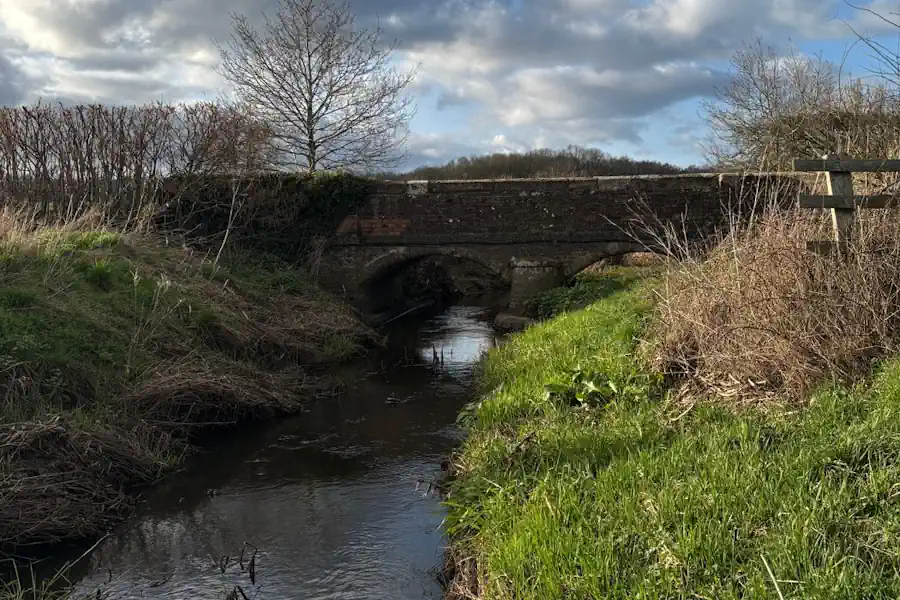
Shavington Estate
Shavington Estate
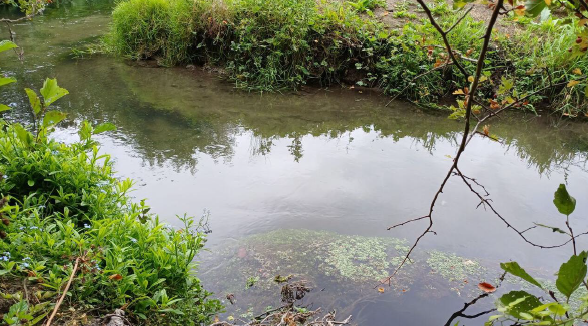
Hurst Farm
Hurst Farm
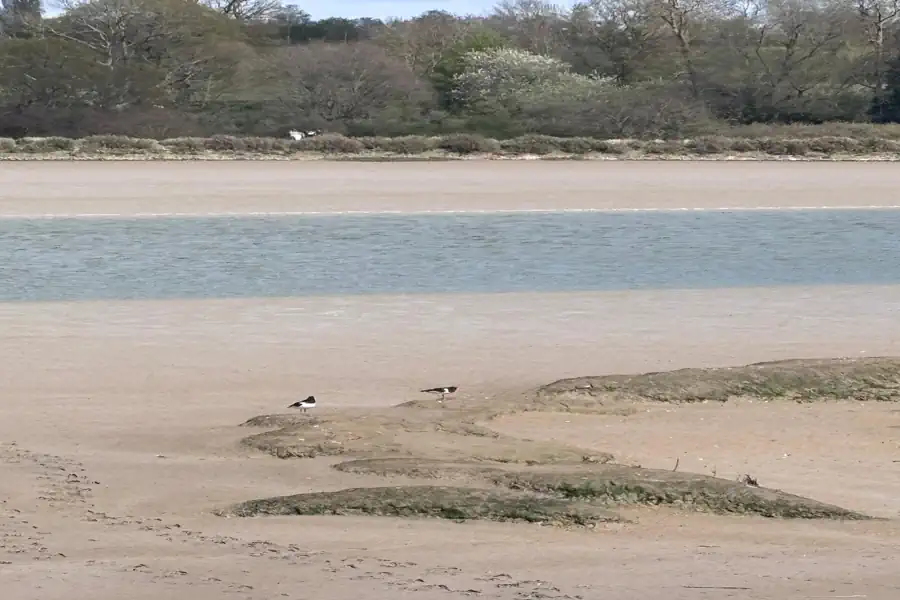
Essex BNG at Priors Farm
Essex BNG at Priors Farm

Somerset BNG Scheme
Trinity Farm & Eastcombe Fields
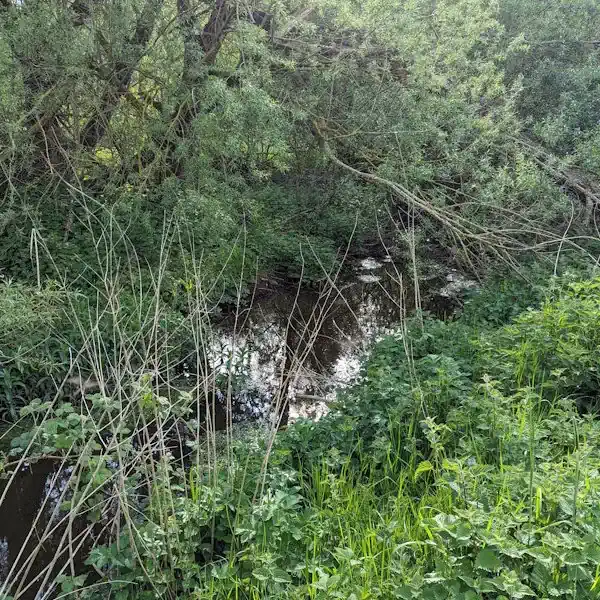
Tees Nutrient Mitigation
Tees Nutrient Mitigation Scheme
.jpg)
Wiltshire BNG at Lydeway
Land at Lydeway
.jpg)
Herefordshire BNG at Hampton Wafre
Hampton Wafre Farm
Are you looking to start a BNG scheme?
Talk to Greenshank and explore the opportunities we offer through your land.
Latest News
A step-by-step guide for landowners looking to sell their land as BNG units, and how Greenshank can help at every stage of the process.
.webp)
Find out how biodiversity net gain legislation works under the Environment Act 2021, what it requires, and which developments are exempt.
Find out how nutrient mitigation schemes work for landowners, how nutrient credits are generated, and how to combine nutrient and BNG income.