
Westmorland and Furness BNG
Explore BNG rules, habitats, and opportunities in Westmorland and Furness LPA. Learn how to meet biodiversity requirements in planning and development.

.avif)
Trusted by Developers and Landowners







Biodiversity Net Gain in Westmorland and Furness Local Planning Authority
Westmorland and Furness is a unitary authority in North West England, formed in 2023. It encompasses a vast and diverse landscape that includes parts of the Lake District and Yorkshire Dales National Parks, the Furness Peninsula, Eden Valley, and extensive upland and lowland areas. The authority includes key settlements such as Barrow-in-Furness, Kendal, Penrith, and Ulverston.
Under the Environment Act 2021, Westmorland and Furness Council requires most development proposals to deliver a minimum of 10% Biodiversity Net Gain (BNG). This can be achieved through on-site habitat creation or enhancement, or via off-site biodiversity units and credits.
The region spans several National Character Areas (NCAs), including Cumbria High Fells, Eden Valley, and West Cumbria Coastal Plain. These areas support diverse habitats such as blanket bogs, upland heath, lowland meadows, ancient woodlands, rivers, estuaries, and grazed pastures. Species of conservation concern include curlew, otter, red squirrel, great crested newt, and native orchids.
Effective BNG planning in Westmorland and Furness focuses on peatland restoration, protection of species-rich grasslands, enhancement of woodland corridors, and maintaining connectivity between upland and lowland habitats.
We provide comprehensive BNG assessments, habitat condition surveys, and metric calculations tailored to the varied environments across this large authority area.
Habitats in Westmorland and Furness Local Planning Authority
.avif)
The area’s mix of upland, wetland, and coastal habitats supports high biodiversity value.
Upland and Moorland Habitats
Blanket Bog and Upland Heath: Found in the fells, critical for biodiversity and carbon storage.
Acid and Calcareous Grasslands: Occur on valley slopes and upland edges, supporting rare plants and pollinators.
Woodland Habitats
Ancient Semi-Natural Woodland: Present throughout the Eden Valley and Lake District fringes, home to red squirrels and woodland birds.
Riparian and Wet Woodland: Found along rivers and streams, providing key habitat for amphibians and invertebrates.
Wetland and Watercourse Habitats
Rivers and Streams: Including the Eden, Kent, and Leven, supporting otters, salmon, and freshwater mussels.
Mires, Springs, and Ponds: Supporting dragonflies, mosses, and breeding amphibians.
Coastal and Estuarine Habitats
Saltmarsh and Coastal Grazing Marsh: Found along the Furness Peninsula, important for wading birds and wildfowl.
Shingle and Intertidal Mudflats: Highly productive habitats for invertebrates and birds.
Farmland and Linear Habitats
Improved Pasture and Leys: Offer BNG potential via field margin planting and wildflower buffer zones.
Species-Rich Hedgerows and Stone Walls: Provide connectivity across rural landscapes.
Westmorland and Furness BNG Planning
High distinctiveness habitats such as blanket bogs, saltmarshes, rivers, and ancient woodland require protection and restoration-focused BNG strategies.
Lower distinctiveness habitats like improved grassland and hedgerows offer scalable opportunities for habitat creation and biodiversity uplift on development sites.

Barrow-in-Furness
Kendal
Penrith
Ulverston
Get notified of a scheme
We do not currently have any schemes covering this LPA.
Get notified when a scheme is available in this area.
Discover Schemes in
Westmorland and Furness LPA
LPA
Restoring ecosystems and creating sustainable habitats
through BNG and nutrient mitigation.
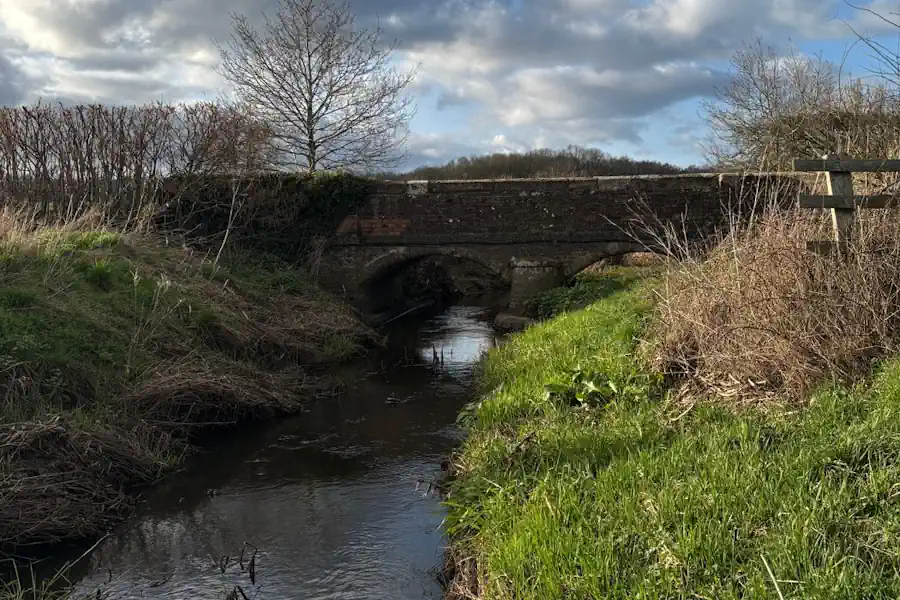
Shavington Estate
Shavington Estate
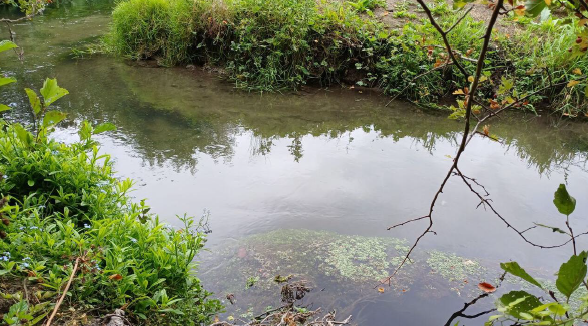
Hurst Farm
Hurst Farm
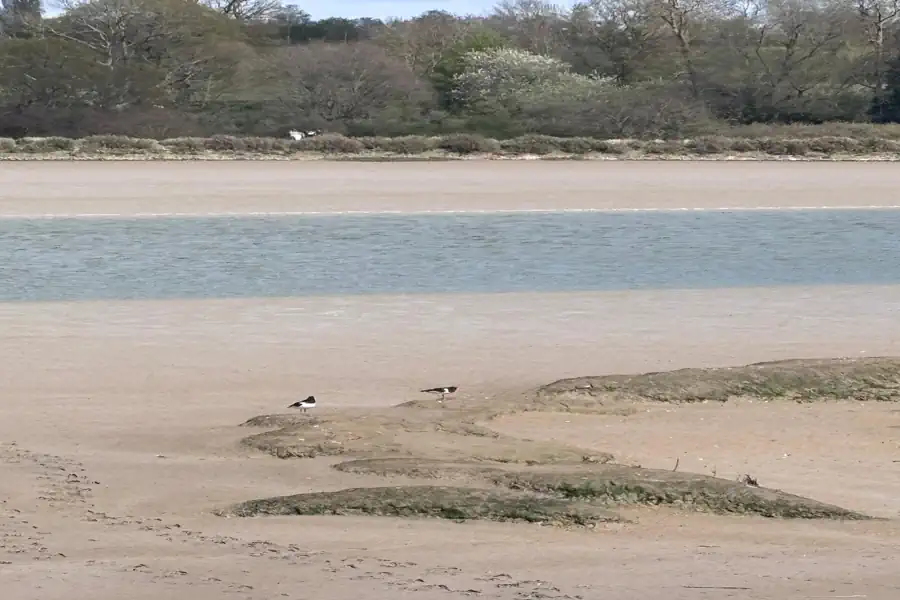
Essex BNG at Priors Farm
Essex BNG at Priors Farm
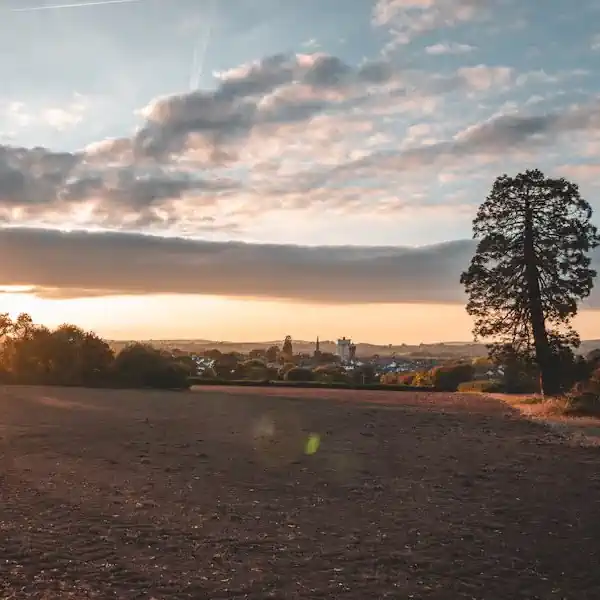
Somerset BNG Scheme
Trinity Farm & Eastcombe Fields
Tees Nutrient Mitigation
Tees Nutrient Mitigation Scheme
.jpg)
Wiltshire BNG at Lydeway
Land at Lydeway
.jpg)
Herefordshire BNG at Hampton Wafre
Hampton Wafre Farm
Are you looking to start a BNG scheme?
Talk to Greenshank and explore the opportunities we offer through your land.
Latest News
A step-by-step guide for landowners looking to sell their land as BNG units, and how Greenshank can help at every stage of the process.
.webp)
Find out how biodiversity net gain legislation works under the Environment Act 2021, what it requires, and which developments are exempt.
Find out how nutrient mitigation schemes work for landowners, how nutrient credits are generated, and how to combine nutrient and BNG income.