
Examples of How Biodiversity Net Gain Can Be Achieved in the UK

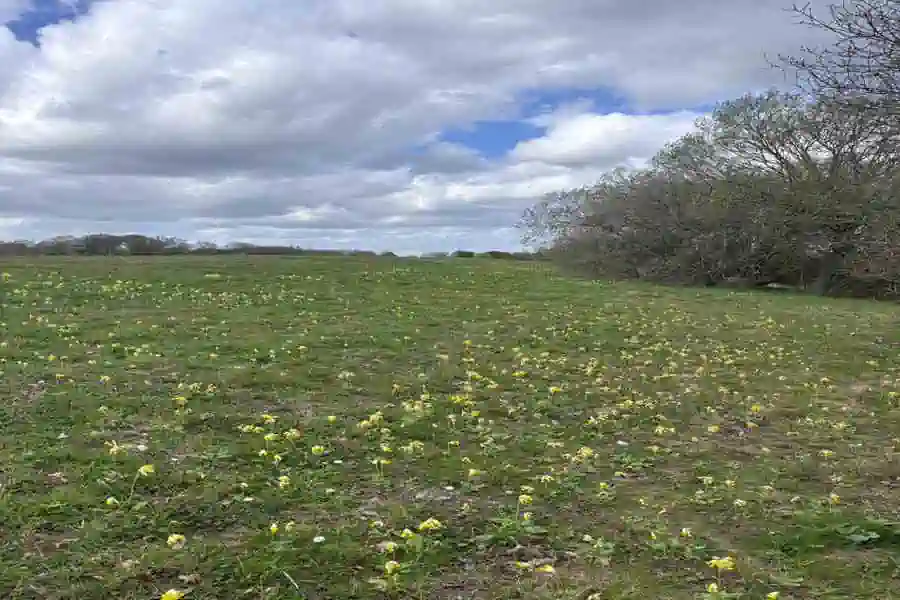
Since biodiversity net gain (BNG) became mandatory in England in 2024,1 developers of most projects (exemptions are listed on gov.uk)2 must deliver a minimum 10% improvement to habitats in and around their building projects.
The most appropriate approach depends on the development type, the habitats present on site, and the local ecological context. But because there is no one-size-fits-all solution, nothing is off the table.
That means landowners, ecologists and developers have been finding increasingly practical and creative ways to meet the legally required BNG threshold, and the environment will reap the benefits for decades to come.
This guide looks at some real-world examples of how BNG is being delivered across England, covering both on-site measures and the off-site habitat banking approach.
On-Site Biodiversity Net Gain: What Developers Are Doing
Ideally, any development would have zero impact on the environment. The mitigation hierarchy, as detailed in the National Planning Policy Framework,3 and which should be followed at the start of every development, makes it a priority.
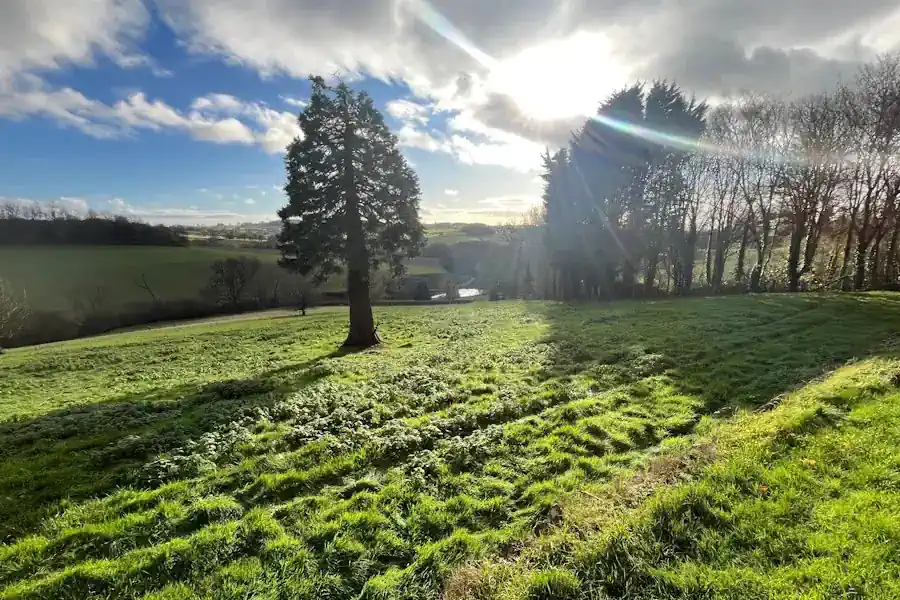
For developments whose effect on habitat is unavoidable but can mitigate that impact, the biodiversity gain hierarchy4 requires on-site gains to be prioritised, before turning to off-site solutions.
Projects that qualify as 'minor' sites are able to consider on- and off-site biodiversity net gain options at the same time, as long as no priority habitat is affected.5
For many developments, the biodiversity hierarchy and BNG has driven genuinely innovative design thinking. Nature has been incorporated in ways that deliver both ecological value and quality of life for residents and occupiers.
Species-Rich Grassland in Public Open Space
One of the most common on-site biodiversity net gain measures for residential developments is the creation of species-rich grassland in a public, open space.
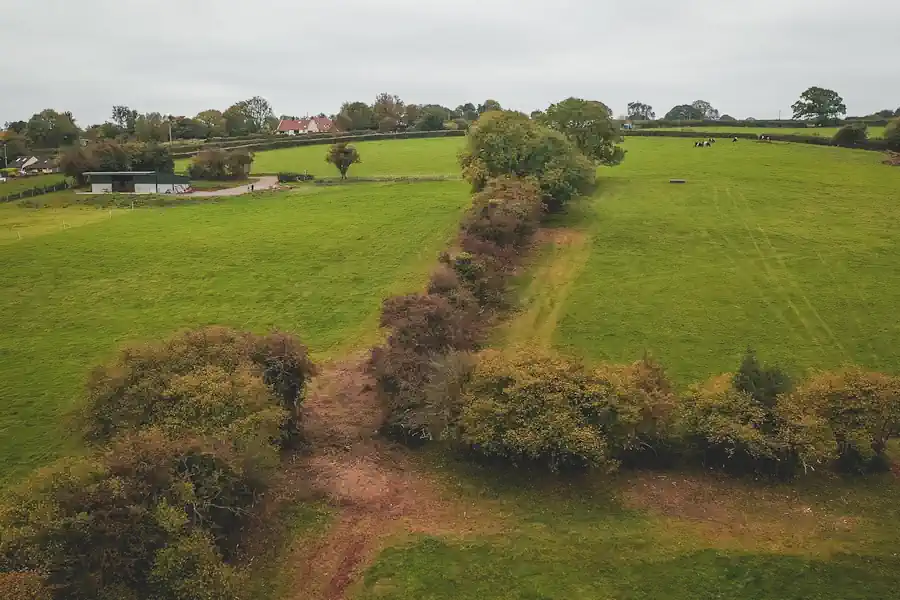
Rather than sticking to regularly mown, amenity grass, developers are seeding wildflower meadows,6 often with native species.7 As well as being attractive, this sort of uplift is great for pollinators, helps boost the number of native plant species, and is cost-effective to maintain in the long term.
Best of all, the statutory biodiversity metric scores species-rich grasslands as high distinctiveness, compared to the low-distinctiveness modified grassland they replace.
Native Hedgerow Planting and Hedgerow Enhancement
The statutory biodiversity metric scores hedgerows separately to area habitat8 and those with trees and a ditch or bank rank as the most distinctive. But species-rich hedgerows, without trees and with or without a ditch or bank, can be just as ecologically valuable.
Retaining or enhancing hedgerows, such as broadening them, removing invasive species, or filling in missing sections, can contribute significantly to a project's net gain calculation, particularly if the existing hedgerows are in poor condition.
New hedgerow planting, whether it links existing habitat features within a site or to features beyond the development boundary, can also score well, thanks to their ecological connectivity.
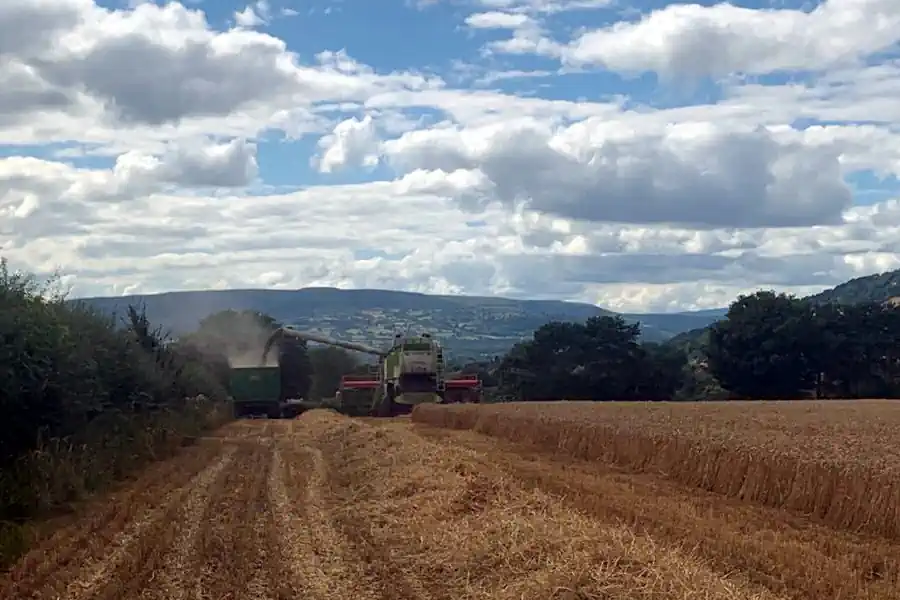
Find out more about native hedgerows and BNG.
Sustainable Drainage Systems (SuDS) Incorporating Habitat Features
Sustainable drainage systems (SuDS) are now a standard planning requirement on many development sites.
Designed to manage stormwater locally and work in the same way as natural drainage,9 ecologically designed SuDS can also be effective biodiversity net gain features.
In the statutory biodiversity metric tool, a SuDS scheme including a permanent pond with marginal vegetation, wet meadow areas and scrub fringing, would count as a watercourse or freshwater habitat feature.10 As such, it would generate more biodiversity units than a purely engineered drainage solution.
SuDS schemes with genuine ecological design at their core prove that good drainage and genuine biodiversity uplift can be achievable in one project.
Green Roofs and Green Walls
For some commercial and urban developments, or nationally significant infrastructure projects (NSIPs), green roofs and green (sometimes known as 'living') walls are a meaningful biodiversity net gain tool.11
.webp)
Urban green walls have low distinctiveness in the statutory biodiversity metric tool, but a biodiverse green roof is classed as medium distinctiveness, and can be a potentially creative opportunity for developers in their designs.
Woodland Retention and Understorey Enhancement
In the Environmental Targets (Woodland and Trees Outside Woodland) (England) Regulations 2023,12 the government pledged that, by 31 December 2050, at least 16.5% of all land in England would be covered by woodland and trees outside woodland.
Biodiversity net gain is supporting that ambition, with most types of woodland given medium to very high distinctiveness in the statutory biodiversity metric tool.
Development sites that include or incorporate semi-natural woodland often have such on-site biodiversity value that can contribute substantially to the net gain calculation.
Seeing the wood for the trees, developers and ecologists have discovered that retained and enhanced woodland, carefully managed to ensure the understorey structure thrives, and non-native species are removed, often represents the most ecologically efficient way to demonstrate net gain on a site.
.webp)
Find out more about our orchards.
Off-Site Habitat Banking: How It Works in Practice
Where on-site measures alone cannot achieve the required 10% minimum biodiversity net gain, developers can turn to off-site habitat banks listed on the biodiversity gain sites register.13
These are sites which landowners have created or enhanced habitat, specifically to generate biodiversity units that developers can buy to discharge their off-site BNG obligations.
Habitat banking has grown rapidly since mandatory biodiversity net gain took effect, with a national network of good-quality schemes now available.
Lowland Grassland Restoration
Converting improved or modified grassland to species-rich lowland meadow is one of the most common habitat banking approaches for landowners.
Arable or heavily fertilised grassland has a low baseline unit value, so converting it to a species-rich sward can substantially increase its BNG unit value.
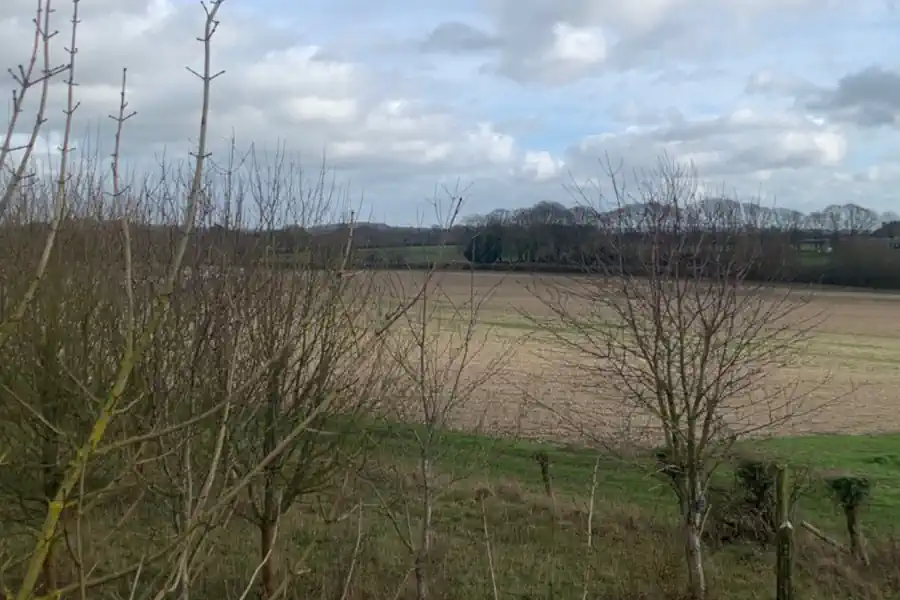
In addition, the legally mandated, minimum 30-year management will progressively increase the habitat's condition score within the statutory biodiversity metric tool, as it matures.
Find out more about this Essex scheme.
Native Woodland Creation
Native woodland creation habitat banks generate higher biodiversity unit values per hectare than most other habitat types, reflecting their high distinctiveness within the statutory biodiversity metric tool.
Of course, tree-planting schemes take longer to reach target conditions than grassland, but the eventual unit yield makes native woodland creation one of the most valuable habitat banking investments there is.
Wetland Creation and Watercourse Restoration
Wetland habitat banks, including creating ponds, wet grassland, rush pasture, and fen communities, address a unit type that developers often need to source off-site.
While many development sites affect watercourse units, thanks to drainage modifications or culverting, finding like-for-like, off-site compensation can be a challenge.
More often than not, developers must source units registered specifically for freshwater and wetland habitats, and the spatial risk multiplier, which penalises long-distance solutions, hangs over the whole process.

Where hydrological conditions are right, wetland creation schemes can generate very high BNG unit values, given the high distinctiveness of these habitats in the statutory biodiversity metric tool.
Coastal and Estuarine Habitat Management
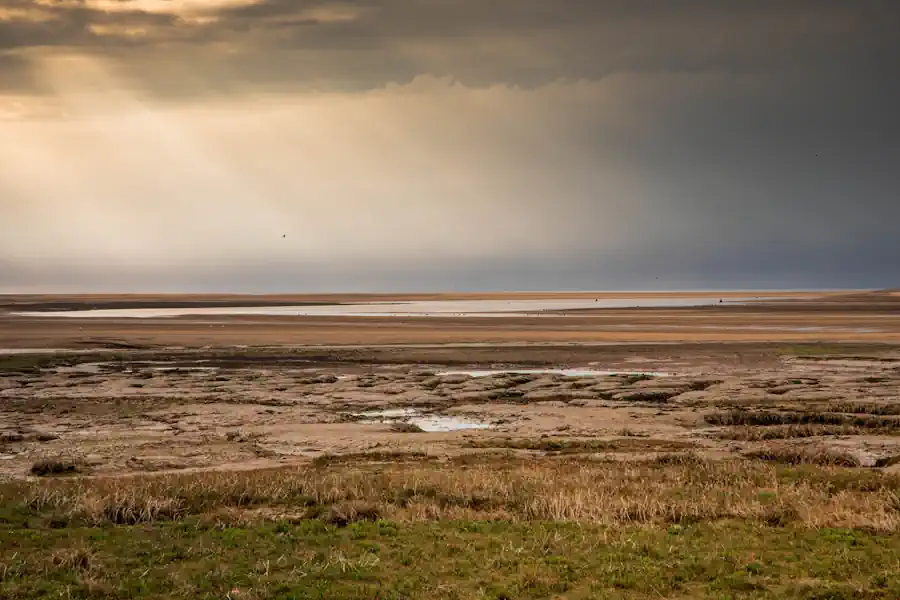
Coastal habitat banking, based on saltmarsh restoration, mudflat management, and dune enhancement, has evolved as a specialist area of the BNG market.
Some coastal and saltmarsh habitats are regarded as irreplaceable, while others range from low to very high distinctiveness. They are particularly relevant for major infrastructure projects.
Examples of Integrated Approaches
Strategic Housing Allocations with Landscape-Scale BNG
On large strategic housing allocations of several hundred or more buildings, some developers have taken a landscape-scale approach to biodiversity net gain.
Projects have included everything from native planting, SuDS features, retained woodland, and wildlife corridors.14
Done well, this integrated approach to BNG and development can exceed the 10% minimum net gain, and deliver robust, lasting green infrastructure that improves everyone's lives.
Commercial Development with Off-Site Habitat Bank Pairing
Commercial developments, particularly logistics and industrial sites, often face significant biodiversity challenges on-site.
Many of them meet their BNG requirements through a combination of modest on-site measures, enhanced planting, green roofs, and habitat features within landscaped areas, with off-site BNG units.
We operate a national network of habitat banks that commercial developers can access directly via an online marketplace. All units are legally secured and have all the documentation needed for planning submission. Find out more about buying BNG units.
Brownfield Regeneration and Pioneer Habitat
Brownfield sites present a particular biodiversity net gain challenge. These underused or abandoned sites are often home to medium distinctiveness habitats, such as open mosaic habitats of bare ground, ruderal vegetation, or scrub, that have developed over years.
Developers looking to regenerate brownfield sites must show how their design addresses the biodiversity value of these often underappreciated habitats, which can be genuinely significant.
.webp)
At the time of writing, the government was analysing responses to a two-month consultation, launched in April 2026, about the possibility of exemptions for some residential developments on brownfield sites.15
It sought opinions on "the definition of brownfield residential development, potential thresholds for an exemption, and identifying measures to ensure any exemption remains environmentally robust."16
Let Us Help You Achieve Your BNG Goals
If you are exploring how biodiversity net gain can be achieved on your development, or you need to source off-site units from a nationally registered habitat bank, talk to us.
Our team can connect you with suitable ecological consultants, and we operate habitat banks across England. We can quickly confirm what is available for your project.
If you're a landowner considering turning some of your land into a habitat bank, we can offer expert, unbiased advice on the best course of action for you.
Email us at sales@greenshank-environmental.com or fill in this contact form and we'll be in touch as soon as possible.
Sources
Related posts
Guidance on BNG, nutrient neutrality, and nature-based solutions for sustainable development.
Ready to buy your units?
Easily buy your BNG units online today to ensure compliance and positive environmental impact.