
Nutrient Neutrality in Somerset
Buy credits online from our innovative nutrient mitigation scheme.

Nutrient Neutrality in the Somerset Levels
Areas within the Rivers Tone, Parrett, Axe and Brue catchments are affected by Nutrient Neutrality due to excess phosphorus levels in the Somerset Levels designated site. This region includes the following Local Planning Authorities (LPAs)
South Somerset LPA
Somerset West and Taunton LPA
Sedgemoor LPANorth Somerset LPA
Mid Devon LPA
Mendip LPA
Exmoor National Park LPA
Dorset LPA
Wiltshire LPA
The affected areas in the Somerset Levels catchment cover a number of towns, including Taunton, Yeovil, Cheddar, Wellington, Glastonbury, Street, Shepton Mallett, Wells, Bruton, Axbridge, Crewkerne, Chard, Ilminster, Somerton and Langport.
A detailed map of the area is shown below, and we also have a full UK Nutrient Neutrality Map.

Somerset Levels and Moors Nutrient Neutrality Map
Areas within the Rivers Tone, Parrett, Axe and Brue catchments are affected by Nutrient Neutrality due to excess phosphorus levels in the Somerset Levels designated site. This region includes the following Local Planning Authorities (LPAs)
South Somerset LPA
Somerset West and Taunton LPA
Sedgemoor LPANorth Somerset LPA
Mid Devon LPA
Mendip LPA
Exmoor National Park LPA
Dorset LPA
Wiltshire LPA

Trusted by Developers and Landowners







Market Conditions (June 2024 update)
We would characterise the mitigation market in the catchment as reasonable. Some schemes are beginning to come online, there is still a limited supply of phosphorus credits. Mitigation is being priced ~£40,000 to £55,000/kg.
The area has a variety of levels of nutrient stripping technology at the wastewater treatment works for phosphorus. New houses currently require between < 0.1 kg to 0.89 kg of phosphorus mitigation per house This creates significant opportunities for landowners looking at mitigation schemes.
We forecast demand outstripping supply for at least the next year, despite new schemes coming online (see below).

Water Treatment Upgrades
There are approximately 71 wastewater treatment works in the Nutrient Neutrality area in Somerset. Two of these works are already at operating at technically achievable limits (TAL) for phosphorus removal. Over the current upgrade cycle (AMP7), running to 2025:
- 3 treatment works already have permits and are not being upgraded
- 19 treatment works are being upgraded to have phosphorus stripping technology with limits that are above TAL.
In order to meet the upgrade requirements that may be brought in under the Levelling Up and Regeneration Bill, referred to as the ‘TAL upgrades’, 25 treatment works will be upgraded to have phosphorus removal technologies by 2030. This means 46 treatment works will remain above the most stringent phosphorus removal requirements. Developments connecting to these treatment works will need more mitigation than those connecting to the 19 treatment works getting TAL upgrades.
As per our research into water treatment upgrades, we do not believe that it is likely that the water companies will be able to deliver all the upgrades in this cycle.

Buy BNG Units and Nutrient Credits
If you are considering a BNG or nutrient scheme, get in touch to understand how to ensure maximum benefit from your scheme.


Buy BNG Units
Buy BNG Units from one of our national network of habitat Banks. All are secured with Section 106 Agreements

On-site Nutrient Mitigation
Get best in class on-site nutrient reduction stratagy for your site and reduce you nutrirent credit costs.
Drainage Design
Our technical team can develop drainage plans ensuring best practice nutrient removal throughout.

Discover Our Projects
Restoring ecosystems and creating sustainable habitats
through BNG and nutrient mitigation.
.avif)
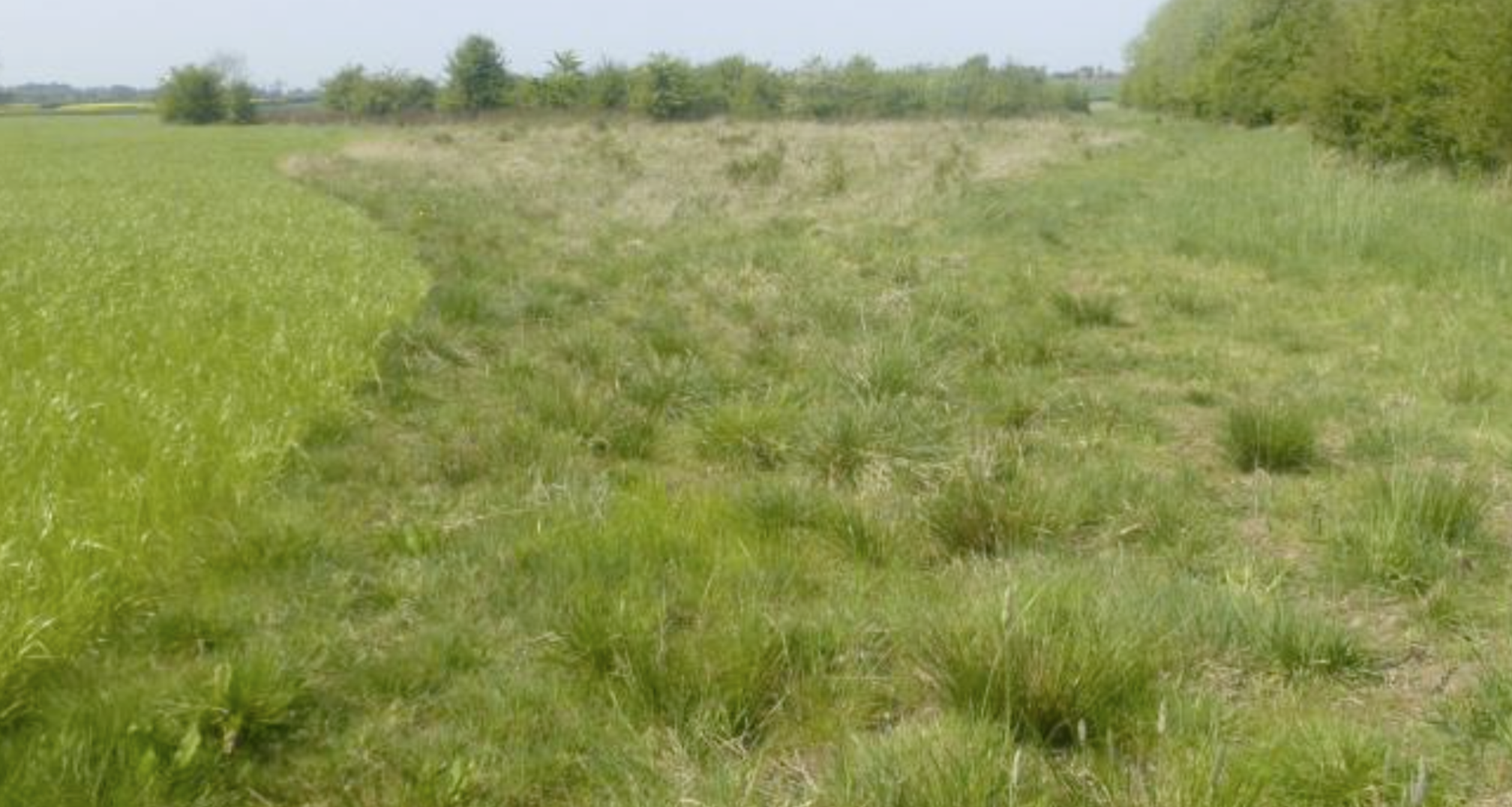
Nutrient Neutrality
Tees NN at Swinbank
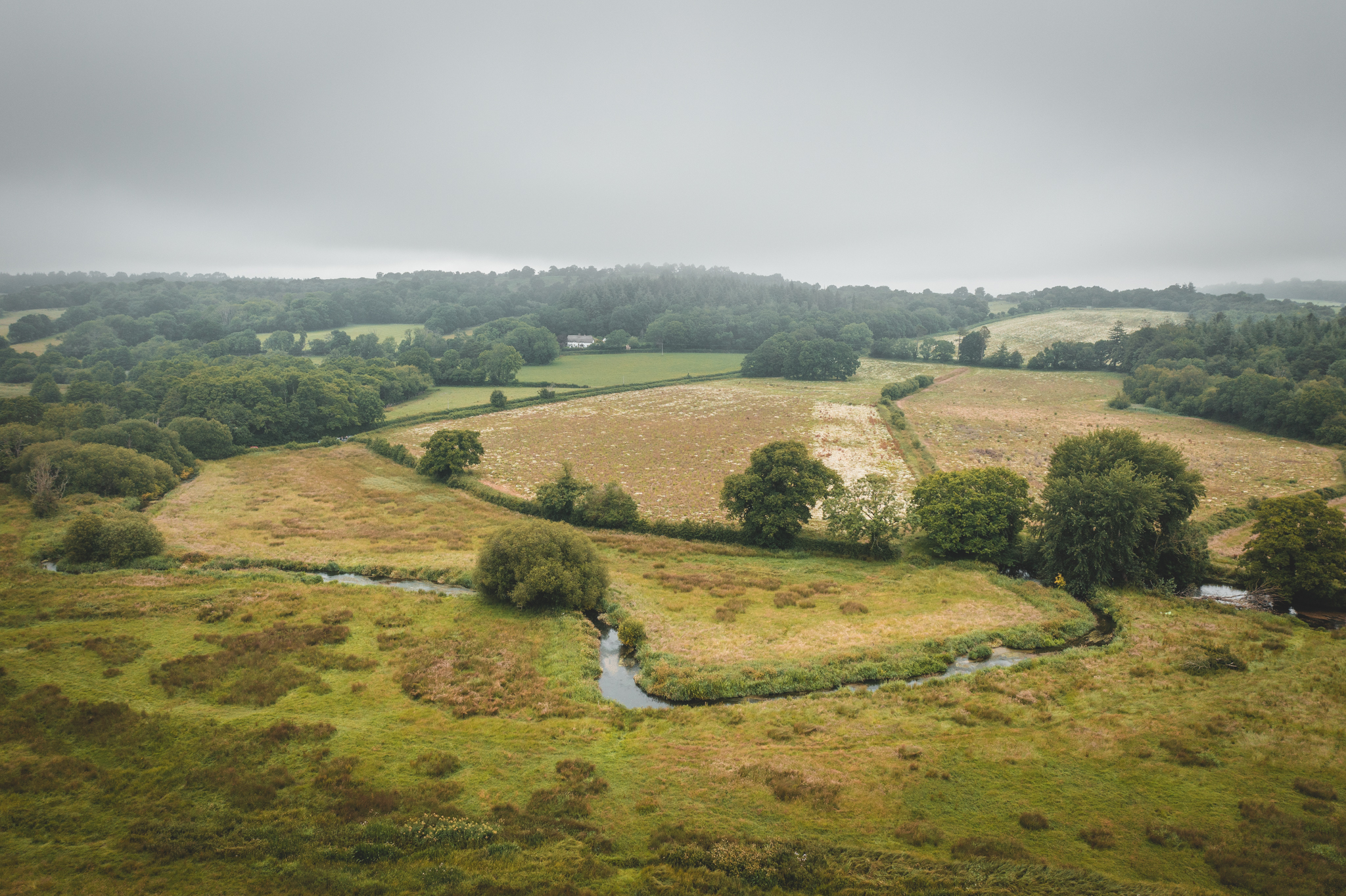
BNG
Dorset BNG at Piddle
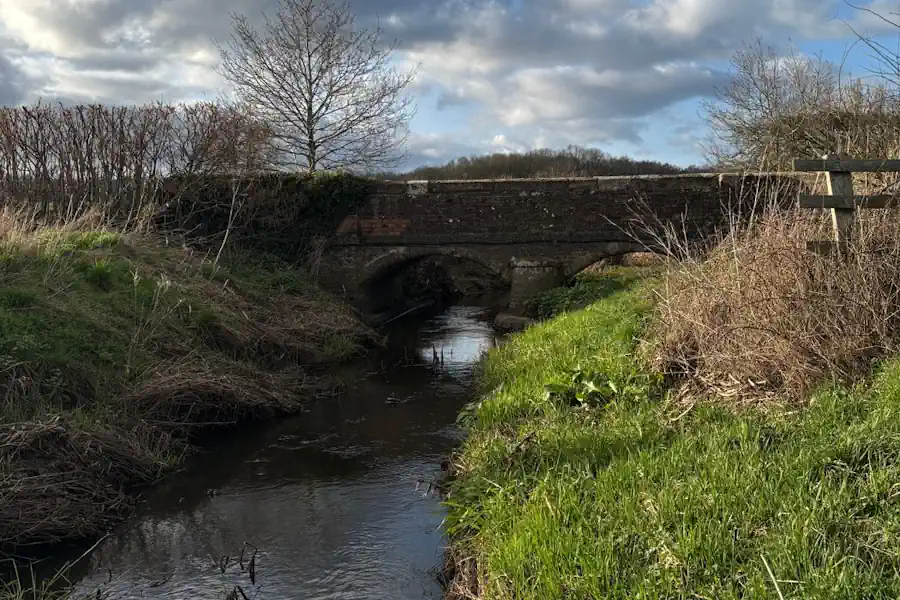
BNG
Shavington Estate
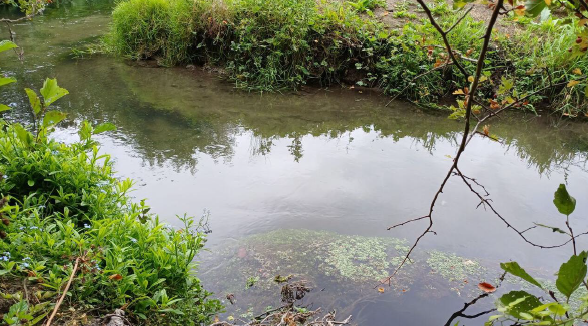
BNG
Hurst Farm
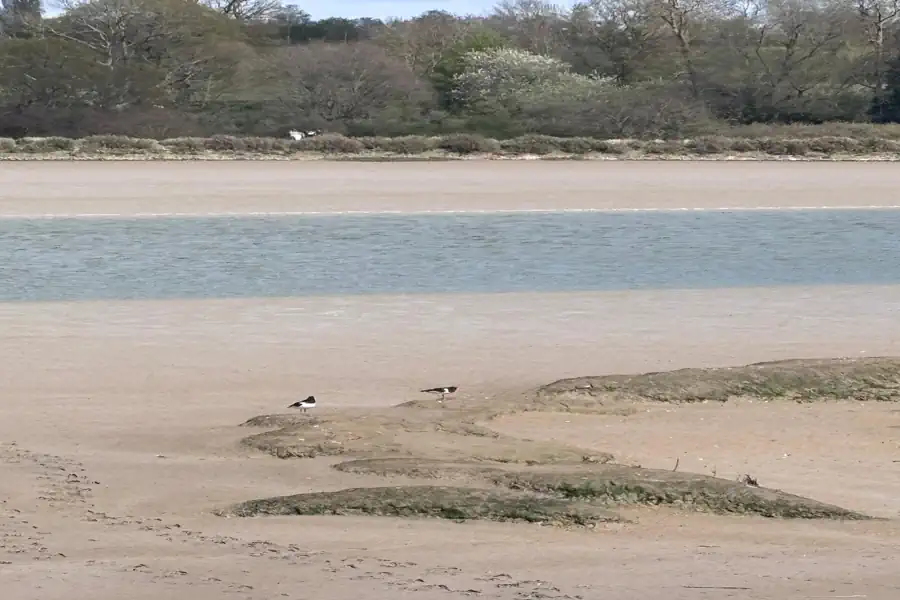
BNG
Essex BNG at Priors Farm

BNG
Somerset BNG Scheme
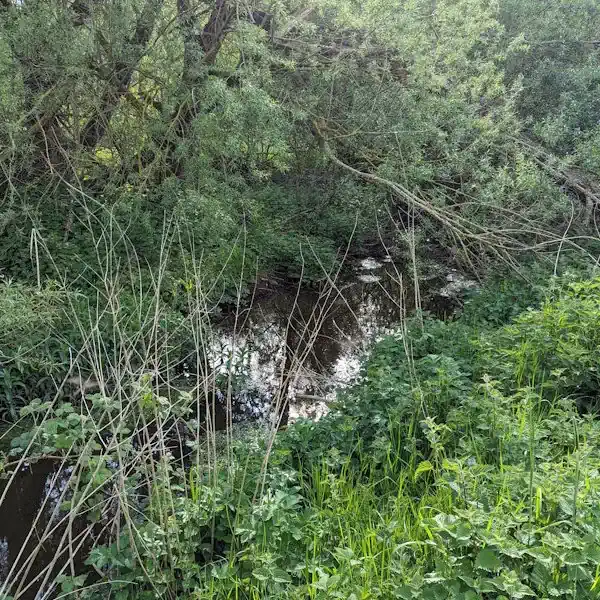
Nutrient Neutrality
Tees Nutrient Mitigation
Latest News
How Greenshank's BNG and nutrient neutrality solutions help developers stay compliant while meeting their planning needs.

How deforestation affects UK and global biodiversity - from habitat loss and species extinction to disrupted ecosystems - and how BNG can help.

Don't put your project at risk of delays. Ensure every box is ticked with our handy developer's checklist for BNG council submissions.