
Yorkshire Dales National Park BNG
Explore BNG rules, habitats, and opportunities in Yorkshire Dales National Park LPA. Learn how to meet biodiversity requirements in planning and development.

.avif)
Trusted by Developers and Landowners







Biodiversity Net Gain in Yorkshire Dales National Park
The Yorkshire Dales National Park, covering approximately 2,178 square kilometres across North Yorkshire and Cumbria, is characterised by its iconic limestone valleys, upland moorlands, hay meadows, and diverse river systems. The park is renowned for its rich cultural heritage, pastoral landscapes, and high biodiversity value.
Yorkshire Dales National Park Authority, as the planning body, enforces Biodiversity Net Gain (BNG) requirements in line with the Environment Act 2021. Most development proposals are required to achieve at least 10% BNG, delivered through on-site habitat enhancement, restoration, or off-site biodiversity credits.
Situated largely within the Yorkshire Dales National Character Area, the park supports important habitats such as limestone pavements, species-rich hay meadows, upland heath, and ancient woodland. These habitats provide refuge for species including black grouse, curlew, otter, and rare orchids.
Effective BNG implementation focuses on protecting and restoring upland heath, limestone grasslands, and hay meadows, alongside enhancing woodland and riparian corridors to strengthen ecological connectivity.
Our consultancy offers tailored BNG assessments, habitat surveys, and metric calculations specific to the upland and limestone-rich environment of the Yorkshire Dales.
Habitats in Yorkshire Dales National Park
.avif)
The park supports a range of priority habitats essential for BNG delivery.
Upland and Moorland Habitats
Heather Moorland and Upland Heath: Extensive upland areas supporting birds such as curlew and red grouse.
Acid Grassland: Found on upland fringes, important for pollinators and ground-nesting birds.
Limestone and Grassland Habitats
Limestone Pavement and Grassland: Characteristic rocky habitats rich in specialized plants and invertebrates.
Species-Rich Hay Meadows: Traditionally managed meadows with high botanical diversity supporting pollinators and farmland birds.
Woodland Habitats
Ancient Semi-Natural Woodland: Mixed broadleaved woodland providing habitat for bats, red squirrels, and woodland birds.
Riparian Woodland: Along rivers and streams, supporting aquatic and terrestrial species.
Wetland and Watercourse Habitats
Rivers and Streams: Habitat for fish, otters, and freshwater invertebrates.
Flushes and Springs: Peat-influenced wetlands supporting rare mosses and plants.
Yorkshire Dales National Park BNG Planning
High distinctiveness habitats such as upland heath, limestone pavements, and hay meadows require careful protection and restoration-focused BNG strategies.
Lower distinctiveness habitats like improved grassland and hedgerows offer opportunities for habitat creation and ecological connectivity enhancements.

Grassington
Reeth
Settle
Get notified of a scheme
We do not currently have any schemes covering this LPA.
Get notified when a scheme is available in this area.
Discover Schemes in
Yorkshire Dales National Park LPA
LPA
Restoring ecosystems and creating sustainable habitats
through BNG and nutrient mitigation.
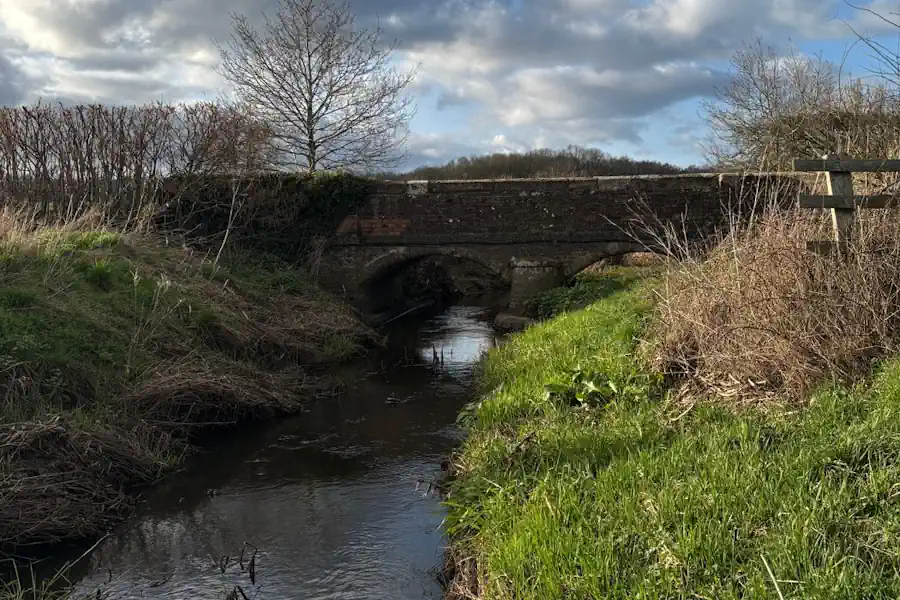
Shavington Estate
Shavington Estate
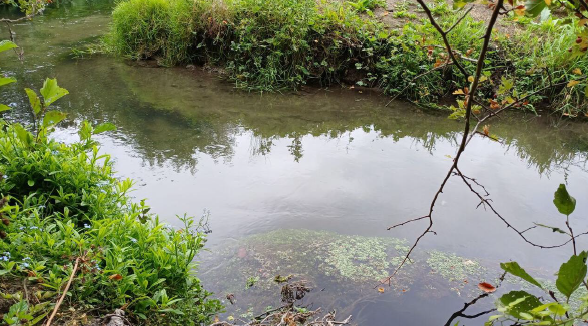
Hurst Farm
Hurst Farm
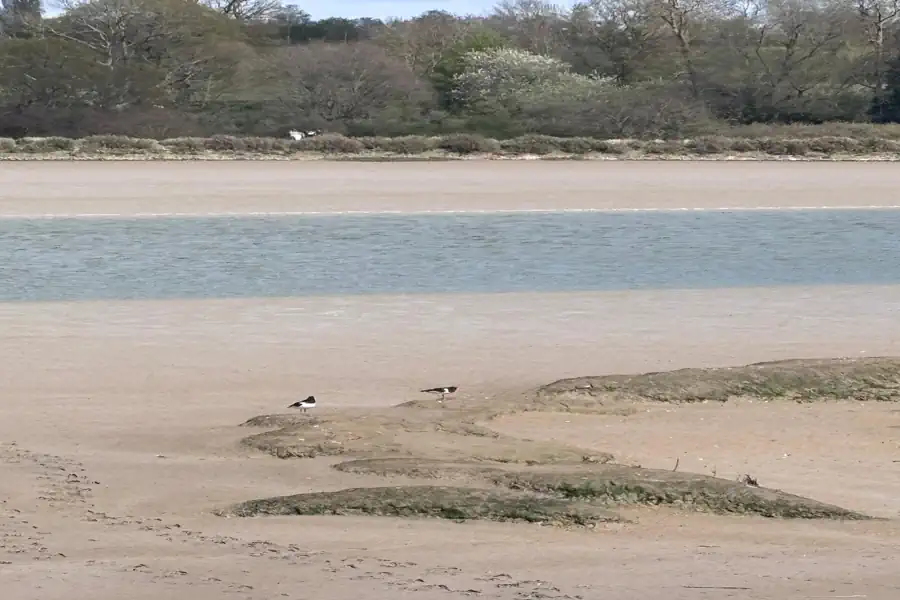
Essex BNG at Priors Farm
Essex BNG at Priors Farm
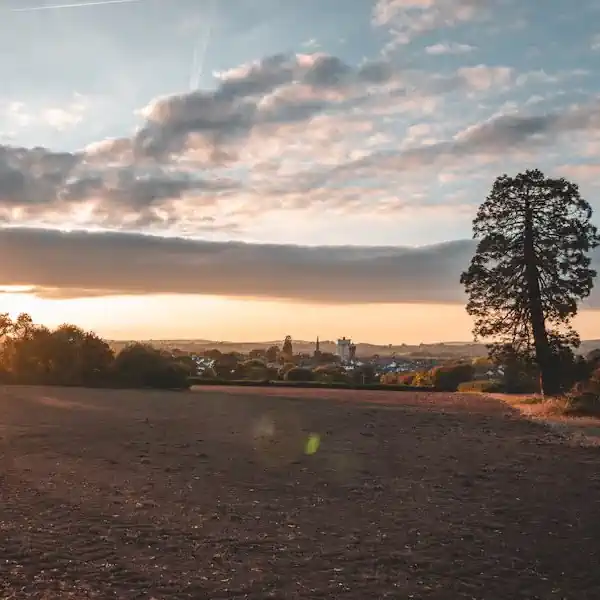
Somerset BNG Scheme
Trinity Farm & Eastcombe Fields
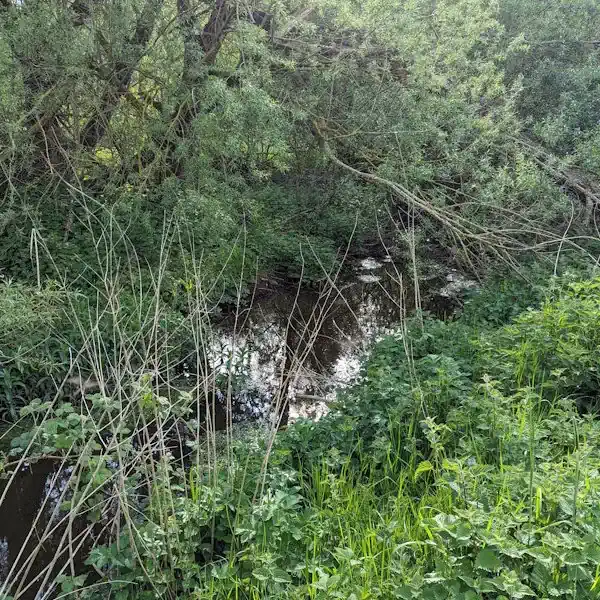
Tees Nutrient Mitigation
Tees Nutrient Mitigation Scheme
.jpg)
Wiltshire BNG at Lydeway
Land at Lydeway
.jpg)
Herefordshire BNG at Hampton Wafre
Hampton Wafre Farm
Are you looking to start a BNG scheme?
Talk to Greenshank and explore the opportunities we offer through your land.
Latest News
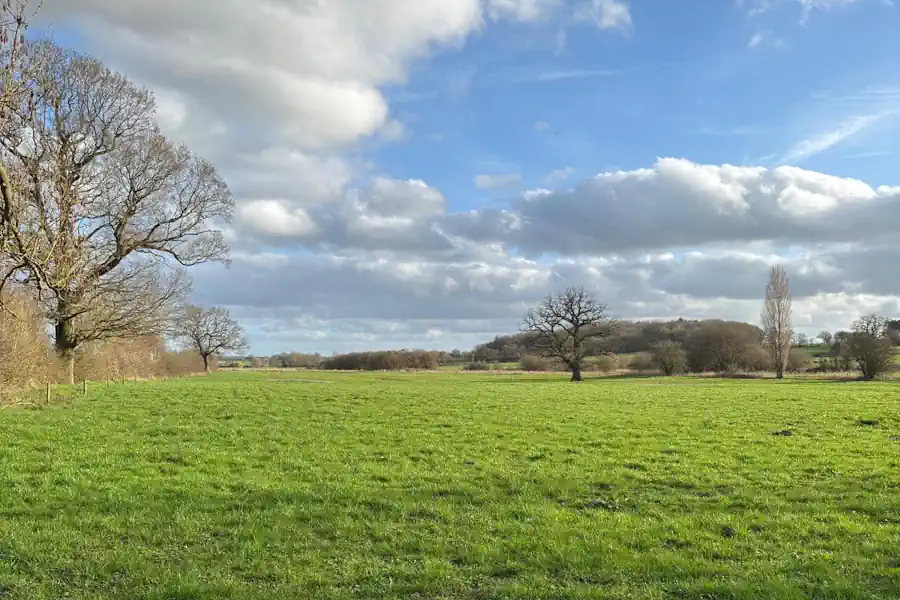
A step-by-step guide for landowners looking to sell their land as BNG units, and how Greenshank can help at every stage of the process.
.webp)
Find out how biodiversity net gain legislation works under the Environment Act 2021, what it requires, and which developments are exempt.
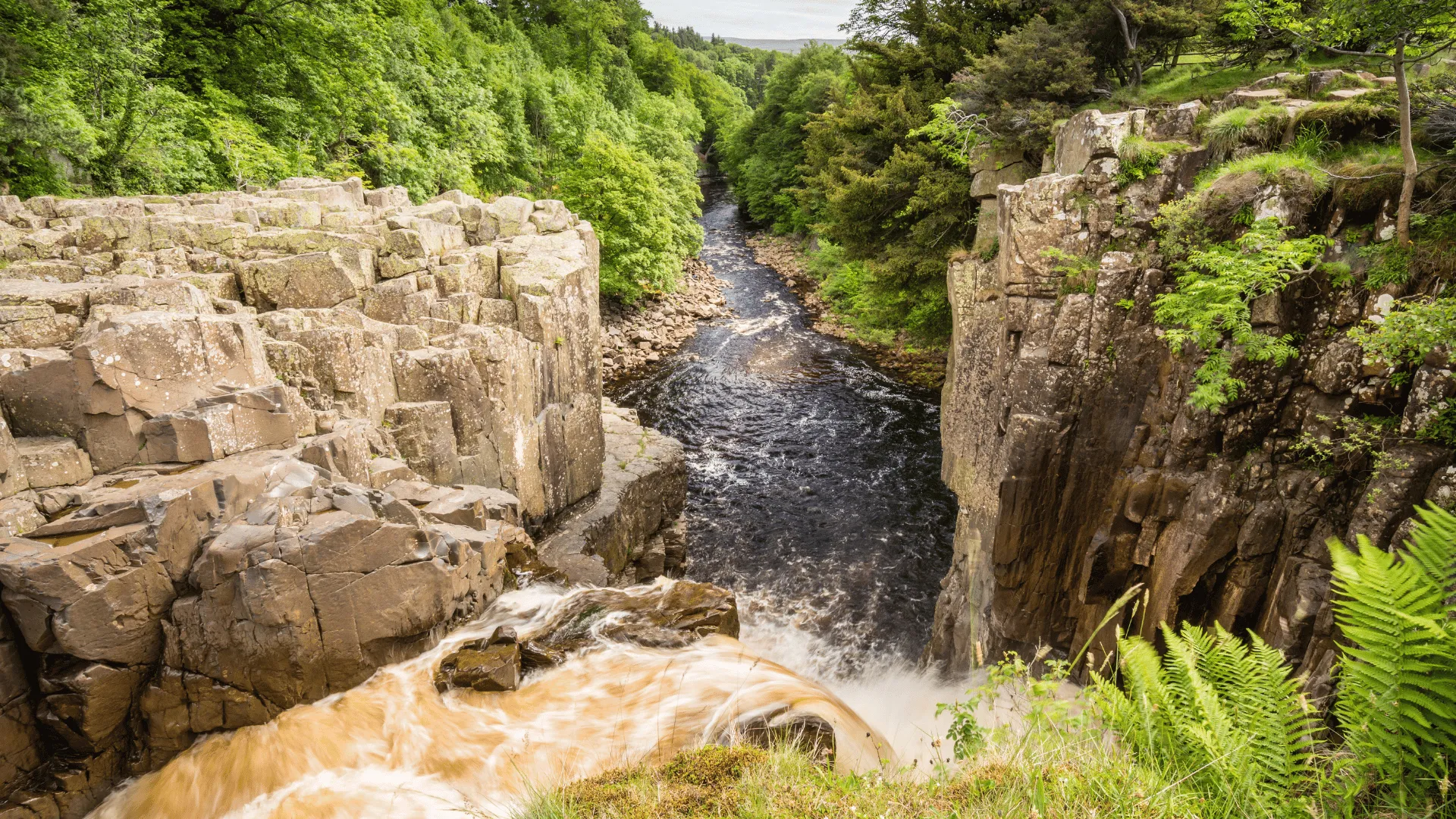
Find out how nutrient mitigation schemes work for landowners, how nutrient credits are generated, and how to combine nutrient and BNG income.