
Tendring LPA BNG
Biodiversity Net Gain in Tendring, from the Colne to the Stour. Expert BNG support and access to local BNG units through our Essex scheme.
.webp)
.avif)
Trusted by Developers and Landowners







Biodiversity Net Gain in Tendring Local Planning Authority
Tendring is the peninsula between the Stour and the Colne, with Colchester to the west and the North Sea to the east. Estuary shore, saltmarsh and arable farmland run from Manningtree to Brightlingsea, and the seaside towns of Clacton-on-Sea, Frinton-on-Sea and Walton-on-the-Naze sit on the open coast. Hamford Water, Colne Point and Holland Haven Marshes all lie within the district.
Biodiversity Net Gain became a legal requirement for major developments in England on 12 February 2024, and for small sites on 2 April 2024. Tendring helped write the Essex-wide BNG guidance published in November 2023, so developers here work to national policy and shared Essex guidance. The planned Tendring Colchester Borders Garden Community would bring around 7,500 homes to the border with Colchester, with a new country park and strategic green gaps written into its plan.
Off-site units are part of the picture. The council says it wants to work proactively with landowners to deliver habitat banks, and the Essex Local Nature Recovery Strategy flags land around Weeley as a priority for woodland creation.
Habitats in Tendring Local Planning Authority
.avif)
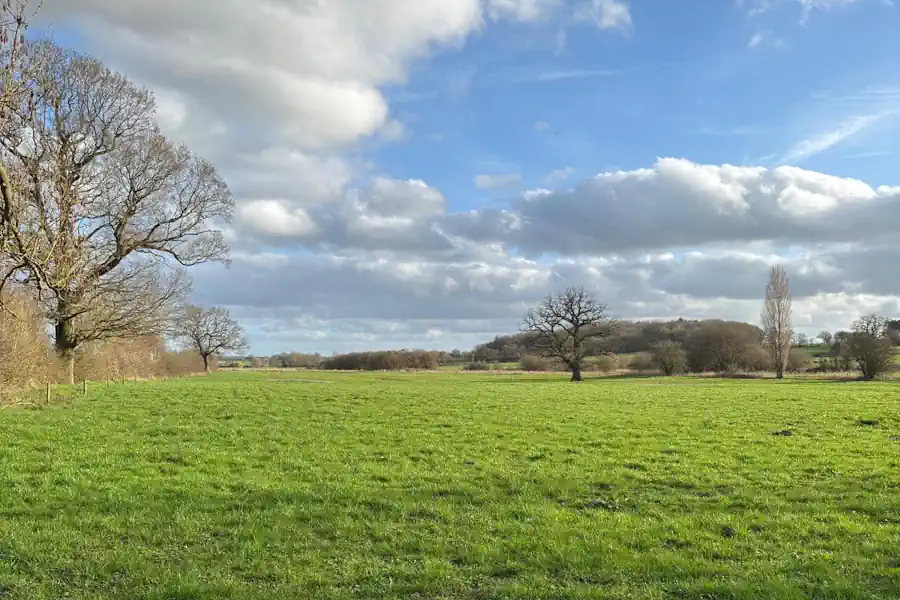
Tendring’s landscape runs from estuary shore to arable plateau.
- Ancient Woodland: Weeleyhall Wood, near Weeley, is a Site of Special Scientific Interest for its ancient woodland.
- Arable Land: much of the district is cereal crops or temporary grass and clover leys, with growing scope for arable field margins.
- Coastal Grassland and Saltmarsh: along the coast and estuaries, important feeding grounds for migratory birds.
- Ditches, Ponds and Reedbeds: scattered across the floodplains.
- Lowland Meadows: along river valleys and floodplains, valuable for invertebrates and ground-nesting birds.
- Modified Grassland: common in improved pastures and paddocks, of lower BNG value unless enhanced.
- Species-Rich Hedgerows: ecological corridors across the landscape.
- Wet Woodland: found in river valleys.
Tendring LPA BNG Planning
For BNG delivery in Tendring, high and very high distinctiveness habitats such as coastal grasslands, saltmarsh, lowland meadows, and priority rivers are particularly important to protect and enhance. Restoration or creation of such habitats provides the highest biodiversity uplift but also carries stricter requirements under the BNG metric.
Conversely, improving lower distinctiveness habitats, such as modified grassland or cropland through buffer planting, hedgerow enhancement, or field margin creation, offers practical options for on-site or local BNG contributions.
Off-site habitat creation or contributions to local habitat banks may also be necessary for larger developments.

Clacton-on-Sea
Harwich
Frinton-on-Sea
Walton-on-the-Naze
Manningtree
Brightlingsea
Get notified of a scheme
We do not currently have any schemes covering this LPA.
Get notified when a scheme is available in this area.
Discover Schemes in
Tendring LPA
LPA
Restoring ecosystems and creating sustainable habitats
through BNG and nutrient mitigation.
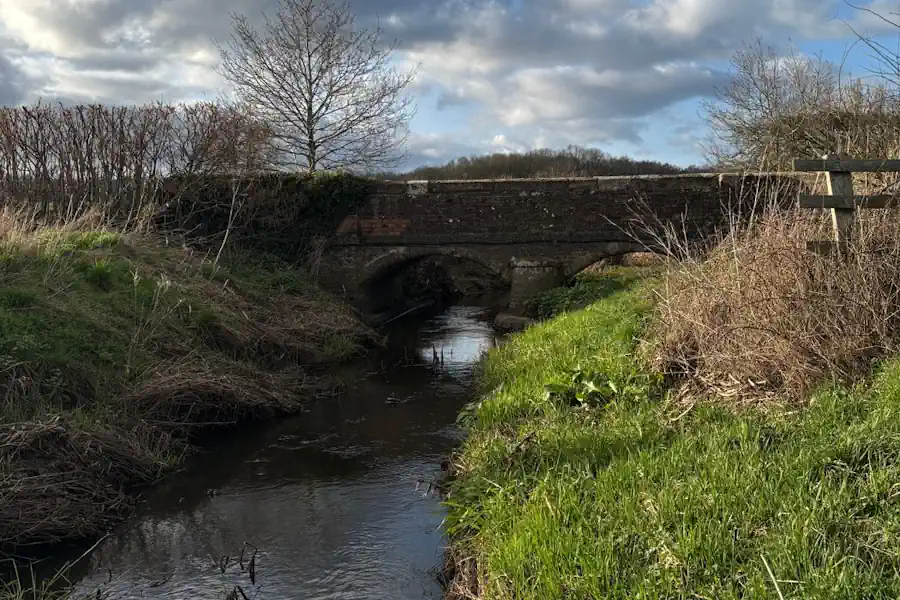
Shavington Estate
Shavington Estate
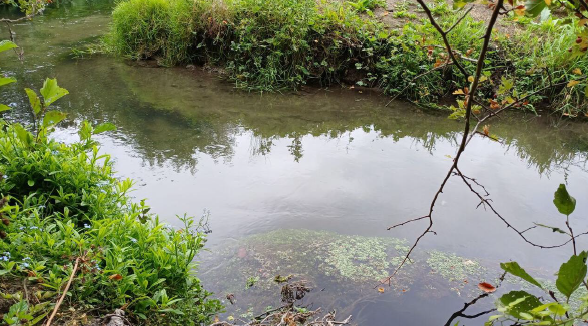
Hurst Farm
Hurst Farm
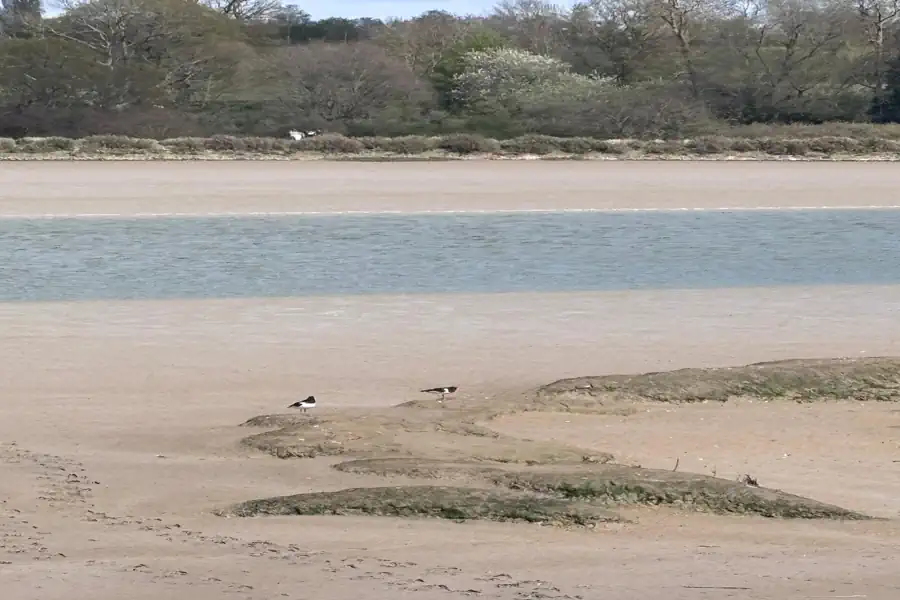
Essex BNG at Priors Farm
Essex BNG at Priors Farm

Somerset BNG Scheme
Trinity Farm & Eastcombe Fields
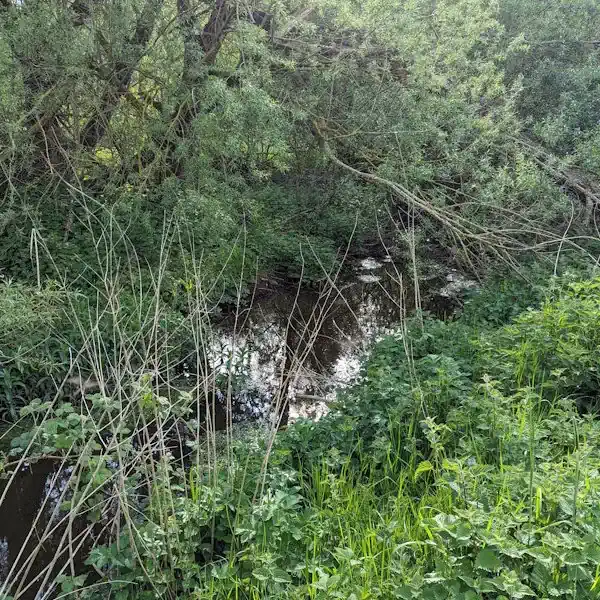
Tees Nutrient Mitigation
Tees Nutrient Mitigation Scheme
.jpg)
Wiltshire BNG at Lydeway
Land at Lydeway
.jpg)
Herefordshire BNG at Hampton Wafre
Hampton Wafre Farm
Are you looking to start a BNG scheme?
Talk to Greenshank and explore the opportunities we offer through your land.
Latest News
A step-by-step guide for landowners looking to sell their land as BNG units, and how Greenshank can help at every stage of the process.
.webp)
Find out how biodiversity net gain legislation works under the Environment Act 2021, what it requires, and which developments are exempt.
Find out how nutrient mitigation schemes work for landowners, how nutrient credits are generated, and how to combine nutrient and BNG income.