
Colchester LPA BNG
Biodiversity Net Gain in Colchester, where the council has its own Biodiversity SPD. Expert BNG support and access to local BNG units.
.avif)
Trusted by Developers and Landowners







Biodiversity Net Gain in Colchester Local Planning Authority
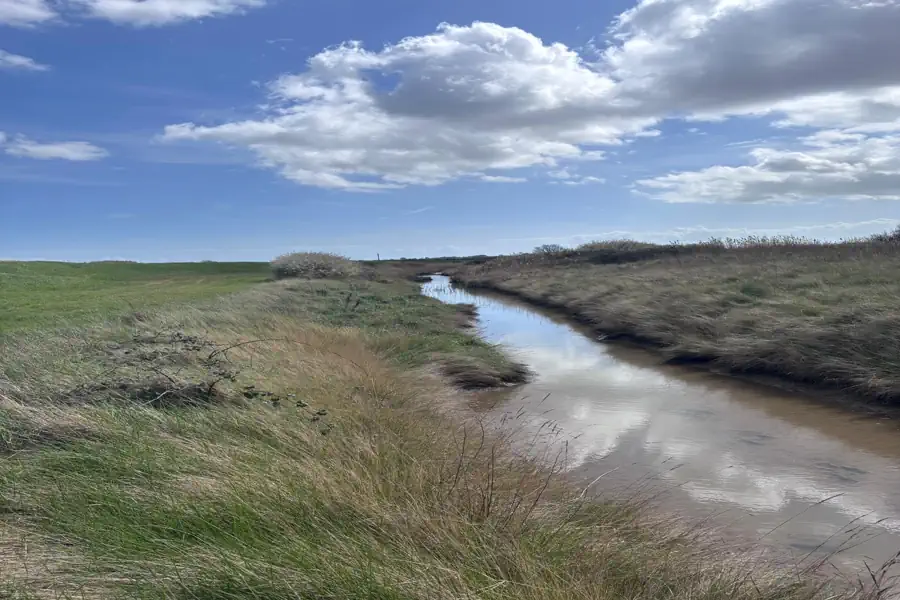
Colchester runs from Dedham Vale on the Suffolk border down to Mersea Island in the Colne Estuary. In between sit a Roman city, the Colne and Roman River valleys, and Fingringhoe Wick, Essex Wildlife Trust’s first ever nature reserve, opened in 1961 and still the county’s flagship site on the Colne Estuary.
Biodiversity Net Gain became a legal requirement for major developments in England on 12 February 2024, and for small sites on 2 April 2024. Colchester was already asking for it. Policy ENV1 of the Local Plan required a net gain of at least 10%, and in 2023 the council adopted its own Biodiversity Supplementary Planning Document, a local policy setting out what the council expects from developers on biodiversity.
Where a scheme cannot reach 10% on site, off-site units from a local habitat bank can make up the difference. The council has gone as far as inviting landowners to put forward land for off-site BNG as part of its Local Plan review.
Habitats in Colchester Local Planning Authority
.avif)
Colchester’s landscape blends urban, rural and estuary habitats.
- Ancient and Semi-Natural Woodland: scattered patches across the district.
- Arable Land: extensive farming, with scope for species-rich field margins and buffer strips.
- Improved Grassland: dominates agricultural areas, with potential for enhancement.
- Lowland Heathland: remnant and fragmented, but ecologically significant.
- Lowland Meadows and Neutral Grassland: found on greenbelt land and in Local Wildlife Sites.
- Mixed Scrub: on brownfield sites and transitional land.
- Parkland and Veteran Trees: add biodiversity value across the district.
- River Valley Wetlands: wet meadows, floodplain grazing marsh, ponds and ditches, with several Local Wildlife Sites protecting the mosaics.
- Saltmarsh: on the Colne Estuary, within the Colne Estuary Site of Special Scientific Interest.
- Species-Rich Hedgerows: ecological corridors across the landscape.
Colchester LPA BNG Planning
For BNG delivery, protecting and enhancing high distinctiveness habitats such as ancient woodland, lowland meadow, and floodplain wetlands will deliver significant biodiversity uplift.
Enhancement of improved grassland, arable margins, and hedgerows through planting and buffering provides practical options for BNG in both urban and rural contexts.
Off-site habitat creation or contributions to local habitat banks may also be necessary for larger developments.

Colchester
Tiptree
West Mersea
Wivenhoe
Get notified of a scheme
We do not currently have any schemes covering this LPA.
Get notified when a scheme is available in this area.
Discover Schemes in
Colchester LPA
LPA
Restoring ecosystems and creating sustainable habitats
through BNG and nutrient mitigation.
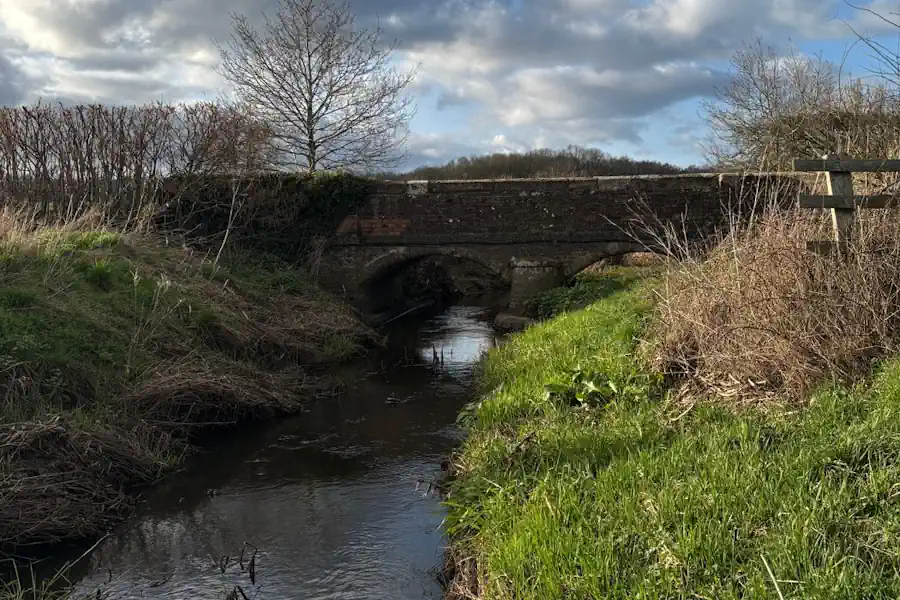
Shavington Estate
Shavington Estate
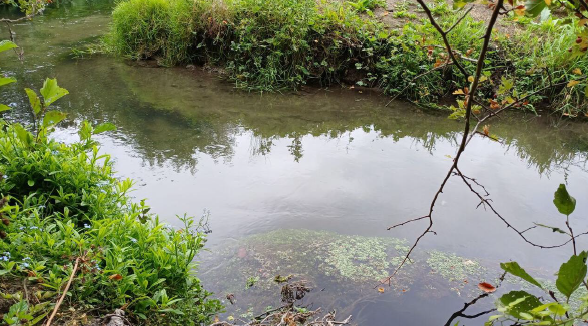
Hurst Farm
Hurst Farm
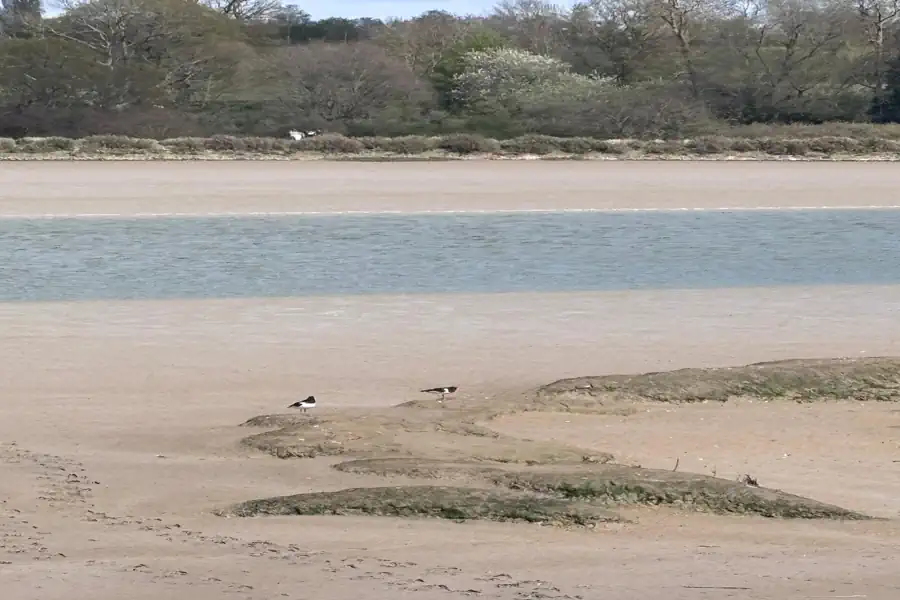
Essex BNG at Priors Farm
Essex BNG at Priors Farm

Somerset BNG Scheme
Trinity Farm & Eastcombe Fields
Tees Nutrient Mitigation
Tees Nutrient Mitigation Scheme
.jpg)
Wiltshire BNG at Lydeway
Land at Lydeway
.jpg)
Herefordshire BNG at Hampton Wafre
Hampton Wafre Farm
Are you looking to start a BNG scheme?
Talk to Greenshank and explore the opportunities we offer through your land.
Latest News
A step-by-step guide for landowners looking to sell their land as BNG units, and how Greenshank can help at every stage of the process.
.webp)
Find out how biodiversity net gain legislation works under the Environment Act 2021, what it requires, and which developments are exempt.
Find out how nutrient mitigation schemes work for landowners, how nutrient credits are generated, and how to combine nutrient and BNG income.